Do fruit trees need to be dug up: rules and timing
Fruit tree trenching is a process that involves creating a trench around the tree trunk along the drip line to collect and retain soil moisture and protect against weeds. Below are the guidelines and timing for trenching fruit trees:
- Digging time: Digging is done twice a year—in spring and fall. In spring, digging is done from March to April, when the snow begins to melt, and in fall, from late August to early October.
- Ravine depth: The depth should be approximately equal to the width of the trunk, usually about 30–40 cm.
- Width of the ravine: The width should be such that you can reach with a garden hoe on both sides of the trunk.
- Distance between ravines: The distance between the ravines depends on the age and size of the tree. For young trees, the distance should be about 50–60 cm, for mature trees – about 1–1.5 m.
- Correct digging: Digging must be done carefully to avoid damaging the tree's root system. The ravine should be uniform in length and depth.
- Ravine maintenance: After digging, it is necessary to weed the ravine and periodically loosen the soil in the ravine.
It is important to remember that proper trenching of fruit trees is an important part of their care, which contributes to their health and increased productivity.
Content
Why dig around fruit trees?
There are several important reasons for digging around fruit trees:
- Preserving soil moisture:
A ravine created around the tree's trunk helps retain moisture in the soil, which is especially important during periods of drought or heat. This allows the tree to receive sufficient water for normal growth and development, as well as for crop production. - Weed control:
A ravine around the tree trunk also prevents weeds from growing near the tree's root system, which can compete with the tree for nutrients and water. - Improving soil quality:
Regular digging improves the soil by removing compacted soil and increasing its aeration. This promotes better root development and increases the soil's nutrient capacity. - Preventing soil erosion:
The ravine around the trunk also serves as a barrier that helps prevent soil erosion, especially on slopes or in areas with high rainfall.
Thus, digging up trees is an important procedure that promotes their health and productivity, as well as improving the quality of the soil in the garden or vegetable garden.
When is it necessary to dig around trees?
Digging is usually carried out twice a year:
- In spring, before trees begin to grow:
The ravine around the tree trunk should be dug in early spring, when the soil is sufficiently soft and active growth has not yet begun. This helps retain moisture and provides the best conditions for root development. - In the fall after harvest:
It's also recommended to hoe around fruit trees in the fall after harvest. This helps remove plant debris and prevent the spread of diseases and pests the following year. Furthermore, loosening the soil around the trunk helps moisture and nutrients penetrate the root system better.
Typically, trenching is done once a year, either in spring or fall. However, depending on the conditions and requirements of a particular area, as well as the condition of the trees, trenching may be done more frequently.
The benefits of digging
Digging the soil, that is, loosening it to depth, has a number of positive effects that can have a beneficial effect on plants:
- Increased nutrient availability: Digging the soil increases the availability of nutrients to the plant's root system. Loose soil is more permeable to water, air, and nutrients, allowing roots to absorb them more quickly and efficiently.
- Improving soil drainage: Digging the soil can also improve drainage and prevent waterlogging. This is especially important in the root zone of plants, where standing water can lead to rot and other diseases.
- Improving soil structure: Digging improves soil structure and increases its aeration. Loose soil has higher fertility, which can lead to increased yields and improved product quality.
- Elimination of weeds and pathogens: Digging the soil can help eliminate weeds and pathogens from the soil. This can reduce the risk of plant diseases and increase crop yields.
- Improving the aesthetic appearance: Digging up the soil can help create a more aesthetically pleasing area and prepare it for planting new plants.
Overall, digging can provide numerous benefits and be beneficial for plant health and growth, yield, and product quality. However, it's important to keep in mind that excessive digging can harm the soil and plants, so it's important to follow certain rules and recommendations when performing this procedure.
Disadvantages of digging
Digging can also have some negative consequences that are worth considering:
- Risk of damage to plant roots:
When digging the soil, you can accidentally damage the roots of plants, which can lead to their disease or even death. - Deterioration of soil structure:
Excessive soil tillage can lead to soil compaction and deterioration of the soil structure. This can lead to reduced yields and product quality. - Increased risk of soil erosion:
Digging up the soil can increase the risk of soil erosion, especially on slopes and in areas with low moisture. This leads to the loss of the fertile soil layer and a deterioration in its quality. - Increased risk of soil drying out:
Loose soil can dry out more quickly, especially in dry conditions. This can lead to an increased risk of drought and poor plant growth conditions. - Weed Spread:
Digging up the soil can spread weed seeds across the area, which can lead to more intensive weed growth in the future.
Overall, soil tillage can have both advantages and disadvantages, and it should be carried out with due consideration of all risks and recommendations. If you're unsure how to properly till the soil, it's recommended to seek advice from experienced gardeners or agronomists.
The process of digging around fruit trees: step-by-step instructions
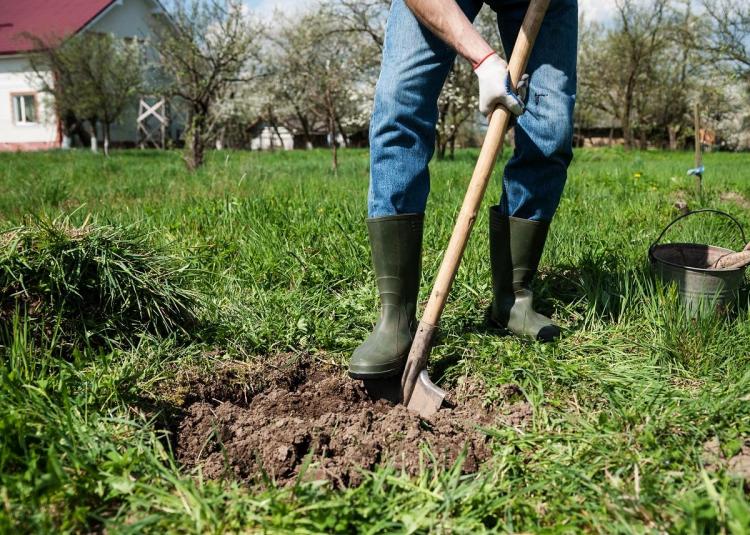
Step 1. Choosing a digging site. Find a spot near the tree's root zone where you can manually dig a shallow trench in the soil.
Step 2. Determining the groove depth. The groove depth should be approximately half the depth of the tree's root system.
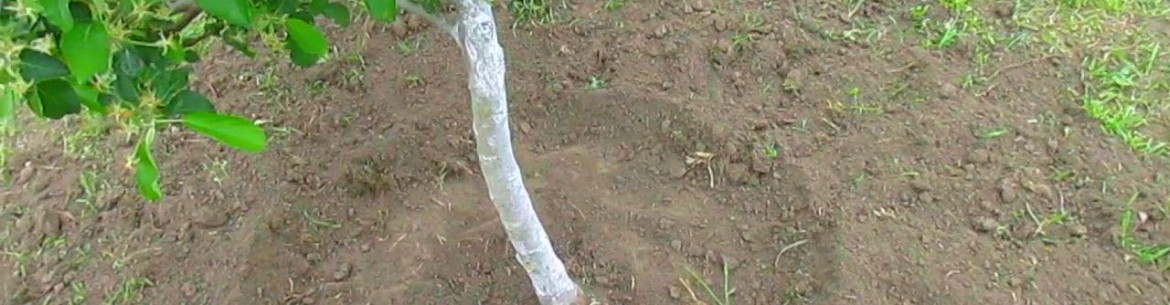
Step 3. Digging a trench. Use a shovel or hoe to dig a trench around the tree. The trench should be ring-shaped and located about 30 cm from the trunk.
Step 4. Removing Soil. Use a shovel to remove soil from the trench and leave it in the row next to the trench. Turn the soil over so that grass and weeds are on top.
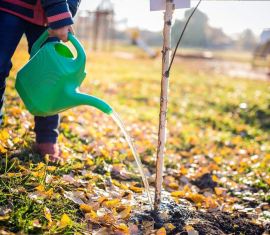
Step 5. Watering. Fill the trench with water until it's saturated. This will improve the soil's water-holding capacity and speed up the decomposition of organic matter.
Step 6. Adding organic fertilizer. Spread organic fertilizer, such as humus or compost, over the surface of the soil in the trench. Distribute the fertilizer evenly over the entire surface of the trench.
Step 7. Digging the soil. Use a shovel or hoe to mix the organic fertilizer into the soil. Loose soil will improve the availability of nutrients and water to the tree's roots.
Step 8. Returning the soil to the furrow. Return the mixed soil to the furrow so that it covers the fertilizer and organic matter.
Step 9. Finishing the process: Water the trench to moisten the soil and finish digging.
Step 10. Applying mulch. Apply mulch to the surface of the trench to retain moisture and reduce weed growth. Mulch can be any organic material, such as straw, sawdust, manure, or pine needles. Apply the mulch in a 5–10 cm layer, but not too close to the tree trunk.
Step 11. Watering. After you've applied the mulch, water the trench to moisten the mulch and the soil underneath.
Step 12. Maintenance. Over the next few weeks, monitor the trench and remove any weeds or grass that grow. Check the soil moisture periodically and keep it moderately moist.
When digging around trees, do not make the trenches too close to the trunk, as this can damage the tree's root system and lead to its death.
For best results, it is recommended to dig around trees in early spring or late autumn when the soil is moist enough to reduce stress on the plants.
What are the benefits of mulching the tree trunk circle?
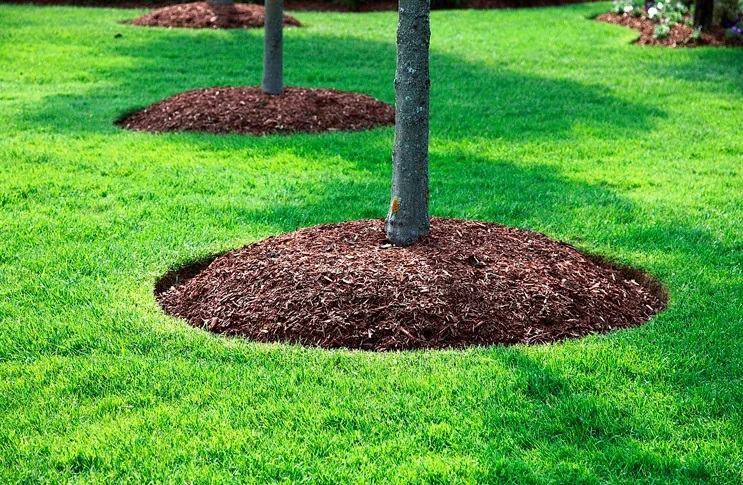
Mulching the tree trunk area is an important procedure for tree health. Here are some of the benefits of mulching the tree trunk area:
- Moisture retention. Mulch helps retain moisture in the soil, which is especially important during periods of drought or heat. It creates a barrier that reduces water evaporation from the soil surface and helps preserve it for tree roots.
- Overheating protection. Mulch also protects tree roots from overheating, which can lead to wilting and death. It shields the soil from direct sunlight, keeping it cooler.
- Weed protection. Mulch limits weed growth around trees, making it easier to maintain the tree trunk area and protecting the tree's root system from competition for water and nutrients.
- Soil improvement. Mulching the tree's trunk helps improve the soil around the tree. Organic materials used for mulch gradually decompose and enrich the soil with nutrients such as nitrogen, phosphorus, and potassium.
- Protection against mechanical damage. Mulch can also prevent mechanical damage to tree roots from lawn mowers or other garden tools.
Overall, mulching the tree trunk area is a simple and effective way to improve tree health and growth while reducing tree maintenance.
What can be planted in the trunk circles of fruit trees?
Various crops can be planted in the trunk circles of fruit trees, this can have several purposes:
- Green manure. Growing green manure in the tree trunk circle improves soil fertility, adds organic matter and minerals, and protects the soil from erosion and weeds. Various plants can be used for this purpose, such as mustard, lupine, beans, and others.
- Ornamental plants. Ornamental plants can be grown in the tree trunk circles to enhance the garden's beauty and complement the overall design. These could include herbs, flowers, shrubs, or small trees. However, remember that these plants should not compete with the roots of fruit trees.
- Vegetables and berries. Vegetables and berries can be grown in the tree trunk circles, which will help optimize the use of the space and yield additional crops. However, it's important to remember that plants should be selected so as not to damage the roots of fruit trees or shade them.
It's important to remember that the selection of crops for the tree trunk circle should be based on soil characteristics, climate, and the plant's light and moisture requirements. Furthermore, it's important to maintain crop rotation and proper care practices.
When choosing plants for the tree's trunk circle, consider their size, growth rate, and fruiting time so that they do not shade the tree or compete with it.