Which green manure crops are best to sow in the fall: helping the soil
Green manure crops are grown as an effective organic fertilizer. Typically, after harvesting, green manure crops are planted in empty beds.
Most often, legumes, cruciferous and cereal crops, phacelia and others are used as green manure.
Plants that quickly gain green mass are suitable for autumn sowing. The green mass disappears under the snow, and when dug in the spring, it enriches the soil.
Content
The goals and benefits of sowing green manure in autumn
Sowing beneficial plants in the fall is a simple and inexpensive way to restore soil fertility. Green manure has many beneficial properties:
- make the soil looser;
- enrich the soil with nutrients;
- protect the soil from scabies and rotten;
- prevent soil erosion;
- prevent weeds from growing;
- used as mulch after mowing;
- retain snow and, accordingly, moisture.
Reasons for sowing green manure in autumn:
- After harvesting, the barren land may suffer. Plants will protect it.
- Over the spring and summer, vegetables and other crops have drawn nutrients from the garden bed. Green manure is essential to restore fertility.
- Sowing green manure crops prepares the soil for spring sowing.
- Weeds appear very quickly in empty beds. Green manure crops prevent them from spreading.
The best green manure crops for autumn sowing
Which green manure crops are best to sow in the fall? The list is long and varied. Plants that have time to develop green foliage and can thrive even in subzero temperatures are suitable for fall sowing.
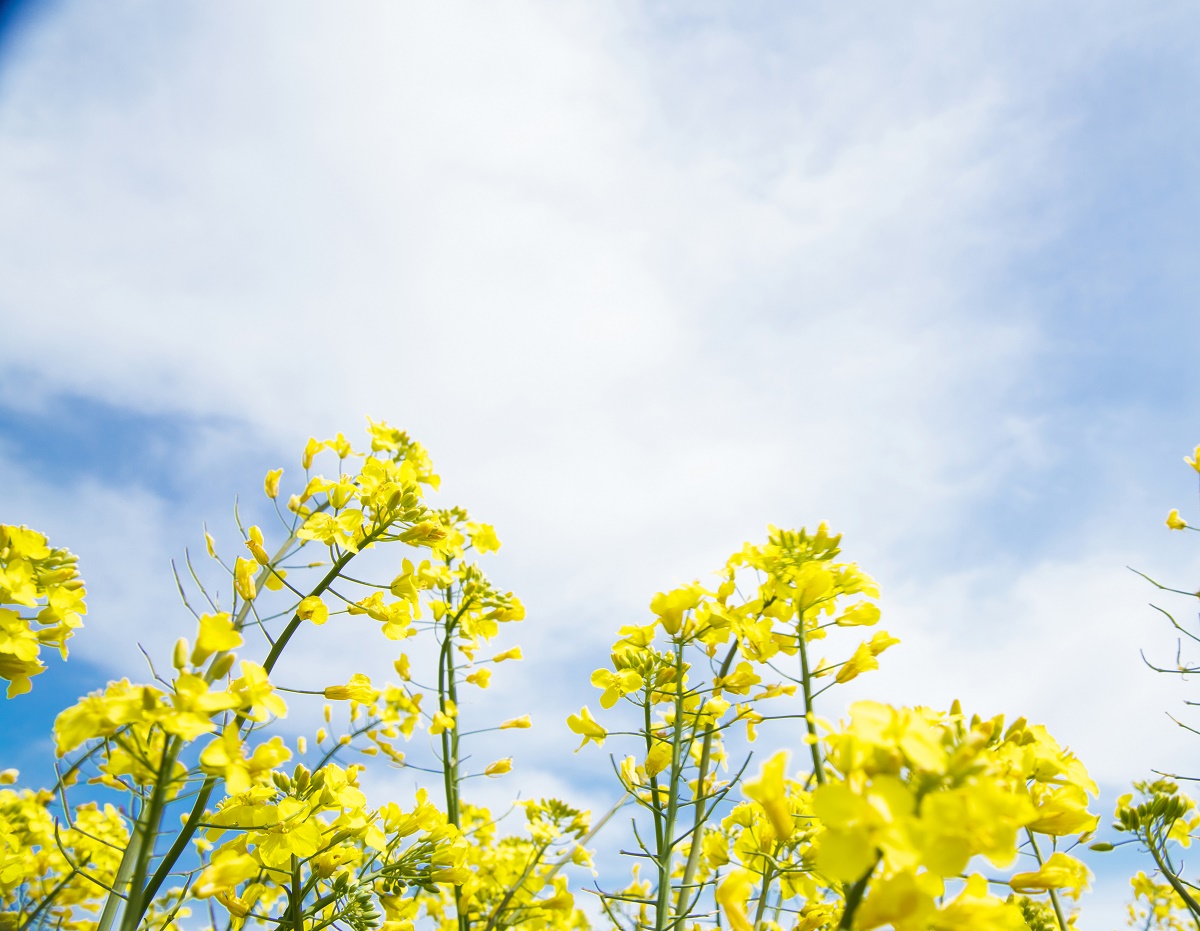
Oilseed radish, white mustard, and rapeseed grow quickly and disappear under the snow with lush greenery.
Rye, vetch, lupine, and phacelia are sown in mid-autumn. These plants have time to develop their root systems, and green foliage appears in the spring.
- Oilseed radish protects the soil from erosion, loosens it, and enriches it with nitrogen, phosphorus, and potassium.
- White mustard enriches the soil with nitrogen and phosphorus, converts mineral compounds into available forms, slows the leaching of valuable nutrients, and releases substances into the soil that can inhibit growth. mushrooms and bacteria.
- Rapeseed nourishes the soil, disinfects it, and protects it from pests.
- Rye actively displaces weeds, loosens the soil, and accumulates nitrogen and potassium.
- Vetch quickly saturates the soil with nitrogen, improves its structure, fights weeds, and disinfects the soil.
- Lupine accumulates a huge amount of potassium, nitrogen, phosphorus, calcium, improves the soil structure, prevents erosion, and suppresses weed growth.
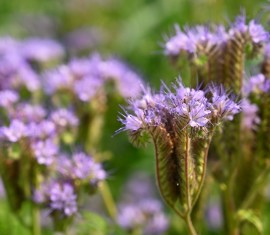
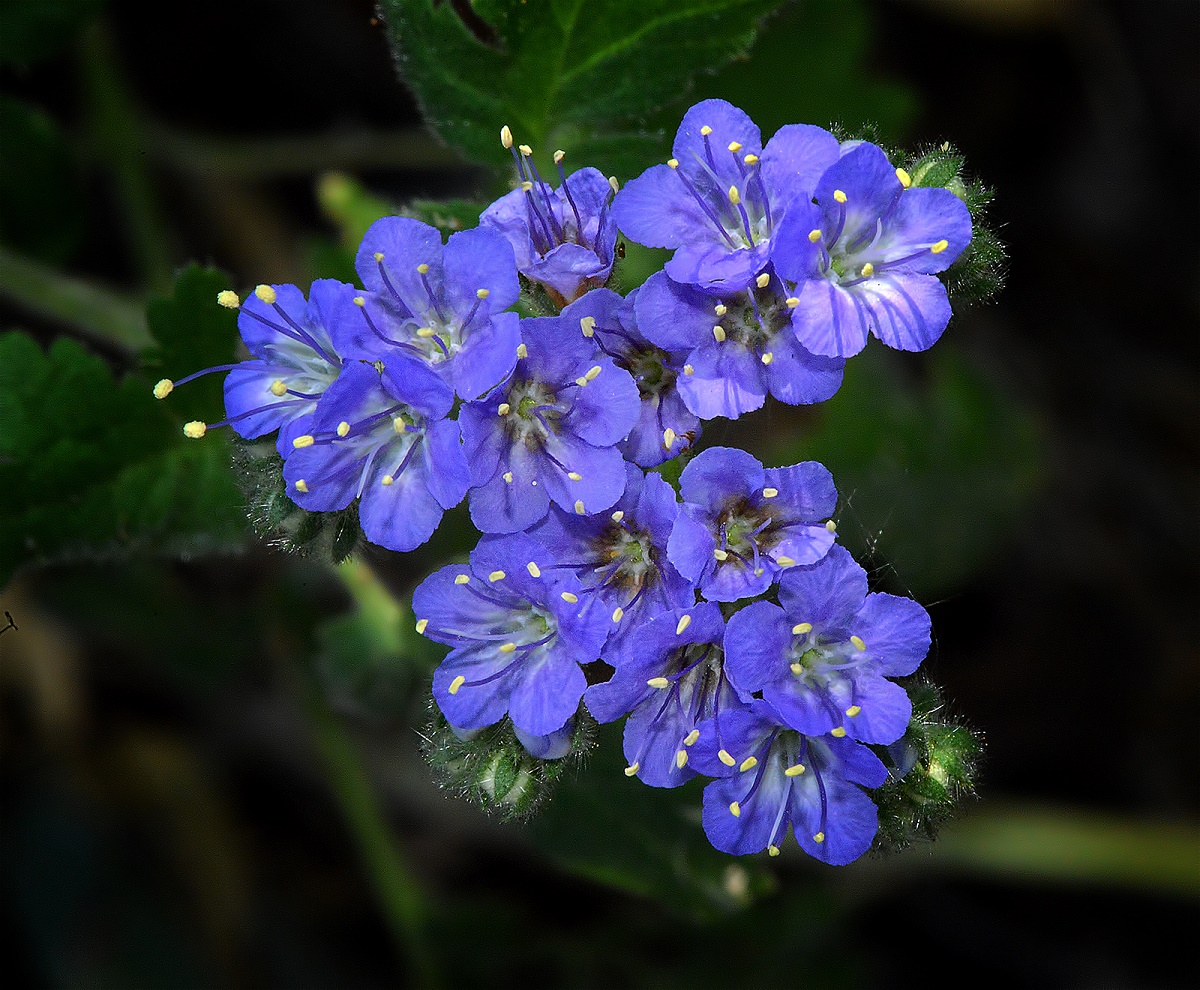
- Phacelia improves the structure of the soil, enriches it with nitrogen and potassium, reduces acidity, has herbicidal properties, and does not share diseases and pests with other garden plants.
- Alfalfa rapidly gains green mass, nourishes the soil with oxygen, phosphorus and nitrogen, improves soil structure, and protects against erosion.
- Calendula improves the health of the soil and enriches its top layer with useful substances.
- Peas increase soil permeability, enrich it with nutrients (nitrogen, phosphorus, potassium), protect against overheating, hypothermia, erosion, washout, and disinfect the soil.
Experienced gardeners practice sowing different green manures with different properties at the same time. This brings greater benefits.
Recommendations for sowing green manure
When to sow green manure in the fall? Sowing times depend on the region and the speed of crop growth.
In the middle zone, fast-growing plants are sown until the end AugustIn warmer regions, this can be done as early as early September. On average, plants reach the desired height in 20–35 days. This should be taken into account when calculating sowing time.
When to plant green manure in the fall? Winter sowing is done in late September or early October.
Before sowing plants, it is necessary to prepare the soil:

- Clear the garden bed of weeds.
- Add nitroammophoska to depleted soil.
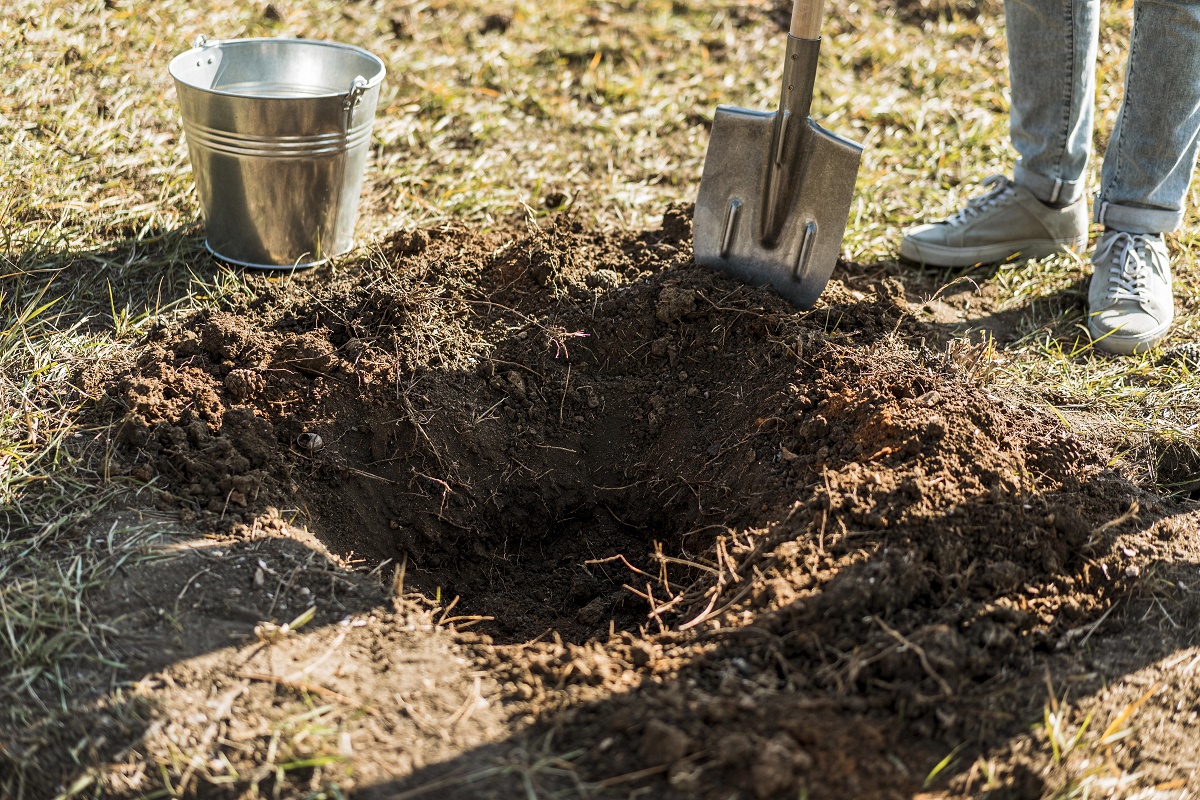
- Dig up to the depth of a shovel blade.
- Water bed before sowing if the soil is too dry.
There are different ways to sow green manure:
- In rows. Maintain a distance of 10–15 cm between rows. Plant at a depth of 5 to 7 cm.
- Scatter. Scatter densely over the bed, cover with a 3-4 cm layer of soil, or rake in.
The amount of seed depends on the crop type, ranging from 1 to 20 grams per square meter. For example, to sow one hundred square meters, you'll need 0.5 kg of mustard, 2 kg of cereals, and 0.2 kg of phacelia. Planting is usually done densely to ensure effective weed control.
Caring for green manure in autumn and further processing
Most crops don't require any maintenance. Only some crops require it. water.
What to do with green manure in the fall? When the green manure crops reach the desired size, they are cut or mowed. The roots are left in the bed to continue to act as a cultivator.
When should green manure be dug in the fall, and is it necessary? Opinions vary. Some gardeners believe digging is necessary, while others believe it's better to leave the plants in the garden bed.
End of the season and use of green manure
The autumn season for useful plants begins around September and ends in October. The end of the season depends on the plants sown. If you're only planting fast-growing crops, you can finish working with them in September. It's important to cut them before they go to seed, so they don't turn from useful plants into weeds.
Green manure crops are sown before winter in late October. In the spring, they must be mown before the seeds appear.
There are several ways to use greens:
- A week before the cold weather sets in, the stems are cut back to the roots and left in the garden bed. In the spring, the soil is dug over, along with the remaining green manure.
- Green mass is used as mulch.
- Greens are added to compost.
- The plants are left in the garden bed without being mown. The stems hold the snow, protecting the soil from frost.
- Green manure crops are dug up in the fall without preliminary cutting of the green mass.
The choice of method depends on the soil. Practice will show which method will respond best.
Using green manure eliminates the need for fertilizers. Plants maintain soil fertility and enrich it with nutrients. Fall sowing will prepare the soil for spring. All that's left to do is dig up the beds and plant the vegetables.
If your area suffers from water shortages, plant phacelia or sweet clover. Peas and white mustard are suitable for sandy loam soil. Peas, beans, and vetch will enrich normal soil. Beans and sunflowers will loosen heavy soil well.
As soon as the bed is cleared, it's time to plant a green manure crop. The absence of plants is very harmful to the soil: the number of beneficial bacteria decreases, earthworms become fewer, and erosion begins.