How to Make Pathways on Your Plot: A Material Review and a Bunch of Ideas
Garden paths are an important element of landscape design. Besides their practical purpose, they also serve a decorative function.
Let's discuss what you can use to make paths in your dacha. The choice of material will determine the ease of use and appearance of your paths.
Content
Selecting materials for paths
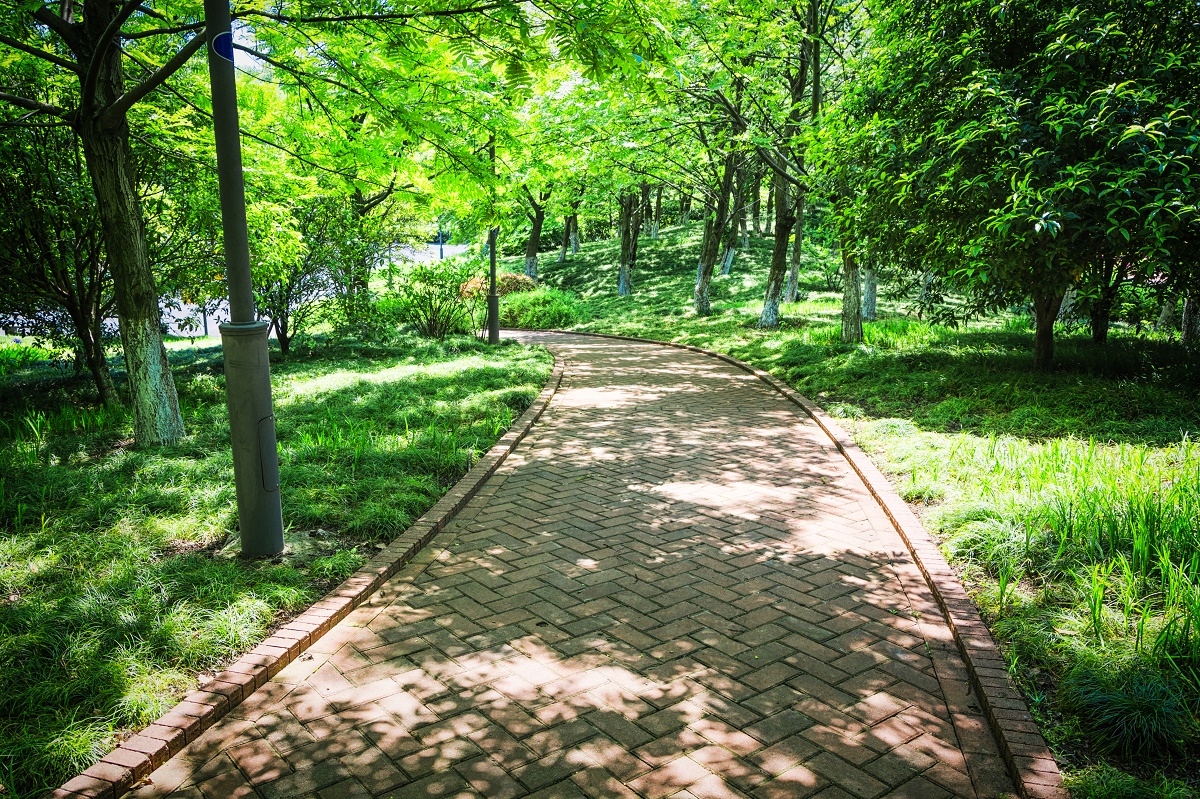
There are quite a few building materials suitable for creating paths, including gravel, pebbles, stone, paving slabs, concrete, wood, cement, and others.
Stones
Natural or artificial stones are used to create paths.
Advantages of natural stones:
- high strength:
- wide selection of colors and sizes;
- durability;
- interesting design.
Disadvantages of natural stones:
- heavy weight;
- high cost.
Advantages of artificial stones:
- a large selection of colors and textures;
- variety of forms;
- resistance to abrasion, fading, temperature changes;
- light weight;
- reasonable price.
Artificial stone has virtually no disadvantages. The only notable drawback is its lower resistance to mechanical stress compared to natural stone.
Concrete
Durable road material has a number of advantages:
- availability of material;
- durability;
- ease of manufacture.
Disadvantages of concrete:
- the process can take place at temperatures above +5 degrees;
- It can only be used a month after pouring.
A drawback of concrete is its dull gray color. However, this can be remedied by adding dyes, pebbles, shells, and mica to the concrete mix.
Tree
Wooden paths are made from saw cuts, boards, timber, tree bark and other wood materials.
Wood flooring has different technical characteristics depending on the type of wood. However, there are also some common properties. Advantages of wood:
- environmental safety;
- ease of installation;
- relative cheapness;
- nice view.
Disadvantages of wood:
- slippery surface after rain or dew;
- need for periodic maintenance;
- short service life.
Gravel
Gravel paths suit any garden style and offer a number of advantages:
- no concrete base required;
- do not blur;
- it is inexpensive;
- easy to manufacture and maintain.
Disadvantages of a gravel path:
- heavy loads are contraindicated;
- difficulty sweeping up trash.
Tile
Paving slabs are often used to cover garden paths due to their advantages:
- accessibility;
- the ability to vary shape and color.
Disadvantages of tiles:
- porosity;
- insufficiently high frost resistance;
- the need for drainage when setting up on heavy soil.
You don't have to buy materials for paths. You can make a path from scrap materials. Many summer residents are faced with the situation of construction at their dacha. It's quite possible to build a path from leftover building materials. Crushed stone, sand, brick, and slag are all common materials.
Stone paths
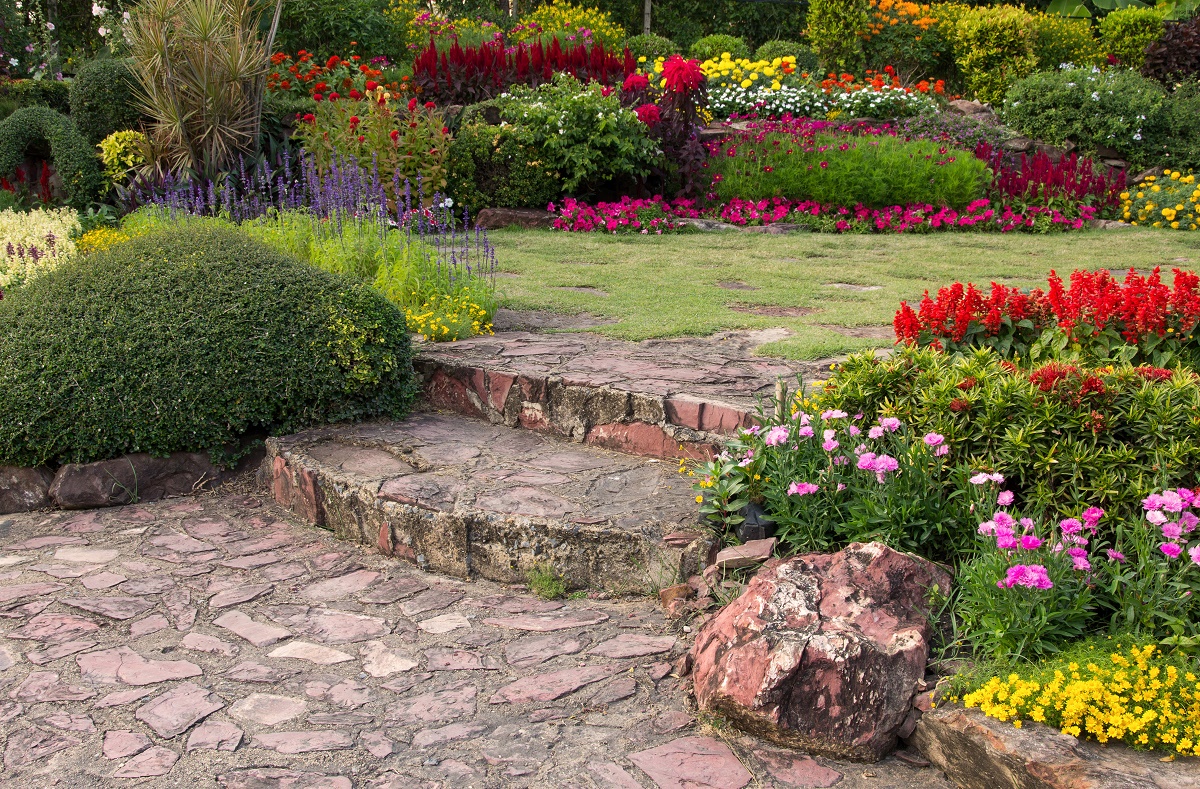
If you have the money to spare, you don't have to worry about what to make your paths out of. They can be laid with natural or artificial stones.
There are different types of natural stone:
- Granite is composed of quartz, feldspar, and mica. The material is extremely durable. Colors range from black to dark red.
- Slate has a layered structure and a porous composition. Slate slabs are used for paving. Quartzite slate is similar in properties to granite.
- Shungite can be layered or monolithic. The latter is more commonly used as it is more resistant to mechanical stress and temperature fluctuations. Its color range is rather limited: only shades of gray and black are present.
- Quartzite combines exceptional hardness with an attractive appearance. Quartzite can be white, gray, pink, or reddish in color.
- Sandstone is less hard than granite, but easier to work. Common colors include gray-green, sand, fawn, and pinkish.
Among artificial paving stones, the following are worth mentioning:
- Polymer-sand tiles are composed of sand, polymer, plasticizers, and pigment. The tiles are highly durable and available in a variety of colors that resist fading in the sun.
- Porcelain stoneware boasts high strength and is a virtually eternal material. Porcelain stoneware is composed of two types of white clay, quartz sand, feldspar, and mineral pigment. It comes in a wide range of colors.
You can pave stone paths yourself. It's not as difficult as building a house. If you're short on time or lack the desire, professionals can quickly and reliably lay the stones along the designated paths.
Concrete paths
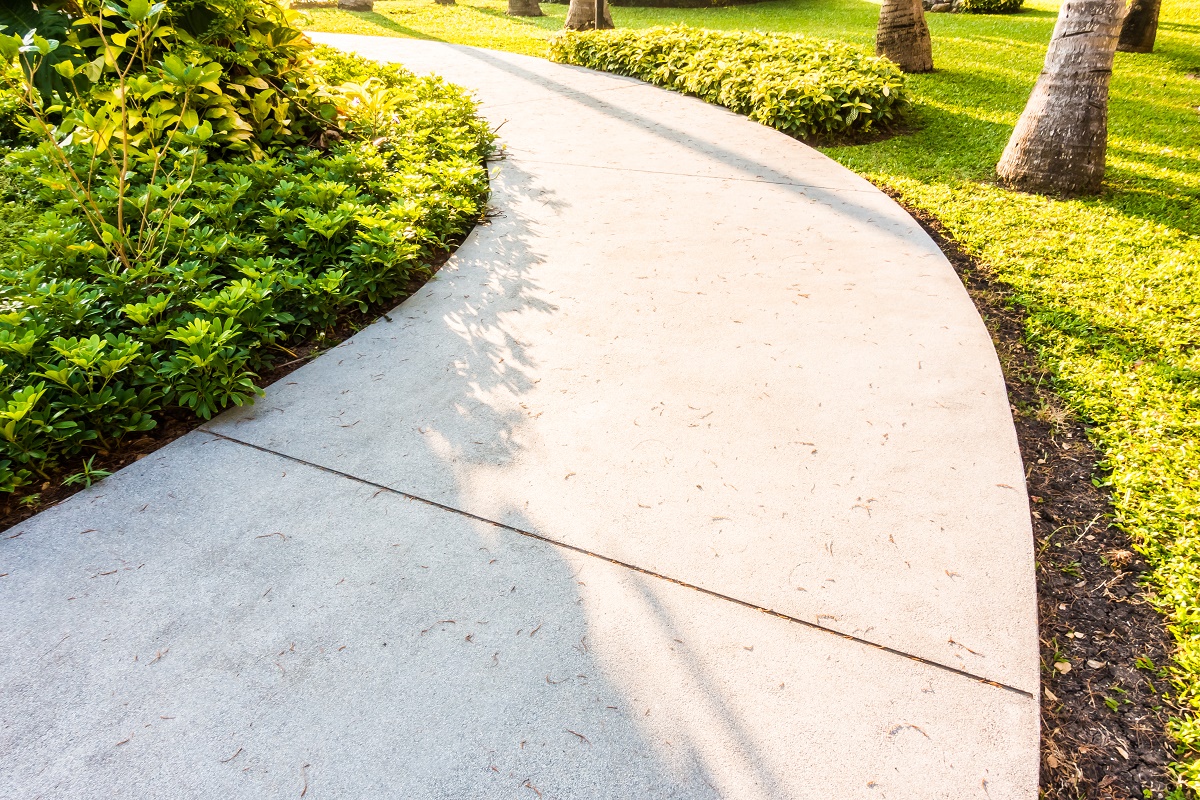
Concrete is used in the construction of paths in various forms:
- Monolithic concrete coating.
- Stamped slabs.
- Cast slabs.
Concrete can be given any strength limit. It all depends on the coating thickness. A 40 mm thick tile can withstand intense loads. When poured as a monolith, concrete exhibits low tensile strength.
Using stamps, it is possible to apply a relief pattern to the surface of concrete tiles.
Wooden paths
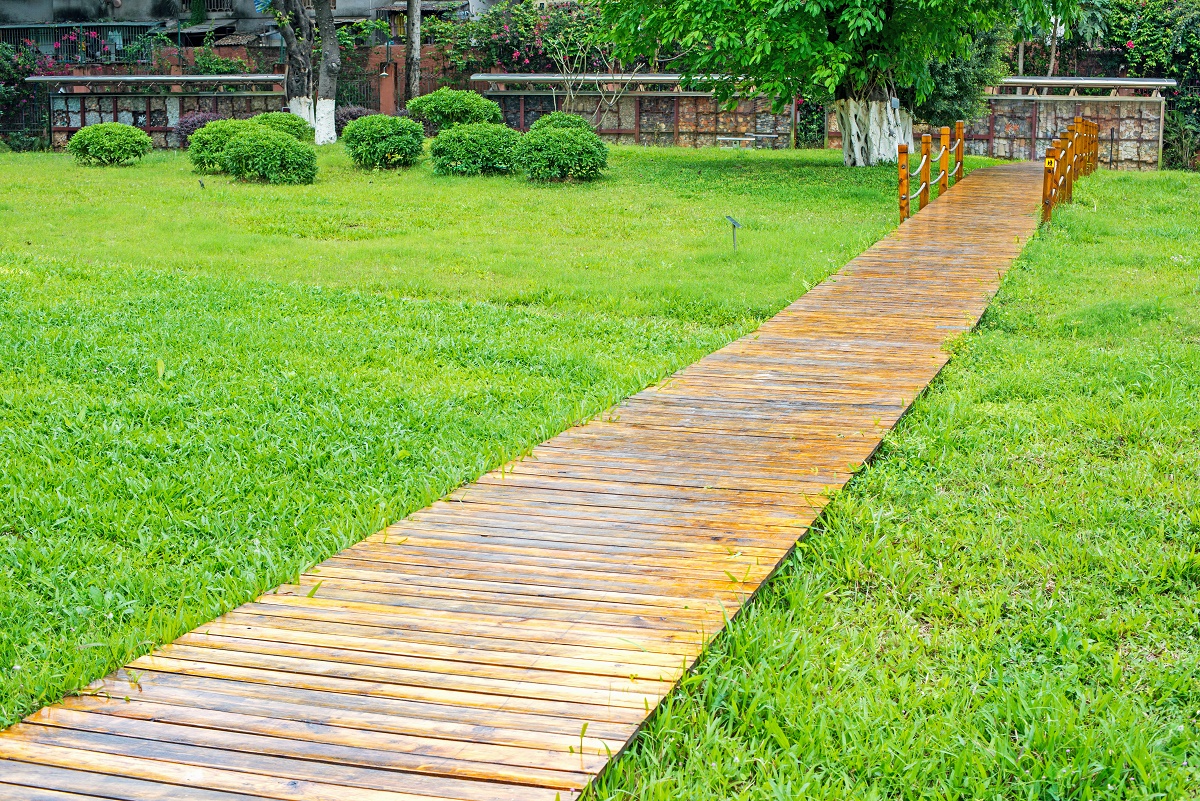
The best choice for a wooden path is high-density, rot-resistant wood. Larch is ideal. Pine, oak, ash, and maple are also suitable for paving. The resins in these woods prevent rot.
Regardless of the type of wood, paths are treated once a year with special agents against rot, damage by insects and rodents, and the surface is varnished.
How to build your own paths inexpensively? For paving, use boards, even used ones from other projects. Boards are used to create decks with ventilation underneath. Pallets are also used.
Gravel paths
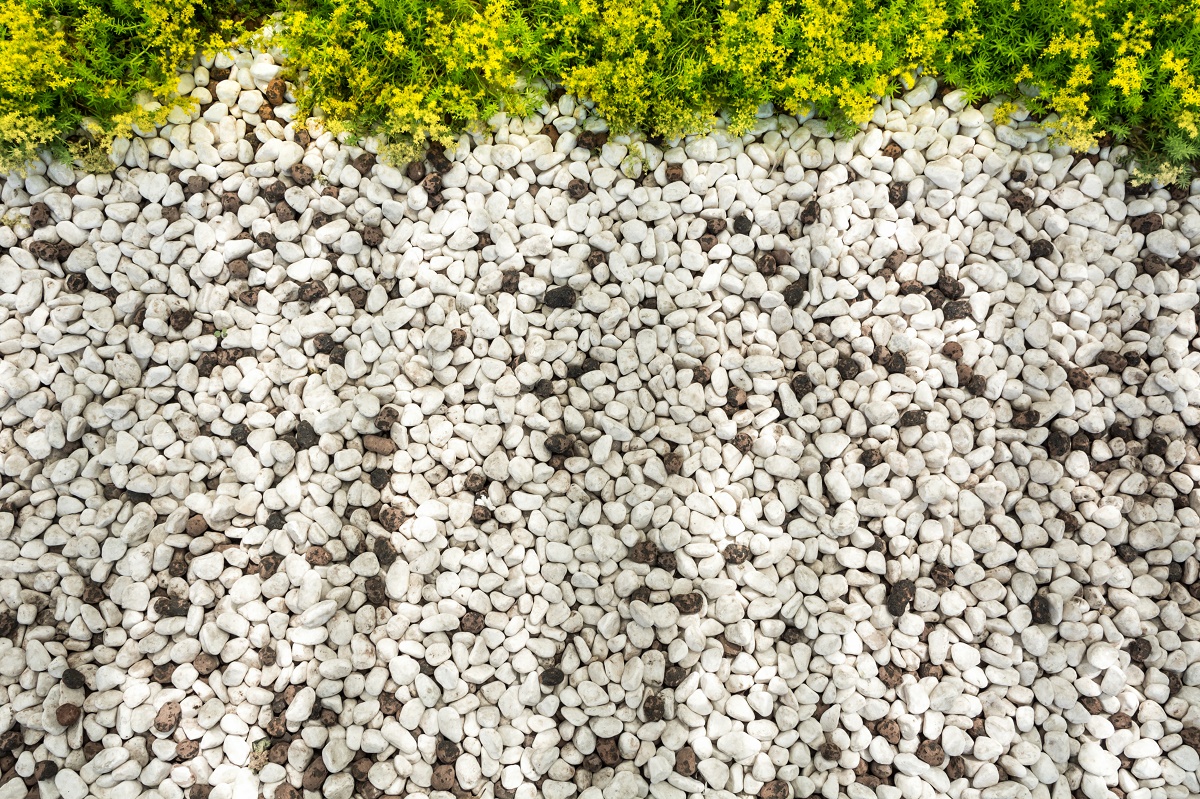
Gravel is convenient, beautiful, practical, and environmentally friendly. Paths made from this material look neat and aesthetically pleasing. It fits perfectly into any style. Its natural appearance and closeness to nature make gravel popular in landscape design. This material can also be used for a path in a yard.
Water doesn't run off gravel like many other surfaces, and plants along the path don't get overwatered because the material is permeable. Rain simply filters through the pebbles.
To construct a gravel path, the soil must be prepared by backfilling and compacting it with sand. The edges of the path are reinforced with curbstones to stabilize the gravel.
Tiled paths
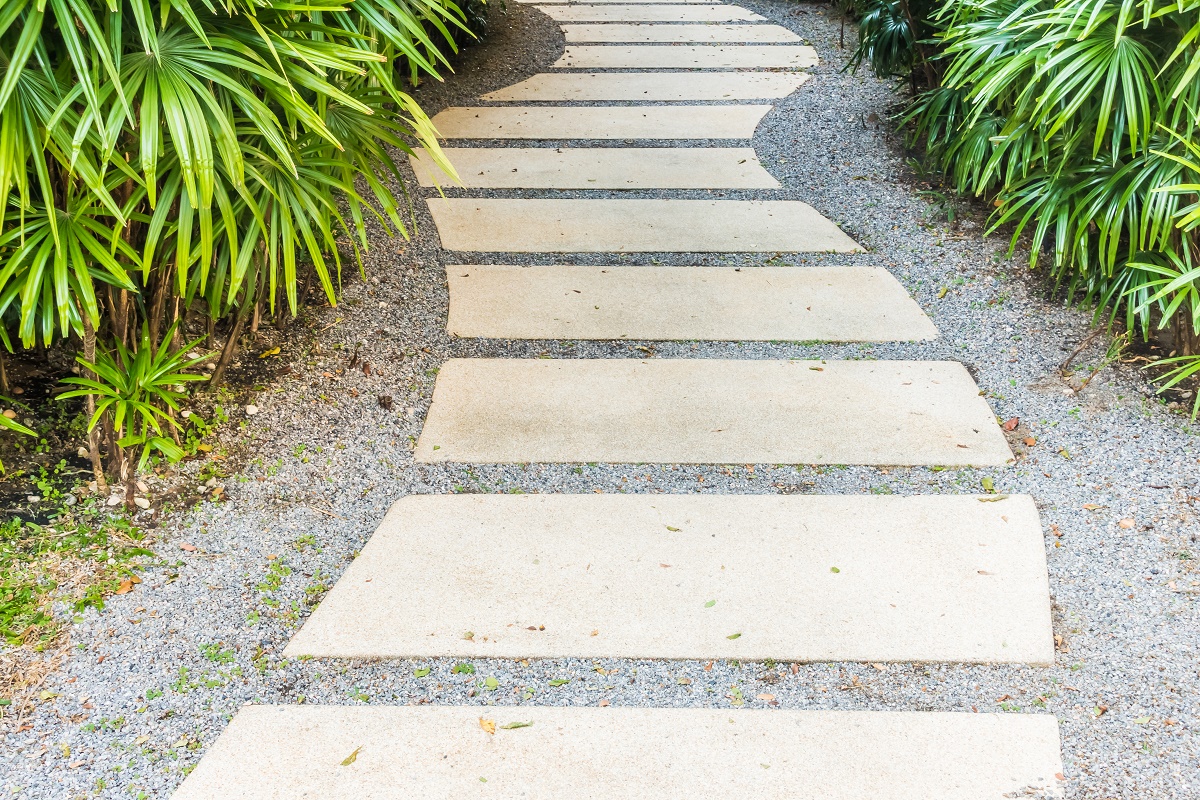
Tiled paths are a classic choice for a country house. They can be made of a variety of materials, including ceramic, stone, porcelain tile, and more.
Ceramic paving isn't often used for paths, as it's impractical. It's typically used in areas in front of a house or fountain. It's recommended to choose ribbed tiles to ensure they're not slippery.
Stone tiles are cut from stone blanks on specialized machines using diamond tools. Their characteristics make them ideal for paving paths.
Porcelain tiles are reliable, durable and do not require careful maintenance.
Tiles are ideal for paving garden paths. They come in a variety of sizes and colors, making them easy to create original designs. Tiles can be arranged in a classic, linear, herringbone, or modular pattern. The latter is very effective, creating a complex pattern. When laying tiles, you can play with colors, which can create a unique effect.
Various materials are suitable for paving garden paths. They vary in strength, availability, resistance to mechanical stress, appearance, and, of course, price. Almost all materials have advantages and disadvantages. The decision should be made based on these factors.
The garden's style and local climate play a significant role in choosing the right material. In any case, paths should be comfortable and safe, and complement other garden elements.