Sauerkraut with apples: a simple but delicious recipe!
Sauerkraut is a favorite appetizer in many cultures. It's an essential part of the holiday table and is used to prepare a wide variety of dishes. Sauerkraut itself already has a pleasant, sweet-and-sour, and refreshing flavor. However, it can be enhanced with a simple technique: adding apples during fermentation. Apples add a sweet note to the appetizer and significantly increase the vitamin and mineral content.

A simple recipe for sauerkraut with apples
There are actually many recipes for sauerkraut with apples. But for those unsure whether they'll enjoy this appetizer, it's best to start with the simplest and quickest recipe.
Ingredients
- 3 kg white cabbage
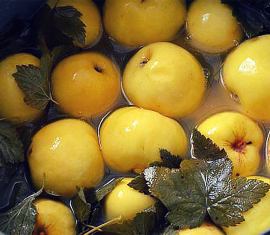
- 3 pcs. apples It's best to take a strong, sweet and sour variety
- 3 pcs. carrots
- 2 tbsp salt
Instructions
- First, remove all the outer leaves from the cabbage head. Next, shred the cabbage. If using a shredder, be careful—it can easily injure you.
- Grate the carrots on a coarse grater into a bowl with already shredded cabbage.
- Mix the vegetables with your hands.
- Add salt and then mix everything thoroughly again. Press the vegetables down while mixing to release the juices.
- Next, place the vegetables in a clean, dry jar. Press them down again with your hand or a potato masher. When the jar is about a third full, immediately slice the apples into wedges. There's no need to peel them, as the peel contains many beneficial compounds. If you've sliced the apples in advance, be sure to lightly sprinkle them with lemon juice to prevent them from browning too quickly.
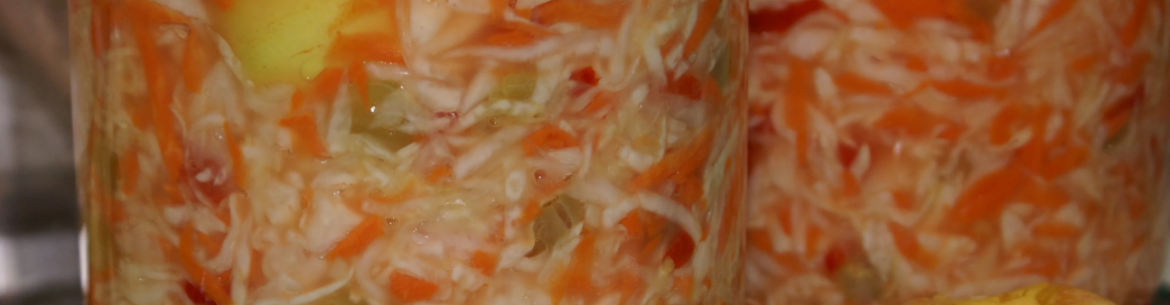
- After this, begin layering the cabbage, then the apples, until the jar is filled to the very top. Place the jar with the cabbage and apples in a bowl or basin to allow the juice to escape. You can place a weight on top, such as a bottle filled with water.
- The next day, pierce the cabbage with chopsticks to release gases. Make sure the cabbage is completely covered with liquid.
- After 2-3 days, you can make your first test. If the cabbage is already ready, simply put it in the refrigerator.
Note
Sauerkraut can be served as a separate dish (appetizer), or added to salads, hot dishes, etc.
Nuances of preparation
To make sauerkraut with apples even more delicious, use a couple of preparation tips:- Late-ripening or, at a minimum, mid-season cabbage varieties (e.g., Amager, Moskovskaya Pozdnyaya, Belosnezhka, etc.) are suitable for sourdough. During the ripening process, these vegetables accumulate the necessary amount of natural sugars, which ensure optimal lactic acid fermentation.
- Large cabbage heads—over 10 kg—are best for fermenting. Such large vegetables speak to the uniqueness of the variety. Hybrids rarely exceed 9 kg in weight.
- Only sour or sweet-and-sour apple varieties with firm, crisp flesh are suitable for sourdough. For example, Granny Smith, Antonovka, Semerenko, etc.