How to sow a plot of land to keep it weed-free
There are many different methods for weed control. One common method is to grow plants that suppress weed growth and improve soil health. These plants are called green manures. They are used by both professional and amateur gardeners. Below is information on what to sow in your garden to control weeds.
Content
- What are green manure crops?
- Types of green manure
- How green manure affects different soil types
- What diseases and pests do green manure crops combat?
- Properties and timing of planting green manure crops
- When and where to sow green manure
- Which green manures are suitable for which crops?
- When and how to harvest green manure
What are green manure crops?
Green manure, or green manure, is one of the most effective natural fertilizers. It improves the soil and prepares it for the planting season. Its main advantage is that it requires little maintenance. It grows quickly and gains green mass.
Green manure is sown on a free plot of land next to the main crop plants.
Using green manure enriches the soil with nitrogen, preventing weed growth and the spread of fungal diseases. Green manure fertilizers are an excellent alternative to chemical fertilizers, making them the most suitable option for those practicing natural farming.
Types of green manure
Today, there are over 400 known species of green manure. Gardeners can choose the appropriate green manure plant or create a mixture of several.
Green manure fertilizers can be divided into several groups:
- Legumes. Their effect is compared to fresh manure. This type of green manure also cleanses the soil of nematodes. These include clover, lupine, alfalfa, soybeans, chickpeas, beans, and others.
- Cereals: These can be used on any soil type. They protect the soil from erosion and are particularly effective at controlling weeds. They also combat predatory insects and nematodes. These include winter wheat, rye, fescue, and others.
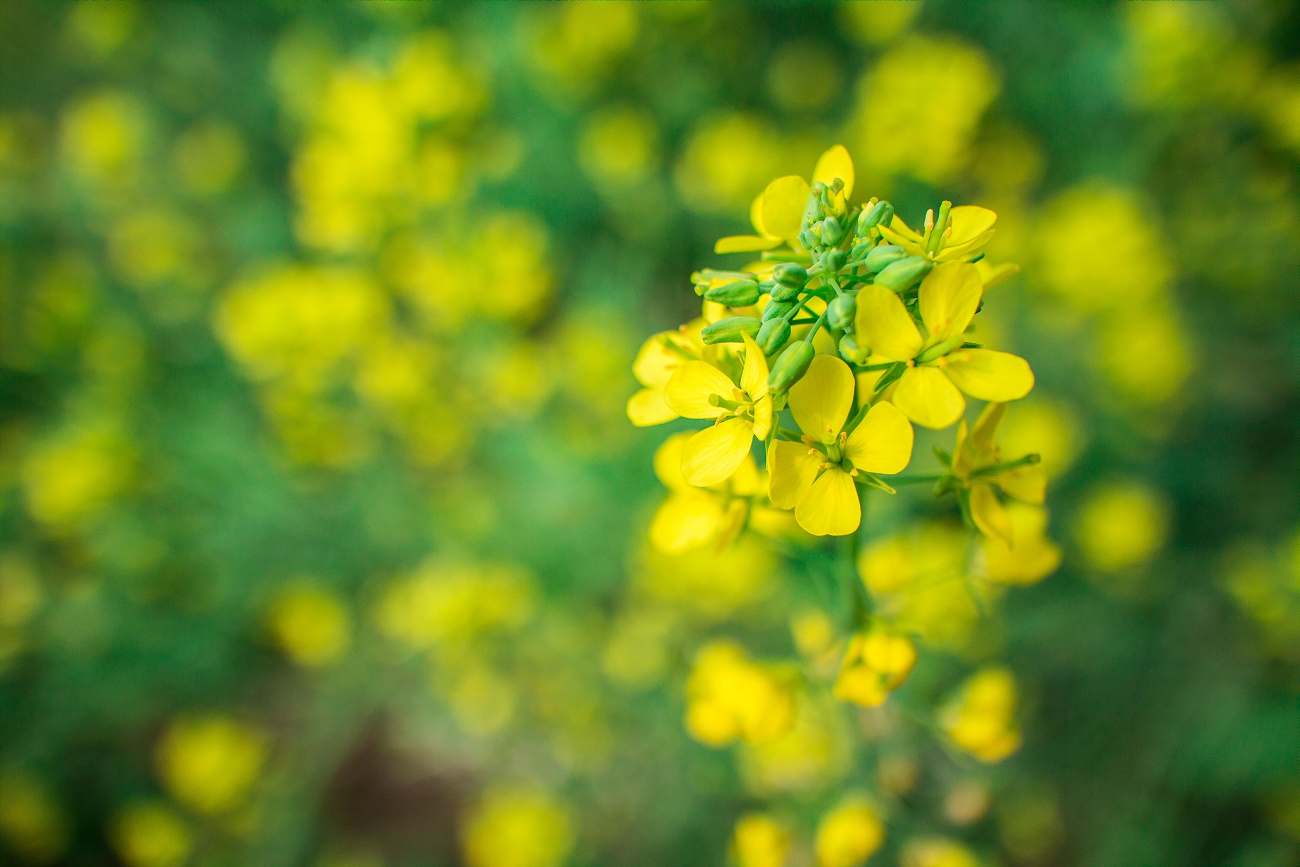
- Cruciferous vegetables: improve soil quality and are suitable for acidic soils. These include white mustard, rapeseed, arugula, and others.
There are also other green manure crops: buckwheat, mallow, flax, amaranth, and many others. Each of these improves the soil's properties.
How green manure affects different soil types
Different green manures have different effects on the same soil types:
- Legume green manures loosen the soil and saturate it with nitrogen.
- Cereals deacidify the soil and increase the concentration of potassium and nitrogen.
- Cruciferous plants aerate the soil.
- Buckwheat increases the concentration of potassium and phosphorus.
- Amaranths increase the concentration of nitrogen compounds.
What diseases and pests do green manure crops combat?
Most green manures combat pathogenic bacteria and repel pests. Before planting a green manure crop, it's important to determine which insects and diseases it controls:
- Flax drives out the Colorado potato beetle.
- Rye is effective against nematodes.
- Mustard eliminates pathogenic microorganisms.
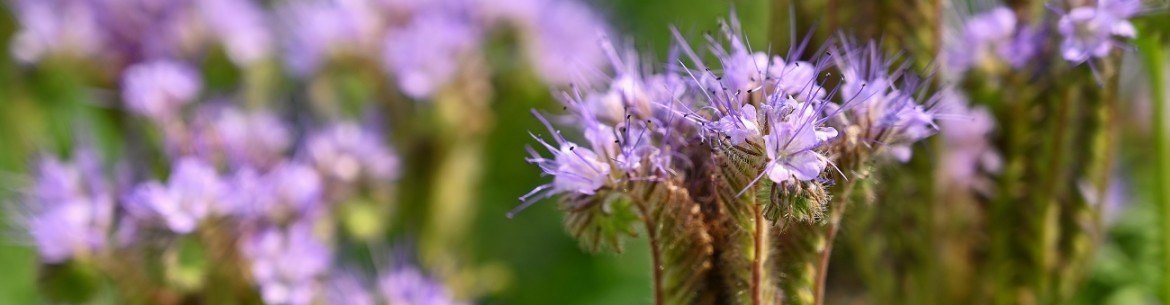
- Phacelia prevents fungal infection.
- Lupine prevents rot and repels nematodes.
- Alfalfa drives out pests and weeds.
Properties and timing of planting green manure crops
Below we will look at the properties of specific green manure plants and provide planting times.
Clover
Clover has the following properties:
- Saturation of the soil with organic matter, nitrogen and other mineral substances.
- Protection of soil from weathering and erosion.
- Loosening the soil, making it light and rich in oxygen and moisture.
- Promoting the formation of useful humus.
Sowing is done in March-April.
Oats
The properties of oats are as follows:
- enrichment of soil with organic matter, phosphorus and potassium;
- restoration of soil fertility;
- antibacterial action, protecting the plant from rot and fungus.
Planting from mid-April to early September.
Mustard
Mustard has the following properties:
- Fight against scab and rot.
- Protection against nematodes.
- Saturation of the soil with mineral substances.
Planting from spring to autumn.
Phacelia
Phacelia has the following effects on the soil:
- loosening dense soil and strengthening dense ground;
- reducing soil acidity;
- suppression of the growth of dangerous bacteria and fungi;
- repelling harmful insects.
Planting is carried out from late spring to autumn.
Lupine
Properties of lupine:
- absorption of nitrogen from deep soil layers and its release to the upper layers;
- saturation of soil with phosphorus;
- control of nematodes.
This green manure is sown in early May.
When and where to sow green manure
Green manure crops can be planted throughout the growing season: before the main crop is planted, as well as after harvesting.
During the summer season, green manure plants are planted in those areas of the plot that are not used for growing main crops in the current year.
In the fall, green manure crops are grown after all vegetable crops have been harvested. Mustard, rapeseed, and rye are typically sown at this time. Sowing green manure crops before winter offers several advantages:
- frees up time for sowing early garden crops;
- Green manure crops sown in the fall remain in the soil for a longer period, so their roots loosen and saturate the soil better.
Green manure crops provide excellent protection for young seedlings from frost and strong sunlight. To sow green manure in the spring, it's important to prepare the soil in the fall. This is done by tilling the soil and adding fertilizer. Sowing should be done immediately after the snow melts.
Which green manures are suitable for which crops?
Each plant is best suited to a specific set of green manure crops. Therefore, before planting green manure crops, it's important to familiarize yourself with their properties.
For cucumbers
When choosing the best green manure for cucumbers, it's important to consider that cucumbers' roots don't go deep, but rather grow close to the soil surface. Therefore, to ensure the plant receives adequate nutrition, it needs magnesium, nitrogen, phosphorus, and calcium.
Legumes, cereals and cruciferous vegetables are ideal for this.
For potatoes
Potatoes are often susceptible to diseases and pests. To provide this crop with nitrogen and potassium, it's worth planting legumes nearby. Cruciferous vegetables can help control pests.
The best neighbors for potatoes will also be clover, mustard, flax, radish, and phacelia.
For tomatoes
For tomatoes, the best soil type is loose, mineral-rich soil. Therefore, phacelia is the best green manure for nightshades. It will quickly prevent weed growth. You can also plant cereals and cruciferous vegetables.
You shouldn't plant thorn apple or nightshade near tomatoes.
For cabbage
Rich nutrition is essential for cabbage. Green manure plants should be chosen that will enrich the soil with humus and minerals. Clover, sweet clover, or alfalfa are good choices for this purpose. Lupine is an excellent control for wireworms, to which cabbage is particularly vulnerable.
When and how to harvest green manure
Once the green manure plants reach a height of 20–30 cm, they are mowed. This can be done with a hoe or trimmer. In the spring, excellent organic matter will be obtained.