How to prune fruit trees correctly: detailed instructions
Proper care of fruit trees promotes proper crown formation, plant growth and development, and, of course, increased fruit production. A crucial step in the care process is timely pruning, carried out according to the proper procedures. A general principle to follow is to prune plants when they are dormant and the flow of sap is as slow as possible. Otherwise, the trees will simply bleed, and the cuts will heal too slowly, weakening the plant and possibly even leading to its death.
Content
When to prune
The time for pruning garden trees can vary depending on their growing location, species, variety, soil composition, climate, and the type of pruning. It's worth noting that proper preparation for fruiting can significantly increase the yield of crops such as: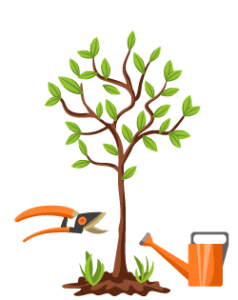
- cherries;
- apple trees;
- pears;
- cherries;
- plums;
- apricots;
- plums;
- and even peaches.
Fall pruning is not recommended in central Russia and northern regions, as frost can prevent tree wounds from healing. Furthermore, slowing sap flow will exacerbate the problem, and after such pruning, the plant may become diseased and die.
Early spring
The optimal time for pruning in these areas is early spring, when temperatures remain above freezing. Old trees, where bud swelling occurs much faster than younger trees, should be treated first. However, the procedure should be completed before this period.
Summer
Summer is the worst time to prune fruit trees. Gardeners believe that in summer, you can trim or pinch new shoots and remove suckers, but leave large branches alone.
The appearance of water sprouts is due to the need to renew the tree organism after damage or as a result of improper watering.
Since tops do more harm than good, they are usually cut out.
Autumn
Autumn pruning can be performed in warm climates and only after the leaves have fallen. However, many gardeners limit themselves to removing dead branches and weak shoots, leaving crown shaping and rejuvenation until spring. Autumn is also unsuitable for colder climates, as branch removal reduces the winter hardiness of fruit crops.
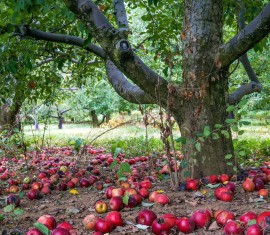
In late autumn, unfallen leaves and remaining fruits are removed, as they provide an ideal place for pests to overwinter.
Winter pruning to rejuvenate old trees and properly shape the crown of young plants is done in the south of Russia, where frosts are much milder than in the northern and central regions.
It's worth keeping in mind that the fruiting of young trees will be artificially reduced, as they require strengthening and rest. It's highly undesirable to allow older trees to bear fruit annually.
An excessively abundant harvest will inevitably lead to branch breakage, so it's recommended to remove excess branches and knots in winter. Considering that pome fruits germinate before stone fruits, pruning should begin with them.
Types of pruning
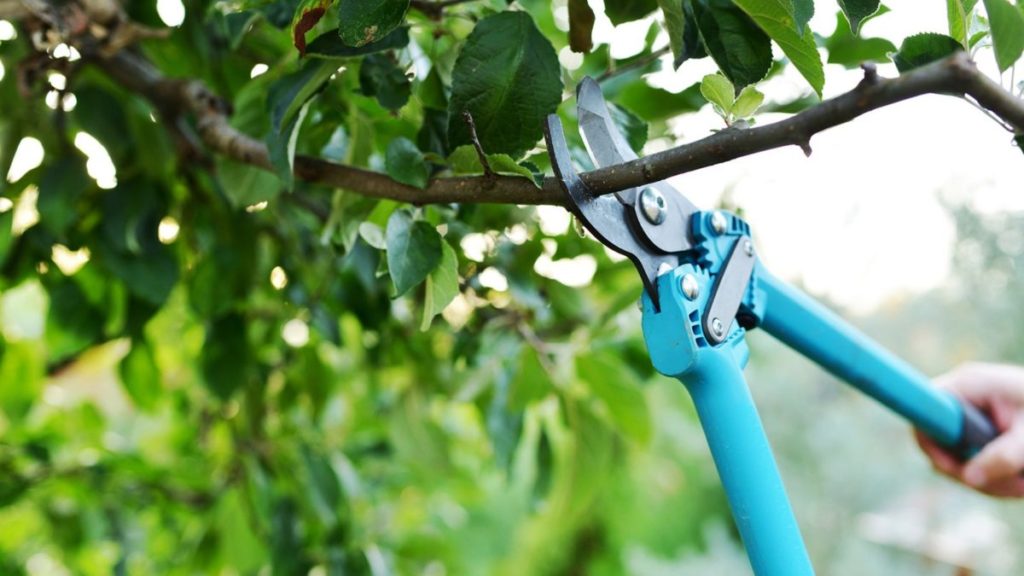
There are several types of fruit tree pruning. Procedures are categorized based on their purpose, so it's important to understand each one. The main types of pruning are:
- Formative. Allows you to shape the crown and give the plant a decorative appearance. It promotes optimal nutrient distribution, strengthens young shoots, and improves fruiting. This is done before the plant reaches 4–5 years of age.
- Sanitary. This involves removing dry, weak shoots, damaged and diseased branches, and those growing inward. This type of pruning can be performed at any time of year.
- Regulatory. It is used to limit the crown's size, reduce plant growth, prevent dense growth, and thin out fruit buds. This maintenance pruning directs the plant's resources toward the development of new cells and the formation of larger fruits. At the same time, the tree maintains its ability to bear fruit annually. Regulatory pruning is most effective during the first three years of the plant's life.
- Rejuvenating. It is used on mature trees (three years or older) to stimulate new growth and restore fruiting. It involves removing old branches and shortening branches with significant growth over the past year. Rejuvenation pruning is performed every four years.
All types of pruning are aimed at processes that increase yield, fruit quality and maintain the health of the tree.
Inventory for work
For pruning branches, use specialized gardening tools, which must be well sharpened and disinfected. This preparation helps prevent injury, disease, and plant death.
Garden saw
Choose a tool with a comfortable handle, a good sharpening, and made of durable stainless steel. The blade of a garden saw should ensure a perfectly smooth cut and prevent sawdust from getting in and knotting.
Secateurs
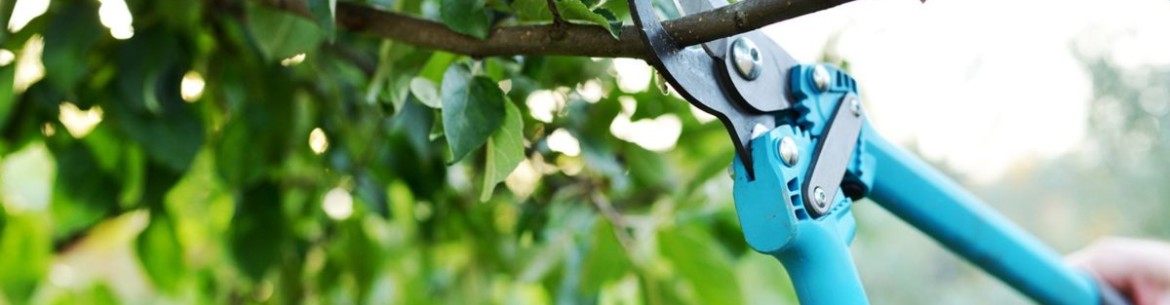
Professional pruning shears can be used for pruning young trees and cutting branches up to 2.5 cm in diameter. The tool allows for removing branches at the base without leaving stumps, and also allows for easy transition to lateral branching. When pruning, it is recommended to point the blade of the pruning shears toward the branch being shortened.
Garden knife
A garden knife is designed for shaping and trimming tree crowns. It features a hooked handle and a curved blade with a cutting edge on the inner arc. The blade's unique shape allows for easy penetration into the wood and ensures precise control when making cuts.
Tree pruning rules
Pruning fruit trees is a necessary procedure to maintain healthy growth and ensure adequate sunlight. While each tree requires a unique approach, there are some general guidelines to follow.
General pruning rules:
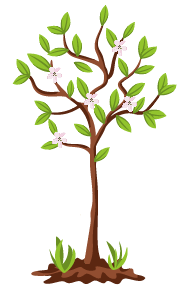
- To significantly extend the life of a tree while ensuring stable fruiting, pruning should be carried out regularly, at least once a year.
- It is always recommended to start with a sanitary cut.
- Branches are cut to the outer bud or to the ring and in no case in a spontaneously chosen place.
- Fresh cuts must be treated with garden pitch or another similar compound.
- No more than one-quarter of the living branches should be removed during the season, otherwise the tree will weaken and begin to get sick.
- It is better to remove a large branch than several small ones, but small wounds heal faster.
- Avoid pruning two large branches if they are too close together. If necessary, shorten one branch and cut the other to a ring and remove it after a year.
Gardening tools should not be used without disinfection. Ideally, they should be disinfected after each cut.
How to prune young trees
Young trees are pruned to shape the crown, ensuring that scaffold branches form from the buds beneath the cut. It is unacceptable to leave forks with angles less than 45 degrees, which are considered sharp, as such branches will break under the weight of the fruit.
Parallel trunks should be avoided, as they interfere with the even filling of the crown and shade each other. Branches growing inward should also be pruned—this will ensure sunlight reaches every branch and prevent disease in young fruit trees.
The tree's height should be regulated by pruning branches that exceed the desired limit.
How to prune mature trees
Mature trees, unlike young ones, undergo rejuvenating and sanitizing treatments, including cutting out and covering any damaged areas and performing regular pruning to prevent the crown from becoming too dense. It is prohibited to prune more than 30% of the crown in a single season.
Which branches must be cut?
Dry, diseased, and unwanted branches must be removed, and overly tall crowns and old, large branches must be trimmed. Broken and diseased branches can be infested by fungi, bark beetles, and other pests.
The following branches are removed:
- posing a danger to people and their property;
- the weaker of the two growing nearby;
- downward-facing shoots that grow at an obtuse angle to the trunk;
- forming an acute angle with the trunk, since they are areas where complex fractures appear;
- trailing, intertwining, interfering with each other's development and directed inwards towards the crown;
- shoots located below the graft and root shoots.
How to treat the cut area
To treat fresh cuts, you can use garden varnish or a specialized, identical alternative. Oil paint made with drying oil is also suitable for this purpose. If necessary, post-pruning pastes can be found at any tree pruning store or made at home.