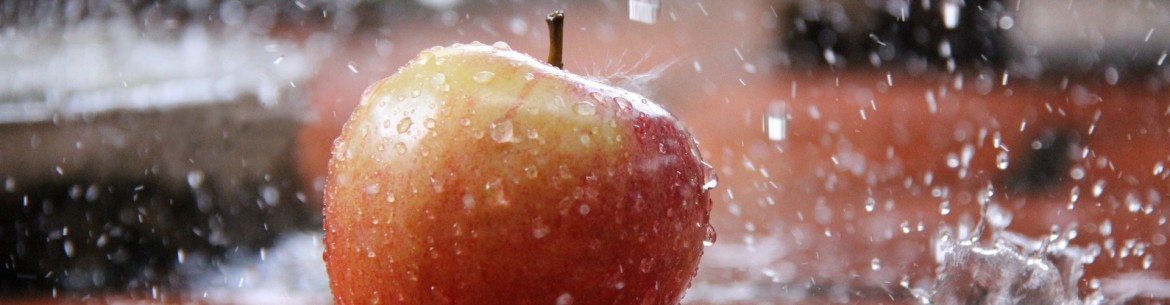
Why you should soak apples in baking soda: the secrets to delicious jam
Everyone has a never-ending supply of baking soda at home. But not everyone knows its wide range of uses, using it only for washing dishes or adding it to dough. But it has many other useful properties. For example, it can tenderize even the toughest meat. It also helps speed up the cooking process of legumes, removes any unpleasant odors, and helps omelets become fluffy and airy. And there's much more, but today we'll look specifically at using baking soda in jam and soaking apples in a baking soda solution.
Why do apples need soda?
There are countless recipes online that contain baking soda, but few people know why it's needed. So, why is it added? It helps reduce the acidity of berries without adding a ton of sugar. It can also solve the problem of hard skins on berries and fruits. And don't forget that it can eliminate unpleasant bitterness. So, why do people soak apples in a baking soda solution? Soaking in this solution can help firm up the apples and maintain their shape, preventing them from falling apart during cooking.
Today we'll look at five reasons why people use baking soda and soak apples in it when making jam:
- To make jam tasty, appealing to every child, and to make it last longer, a lot of sugar is often added. This is especially true if the berries or fruits are sour. This can make the jam either too sweet or too sour—it's hard to tell. To avoid this, you can add a little baking soda or soak the fruit in it. Sodium bicarbonate counteracts the bitterness and acidity of the fruit without altering the flavor of the jam.
- For jam to be tasty and appealing, fruit pieces should remain. However, when cooked, apples tend to soften and lose their shape. To avoid this, simply soak the apples in the baking soda solution for about five minutes. This will help the apples in your jam retain their shape. Using the apple variety "AntonovkaLet's consider this point. These apples have rather loose flesh. It also easily becomes mushy when cooked. As we discussed earlier, this should be avoided for attractiveness. A baking soda solution can help preserve the apples' original shape. Soak them in the solution for 5 minutes before blanching. We can also suggest the following proportions: a teaspoon of baking soda per 1 liter of water is sufficient. If you want to make syrup, the proportions remain the same. Then simply pour the resulting baking soda solution over the apples and prepare the syrup. Soaking the apples in the baking soda for at least 20 minutes is sufficient.
- If your jam does ferment, you can use re-boiling. This method removes the unpleasant taste and prevents re-fermentation. When re-boiling, add half a teaspoon of baking soda per kilogram of jam.
- If you want to disinfect apples and remove any pesticides that may be on the peel, soak them in a baking soda solution. Five minutes is also sufficient.
- Baking soda will also help your syrup become clear and golden in color.
It's worth noting that soaking apples in a baking soda solution doesn't change their flavor. The same applies to adding baking soda to jam. The baking soda reacts with the apples' acidity and neutralizes it.
By soaking apples for longer, you can achieve another goal: removing all nitrates from the fruit.
What conclusion can we draw?
Baking soda is a versatile product. Many recipes involving any fruit would be impossible without it. The golden color of jam in a jar is also achieved by using sodium bicarbonate. It prevents apples, pears, and other fruits from turning brown. A baking soda solution also helps preserve their shape during cooking. It's worth noting that without a baking soda solution, preserves and jellies made with whole fruits simply won't turn out tasty and appealing.