How to Properly Plan a Garden and Vegetable Garden: A List of Important Rules
A garden and vegetable patch are two wonderful elements of a homestead, and they can be a source of pride for any gardener. However, to achieve the best results from their combination, many factors must be considered.
Content
- What is the best way to combine a garden and a vegetable garden?
- Soil requirements
- What is crop rotation and how to organize it?
- Choosing a location for a vegetable garden
- How to properly make garden beds
- We place greenhouses and hotbeds
- Zoning when planning garden and berry plantings
- Features of garden planning
- Organization of watering
- Determining planting dates
- How to care for a garden and vegetable patch
What is the best way to combine a garden and a vegetable garden?
The first step to creating the perfect garden and vegetable garden combination is determining what plants you want to grow. Some crops can interact with each other, while others may compete for resources.
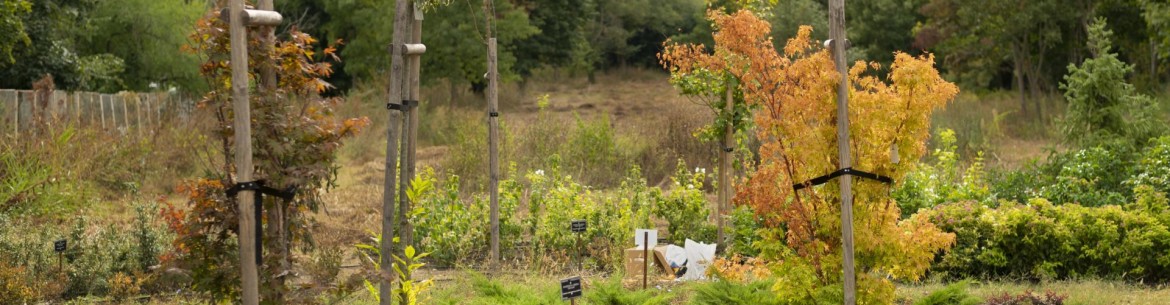
One of the main methods for successfully combining a garden and vegetable plot is the use of companion planting. This method involves planting several plant species next to each other so that they can benefit from each other's benefits. Furthermore, a garden can provide an excellent source of shade for the vegetable plot during hot weather. By planting trees, you not only provide additional protection for your plants but also give the plot a unique and attractive appearance.
Soil requirements
 Good soil is the foundation for a successful garden. Different plants may require different soil compositions. The optimal soil for most crops is light, fertile, well-drained soil with sufficient organic matter.
The nutrient content of the soil must be taken into account. Plants require various chemical compounds such as nitrogen, phosphorus, potassium and microelements.To ensure sufficient nutrients in the soil, you can use organic fertilizers such as compost or humus.
With the right approach and consideration of all necessary factors, you can create optimal conditions for the growth and development of plants that will delight you with their fruits and beauty.
What is crop rotation and how to organize it?
Crop rotation is a system of growing plants in which different crops are grown on the same plot of land each year. This allows not only maintain soil fertility, but also prevent the development of pests and diseases, which can accumulate in the soil when the same crops are grown repeatedly.
One common crop rotation system is the four-field system, in which the land is divided into four sections, and each year, crops from different groups are grown on one section. Crop groups can be determined based on their nutrient needs, root types, pollination mechanisms, and other factors.
Organizing proper crop rotation will not only help you get a higher yield, but also maintain soil fertility for many years.
Choosing a location for a vegetable garden
First, you need to decide on a location for your vegetable garden. It should be in an area with good access to sunlight. Plants need sunlight for photosynthesis, so they should receive at least 6-8 hours of sunlight per day. Avoid choosing a location in the shade of trees or buildings, which could obscure the area and deprive the plants of the necessary light. The garden should also be protected from the wind.
You should also pay attention to soil moisture. The garden should be located in a site with good drainage to avoid waterlogging and flooding of plant roots. For irrigation, it's best to have a running water supply or stream nearby.
How to properly make garden beds
Garden beds are a key element of any vegetable garden. They allow for growing a large number of plants in a limited space, provide easy access for plant maintenance, and create an aesthetically pleasing appearance. When creating garden beds, several factors must be considered, including size, shape, and style.
Dimensions
 When choosing the size of the beds, it is necessary to take into account the characteristics of the place where the garden will be located.
- If space is limited, garden beds should be compact and space-efficient. In this case, vertical structures such as soil pockets or vertical garden beds are best. This will significantly save space and produce more in a limited space.
- If the plot is large, the beds can be long and wide; they will allow you to grow a large number of plants and provide easy access for watering and maintenance.
However, the size of the beds should be chosen not only based on the size of the plot but also on the characteristics of the plants to be grown. Different crops have different requirements for nutrients, moisture, and light. For example, root vegetables and shrubs require a deeper soil layer than onions and greens. Therefore, when growing different crops, it's important to consider their needs and select bed sizes that suit them.
Forms
Garden bed shapes are an important aspect when planning a garden. They can come in a variety of shapes: rectangular, round, oval, triangular, and so on. Each shape has its own advantages and disadvantages, which should be considered when choosing.
- Rectangular beds are the most common. They are easy to place on a plot and allow for maximum space efficiency. Rectangular beds are easy to maintain and install a watering and irrigation system.
- Oval or round beds also have their advantages. They look aesthetically pleasing and fit well into landscape design. This shape allows for more natural airflow and better light distribution, allowing plants to grow and thrive.
- Triangular beds are not as common, but they can be useful in cases where you need to make the most of the space and fit as many plants as possible into the garden.
You can use combinations of different bed shapes to create an interesting and unique garden design.
Style
The style of the garden beds is an equally important factor to consider when planning a garden. It can affect not only the visual appearance of the plot but also the efficiency of crop cultivation.
- The traditional garden bed style features straight rows of plants separated by clear lines. This style is most common in formal gardens and organic farming. It's ideal for those who value simplicity and order and want to manage their garden in a traditional style.
- Contemporary garden beds, on the other hand, embrace a more open-ended approach to plant placement. They feature original shapes and unconventional solutions, making them more aesthetically pleasing and contemporary.
- Eclectic garden bed style combines elements of traditional and contemporary styles. It offers a mix of materials, shapes, and colors, making it extremely flexible and adaptable to a variety of conditions.
We place greenhouses and hotbeds
Greenhouses and hotbeds allow you to grow plants year-round. When choosing their location, several factors must be considered:
- The choice of location for installing a greenhouse or hothouse should be based on the possibility of connecting to a water supply network or the availability of a nearby water source for regular watering.
- Plants in a greenhouse or hotbed require sufficient light for normal growth and development. This should be taken into account when choosing a location for the greenhouse.
- Wind can have a negative impact on plants, especially young ones. To protect them from the wind, greenhouses can be placed against the walls of buildings or fences.
Zoning when planning garden and berry plantings
When planning a garden and berry planting, zoning is a key element in creating a beautiful and functional space. It allows you to divide the garden into different zones, each with its own unique function and purpose. This division creates optimal growing conditions for each type of plant and also makes their maintenance easier.
Plants
Plants with different needs should be divided into separate zones to provide them with optimal conditions for growth and development. Some plants can help others thrive by protecting them from pests or improving the soil. For example, you could have a separate zone for vegetables and herbs, a zone for fruit trees, a zone for flowers, and so on.
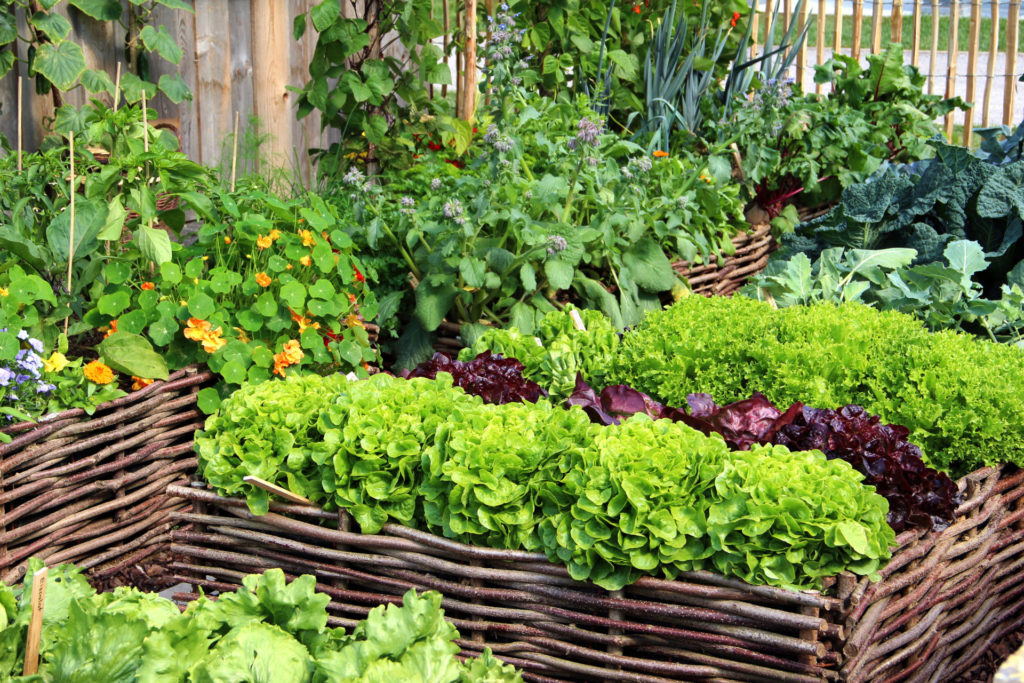
Colors
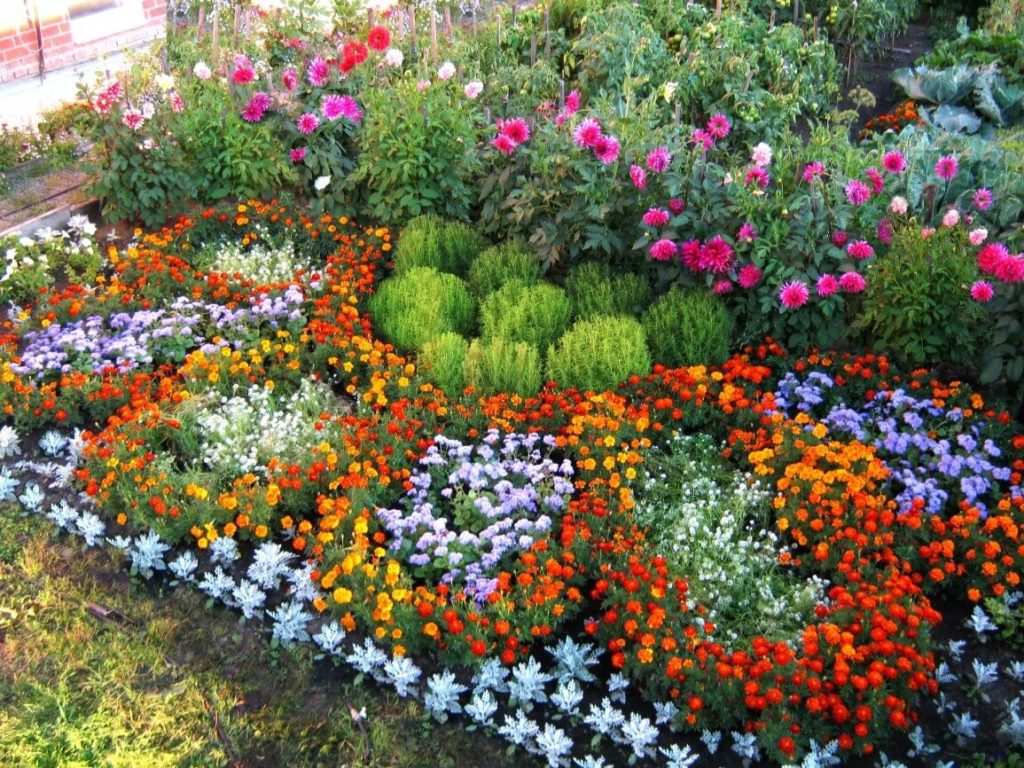
Zoning by color is one of the most popular and effective ways to organize space in a garden. It involves dividing the space into zones, each highlighted by a specific plant color.
This approach allows you to create a beautiful and harmonious design, in which each zone has its own unique appearance and differs from its neighbors.
Paths
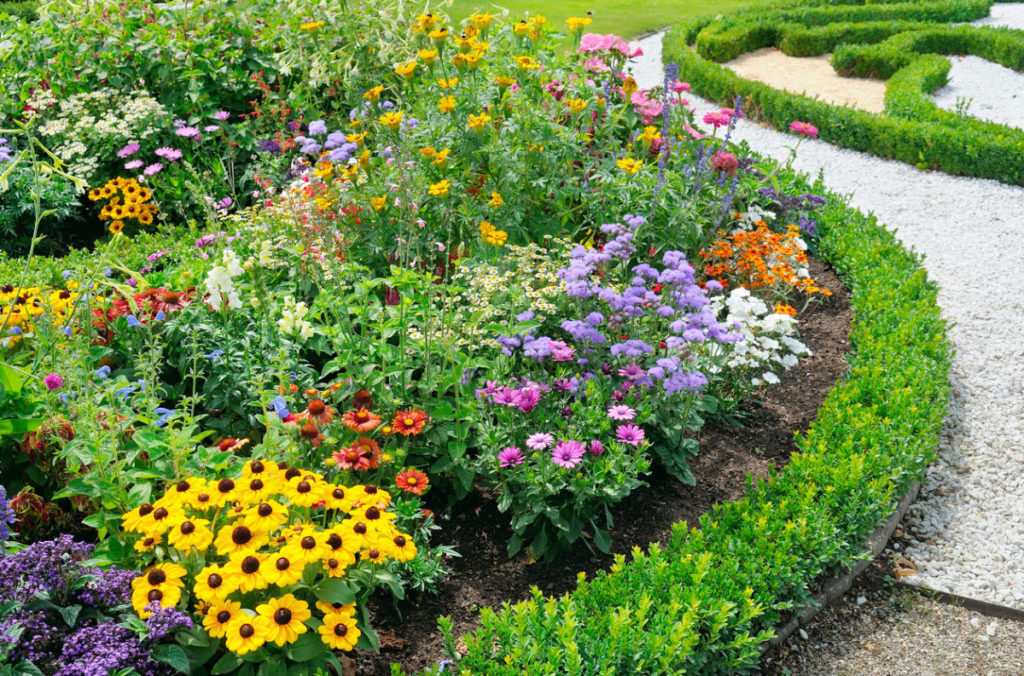
Zoning a garden using paths is one of the most effective ways to organize a property. It allows you to divide the space into distinct zones with different functional purposes, significantly simplifying maintenance and making it more functional and user-friendly.
The main idea is that paths not only perform a decorative function, but are also the main element that determines the arrangement of zones on the site.
Height
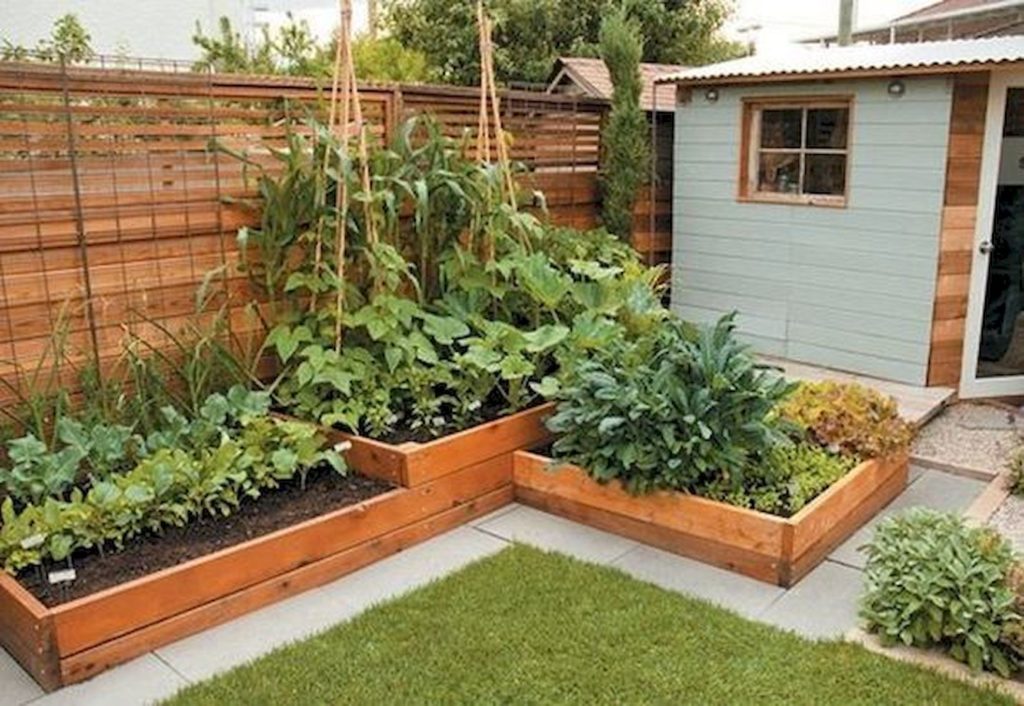
Another zoning technique is dividing the beds by height. Tall plants, such as tomatoes or beans, can be grown in the back of the bed, while short plants, such as carrots or lettuce, can be grown in the front. This approach optimizes space and light distribution, making plant maintenance easier.
Plant placement schemes in garden beds
There are several different plant placement schemes in garden beds, each of which has its own advantages and disadvantages.
- "Scallop" A layout in which plants are placed along the bed, on both sides. This layout is well suited for growing crops that don't require much space, such as radishes or onions.
- "Square foot" or "square meter", where the garden bed is divided into squares, each designated for a specific plant species. This layout is especially convenient for growing vegetables and herbs in limited space.
- Companion Planting, in which plants interact with each other to improve growing conditions and protect each other from pests and diseases.
Features of garden planning
The most important step in planning a garden is choosing a planting site. Most fruit trees require plenty of light and sufficient root space. Therefore, choose a location where the tree will receive adequate sunlight throughout the day and will not be obscured by other plants.
It's also important to consider the site's microclimate. Some fruit trees, such as peaches and apricots, cannot tolerate prolonged cold, while others, such as apples and pears, can easily tolerate low temperatures. Make sure the chosen site is suitable for the specific tree species.
Organization of watering
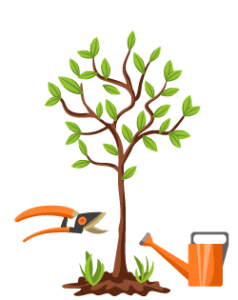 Properly organized watering allows you to provide plants with the necessary amount of water for their health and growth, and also contributes to higher yields.
There are several irrigation methods: drip, surface, underground, etc. Each method has its own advantages and disadvantages, so it is important to choose the most suitable one for a particular situation.
It's important to determine the frequency and duration of watering. This depends on many factors, such as plant type, soil type, weather conditions, etc. It's important to remember that under-watering can negatively impact plants, but over-watering can also lead to oversaturation of the root system and crop damage.
Determining planting dates
Mistakes in planting timing can lead to crop failure, plant diseases, and overall poor health. Several approaches can be used to determine planting timing:
- Determining the last frost date for a specific region. The date of the last frost is an important indicator, since many plants cannot withstand low temperatures and can be killed by frost.
- Determining the date based on the average soil temperature in spring. Soil temperature is very important for the beginning of sowing seeds, because if the temperature is insufficient, the plants will not begin to germinate and may rot.
- Determining the date using the lunar calendar, which indicates the optimal dates for planting certain crops depending on the phase of the moon.
Regardless of the approach chosen, it is important to remember that planting times may vary depending on the year and climate conditions.
How to care for a garden and vegetable patch
 The first thing to consider when caring for your garden is proper watering. Plants need sufficient water to survive and grow.
- The second important aspect of gardening is removing weeds and dead leaves. Weeds can compete with plants for nutrients and moisture, resulting in reduced yields.
- The third aspect of gardening and vegetable gardening is proper fertilization. Plants need nutrients to grow and develop.
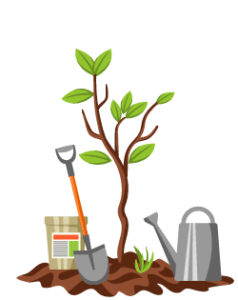 The first thing to consider when caring for your garden is proper watering. Plants need sufficient water to survive and grow.
Also, don't forget about proper pruning and shaping of plants. Pruning allows you to manage plant growth and shape them into the desired form, which can be especially important for fruit trees.
In general, gardening and vegetable gardening require patience, perseverance, and skill. However, by following basic plant care guidelines, you can reap a bountiful harvest and enjoy the beauty of your plot.