What to do with rotten apples in the garden: can they be used and where to throw them away?
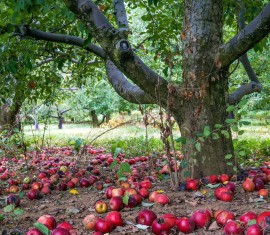
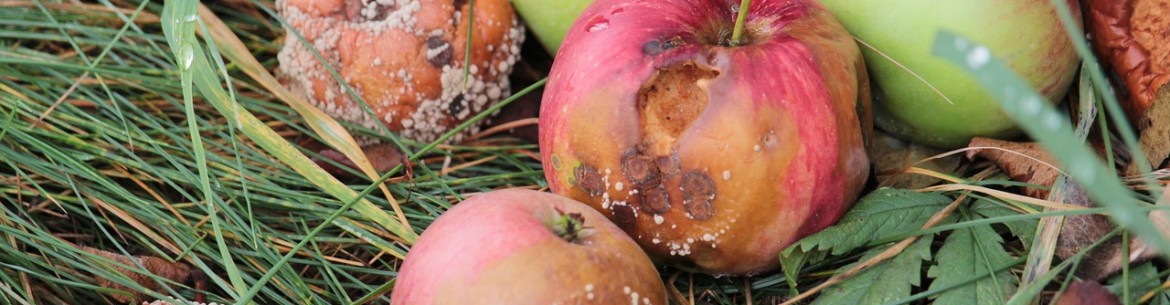
Autumn is the busiest time of year for gardeners. It's the time for harvesting, processing, and preparing for storage. But sometimes, crops produce such a bountiful harvest during the season that there's simply nowhere to put it. This problem is especially common among owners of orchards. As a result, the fruit simply falls from the trees and rots on the ground. Such wastefulness is unacceptable for a savvy gardener, so it's worth finding a use for the excess. For example, turning it into nutritious fertilizer for your plot. Many experienced gardeners do this with apples.
Content
Where to put rotten apples
Using apples as fertilizer not only helps increase the yield of other crops planted in the area but also helps improve the soil. These fruits rot quite quickly in the soil, so within a year there won't be a trace of them left.
However, if a fruit tree has been diseased or attacked by pests, fallen apples should not be used as fertilizer. All fallen fruit should be collected and removed from the site to prevent contamination of healthy plants.
Can you put rotten apples in compost?
 Fallen apples are perfectly suitable for adding to a compost pile. However, there are some nuances. For example, to obtain a more nutritious fertilizer, don't use only fallen apples. Collect them for compost along with grass clippings, leaves, tops, etc.
Fruits that have been regularly treated with pesticides within the last 2-3 months should not be used as a fertilizer component or as a separate dressing. It's best to avoid using them altogether (or wait at least a year).
To prepare the compost mixture, you should take a deep plastic container, a wooden box, or simply dig a hole at the far end of your garden plot.
The easiest way to make compost from apples:
- place a layer of straw or small branches on the bottom of the dug hole or a suitable container;
- chop the apples with a small hatchet or simply cut them with a knife;
- Place the sliced apples in layers on top and sprinkle everything with soil;
- cover the mixture with plastic wrap to prevent moisture loss;
- Stir the contents of the container periodically and water if necessary.
Preparing this fertilizer will take on average 3-4 months. If you want to speed up the process a little, add special accelerators to the fertilizer container, such as "Baikal EM," "Siyanie," etc.
Be sure to add grass clippings, weeds, tops, fallen leaves, and other plant waste to your compost pile, in addition to apples, to make the fertilizer even more nutritious and rich in nitrogen compounds. Straw residues, tree bark, and paper are also good for compost. These components, when exposed to water, air, and heat, accelerate the decomposition of organic compounds.
Can I bury it in the garden beds?
Some gardeners believe that taking the easy way out isn't worth it. So, they prefer to build a raised bed. The essence of this method for recycling fallen apples is simple: first, an artificial mound of soil is created, and then a layer of organic fertilizer is laid on top.
The raised bed method allows the roots of future plants to immediately reach a favorable and nutritious environment. As a result, the plants grow much better and faster, yield a bountiful harvest, and the gardener becomes even happier than before.
How to build a raised bed yourself:
- In the place where you plan to plant crops in the future, you should make a trench (but not too deep).
- Apples are placed in such a trench, and manure is placed on top. However, keep in mind that the manure must be well-rotted so that the finished bed can be used the following season.
- The organic matter is covered with soil so that a mound of the required height is formed.
Is it possible to bury rotten apples in the ground?
In principle, fallen apples can be buried in the ground. You can make a raised bed out of them, as described in the previous section, or you can use them as a dry soil fertilizer:
- Collect all fallen fruits and sort them (remove all damaged, diseased fruits, fruits with traces of mold).
- After this, all organic matter is crushed.
- The resulting substrate is applied to the berry plantings and around the tree trunks. Be sure to cover the entire area with soil. You can also add a small amount of manure and dried leaves.
- You should also sprinkle this fertilizer on top of urea to prevent the development of various fungi and other pathogenic microflora.
Can I leave it in the garden?
This isn't as straightforward as the previous methods. Simply leaving fallen apples to rot in your garden plot isn't an option.
As mentioned above, damaged or diseased fruit (from diseased trees) should not be used as fertilizer or as a fertilizer component. If the plantings have been affected by a fungal, viral, or bacterial infection (even a mild one), the fruit may become a source of infection for healthy plants. Furthermore, they may contain the larvae of harmful insects, which, if they grow, can become a headache for the gardener.
So you can't just leave apples to rot on the plot; you should collect them and then take them away from the garden so that the infection doesn't spread throughout the garden.
However, rotted samples can be used as a component in, for example, compost mixtures. Pathogenic microorganisms that form during the decomposition of organic matter are destroyed by the high temperatures prevailing in a compost heap or pit. Therefore, there is no need to worry about harmful microorganisms surviving the decomposition process in compost.
What to do with rotten apples in the garden
 Windfall apples are an excellent fertilizer for other crops grown in the garden. Berry bushes (such as raspberries and strawberries) will especially appreciate this fertilizer.
You can make a compost mixture from apples, adding plant residues, straw, food scraps, and manure. Some gardeners successfully create raised beds from fallen apples and manure (though this is more of a reserve for future plantings). Digging in the fallen apples while they're dry, along with the topsoil, is also acceptable.
If you plan to plant tomatoes, pumpkins, squash, or cucumbers in the future, then during the fall, add a compost mixture made from fallen fruits to the soil and suitable mineral fertilizers (such as superphosphate and potassium sulfate). This will significantly increase the yield of your future crops.
The chemical composition of apple fertilizer is ideal for almost any plant crop (especially those dependent on potassium). To make this volunteer-based fertilizer even more effective, add ash to the compost to reduce the acidity of the apples.
Direct feeding
Windfall apples contain a wealth of nutrients that, once in the soil, are processed and provide significant benefits to plants. The delicate apple pulp rots quickly in the substrate, so just one winter is enough to completely eliminate all traces of fallen fruit. Therefore, surplus fruit can be used as direct fertilizer, simply burying it in the garden or creating a raised bed.
Direct fertilization:
- The day before harvesting the main crop, dig a small trench. Its depth should correspond to the number of fruits you plan to use as fertilizer.
- Fill the resulting trench with organic matter until you start to accumulate fallen fruit.
- The fruits should be laid in even layers and then sprinkled with soil.
- Fallen leaves, branches, and sawdust should be sprinkled on top of the resulting mixture. If this isn't done, flies and wasps will occupy the area within a couple of days.
- Once the harvest is complete and it's clear there will be no more fallen apples, the hole should be filled with substrate (at least 30 cm deep). Beforehand, don't forget to spray the apples with a 7% urea solution. This is to prevent infections from developing in the apple mass.
- Next season, such a raised bed can be used for planting crops.
Compost
Compost fertilizer is perhaps the most popular type of fertilizer available. It has been used for decades. There are many recipes for compost mixes, including one that uses fallen apples:
- Fallen and rotten fruits should be laid out in layers in a pre-dug hole or special container.
- The mixture is sprinkled with a substrate mixed with granulated urea. This mixture will help disinfect the organic matter and speed up the decomposition process.
- You can also add plant residues, straw, ash, manure, food scraps, and weeds to the compost mixture. This will make the fertilizer even more nutritious and effective.
- Cover the entire container or hole with plastic wrap. Be sure to stir the contents of the container or hole periodically and water it as needed.
- If you want to speed up the process, add artificial accelerators.
- The compost bin should be ready by July if you decide to use fallen apples as its contents. This is the month when the first fallen apples from early varieties appear.
Fruits that have been treated with pesticides for 2-3 months should not be used as compost material. It's best to discard such material entirely and dispose of it.
Liquid fertilizer
Another way to add fallen apples to the compost mixture is as a liquid solution. This solution is quite simple to prepare: simply chop the fruit and place it in a large plastic barrel. Then, add water and let it ferment.
Keep in mind that the solution will emit an unpleasant odor during fermentation. So it's best to prepare the solution somewhere remote in the garden.
Step-by-step preparation:
- Fill a suitable plastic barrel one-third to one-half full with rotting fruit scraps (chopped up first for convenience).
- Fill the raw materials with water, leaving about 20 cm empty at the top so that the contents do not spill over the edge during fermentation.
- Place the container in the sun to speed up the process.
- After 14 days, dilute the resulting liquid and water the plants in the garden with it (or add it to compost).
Conclusion
Surplus harvests don't always have to be discarded as unnecessary. They can be used as a nutritious fertilizer for other crops. For example, fallen apples work well as fertilizer. They make a great addition to compost or the basis for a raised garden bed.