How to Ferment Apple Leaves for Tea
Apple tree leaves are a true treasure trove of minerals, essential oils, micro- and macroelements. But how can you maximize the benefits? dry Many people know about herbs for tea, but do you know about fermentation? Let's find out!
Content
Is it necessary to ferment apple tree leaves and why?
Apple leaf is suitable for making decoctions, infusions, and teas. Although it's not as popular as black or green tea, if you learn how to prepare it through fermentation, you'll be surprised by its new flavor. But it's not just the flavor—it has a positive side.
Just 100 grams of apple leaves contain a whopping 400 mg of vitamin C, one of the most important micronutrients that helps a person heal burns and wounds, strengthen gums and capillaries, produce antibodies, and improve calcium absorption in the body.
In addition to vitamin C, the leaves contain phosphorus, manganese, copper, aluminum, zinc, molybdenum, iron, as well as valuable amino acids (saponins, coumarins, phytoncides, flavonoids, aspartic and glutamic acids) and antioxidants (which actively fight cancer cells and premature aging). Added to tea, the leaves are better than pills at helping to combat colds and autumn blues.
What is the difference between fermentation and drying?
Fermented leaves not only last longer but also have a richer aroma and color when brewed. However, there is a downside to this process: the length of fermentation. The process can take several days, unlike drying, which simply requires spreading the leaves out and shaking them occasionally.
Fermented raw materials are much richer in probiotics (healthy bacteria), which have a positive effect on the human immune system and digestive system.
How to ferment apple leaves for tea at home with step-by-step instructions
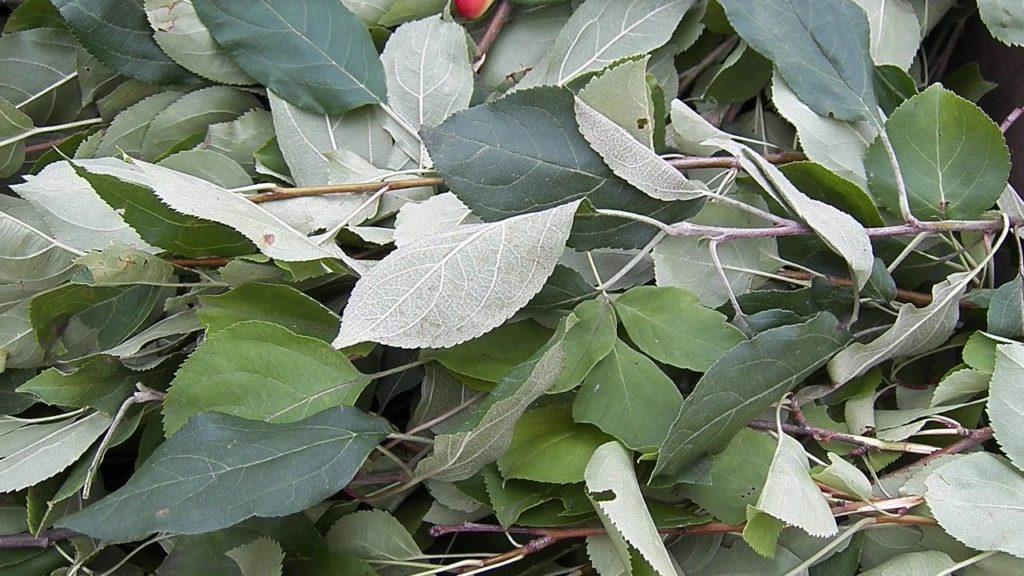
The best time to harvest leaves for fermentation is in the spring: just after the trees have finished blooming and the buds are just beginning to form. At this time, the leaf blades are tender and full of juices. Healthy, undamaged leaves are suitable for processing. Petioles are removed immediately.
How to dry apple tree leaves
- The collected material is laid out on a clean surface, covered with clean gauze or a piece of light cotton cloth and left to dry for several hours (4–6) in the room.
- The leaves are then minced and placed in glass jars or containers coated with a thick layer of enamel. Place them in a warm room or outside (it doesn't matter where, as long as the temperature is between 25 and 27 degrees Celsius).
- If you leave jars outside, cover the holes with gauze to protect from dust and flies.
Fermentation will continue for several days: until the leaves turn from green to golden brown, and the tart aroma changes to honey.
After this, the leaves can be dried either in an electric dryer (at 45 degrees Celsius) or outdoors under a shelter. Turn the leaves periodically.
How to Freeze Apple Leaves
- Clean, dry leaves are poured into a plastic bag, the bag is tied tightly and placed on the windowsill - closer to the sun.
- On night The bag is hidden in the freezer. This is done for 3 days and 2 nights in a row.
- Then the leaves are twisted in a meat grinder and dried on trays.
The finished leaves turn brown, but do not lose their aroma.
How to Store Fermented Apple Leaves
Prepared leaves can be stored for up to a year in a dry, dark place. A suitable container is a glass jar with a tight-fitting lid.
Fermented Apple Leaf Tea Recipe
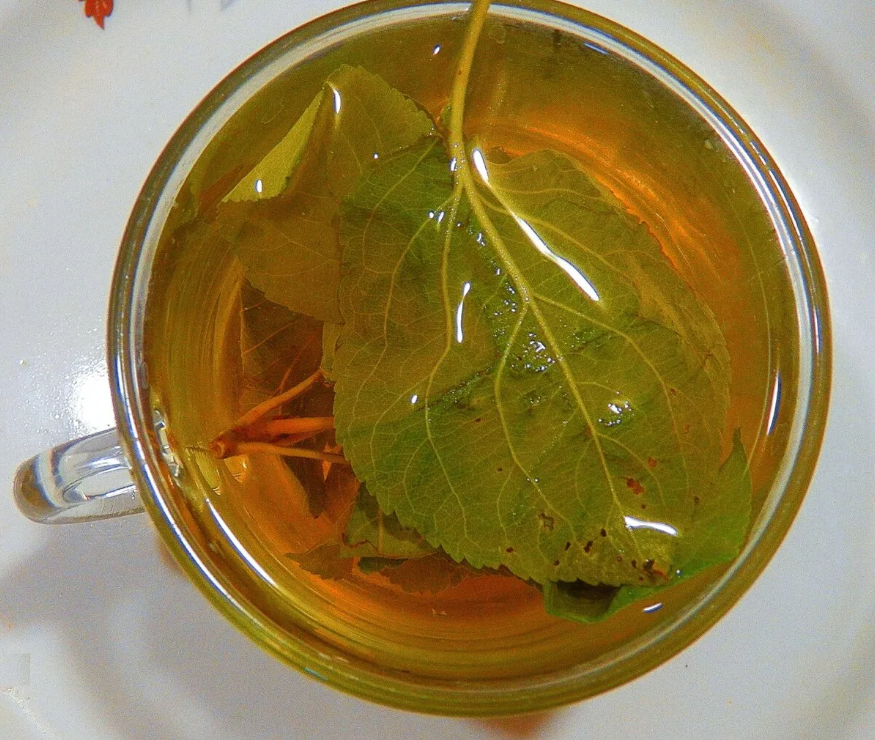
Fermented leaves are brewed in the same way as regular tea. They can be mixed with other dried herbs, berries, and leaves. Here are a few recipes:
- 10 parts strawberry leaves, 4 parts apple leaves, and 2 parts each mint and St. John's wort. Pour boiling water (200 ml) over a large spoon of the mixture and let it steep for 10 minutes.
- Steep one teaspoon of dried mint and two teaspoons of apple leaves in a cup of boiling water and let steep, covered, for 10 minutes. This tea not only quenches thirst but also supports gastrointestinal function and has anti-inflammatory properties.
Mix equal parts apple leaves and dried thyme leaves and steep in boiling water. Regular consumption of this drink helps combat anemia. - Pour two cups of boiling water over a couple of tablespoons of raspberries and the same amount of apple leaves. Let it steep in a thermos for about 6-8 hours. This drink is excellent for colds: it increases sweating, reduces fever, and has a regenerating effect.
People diagnosed with thrombophlebitis, suffering from chronic constipation, and those with increased blood clotting should drink apple leaf tea with caution. The same applies pregnant women and breastfeeding women. It's best to consult a doctor first.
Conclusion
Tea made from fermented apple leaves is much tastier, more aromatic, and more pleasing to the eye than tea made from dried leaves. So, we recommend you take a break from your usual black or green tea and try something new.