Which flowers bloom in autumn: choosing the best species for your garden
In autumn, everything looks gray and unsightly. But that's only true if your garden is devoid of flowers. Yet, there are many plants that only reveal their full bloom in autumn. They can transform a dull garden into a lush palette, making you forget winter is approaching.
Here in the flowerbed, next to luxurious dahlias, nasturtiums stretch their long vines. Rudbeckia, nicknamed "golden ball" for the sunny color of its petals, grows along the fence. Colchicum flowers have emerged from under the first snow. Marigolds, untouched by frost, continue their blooming, which began in May. Chrysanthemums of various colors resemble ready-made bouquets, so densely do their buds and flowers cover the bushes.
And a multitude of annual and perennial flowers have taken root in flowerbeds, borders, and alpine gardens. The list of flowers that bloom in autumn is endless.
Content
Autumn-blooming perennials
Among the perennials there are many popular ones that any gardener knows about.
Asters
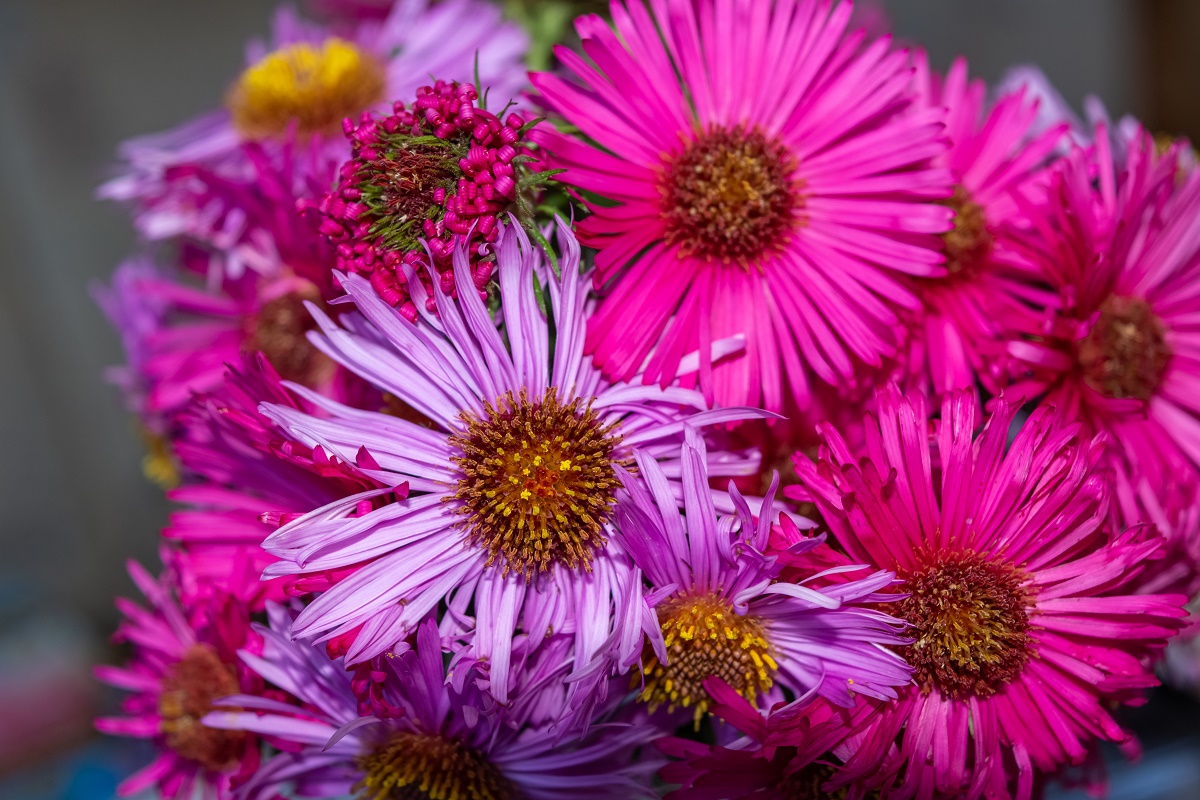
Perennial asters come in a wide variety of colors, including white and lilac, red and crimson, blue and pink. They can brighten any flowerbed until the first snow falls.
Planting and caring for asters
When choosing a planting site for asters, choose sunny spots. The soil should be nutritious and neutral in pH. Before planting, add superphosphate and dolomite flour (if the soil is too acidic). Autumn-blooming asters are planted in the spring.
Caring for asters is simple. It's essential to loosen the soil and remove weeds. During dry periods, water two to three times a week; reduce watering during cloudy weather. Fertilizing promotes vibrant and abundant blooms.
Chrysanthemums
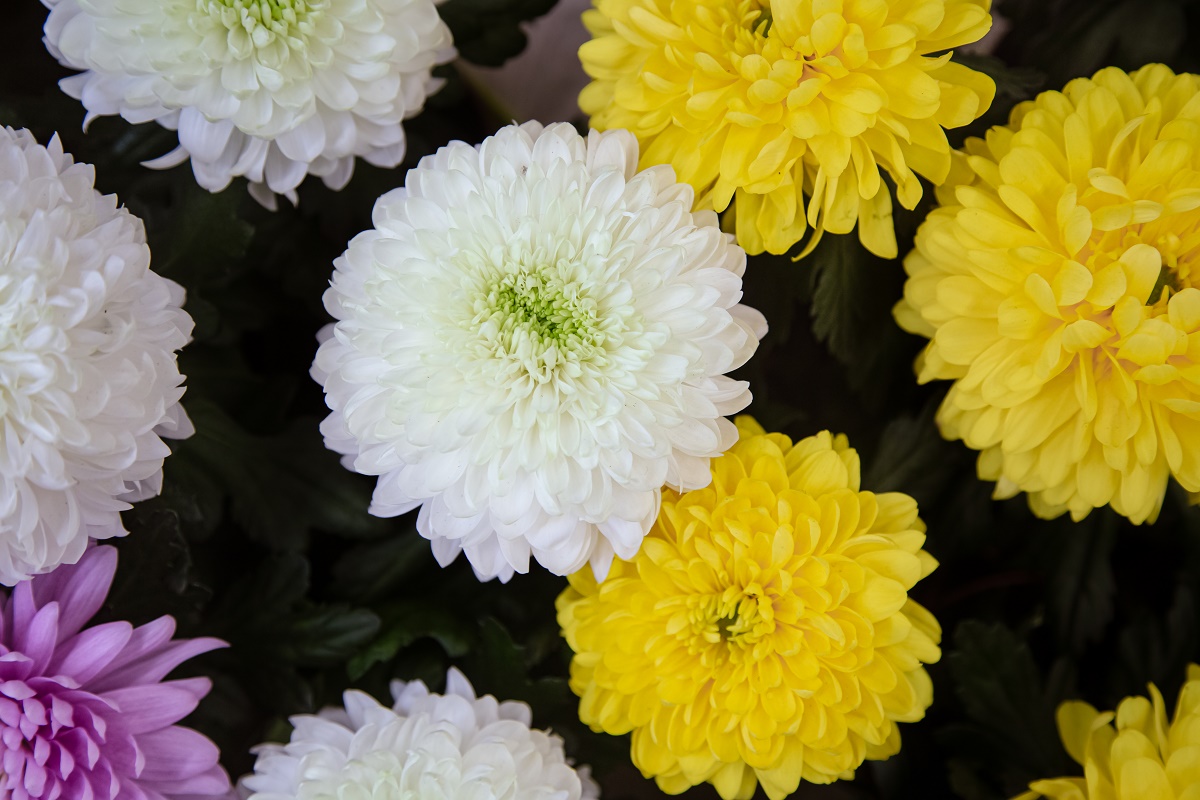
Chrysanthemums look beautiful not only in flowerbeds but also as cut flowers. In a vase, they retain their appeal for up to three weeks.
Planting and caring for chrysanthemums
Chrysanthemums are not particularly picky about their growing location, but prefer sun and the absence of drafts.
For good growth and abundant flowering, chrysanthemums require well-fertilized soil. In addition to fertilizer, add river sand or fine gravel.
Before planting chrysanthemums, fertilize the soil with a solution containing ash, phosphate, and humus. This will help the plants gain strength and extend the shelf life of cut flowers.
Chrysanthemums are demanding in terms of nutrition, so organic matter is added under the bushes twice a month.
Water the roots of the plants once a week, using at least two liters per plant. After watering, loosen the soil.
Hosts
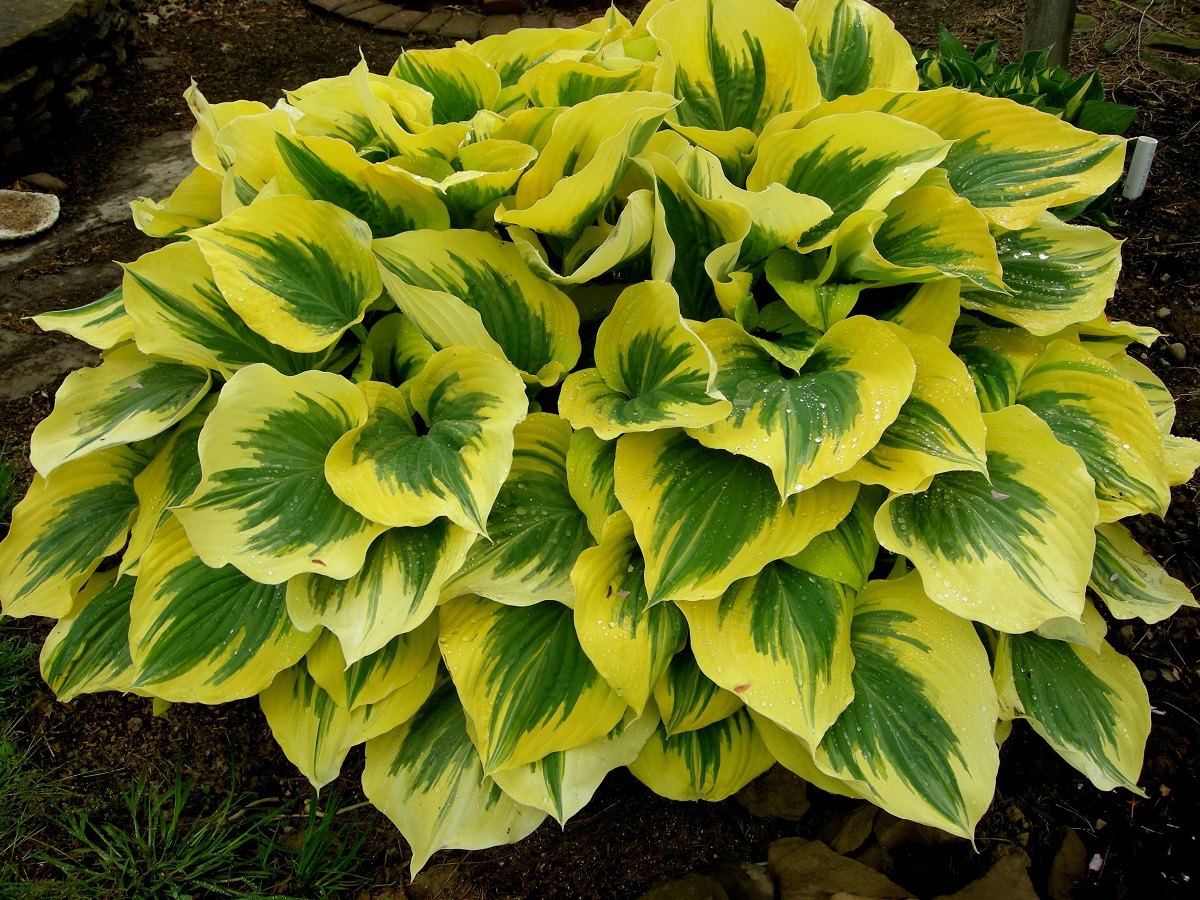
The hosta has modest flowers, but its main beauty lies in its elegant leaves, striking in their variety of colors and appearance.
Planting and caring for hostas
Hostas prefer shade and moisture, but tolerate drought well. In full sun, the leaves will be small. The north side of the house or the edge of a pond is a good choice for planting. Blue hostas need two hours of sun per day, while variegated hostas need up to six hours.
In dense shade, hostas grow more slowly, but their leaves are larger and the bush itself is taller.
Hostas prefer soil with a high organic content. The soil can be slightly acidic. Add sand, crushed stone, or expanded clay to the bottom of the planting hole for drainage.
The soil around the hostas should be kept constantly moist. Water the plants at the roots to prevent the foliage from becoming discolored.
While hostas are small, the soil around them is weeded. As they grow, this will become unnecessary, as the dense foliage will prevent weeds from growing.
Hostas planted in fertile soil won't require fertilization for the first 3-4 years. Subsequently, the plants are fed twice a season with complex mineral fertilizers.
Annual flowers that bloom in autumn
Annuals begin blooming in early spring, but their species are so diverse and numerous that many crops only begin to delight with their buds in the fall. Among the names of fall-blooming flowers, many will recall marigolds, pot marigolds, verbena, nasturtiums, petunias, and many others. Most of them bloom throughout the summer and end in late autumn, with the onset of frost.
Calendula
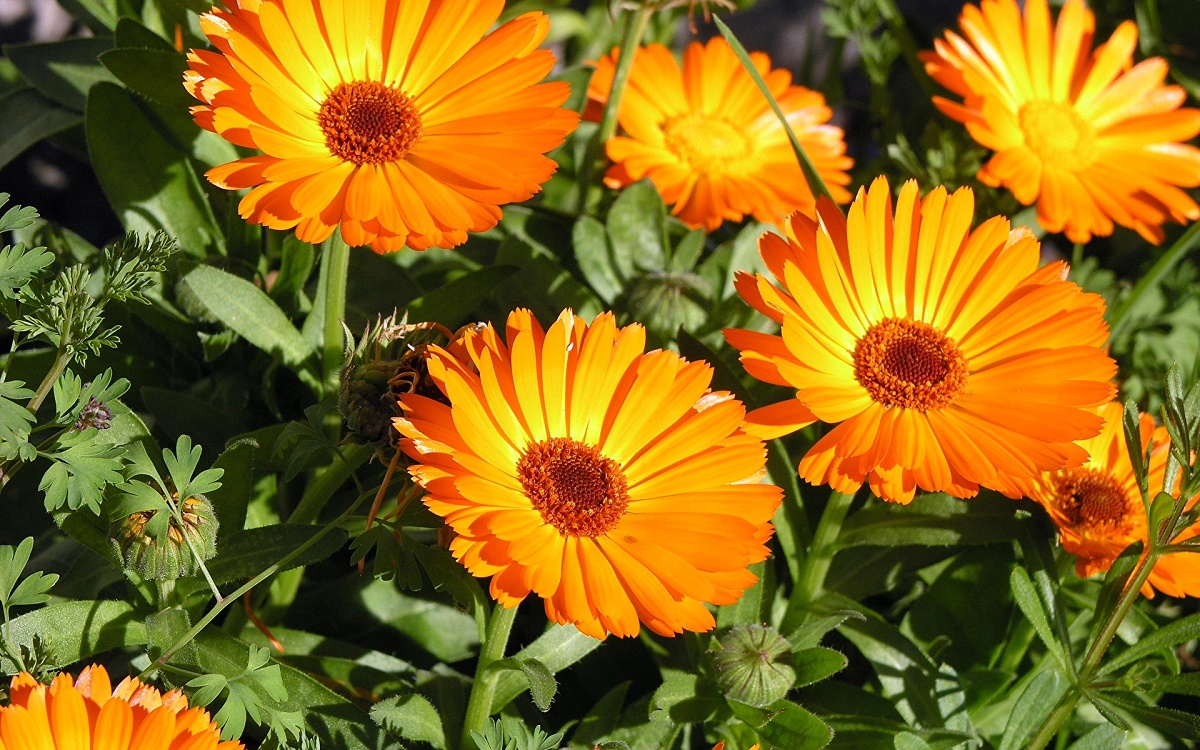
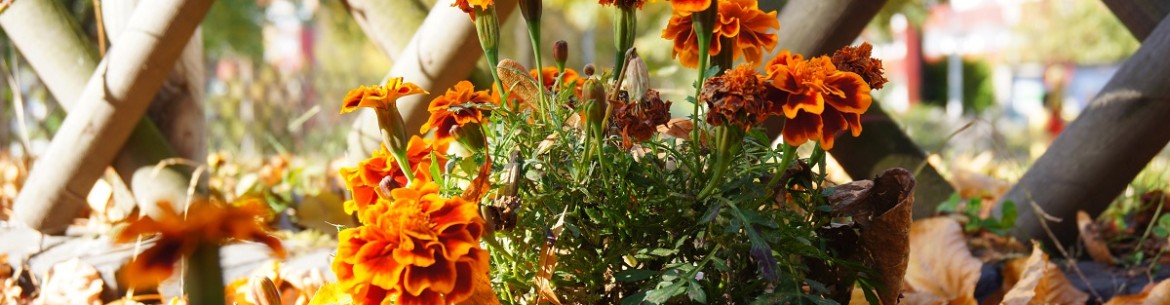
Calendula's vibrant flowers are visible from afar. They come in various shades of yellow and orange.
Planting and caring for marigolds
This easy-to-grow and frost-resistant plant is planted outdoors in April-May, and it also sprouts successfully by self-seeding. In a sunny spot, marigold buds are larger and brighter, although the plant also thrives in partial shade. Gardeners use marigolds among other crops as a protection against harmful insects.
Calendula is undemanding in terms of care. During dry periods, it requires watering, occasional loosening, and fertilizing once a month.
To ensure long and abundant flowering, fully opened inflorescences are removed.
Marigold
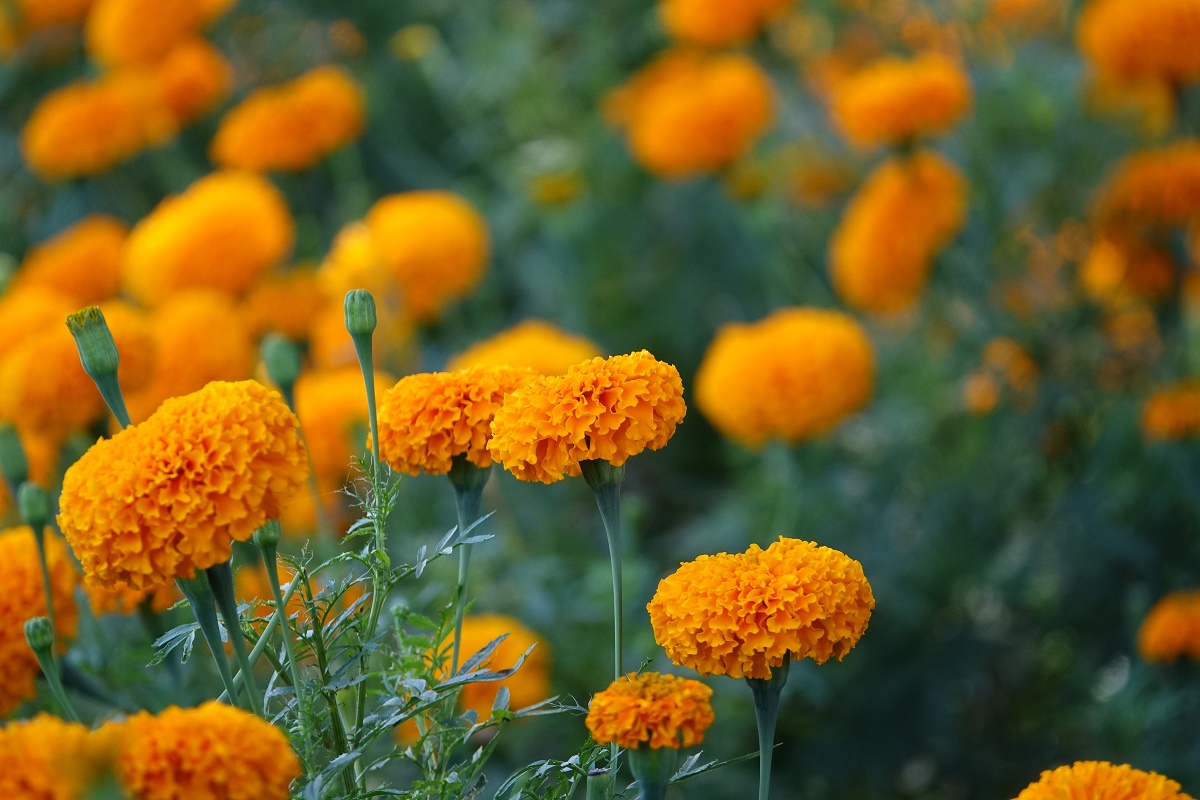
Marigolds are so beloved by gardeners that it's rare to find a garden without their vibrant heads. There are many varieties of this plant.
Planting and caring for marigolds
This plant grows rather slowly, so tall varieties are propagated from seedlings. Dwarf fall-blooming varieties can be sown from seeds in open ground after the danger of frost has passed. Another option is to grow seedlings in a greenhouse and then transplant them to their permanent location.
Any planting location is suitable, as long as the soil is loose. Good lighting will make the plant appear much more decorative.
Excessive watering can cause marigold diseases, so watering should be moderate.
Marigolds grow well without additional feeding, but will appreciate the application of complex fertilizers 1-2 times per season.
Excessive use of nitrogen fertilizers will lead to abundant growth of green mass and later flowering.
Faded flowers are removed promptly to preserve the decorative appearance of the bush.
Rudbeckia
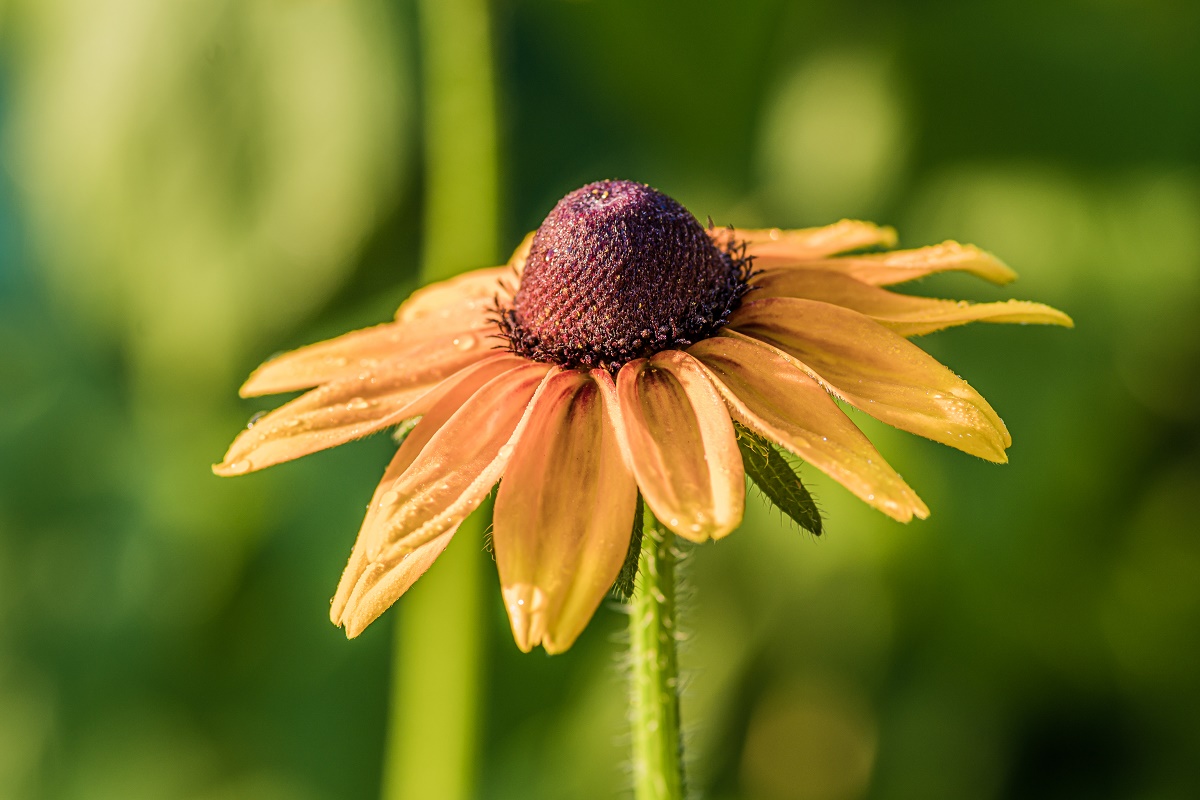
Tall members of the Asteraceae family successfully conceal unsightly walls or fences in a garden. Rudbeckias look magnificent when planted in groups.
Planting and caring for rudbeckia
Heat-loving plants are often grown from seedlings and planted when stable warm weather sets in. Direct sowing of seeds is possible no earlier than June.
For planting rudbeckia, choose a sunny or semi-shaded site with nutritious, loose soil. However, this plant will grow even in clay soil.
Watering is necessary as the soil dries out. Rudbeckias don't tolerate drought well, but overwatering is not necessary.
Rudbeckias thrive without additional feeding. A potassium fertilizer can be added before flowering.
Tall species of rudbeckia require garters.
You can see which flowers bloom in autumn in the photo.
Caring for flowers in autumn
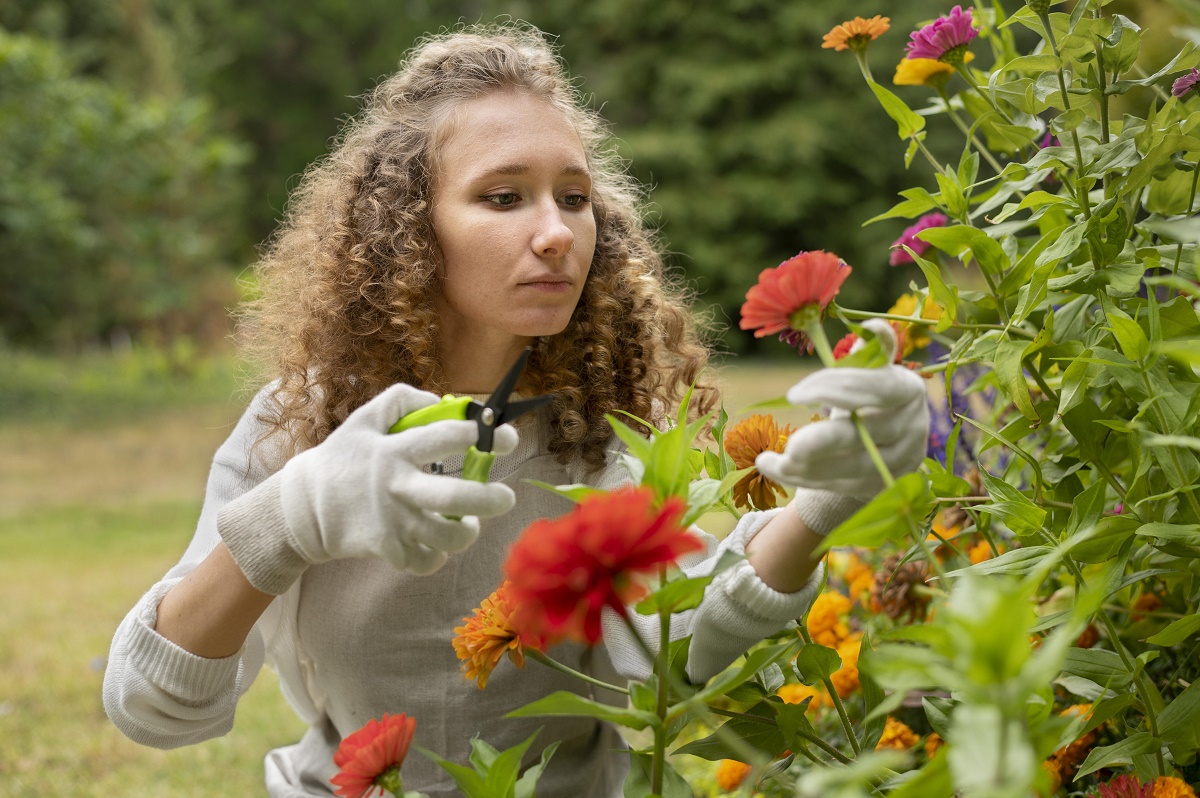
In autumn, flower care is somewhat different than in summer.
Watering
Flowers should be watered as needed. During rainy weather, they should be sufficiently moistened. In dry weather, they can be watered, but the amount should be reduced compared to summer, as evaporation is less intense. Avoid overhead irrigation to prevent leaf rot. Before winter, water all plants thoroughly.
Top dressing
Nitrogen fertilizers are eliminated completely or significantly limited. At this time, phosphorus and potassium fertilizers are needed to prepare perennials for winter.
Pruning, spraying, cleaning
For fall-blooming perennials, the stems are pruned before winter, leaving a small stump. Roses are pruned and treated with a solution of ferrous sulfate.
Faded annuals are removed from flowerbeds. Diseased stems are burned, and healthy ones are placed in the compost heap.
Shelter
Frost-hardy perennials don't require cover. Others need protection from frost. For cover, use spruce branches, leaves, sawdust, compost, and non-woven materials.
We achieve long-lasting flowering
In September, many flowers continue to bloom if properly cared for:
- remove diseased and dried stems in a timely manner;
- remove faded flower heads;
- apply fertilizers aimed at the formation of buds;
- Reduce watering to avoid rotting of roots and green parts.
An autumn garden can also be beautiful if you take the time to plant plants that will bloom until late autumn. You can find inspiration online or in a neighboring garden.