

What vitamins are in apples?
Content
What vitamins are found in apples?
Apples are a unique fruit with a rich chemical composition. Eating 3-4 apples daily completely restores the body's mineral and vitamin reserves.
General vitamin composition of apples
The chemical composition of apples contains vitamins such as: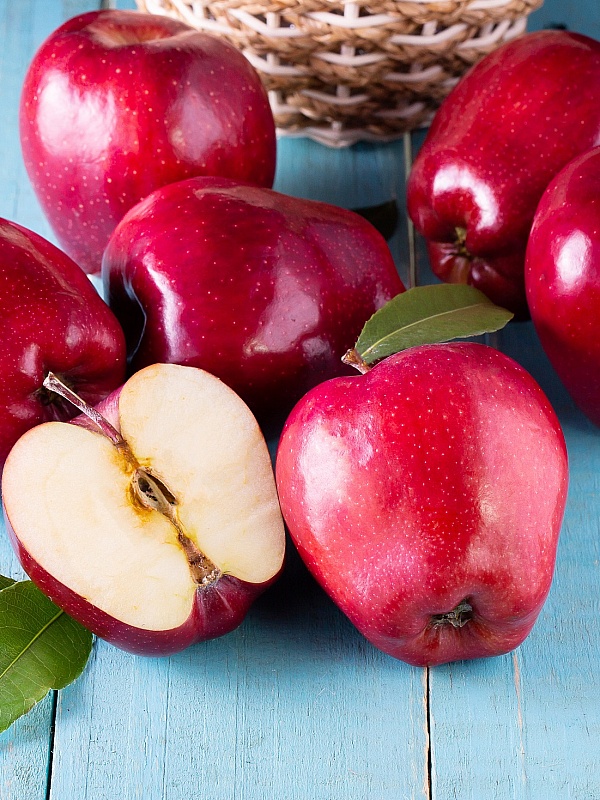
- A, RE;
- beta-carotene;
- Group B:
- IN1 (thiamine);
- IN2 (riboflavin);
- IN4 (choline);
- IN5 (pantothenic acid);
- IN6 (pyridoxine);
- IN9 (folates);
- C (ascorbic acid);
- E (alpha tocopherol);
- H (biotin);
- K (phylloquinone);
- RR, NE;
- niacin.
Each element has a positive effect on the functioning of internal organs and systems and maintains their health.
The amount of vitamins depends on the variety, skin color, growing and storage conditions, and the degree of ripeness of the fruit.
For example, freshly picked fruits contain the maximum amount of vitamins and nutrients.
Vitamins in red apples
Red fruits contain the following vitamins:
- A, RE;
- beta-carotene;
- group B;
- WITH;
- E;
- H (biotin);
- K (phylloquinone);
- RR, NE;
- niacin.
Red fruits are recommended for the daily diet of athletes, children, the elderly, and patients undergoing rehabilitation.
Wild-grown red apple varieties have the greatest anti-inflammatory effects.
Vitamins in green apples
The fruits of green varieties are enriched with vitamins:
- A, RE;
- beta-carotene;
- group B;
- WITH;
- E;
- N;
- TO;
- RR, NE;
- niacin.
The distinct sour taste of green apples indicates a high vitamin C content.
Minerals in apples
Apples contain many macro- and microelements:
- potassium;
- chlorine;
- phosphorus;
- calcium;
- sulfur;
- silicon;
- sodium;
- magnesium;
- aluminum;
- zirconium;
- boron;
- zinc;
- chromium;
- vanadium;
- fluorine;
- iron;
- strontium;
- iodine;
- selenium;
- cobalt;
- rubidium;
- lithium;
- nickel;
- manganese;
- molybdenum;
- copper.
In addition, the apple contains:
- fructose;
- starch and dextrins;
- sucrose;
- mono- and disaccharides;
- glucose;
- irreplaceable;
- replaceable;
- saturated;
- polyunsaturated.
The rich vitamin and mineral composition of apples determines a number of beneficial properties:
- normalization of the cardiovascular system;
- imparting elasticity to the walls of blood vessels;
- regulation of the gastrointestinal tract;
- increased intestinal peristalsis;
- improving brain function;
- stimulation of metabolic processes;
- preventing the formation of salts;
- anti-inflammatory action;
- prevention of kidney stones;
- improving blood quality and stabilizing cholesterol;
- removal of toxins and waste from the body;
- diuretic effect.
Are there vitamins in dried apples?
Unlike most fruits, apples retain almost all of their original chemical composition after drying. This is why dried fruits, made from apples, are especially popular.
Nutritional value of apples
100 g of red apple contains:
- carbohydrates – 9.8 g;
- proteins and fats 0.4 g each;
- dietary fiber – 1.8 g;
- moisture – 86 g.
Caloric content – 47 kcal.
Per 100 g of green apple there is:
- carbohydrates – 9.5 g;
- proteins and fats 0.4 g each;
- dietary fiber – 1.8 g;
- moisture – 88 g.
Caloric content – 42 kcal.
100 g of dried fruits contain:
- carbohydrates – 59 g;
- proteins – 2.2 g;
- fats – 0.1 g;
- dietary fiber – 4.9 g;
- moisture – 20 g.
Caloric content – 253 kcal.
Apples are a healthy food that should be included in your diet regardless of the season. When choosing these fruits, it's recommended to choose varieties grown locally.








Comments
Is the vitamin content of apples preserved when preserved for the winter in the form of compotes or when they are soaked?