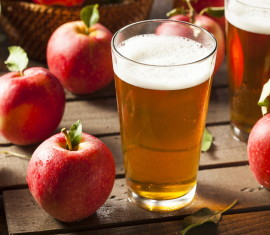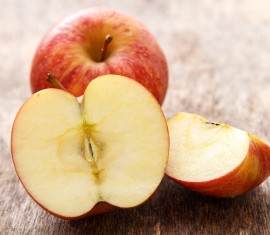

Why do apples make you want to eat even more?
Is it true that snacking on an apple makes you even hungrier? As clichéd as it may sound, everyone is different, and apples are different too. So, not everyone's appetite is stimulated all the time.
How do different apple varieties affect the body?
Apples are an excellent source of fiber and pectin, which promote rapid satiety. They are considered the most popular and healthy fruits, providing a pleasant sensation due to both their taste and aroma. Apple juice also stimulates stomach acidity, which signals the brain to satisfy hunger.
However, eating sweet apples, especially red, plump ones, doesn't significantly stimulate appetite, as they contain less ascorbic acid than green fruits. Red, yellow, and other sweet varieties are better suited for snacks and desserts. Green apples, on the other hand, contain a high amount of acid, which prepares the taste buds for food, stimulates gastric acid secretion, and accelerates intestinal function. After snacking on such fruits, the desire to refill the gastrointestinal tract appears within 30–40 minutes. Therefore, sour varieties can be considered an aperitif before a meal.
Why you shouldn't eat apples at night
 It turns out that the more tart the apple, the faster you'll feel hungry. This means you'll crave something more calorie-dense afterward. Furthermore, green apples increase stomach acidity. After such a snack, people with sensitive gastrointestinal tracts are likely to experience unpleasant stomach pain upon waking.
Eating sweeter varieties won't satisfy your evening hunger either, but will instead lead to a sharp rise in blood glucose and strain on the pancreas. To feel full, the body requires a complete meal containing protein, fat, and carbohydrates. Therefore, to avoid overeating and breakdowns, it's best to save apples for a snack.