Apple jam in a slow cooker
Apple jam in a slow cooker
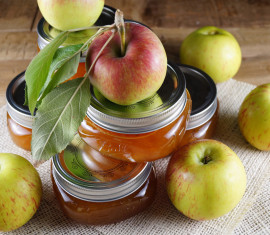
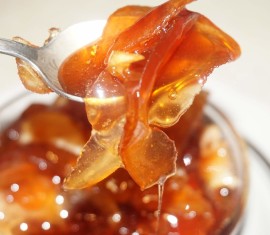
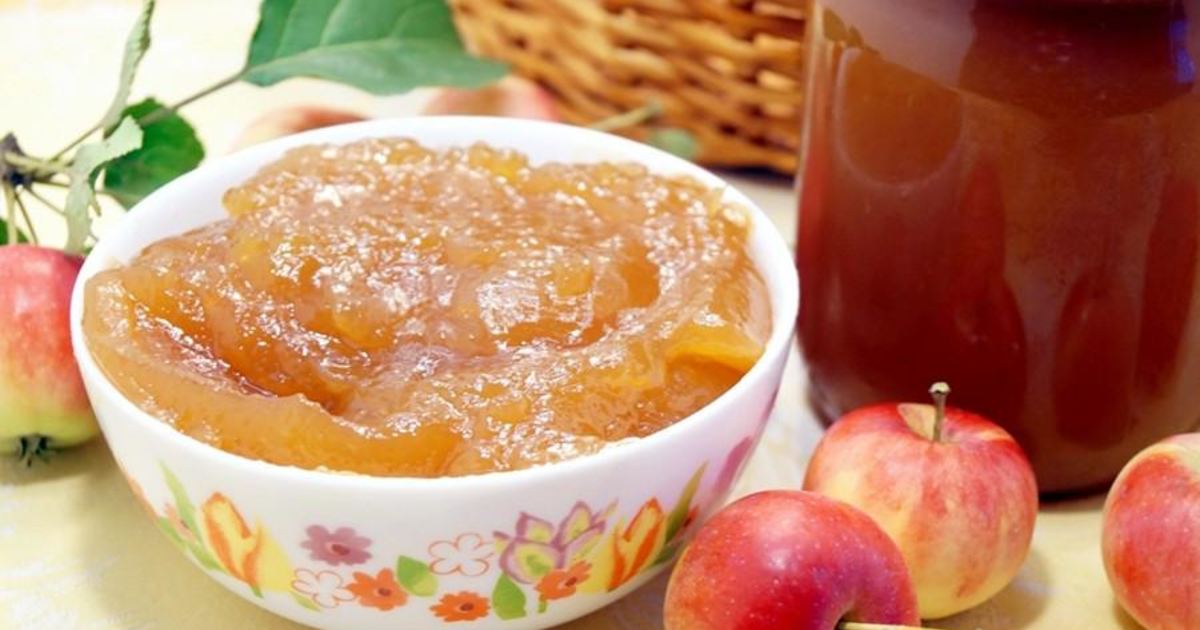
Jam is a thick, homogeneous mass made from cooked fruits or berries. It's indispensable when baking oven-baked pies and other baked goods. Apple jam, thanks to its high pectin content, has a dense, "marmalade-like" consistency. Making it in a slow cooker saves time and effort.
Ingredients
- 3 kg apples of any variety Already peeled fruit. Even unusual, overripe, and fallen fruit will do.
- 1.5-2.5 kg Sahara The amount of sugar depends on the apple variety.
- 0.5 l water
Instructions
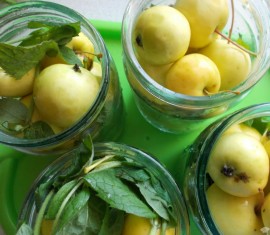
- Wash the fruit thoroughly, remove any skin, blemishes, and seeds. Cut into wedges of any shape and place in the multicooker bowl.
- Add water to the peeled apple peels and membranes and simmer over low heat for 25–30 minutes. This will release the apple pectins into the broth, allowing the jam to thicken further without the need for additional gelling agents.
- Pour the strained broth over the prepared slices and cook on the "Stewing" setting for 40-60 minutes. Periodically open the lid of the multicooker and stir the contents.
- Once the program is complete, the fruit mixture can be pureed with an immersion blender or strained through a sieve. If small chunks of uncooked apples don't bother you, this step can be skipped.
- Add granulated sugar and, optionally, about 1 teaspoon of lemon zest to the finished mixture. The sweet puree should be boiled down using the "Stewing" setting (an hour and a half) or "Bake" setting (40-50 minutes). The latter option requires more frequent and thorough stirring. However, excess liquid will evaporate more quickly.
- The boiled jam is placed into dry, sterilized jars and sealed. Then, carefully wrap the jars, turn them upside down, and leave them to cool completely.
Note
To achieve an amber-colored jam, it's best to cut the apples with a ceramic knife. This will prevent the slices from browning. Sprinkling the chopped apples with lemon juice will also help.
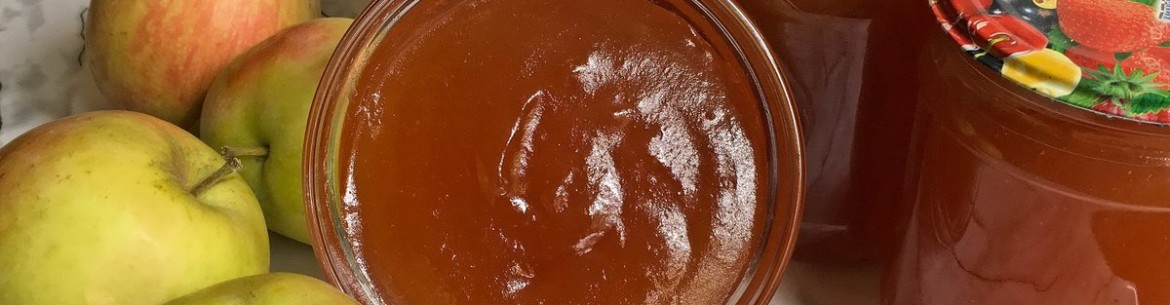
You can visually determine if the jam is ready by running a teaspoon across the surface of the boiling mixture. If the resulting groove fills slowly, the product is ready for sealing.