Slug Control in the Garden: How to Get Rid of Voracious Pests
Gardening is a wonderful activity that allows you to enjoy the beauty of nature, grow fresh fruits and vegetables, and feel the satisfaction of growing your own food. Unfortunately, however, gardens and vegetable plots can become victims of a variety of pests that lead to reduced yields and plant loss. One such pest is slugs. In this article, we'll look at how to get rid of slugs in your garden using a variety of methods.
Content
What is a slug and why does it appear?
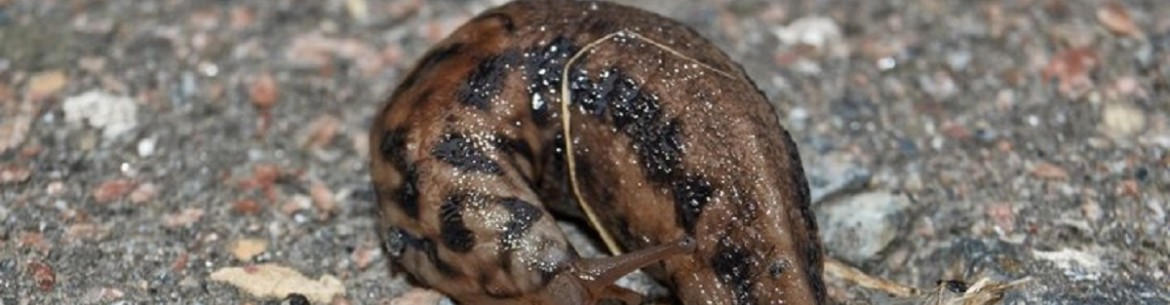
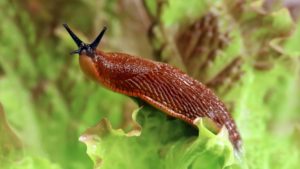 Slugs are invertebrates that inhabit gardens and vegetable patches, feeding on plant leaves, roots, and stems, as well as berries and fruits. They can reach lengths of 1 to 10 cm and have smooth, sticky skin that is gray or brown. Slugs are active at night and in damp weather, and during the day they hide in shelters such as under rocks, leaves, and trees.
Slugs can appear in gardens and vegetable plots for a variety of reasons. One of the main ones is humidity. Slugs love moist soil and dampness, so they often appear after rains or during periods of high humidity. They can also appear when plants are overwatered.
What harm do slugs cause?
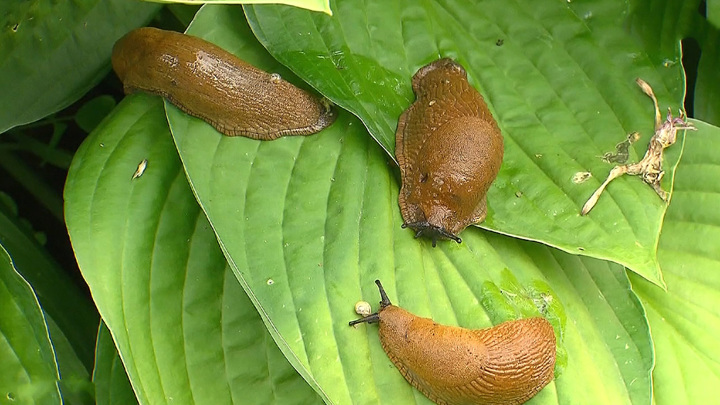
 Slugs feed on almost anything they come across. They can eat plant leaves, young shoots, fruits and berries, as well as ornamental plants, including tulips. These pests affect the quality, appearance, and shelf life of crops. They are especially damaging to early-emerging shoots.
Cabbage, lettuce, pea, turnip, and cucumber crops are particularly vulnerable in this regard. Inexperienced gardeners may wait a long time for seeds to germinate, blaming the seller for the poor quality of the planting material, unaware that slugs have already eaten the seedlings.
The presence of slugs in the garden can also lead to other unpleasant consequences, as these invertebrates can be a source of various infectious diseases. Their slime often harbors fungal spores, bacteria, and parasites. Often, after slugs have "visited" vegetable crops, they begin to suffer from powdery mildew.
How to tell if your plants are infested with slugs
There are several signs that can help you identify slugs infesting your plants. First, there are the marks they leave on your garden bed. These pests leave slimy trails that can be seen on the soil surface in the morning. Second, holes and pits appear on leaves and fruits. Third, you can see the slugs themselves on your plants during their nighttime wanderings around the garden.
How to control slugs in the garden mechanically
There are several mechanical methods for controlling slugs on your property.
Manual collection

The simplest and most accessible way to control slugs is by hand collection. In the evening or early morning, when slugs are most active, you can collect them by hand and dispose of them away from the area. However, it's important to remember that this isn't the most effective method and requires a lot of time and effort.
Baits and traps
There are various slug baits and traps you can make yourself using readily available materials. For example, you can make traps out of plastic cups filled with beer or sugar water. The pests are attracted by the smell, and they crawl into the trap, where they die. It's important to make as many of these traps as possible.
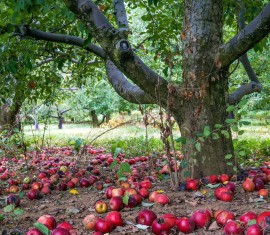
Another simple method is to prick an apple and leave it in the garden overnight. In the morning, you'll find a multitude of slugs on the apple, making them easy to collect.
Construction of a protective strip
If there are specific areas in your garden where slugs are most common, you can create a protective strip of small pebbles or sand around the plants. Slugs don't like to move across such surfaces and prefer to avoid them.
Attracting natural enemies of slugs
There are animals that are natural enemies of slugs, such as snails, lizards, frogs, beetles, and birds. To attract these beneficial creatures to your property, you can plant plants that attract them. For example, these can include perennials such as thyme, onion family plants, thyme, mustard, as well as lavender, rosemary, and many others.
Plants against slugs
Certain plants can protect your property from slugs. They have an unpleasant odor or taste to invertebrates. These include mint, garlic, barberry, marigold, yarrow, and others.
What folk methods should be used?
There are many folk remedies for slug control. Let's look at some of them.
Dusting of plantings
Dusting your plants is one of the most popular folk methods for controlling slugs. Flour, ash, lime powder, or diatomaceous earth can be used. Plants are covered with a thin layer of powder, which prevents slugs from climbing onto them.
Hot pepper
Hot peppers contain substances that irritate the mucous membranes of pests. To use this method, dry and crush the hot peppers (or buy ground red pepper) and scatter them around the plants. You can also make a hot pepper tincture and spray it on the plants and the surrounding soil.
Potassium salt
Dissolve 1 kg of potassium salt in a bucket of water and wait until the solution darkens. Then spray the plants and the surrounding soil. It's best to repeat the procedure after half an hour.
Potassium salt irritates slugs and makes them look for another place to live.
Mustard tincture
Mustard infusion is also an effective folk remedy for slug control. To prepare the infusion, pour boiling water over mustard seeds and let it steep for several days. The infusion can then be sprayed on plants.
Soot and birch tar
Soot and birch tar are another popular method for controlling slugs. Apply soot or tar to plant stems. These substances repel slugs and prevent them from climbing the plants.
Chemicals
 Chemicals can also be used to control slugs in the garden. However, before using such products, it's important to read and follow the instructions.
Popular slug control products:
- Metaldehyde (for example, preparations “Metaldehyde-M” and “Metaliz”);
- Metaldehyde phosphate (for example, the drug "Traktor-M");
- Imidacloprid (for example, Confidor and Previcur Energy);
- Methoxychlor (for example, the drug "Letax").
When using chemicals, care must be taken to avoid contact with skin or mucous membranes. Recommendations regarding application times and methods must also be followed.
Despite the effectiveness of chemicals, it's important to remember that they can harm the environment and be dangerous to other creatures, including humans and pets. Therefore, the use of chemicals should be limited and reserved for extreme cases.
Preventive measures
Preventative measures can help prevent slugs from appearing in your yard. Here are a few tips:
- Regularly remove fallen leaves and other debris from the area to reduce soil moisture.
- Stake plants so they don't lie on the ground. This will reduce the risk of diseases and pests.
- Use natural fertilizers such as compost or humus to improve the quality of the soil.
- Inspect your plants regularly and remove any pests you see.
- Make sure your property has plenty of beneficial animals, such as lizards and birds.
Slugs can be a real problem for gardeners, but there are many ways to get rid of them. Regardless of the method you choose, remember to take care of it safely, both for the environment and for your plants. Preventative measures can also help prevent slugs from appearing in your garden. By following these tips, you can protect your garden and enjoy beautiful, healthy plants.