Eradication treatment of the garden in the fall: stages and instructions
Autumn eradication of a garden plot is a series of agricultural procedures aimed at eliminating harmful insects and diseases in the garden before winter. This includes activities such as collecting plant debris, cultivating the soil, pruning trees, and using various pest and disease control products. The main goal of eradication is to prepare the garden for winter and reduce the number of pests and diseases that could impact the following season's harvest.
Content
Why is it necessary to carry out eradication treatment of the garden in the fall?
The main goal of weed control in the fall is to eliminate diseases and pests. Weeds and plant debris can promote fungal infections and insect proliferation, which can damage plants and even destroy crops. Therefore, removing weeds and plant debris is an important step in disease control.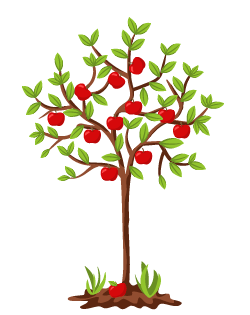
Furthermore, this autumn treatment helps prepare the soil for the next season. Removing weeds and debris removes the source of various infections and harmful insects. Also, digging and weeding the area in the fall loosens the soil, increases its fertility, and helps moisture and nutrients reach the plant roots.
- Eradicating your garden in the fall helps prevent the spread of pests and diseases.
- Weeding and removing plant debris from the garden helps create favorable conditions for crop development.
- Digging and weeding the soil makes it fertile and helps nutrients easily penetrate to the roots of crops.
Preparing for eradication treatment
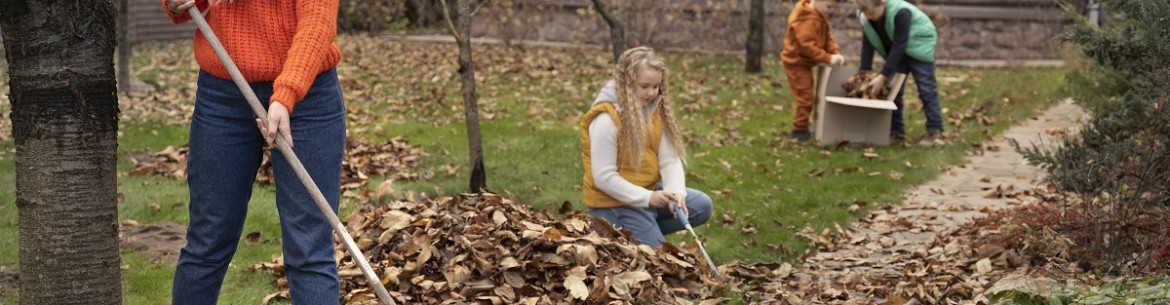
Before treatment, prepare the trees: remove damaged and dried branches, remove moss and lichen from the bark, and collect fallen leaves and rotten fruit.
Soil preparation
Loosen the soil to reduce pest infestations. For example, weevils and raspberry midge larvae hibernate in the surface soil layer. Therefore, digging the soil under bushes and trees before snowfall is beneficial. Dig to a depth of no more than 15 cm.
For eradication treatment, you will need a sprayer (electric or manual) with a capacity of at least 3 liters. Also, prepare protective equipment such as a respirator or mask, goggles, gloves, and protective clothing.
For preparatory work you will need the following tools:
- garden rake;
- pruning shears;
- wound healing agents;
- lopper;
- a hoe for loosening the soil.
It is recommended to treat tall trees using a sprayer with telescopic hoses.
The right time for processing
Autumn gardening is more convenient than spring work. Late autumn is best, but it needs to be done before frost sets in. By then, the leaves should have fallen from the trees.
At what temperature can you carry out root control treatment in your garden in the fall? The ideal temperature for spraying should be around 5°C.
Methods of eradicating garden treatment in autumn
To carry out eradication treatment, you can use various methods that can help achieve effective results.
Mechanical method
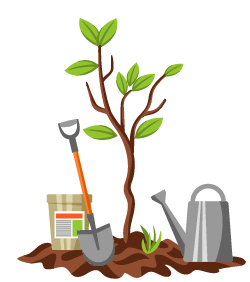
One common method is mechanical tillage. This is accomplished using a pitchfork, shovel, or hand-held derricks to dig up and remove weeds, roots included.
Please note that manual cultivation requires considerable physical effort and time. For larger gardens, it is recommended to use technical equipment, such as a cultivator or lawn mower.
Chemical method
Herbicides can be used to control weeds. They will kill weeds at the root level, allowing for a complete eradication of the weeds. It's important to use the correct dosage and select the right, safe products to avoid harming animals and crops. Before using herbicides, read the instructions.
Biological method
This method is based on the use of living organisms that are natural enemies of pests and various infections. For example, wasps, bees, and birds are excellent at consuming insect pests and protecting plants from damage.
If you hang bird feeders on trees, they will flock from all over the area and help get rid of pests.
Processing various areas of the garden
What plants are treated in the autumn?
Treat all fruit trees in your garden: apples, plums, cherries, pears, and peaches. Don't forget about berry bushes: currants, strawberries, raspberries, and ornamental plants and flowers.
For autumn treatment of rhododendrons, heather and other evergreen shrubs, reduce the concentration of iron sulfate to 2%, and copper sulfate or Bordeaux mixture to 1%.
Don't treat young trees and bushes planted in the spring in the fall. Wait until the following spring and treat them then.
Spray flowering crops after flowering has finished, and fruiting crops after you have harvested the entire crop.
Popular means for eradication treatment
- Urea. A product that destroys most fungal pathogens and harmful insect larvae. When treating healthy plants for preventative purposes, prepare a solution of 200–300 g of the product by dissolving it in 10 liters of water. For spraying trees affected by scab, powdery mildew, and other diseases, increase the concentration (500–700 g per 10 liters of liquid).
Some gardeners avoid using urea in the fall due to its high nitrogen content. However, there's no need to worry, as shoots won't develop at temperatures between 0 and 5°C, so you can safely spray with urea. - Ferrous sulfate. For a healthy garden, make a solution at a concentration of 200–300 g per 10 liters of water, and for damaged crops, 500–600 g per bucket of water. You can also mix ferrous sulfate with urea, dissolve them in water, and use for treatment.
- Copper sulfate. This solution works in the same way as the previous one. The concentration is 300 g per bucket of liquid. Mixing copper sulfate with lime creates a mixture called Bordeaux mixture, which effectively combats infections and partially kills pests.
Precautions and safe handling rules
When working with any product, always think about your safety. Protect your face with protective goggles, a mask, or a respirator. Wear an apron or protective gown over your work clothes. Wear rubber gloves and boots when working.
Keep children and pets away from areas where the solution is being prepared. Do not allow them to play in the area for 3-4 days after spraying plants with pesticides.
Before using any medication, carefully read the included instructions. Strictly follow the dosage instructions.
In the fall, it's crucial to protect your garden from pests and diseases. Taking timely measures will help eliminate parasites, insects, and various fungal diseases. This way, when spring arrives, all your trees and plants will bloom with renewed vigor and delight you with a bountiful summer harvest.