What can be planted on the site?
A summer cottage isn't just about vegetable beds, fruiting plants, and berry bushes. Each gardener decides for themselves how to landscape their property and what plants to plant. Beginners find flower gardening difficult and time-consuming, so they focus on planting tomatoes and cucumbers. Other gardeners, on the contrary, consider which flowers and plants can be planted in their garden. Choosing the right crops will save you significant time and allow you to choose low-maintenance flowers, vegetables, and berry bushes.
Content
What can be planted on the plot: compatibility of crops with each other
If you want to combine different crops in your garden, including trees, flowering shrubs, and fruits and vegetables, it's crucial to adhere to the principle of neighborhoods. Properly organizing your beds and using mixed planting will help you realize your vision. Dense plantings require intensive use of available space. To properly combine and densely plant crops for maximum effect, follow these simple rules:
- Neighboring crops should be of different heights during planting, to prevent them from competing for sunlight.
- In compacted schemes, it is important to take into account not only the characteristics of the root system, but also the rate of growth and ripening of the crop.
- Avoid planting too many crops in one place so that you can pay attention to each plant later.
- Try to place plants close together that require the same care, fertilizer with nutrients from the soil, and that also have the same pests.
To make this process easier and determine which trees can be planted in your garden along with vegetables, you can use special compatibility tables, which are easily found on gardening websites.
Planting layout: drawing up a diagram
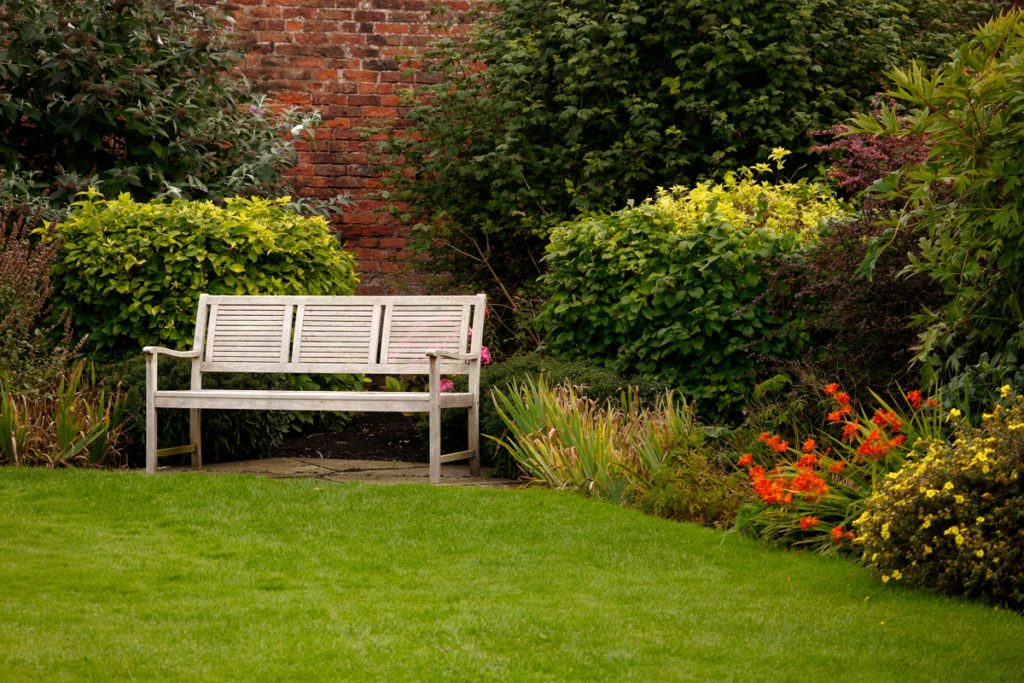
Before sowing and planting, it's recommended to carefully plan the layout of the selected crops. Initially, a gardener should determine what types of plants they want to see on their plot and work from there.
To understand what will be located where, it's recommended to draw a site plan with precise measurements, existing buildings, and existing plants. In the available space, you'll need to designate zones based on light intensity and choose locations for planting trees, shrubs, and other crops. The resulting sketch can be adjusted later, but it will allow you to visualize the future planting and carry out all necessary activities correctly, according to the plan.
What shrubs and trees can be planted on a plot: a list of the most popular plants
Not all plants require special care; some can simply be planted and watered periodically, and they'll do the rest on their own, producing a bountiful harvest. So, what plants can you grow in your garden? Below are the most popular options, from easy-to-grow vegetables to rare crops.
Easy-to-grow vegetables, greens and berries
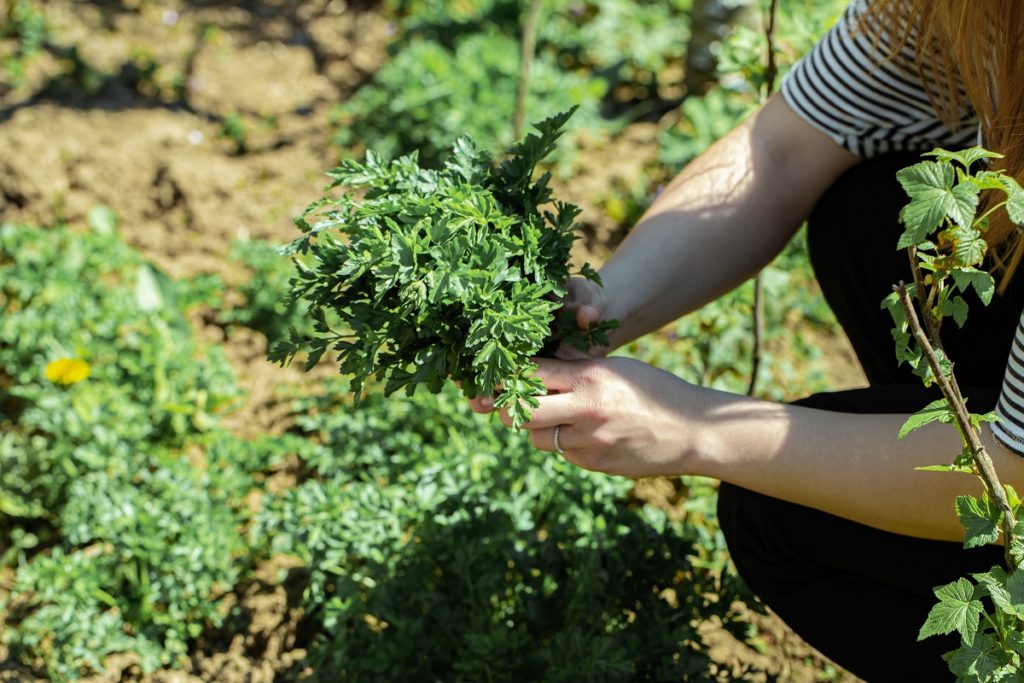
Experienced gardeners believe that zucchini is the most low-maintenance vegetable, as it thrives on rotted manure. Pumpkins also require little care after planting, and green peas can be completely forgotten after the first week of watering.
The most popular unpretentious vegetable and fruit crops include:
- dill;
- parsley;
- radish;
- turnips;
- dogwood;
- sea buckthorn;
- raspberries;
- blackberries.
Herbs
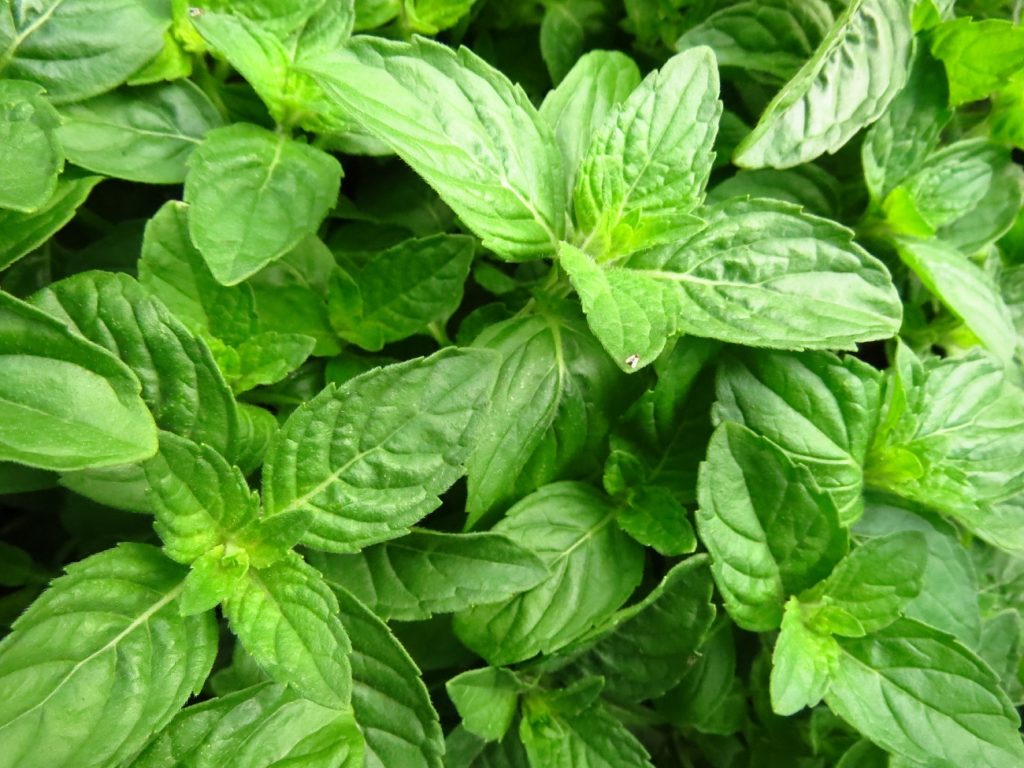
For decoration, you can add various types of herbs to the planting; they won't grow as much as weeds and will delight the owners of the site with their greenery:
- peppermint;
- basil;
- marjoram;
- fennel;
- sage;
- tarragon;
- lemon balm.
Useful but rare plants
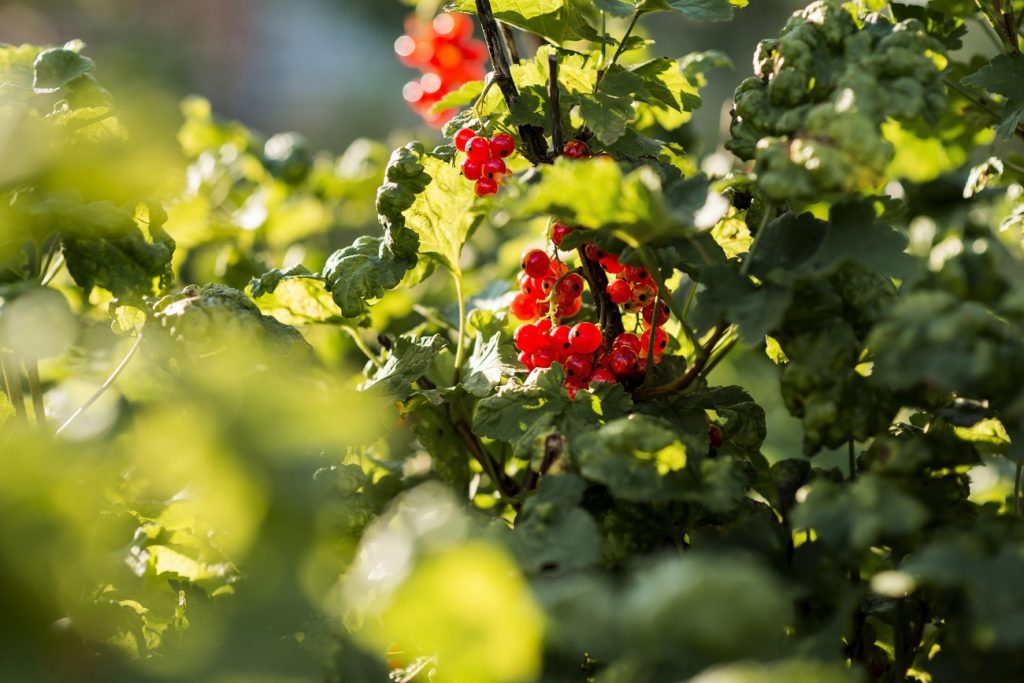
Useful but rare plants that are not found in every garden include:
- mountain cranberries;
- princes;
- ash veronia;
- Lysichiton;
- trillium;
- flax;
- Emilia;
- anagallis.
Bright and unusual plants will become the highlight of your property, not only filling it with incredible aromas but also delighting the eye with beautiful shades.
Flowers
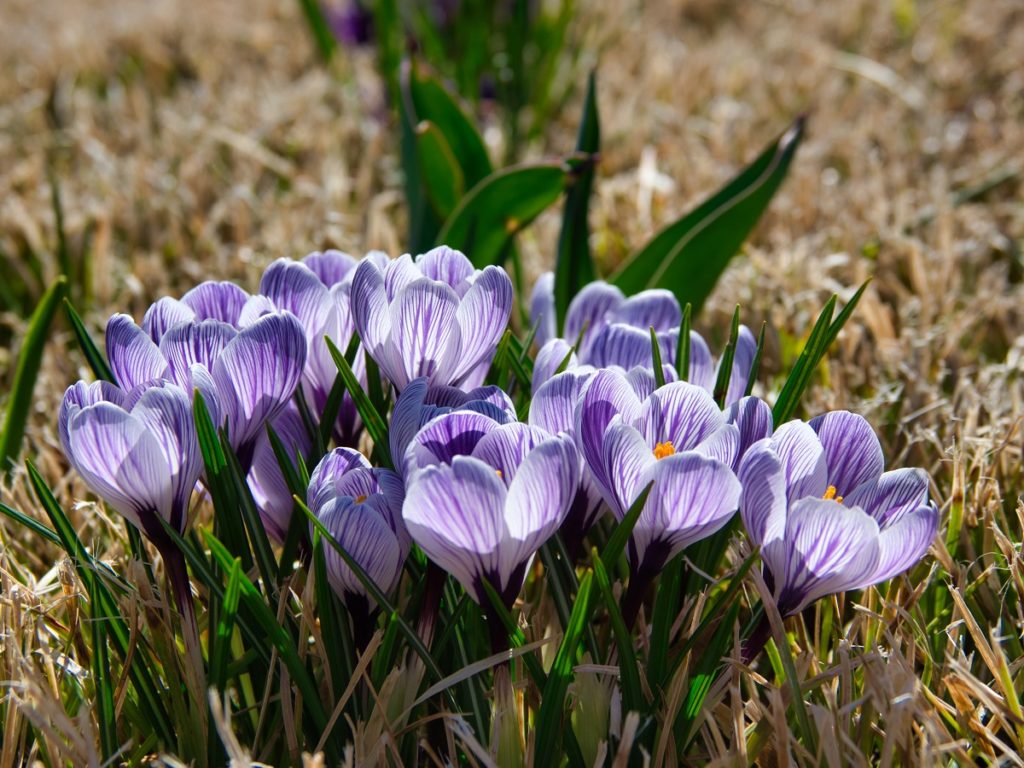
For garden plots, people try to select perennial flowers that not only bloom for a long time but also require little care. To make your flowerbed ablaze with all the colors of the rainbow, be sure to consider these flowers for planting:
- muscari;
- crocuses;
- Pushkinia;
- dicentra;
- periwinkle;
- Solomon's seal;
- Arabis.
Perennial seeds are easily found at any gardening store and can be purchased to decorate your property. Flowers can be combined in various arrangements or simply planted near trees.
Trees
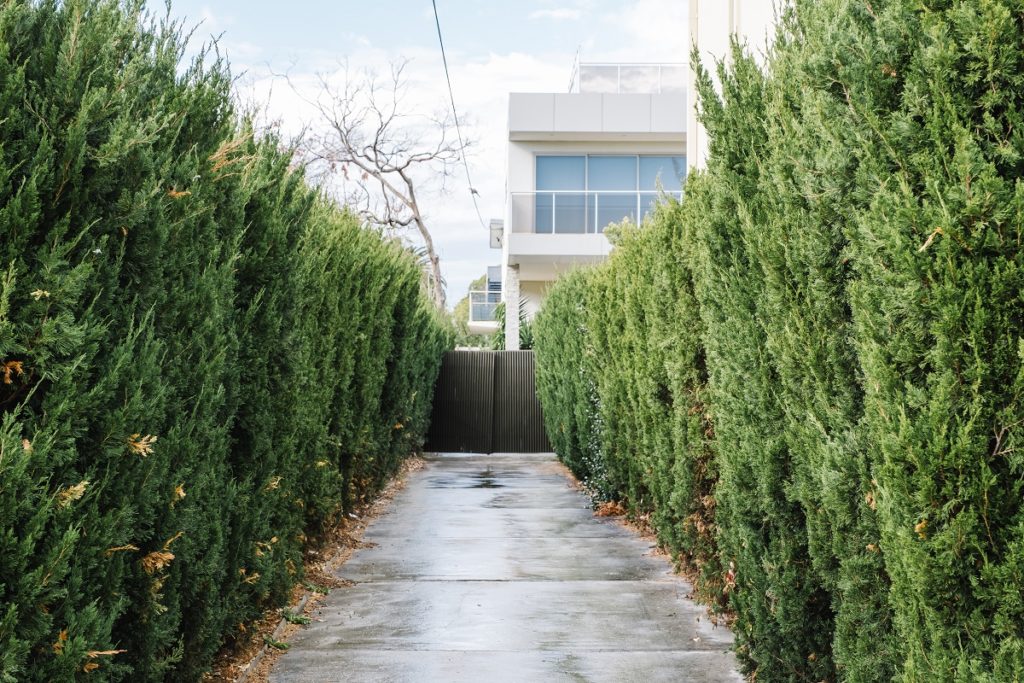
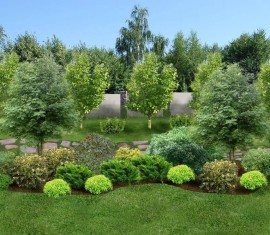
When choosing which shrubs and trees to plant on your property, it's important to understand which options are suitable for your specific area.
Avoid choosing forest trees, as once they reach a full height of 30–40 meters, they will completely shade the area and prevent sunlight from reaching it, which will negatively impact the growth of vegetables and fruits.
- apple tree;
- elm;
- birches;
- finely serrated cherries;
- Japanese maple;
- thuja.
Rare vegetables
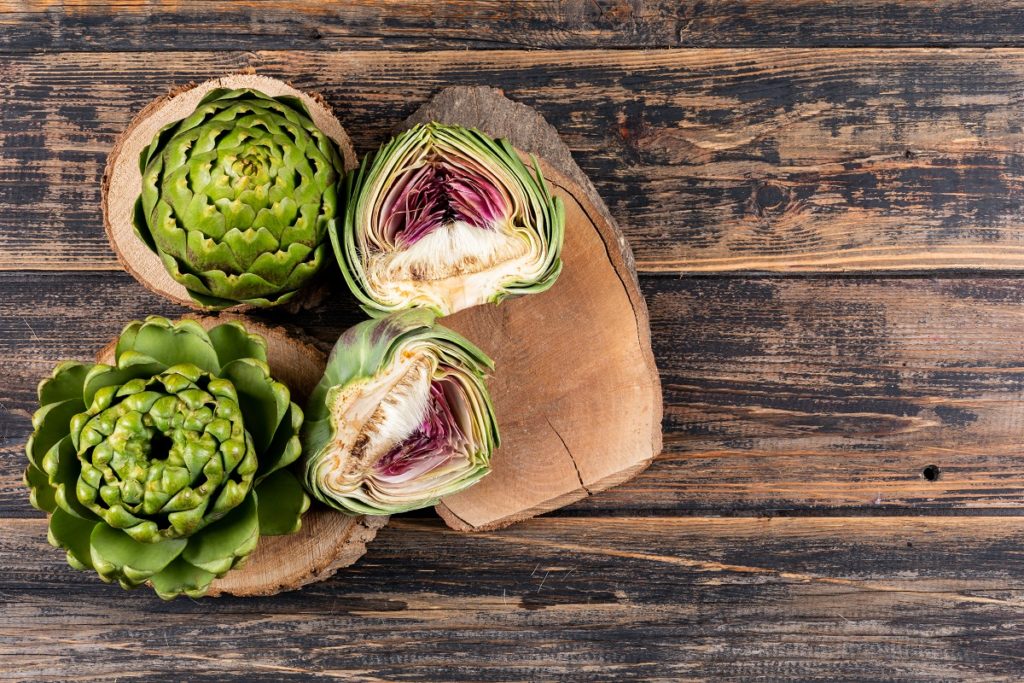
- artichoke;
- kiwano;
- melotria;
- pepino;
- tladiantu.
Before planting, carefully read the instructions to ensure that the soil in your area is suitable for the crops you choose.
Is it possible to plant a fir or pine tree on the plot?
Many gardeners dream of creating a true forest retreat on their property, but planting pines and spruces near houses is quite dangerous. This is because conifers absorb moisture, which interferes with the development and growth of other crops. The needles also cause the soil to become acidic, promoting the development of fungal diseases.
The main reason why you shouldn't plant a spruce is that it's a wind-tolerant tree; the tree could simply fall on the nearest building, like your home, during a strong wind.