How to get rid of nettles in your garden
Nettle is the most common weed in gardens and vegetable patches. This stinging plant, if left unchecked, forms impenetrable thickets. Although it has beneficial properties, it is still the worst enemy of any cultivated plant. To prevent the weed from spreading and end up without a harvest, every gardener will benefit from knowing how to get rid of nettles in their plot.
Content
Why is nettle dangerous?
A distinctive feature of this weed is its rapid growth rate. It quickly fills open spaces, forming dense thickets called wrens.
Once it appears on a garden plot and grows, nettles cause a lot of harm:
- After nettle bushes finish flowering, the soil becomes generously strewn with their seeds. These seeds soon give rise to numerous young weeds. This can lead to a complete takeover of the garden plot by nettles.
- The rhizomes of this weed tend to expand over the years, becoming more powerful and penetrating deep into the soil. In doing so, they deprive nearby crops of nutrients and moisture. Overgrown nettle thickets, with their broad leaves, block the light from reaching their neighbors, inhibit their growth, and crowd them out of garden beds and flower beds.
- Weeds tend to dry out the soil, making it difficult for the gardener to cultivate it.
- Wrens are habitats for many garden and vegetable pests.
- This plant, with its strong immune system, is itself a source of pathogens spreading throughout the garden. Its proximity increases the risk of infection for other cultivated plants in the garden.
Plant characteristics
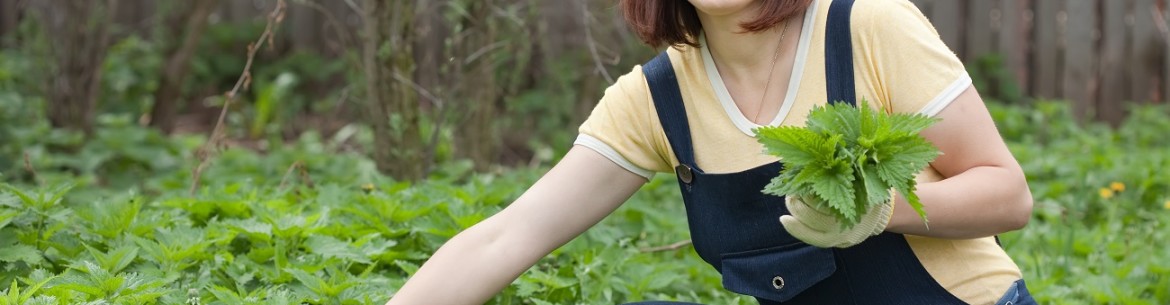
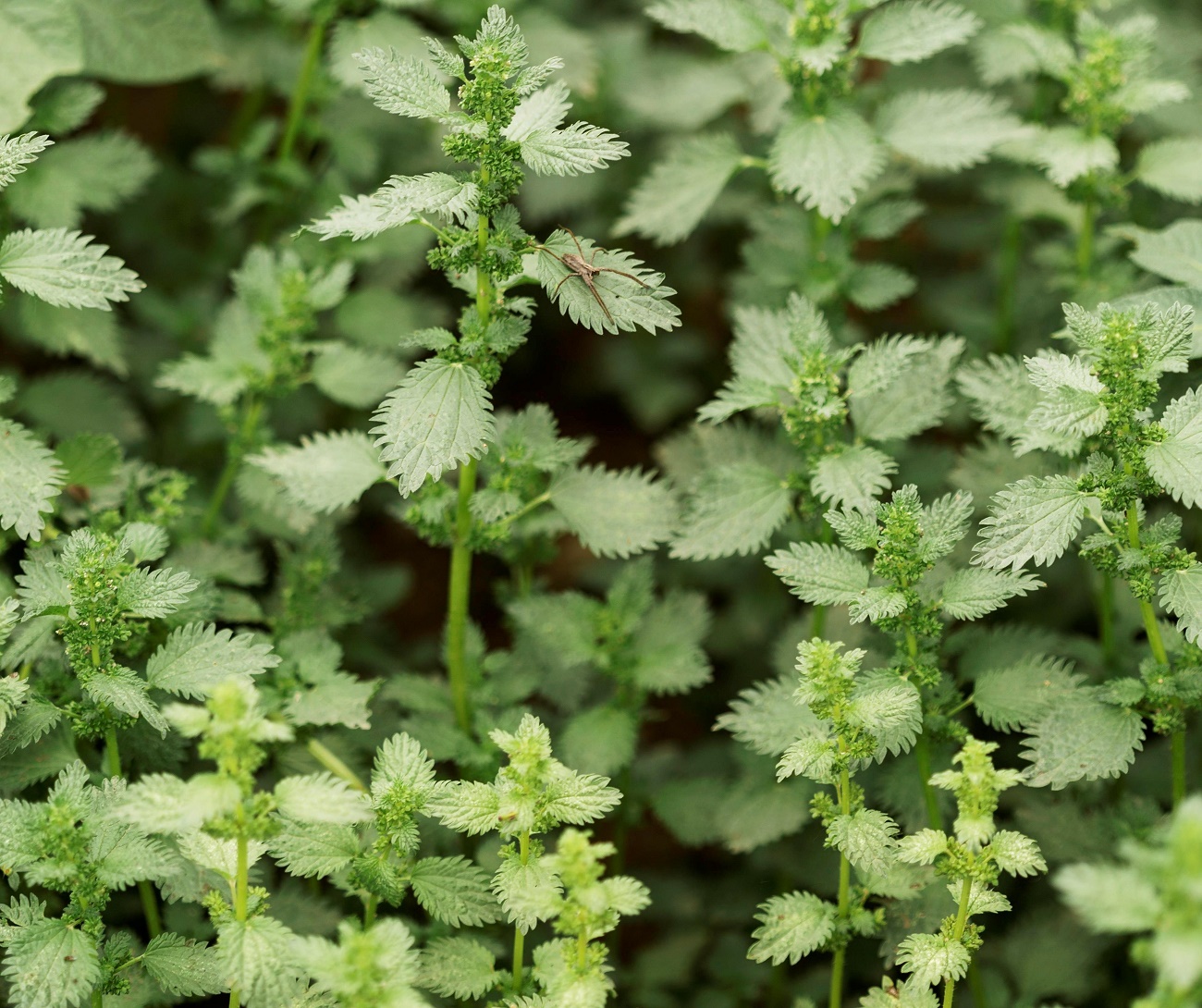
Nettle is a herbaceous perennial. It is a tall plant (up to 2 m in height) with powerful roots and a long horizontal rhizome. Its stems and leaves are a rich green color. Their surface is covered with numerous stinging hairs.
The hairs contain active substances that penetrate the skin upon contact. The pain caused by contact with nettles is caused by the acetylcholine it contains, and the blisters are caused by the tartaric and oxalic acids.
This weed is most often found in landfills, vacant lots, and abandoned sites. At summer cottages, it primarily appears under fences and in shady corners of the garden.
Nettle control: effective methods

Getting rid of stinging weeds for good is no easy task. However, experienced gardeners know how to combat nettles in their gardens and vegetable patches that can achieve this.
Mechanical methods
Some of the most labor-intensive, yet effective, weed control measures are those that involve manual removal:
- Weeding. This method makes sense if there aren't many nettles in your yard. When removing the weed, be sure to remove any of its powerful rhizomes. For ease of removal, use a hoe, flat-cutter, or hoe. If the plant is very large, use a pitchfork.
After weeding, collect the nettles and remove them from the area. Leave the plant material in a specially dug trench until it dries completely. After this, all that remains is to burn the dry grass. Dig the soil where the nettles grew to a depth of 30 cm.
- Mowing. Use this method if weeds occupy a large area. Mow the weeds regularly, cutting the stems as close to the ground as possible. This will force the weeds to focus all their energy on growing green mass, while the roots will be depleted.
Experienced gardeners combine mechanical methods of eliminating wrens with the use of folk and chemical remedies to achieve lasting results.
Use of herbicides
Poisons can help you eliminate weeds in your garden without wasting much time and effort. They make sense if the stinging plant has taken over a large area.
Roundup Extra is considered the most popular herbicide for controlling nettles in gardens and vegetable patches. Its advantage is that it doesn't accumulate in the soil. This glyphosate-based product is absorbed by the plant within 5 hours. Over the next 6 days, the poison penetrates all parts of the plant, including the rhizomes. The weed turns yellow, wilts, and dies.
Treat wrens with Raudap on a windless, dry day. To make a liquid solution, dissolve 80 ml of the solution in 10 liters of water. There is no need to mow the weeds before treating them with the poison.
You can fight nettles in your garden by using other herbicides:
- Zero;
- "Fosulen";
- Gosorg;
- "Tornado";
- "Brig";
- "Zencor Ultra".
Folk remedies
Many gardeners avoid using poisons on their property. This is especially undesirable if there's a drinking water well nearby.
In this case, folk remedies will be an alternative to purchased chemicals:
- pouring boiling water over the wren;
- spraying weeds with ethyl alcohol;
- fire treatment or calcination of soil with a blowtorch;
- watering the areas where the stinging weed grows with a vinegar-alcohol solution (to obtain it, combine 3 cups of water with 1 teaspoon of vinegar, 50 ml of vodka, 2 tablespoons of citric acid powder).
Preventive measures
Preventing nettle thickets from appearing in your garden is possible. Gardeners can use preventative measures to help. They should pay special attention to the weed's favorite growing spots.
To prevent nettles from reappearing in your garden, take the following preventative measures:
- Turning the soil. Perform this procedure at least once a year. Dig the soil thoroughly, especially in areas where weeds previously grew. Be sure to remove the plant's rhizomes from the soil.
- Covering the soil in your garden. After digging up your garden and removing weed roots, cover it with a thick material such as black plastic, roofing felt, slate, or plywood. This will completely deprive the remaining plant parts of the soil of air and light. This is a reliable way to prevent nettles from growing back in their favorite spots.
For the winter, it's acceptable to cover the weed-free area with a thick layer of mulch (at least 10 cm). Use fallen leaves or sawdust for this purpose. Organic matter makes a great substitute for covering material.
Benefits of nettles for the garden
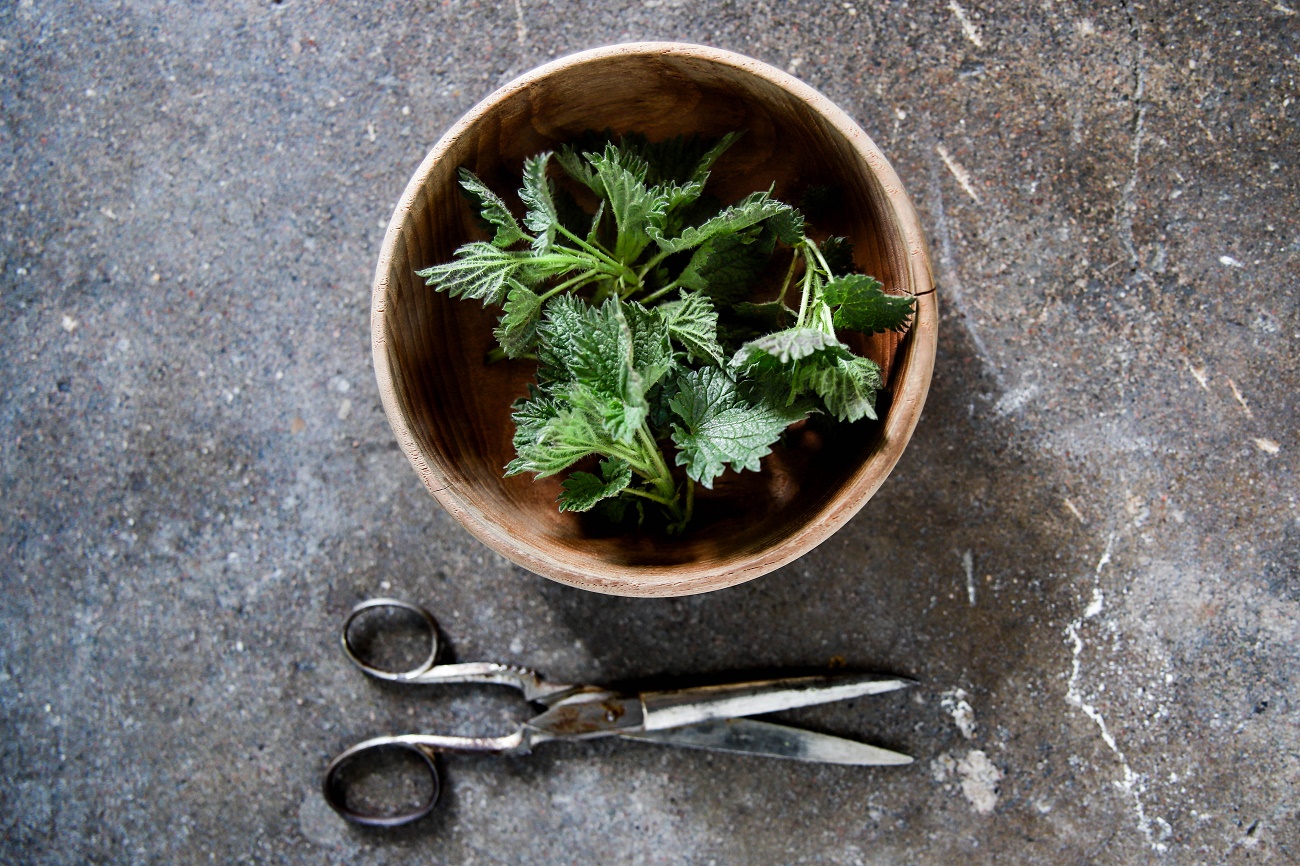
This burning weed also has beneficial properties for gardeners. When mown or weeded, it is a valuable raw material that can be used to make fertilizer for tomatoes, cucumbers, and strawberries.
Nettle fertilizer is rich in many substances useful for vegetable crops:
- nitrogen, potassium, calcium, magnesium, iron;
- vitamins A, B, E, K;
- phytoncides;
- organic acids.
Thanks to its rich chemical composition, it provides the following effects:
- increases the yield of garden plants;
- strengthens their immunity.
With this type of feeding, vegetable and garden crops bloom and bear fruit better and get sick less often.
Nettle infusion is contraindicated for onions, garlic, and legumes. The green manure inhibits their growth.
To make nettle fertilizer, fill a container 2/3 full with chopped nettle shoots and leaves, add warm water, and cover with a lid. Let it steep in a warm place for 1 week. Strain the resulting concentrate. Before using, dilute it with water at a ratio of 1:10.
The diluted nettle infusion should be applied at a rate of 0.5 to 1 liter per adult plant. Watering should be done at the roots no more than once a week.
Green manure is recommended for garden crops during their active growth period (spring and early summer), but not during fruiting. It promotes the growth of green mass, not the formation and ripening of fruit ovaries.
Nettle infusion can also be used for foliar feeding. In this case, the concentrate is diluted with water at a ratio of 1:20. Spray the foliage no more than once every 4 weeks.
The stinging weed isn't just good for fertilizer. It can be used for other purposes as well:
- as a root formation stimulator (use the infusion to soak seeds, tubers, cuttings before planting);
- to prevent powdery mildew and kill aphids (to obtain a liquid medicine, pour 200 g of dry nettle into 5 liters of cold water and leave for 24 hours).
Eliminating nettles from your garden is a feasible task for any gardener. A comprehensive approach to weed control ensures the best results, while prevention ensures long-term success.