How to get rid of mice in your yard: fighting the small rodents
Mice can be a real disaster for your garden. These rodent pests damage plants, causing them to rapidly wither. Therefore, if you notice mouse holes in your garden, take immediate action, as these pests reproduce rapidly. Control of mice in the garden should be comprehensive, as only this approach will prevent a recurrence. You can use folk remedies, as well as a variety of traps, poisons, and repellents.
Content
Signs of rodent infestation
Spotting mice can be challenging, as these rodents are excellent at hiding for long periods of time. So, you can spot them by looking for the following signs:
- At night, try to listen for sounds coming from the garden, pantry, or inside the house. Chances are good you'll hear the characteristic rustling and squeaks of these little creatures.
- Inspect your plants and prepared seedlings. If rodents have established themselves in your area, you'll likely see characteristic damage to your crops caused by their sharp teeth.
- If mice have taken up residence in your property, they certainly won't limit themselves to the garden and vegetable patch. They'll likely also take a liking to the supplies you store at home. Bags and boxes containing harvested produce will be attacked, and you might even find chewed holes in them. Sometimes mice even chew through clothing and textiles.
- If you have pets, keep an eye on them. They usually start acting strange when harmful rodents appear. This hunting behavior indicates a pest infestation.
- Conduct a thorough inspection of your outbuildings and home. If mice are present, you'll likely find passages and burrows they've made in the walls. Rodent droppings will also indicate the presence of pests.
- It's also a good idea to walk around the property and check for any telltale mouse tracks or trails on the ground. Also, check for any damage to the tree bark—this is also a common sign of rodent infestation.
If you have a chicken coop with laying hens on your property, check how many eggs are in the nest. If any are missing, you'll know who might be responsible.
Types of mice
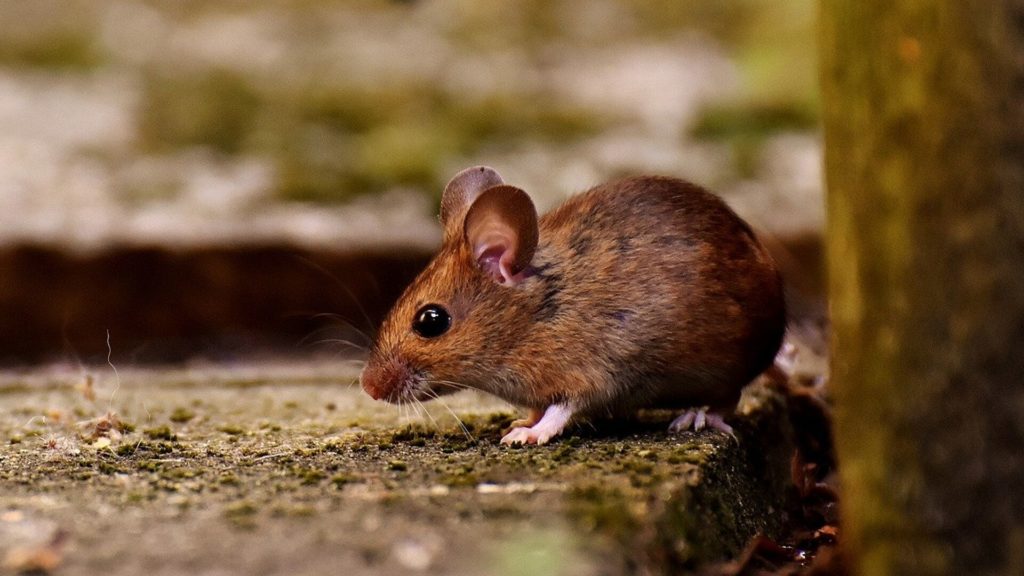 Various types of mice can cause damage to crops. Depending on the specific species infesting your property, you'll need to choose the right solution to combat the problem.
House mice

Gardeners encounter this species most often. House mice cannot survive low temperatures or high humidity. They dislike excessively dry weather. Despite their name, these mice can inhabit not only the house but also the garden. They usually stay indoors during cold weather, but as soon as the temperature rises, they will come out.
It is precisely because of their ubiquity that house mice can cause damage anywhere: in the garden, in the vegetable garden, in the house, in the pantry, in the basement, in the kitchen, in the utility room, etc. They do not disdain any supplies, but usually prefer a diet of seeds and insects.
The key to controlling house mice is to consider their reproductive rate. They reproduce at an incredible rate. On average, a female can give birth to 7-14 litters in her lifetime, with each litter containing 3 to 12 pups.
Voles
Voles, or hamsters as they are sometimes called, can also settle near human dwellings and damage crops. Common voles are most often found in summer cottages and country houses (if the house is located in a wooded area or on the steppe). Voles live no longer than 4.5 months, but during their short lifespan, they can fray a gardener's nerves. Voles are practically omnivorous, literally destroying any material or crop. They eat plants, their seeds, fruits, shoots, roots, bark, shrubs, textiles, cardboard, etc.
Shrews
Shrews are very similar in appearance to common house mice. However, their snout is longer, more reminiscent of a proboscis. While shrews are capable of controlling various larvae and insect pests in their yard (their main diet), these animals can damage numerous plants during their meal, as they actively dig up the soil in search of their desired food. Therefore, shrew populations must be carefully monitored.
Ways to get rid of mice in the garden
How to get rid of mice in your garden is a question that concerns every gardener. There are many ways. Naturally, any gardener wants to use the least toxic method to avoid harming other animals and birds living in the garden and to avoid damaging crops that will later be used for food.
Store-bought products
Store-bought products include not only various poisons and toxins, but also certain types of traps and repellents. Each of these products has its own pros and cons, which should be considered when using them.
Poisons
The simplest and most obvious way to control pests is poison. Yes, poisons act much more effectively and quickly than, for example, folk remedies. The cost of such products is also quite reasonable. However, the main drawback is obvious: poison can harm other animals, birds, and even humans. Therefore, be extremely careful when choosing a product.
The most effective poisons are those based on anticoagulants: they do not cause rejection in individuals and act for a long time.
Popular remedies:
- Brodifacoum – a drug that helps reduce blood clotting. Once ingested by a rodent, it begins to act immediately, so any damage will result in death due to internal bleeding.
- Flocumafen – a drug that blocks the production of vitamin K1 and protein in the body. It also affects blood clotting, so rodents die quickly after ingesting the poison.
Poisons should not be used if you have pets.
Ultrasonic repeller
A more humane option for rodent control is repelling. Repellers don't kill the pests, but merely repel them from your property. The undeniable advantage of such devices is that you can simply plug them in and forget about them—the mice will flee on their own, and you won't have to clean up after them.
There are different types of repellents: for home use, for gardens, and for the yard. Choose the one that best suits your needs.
Be careful with repellents if you have pets. They can also be irritating.
Mousetraps
A classic method of rodent control, it has several drawbacks, however. First of all, mousetraps won't work in situations where the pest population has already grown. Furthermore, you'll need special bait, as fooling mice isn't as easy as you might think. Mice easily bypass many traps, so you'll have to work hard to lure them into your trap.
Never handle the bodies of caught mice with your bare hands. Mice carry many dangerous diseases, including hemorrhagic fever. Be careful!
Folk remedies
If you're looking for an environmentally friendly way to control mice, you'll likely find folk remedies that minimize the use of chemicals helpful.
Cat
Oddly enough, cats are still quite effective rodent repellents. Naturally, we're not talking about expensive breeds that require special care. The mere presence of a cat in the house deters potential pests, not to mention that your four-legged friend can help you determine whether there are mice in the house at all.
Peppermint essential oil
Essential oils can be used to combat many garden pests. They can be added to water when mopping floors, or they can be soaked in cloths or cotton pads and placed in corners. Just be careful not to overdo it: the strong odor can cause headaches.
Plants
Take care of your home and garden security in advance and plant herbs in your garden whose pungent scent will repel rodents. For example, tansy and comfrey work well. For added effectiveness, you can place dried herbs on shelves where you store food or hang them in pantries.
Homemade trap
To make a homemade trap you will need:
- three-liter jar (glass);
- oil;
- any effective bait (e.g. peanut butter).
How to make:
- Grease the inside of the jar with peanut butter to make the sides slippery.
- Place the bait on the bottom.
- Place the jar on a support so that it stands at an angle of 30 degrees.
A careless animal, having spotted the bait, will reach into the jar for the treat and slide down the sides. It won't be able to escape and will soon die of starvation. This option isn't suitable for those who leave traps at their dacha for long periods, as the jar will need to be constantly cleaned.
How to prevent rodents from appearing
Of course, prevention is always better than fighting a horde of mice. So, try to protect your property from rodents in advance:
- Inspect your structures for cracks and holes. The more there are, the easier it is for the animal to get in. Seal everything, even the smallest holes. It's best to use toxic sealants, such as fiberglass, foam, sealant, silicone, etc.
- If mice do manage to get inside, they should be left without food. Seal all food in airtight containers and keep all supplies in good order.
- Keep trash cans and compost bins as far away from your home and where you store your harvest as possible. Choose containers with tight-fitting, airtight lids.
- Do not leave garbage on the site, and clean out the cellar regularly.
Mice can be a real scourge for your garden. However, these pests can and should be controlled. Choose integrated pest control solutions to permanently deter them from your harvest and supplies.