Compatibility of plants in the garden and vegetable garden: important rules
A vegetable garden and orchard are not only a source of fresh fruits and vegetables but also a true haven of nature, where you can enjoy the beauty of flowers and the aroma of herbs. However, to ensure a bountiful harvest and healthy plants, it's important to consider their compatibility when planting in a garden bed or garden.
Content
What is plant compatibility?
 Plant compatibility is a topic that attracts the attention of many gardeners and farmers. This concept refers to the ability of different plants to thrive together without negatively impacting each other.
Each plant has its own unique needs, including nutrition, water, light, and other conditions for successful growth and development. Understanding their compatibility and choosing the right combinations can lead to increased yields and reduce the risk of various diseases.
How to properly organize mixed plantings
To achieve good results from joint plantings, it is necessary to follow several rules:
- Consider the needs of plants.
- Avoid incompatible plants.
- Maintain a certain distance between plants.
- Avoid weeds.
Is it possible to plant different varieties next to each other?
 Plants grown nearby can interact with each other, which can affect their growth and yield. It's important to select crops with similar water, light, and nutrient requirements, and consider their compatibility. For example, carrots and onions have a symbiotic relationship, and planting them together can increase yields and improve the quality of both crops.
What plants should not be planted next to each other?
There are some plants that are not recommended for planting next to each other, as they may compete for nutrients or become a source of diseases and pests for other plants. For example:
- Onion plants secrete specific compounds that can slow the growth and development of legumes.
- Tomatoes and potatoes belong to the same family (Solanaceae), so it's not recommended to plant them next to each other. This is because they share common enemies and can be affected by the same diseases.
- Cabbage and cucumbers are plants with different growing requirements. Cabbage requires more fertile soil and moderate amounts of water, while cucumbers require moister soil and frequent watering.
To avoid conflict between plants, it is necessary to carefully plan the plantings in the garden bed.
How far apart can incompatible crops be planted?
Sometimes, due to limited garden space or other factors, it's necessary to plant incompatible crops in the same spot. In such cases, spacing between them is important.
As a rule, it's necessary to leave a distance of 50 cm to 1 meter between such plants. This helps reduce the risk of cross-pollination and the transfer of pests or diseases.
How weeds affect the compatibility of plantings in a garden bed
Weeds can negatively impact planting compatibility because they compete with plants for nutrients and can attract pests and diseases. Tall weeds can shade out lower-growing plants, potentially causing their death.
To minimize the impact of weeds, special attention should be paid to their control. Various methods can be used for this, such as mulching, manual weed removal, and the use of herbicides and other chemical plant protection products.
Garden and vegetable garden planting rules and compatibility chart
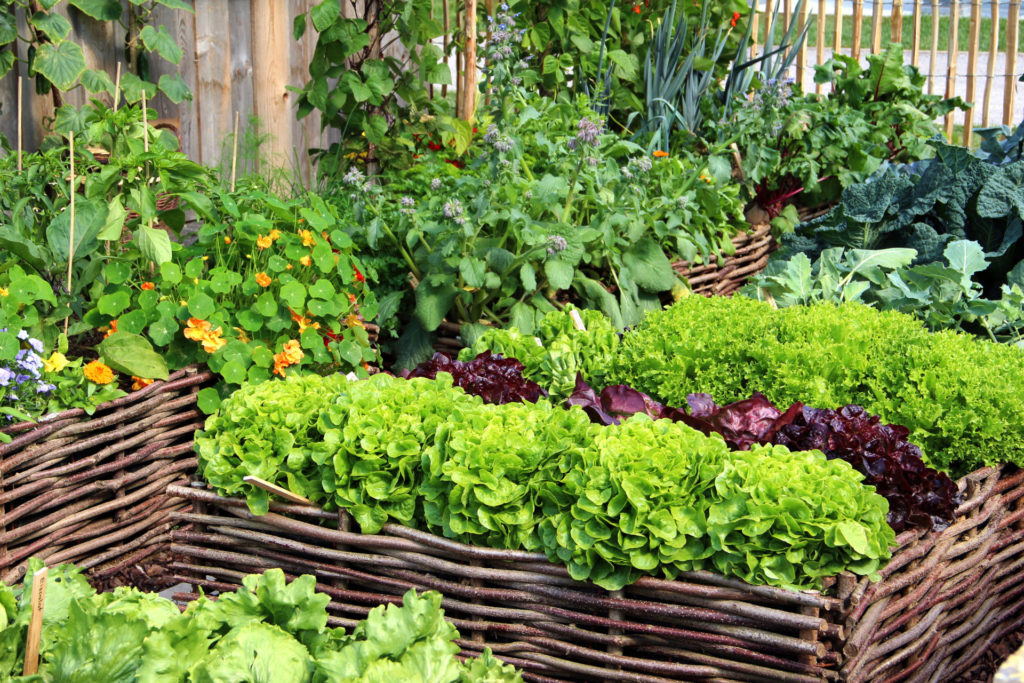
To simplify the selection of compatible plants for planting, it's important to know the basic principles of planting and use a compatibility chart. This chart will help you choose the right neighboring crops that will grow and thrive together, and it will also optimize space utilization and increase yields.
General principles of placing neighboring plants
The following recommendations must be followed:
- combine plants with different root systems and planting depths;
- Place crops with similar nutrient needs close together;
- Plant species that can protect each other from pests and diseases.
Compatibility table
| Plants | Compatible plants | Incompatible plants |
|---|---|---|
| Beans | Carrots, corn | Onions, garlic |
| Cabbage | Potatoes, radishes, dill | Watercress, mustard |
| Potato | Cabbage, cucumbers, corn | Tomatoes, pumpkin |
| Corn | Beans, peas, pumpkin | Potatoes, tomatoes |
| Carrot | Beans, peas, pumpkin | Parsley, dill |
| Cucumbers | Potatoes, peas, corn | Watercress, mustard |
| Parsley | Carrot | No |
| Tomatoes | Watermelon, onion | Potatoes, mustard |
| Radish | Cabbage, spinach | Mustard |
| Pumpkin | Corn, radish | Potatoes, tomatoes |
| Dill | Cabbage, carrots | Onions, beans |
| Spinach | Radish | No |
Useful herbs for the garden
Using certain herbs in your garden can offer numerous benefits. They can help combat pests and plant diseases. For example, chamomile and lemon balm contain essential oils that repel insects and protect crops from various diseases. Furthermore, some herbs can improve soil quality. For example, clover is a rich source of nitrogen and can improve soil fertility. You can also use herbs that help control weeds, such as holly and shepherd's purse.
The use of such plants allows for a reduction in the use of chemical crop protection products, which reduces the environmental impact and makes products more environmentally friendly.
Peculiarities of choosing neighbors for garden trees
Compatibility of fruit trees in a plot can improve their health, productivity, and appearance. When choosing neighbors, consider their size, root system, and nutrient requirements. Large trees can shade and choke smaller ones, which can lead to their death. Furthermore, large trees sometimes have powerful roots that can damage the roots of smaller plants.
Avoid planting trees together that are susceptible to the same diseases and pests, as they can transmit them to each other.
Conifers and fruit trees are quite compatible when placed correctly within a plot. Spruce, pine, and cedar can be used as decorative elements, as well as to provide shade and wind protection for fruit trees.
Compatibility chart of fruit trees and shrubs
| Tree/shrub | Apple | Pear | Plum | Cherry | Cherries | Gooseberry | Currant | Raspberry |
|---|---|---|---|---|---|---|---|---|
| Apple | + | + | + | + | + | — | — | + |
| Pear | + | + | + | + | + | — | — | + |
| Plum | + | + | + | + | + | + | + | + |
| Cherry | + | + | + | + | + | — | — | + |
| Cherries | + | + | + | + | + | — | — | + |
| Gooseberry | — | — | + | — | — | + | + | + |
| Currant | — | — | + | — | — | + | + | + |
The table shows the compatibility of fruit trees with each other, the “+” sign means that the plants can be planted together.
Helpful tips
- Follow garden plant compatibility charts. They'll help you choose plants that not only grow well together but also protect each other from pests and diseases. For example, plant tomatoes and basil next to each other—the basil will protect the tomatoes from pests and improve their flavor.
- Place plants according to their characteristics and needs. For example, tall plants like tomatoes or corn are best planted in sunny areas, while short plants like carrots or radishes should be planted in more shaded areas.
- Plant plants in groups. Crops in the same group have similar nutritional and watering needs, allowing for more efficient management of fertilizers and watering. For example, vegetables from the brassica family (cabbage, broccoli, cauliflower) are best planted in the same row.
- Use herbs and other companion plants to improve the conditions for crop growth and development. For example, lemon balm, chamomile, basil, and some other herbs can help repel insects and protect plants from disease.
- Choose plants with different season lengths. For example, if you plant early and late tomato varieties next to each other, you'll be able to harvest throughout the entire season.
- Avoid planting plants that compete for nutrients nearby. For example, vegetables and herbs that require a lot of nitrogen should not be planted next to legumes, which take up nitrogen from the soil.
- Be aware of incompatible crops. Some plants simply don't grow well together or even kill each other. For example, peas aren't the best companions for onions and garlic, and potatoes and tomatoes shouldn't be planted next to each other due to the risk of late blight.