How to deacidify soil in your garden: 5 most effective methods
Many gardeners are interested in how to quickly deacidify soil. The desired result can be achieved in a variety of ways, each with its own unique characteristics.
Content
About soil acidity
Soil acidity is an important agronomic parameter characterizing its suitability for cultivating various plants. The pH level indicates the soil's acidic state. This parameter depends on the presence of hydrogen and aluminum ions in the soil, which also contribute to substrate oxidation, as well as:
- from the quality of site maintenance;
- climatic features of a particular region;
- intensity of hydration.
The pH level, in turn, determines the growth rate of garden crops and the soil's ability to absorb nutrients. Every gardener should know how to deacidify the soil in the summer, otherwise, a good harvest will be impossible.
Crops that like acidic soil
Not all plants react negatively to high soil acidity; there are exceptions.
Among vegetables these are potatoes, turnips, tomatoes, pumpkin, and carrots.
Among the berries are lingonberries, blueberries, strawberries and cranberries.
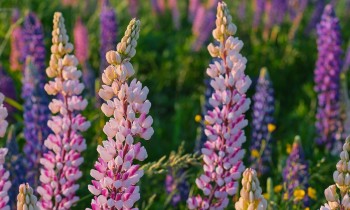
Herbs and flowers include evergreen heather, heather, hydrangea, lupine, peonies, poppies, nasturtium, rhododendrons, azalea, ferns, chicory and conifers.
How to determine and normalize soil acidity

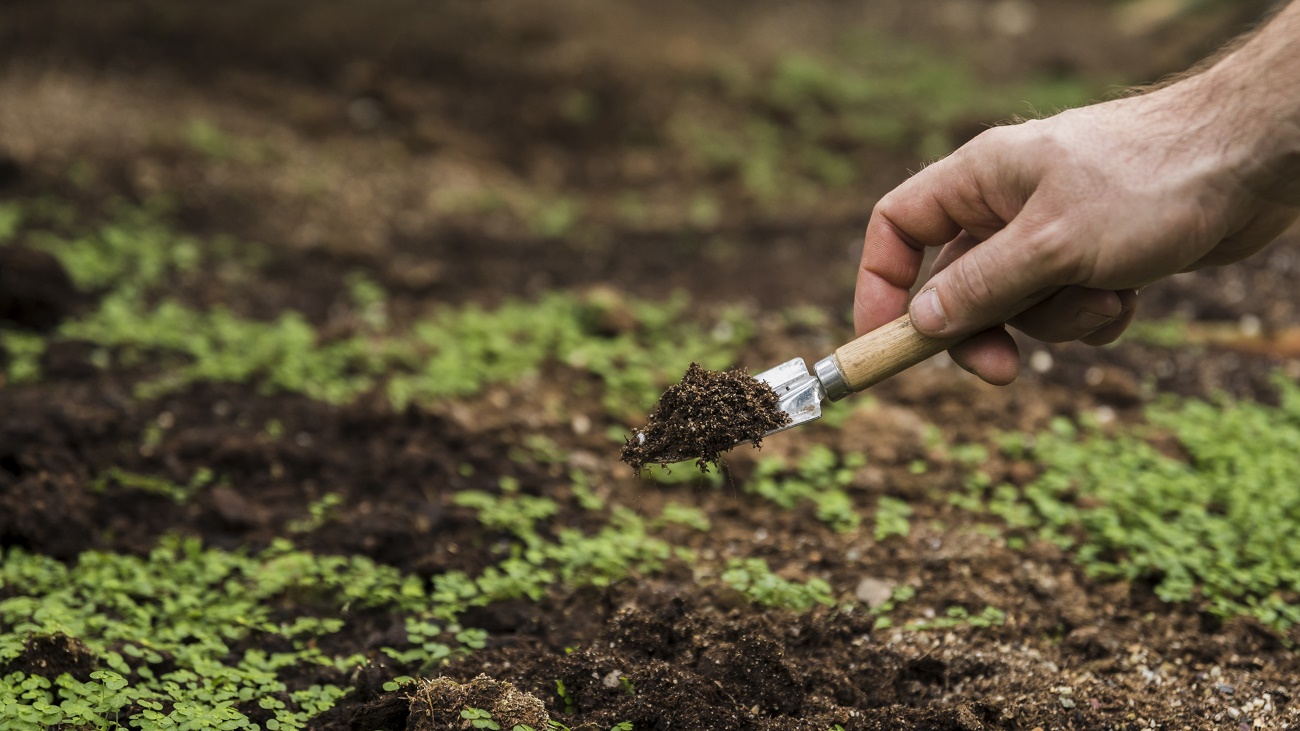
Before discussing how to deacidify soil in your garden, it's important to understand whether it's even necessary. If vegetables and shrubs in your garden are growing slowly and appear stunted, but moss and woodlice are thriving, your soil is too acidic. Plants can no longer access many nutrients. Acidic soil can harbor pathogens, which can negatively impact its fertility.
Litmus paper is often used to determine soil acidity. Soil samples are taken from different parts of the plot, each wrapped in thick cloth. The soil is placed in a glass, maintaining a 1:1 ratio. After 5 minutes, litmus paper strips are dipped into the glasses for a couple of minutes. The pH can be determined by the change in shade of the paper, using an existing pH scale.
If you don't have a special tester, you can use 9% vinegar. To do this, place the glass on a dark surface and sprinkle 1 teaspoon of soil on top, lightly watering with vinegar. A large amount of foam indicates the substrate is alkaline. A small amount indicates neutral.
Some gardeners monitor soil acidity when planting beets. If the beets' foliage is red, the soil is acidic. In slightly acidic soil, the beets grow with veined tops. In neutral soil, they grow with green foliage and reddish petioles.
How to deacidify soil at home
Liming

Substrate deoxidation is accomplished using slaked lime. Sometimes calcareous peat, cement dust, or lime carbonate are used. They all work in roughly the same way, but the dosage and timing of application may vary.
It's important to remember that any lime is an aggressive product. After applying it, plants are temporarily deprived of the ability to absorb phosphorus. Liming is best done in the fall. The deoxidizer is applied during tillage to ensure that the chemical processes in the substrate return to normal by the next season. For acidic soils, apply slaked lime at a rate of 500 g per square meter. For moderately acidic soils, reduce the dosage to 300–400 g.
Ash
Wood ash can be used as a fertilizer and for soil deoxidization. Its composition can vary depending on the tree variety, age, and growing location. The calcium salt concentration in it ranges from 30–60%, meaning application rates will vary. On average, 1–1.5 kg of deoxidizer is required per square meter of soil.
Ash obtained from burning weeds contains little calcium, so at least 2.5 kg is needed per 1 square meter of land.
Dolomite flour
Dolomite flour is crushed rock. It is applied in the spring before planting crops and during gardening. Dolomite flour is rich in magnesium and is ideal for light soils. It is an excellent loosening agent for clay soils, which are characterized by viscosity. Dolomite flour improves both the composition and structure of the soil.
The proportions for its introduction are as follows:
- on acidic soils – 500 g per 1 sq. m;
- on soils of medium acidity – 400 g per 1 sq. m;
- on low acidity soils – 300 g per 1 sq. m.
Chalk

Chalk works like lime. It must be crushed before application. Grains no larger than 1 mm dissolve quickly and begin working immediately. Larger particles will require several days to see results.
Chalk ground to a powder is scattered over the area, after which the soil is dug. If the soil is acidic, a dosage of 550–700 g is considered optimal. For moderately acidic soil, 400 g is sufficient.
Green manure
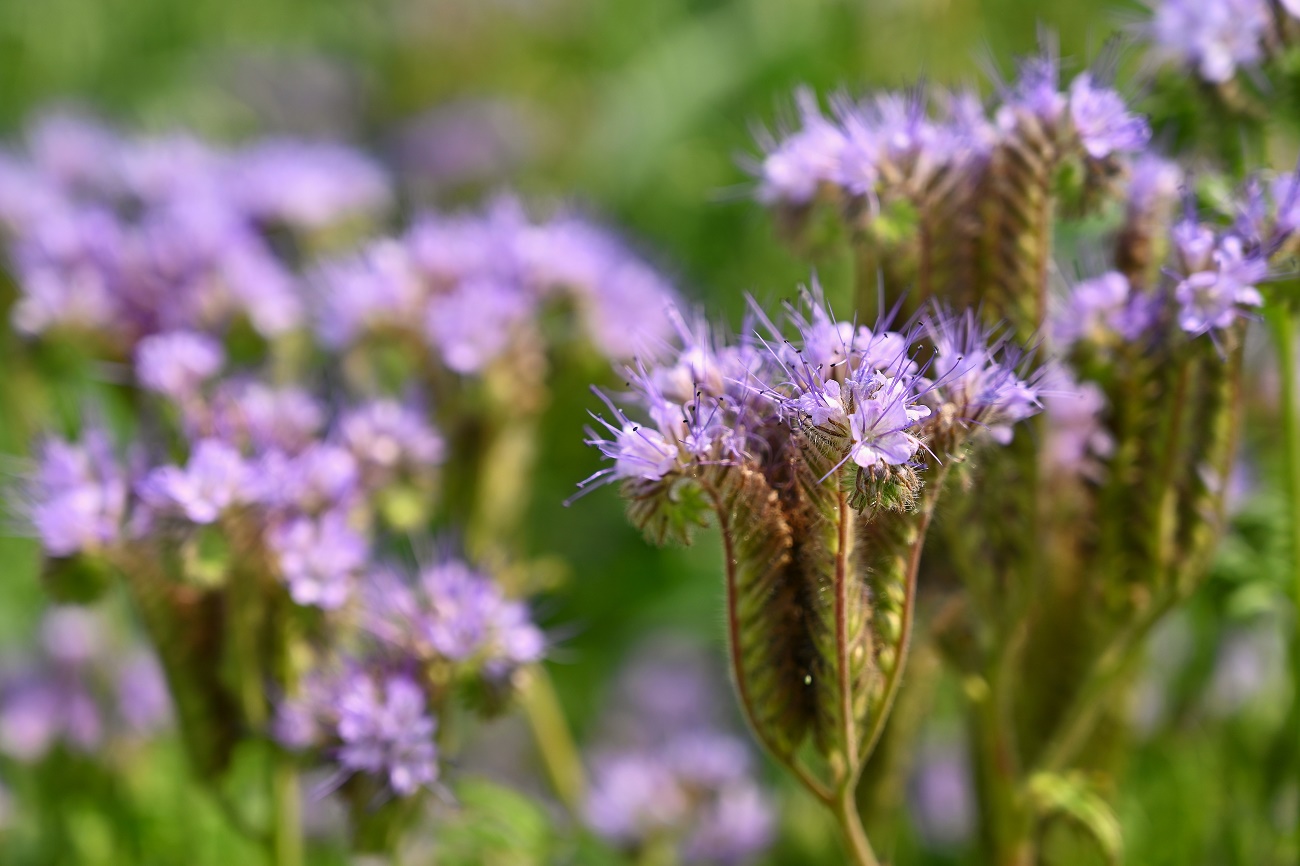
Experienced gardeners are well aware of the plants that help deoxidize their soil. These are green manure crops. They provide an effect comparable to liming. These plants don't harm the soil; on the contrary, they enrich it with nutrients. Green manure crops include:
- rape;
- wheat;
- oats;
- oilseed radish;
- wheat;
- sweet clover.
They are sown in early spring; they are frost-resistant. The seeds are mixed with sand to ensure uniform germination and planted to a depth of 15–20 mm. If the weather is hot, the young shoots are irrigated. Green manure should grow throughout the summer. In the first weeks of autumn, the grass is mown but not harvested. The grass is dug in along with the soil and incorporated to the depth of a spade. After this, the soil acidity usually returns to normal; otherwise, green manure is sown again the following year.
You can also try deacidifying the soil with baking soda. Regardless of which method you choose, if done correctly, the pH will quickly return to normal.