Which garden hose to choose: looking for one that's durable and kink-resistant
No gardener can live without a hose. Hoses come in a variety of shapes and lengths, made of different materials, and for different purposes. If you're having trouble deciding which hose is right for you, read our article. We'll explain what parameters to pay attention to, what recommendations to follow, and what rules to adhere to to ensure the hose lasts a long time. So, let's choose a sewing hose together.
Content
Types of garden hoses
There are several basic types:
- water;
- microporous;
- drip.
Water (traditional)
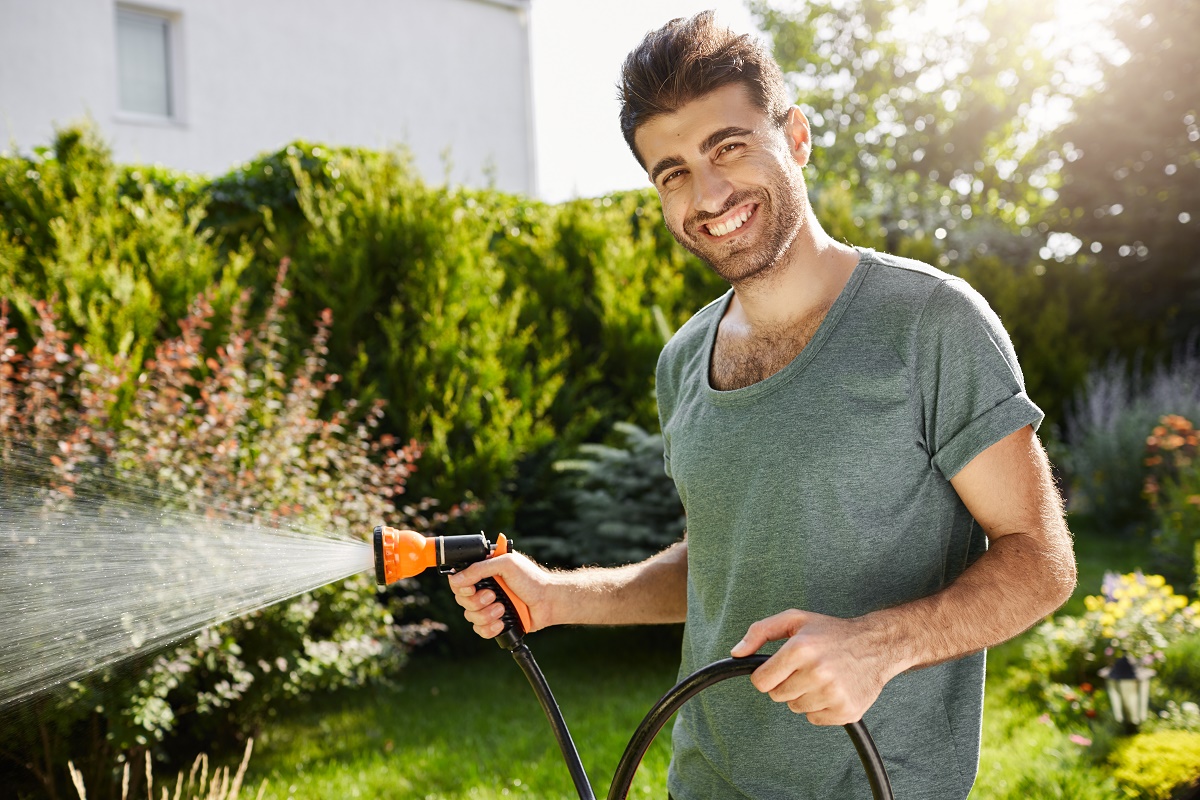
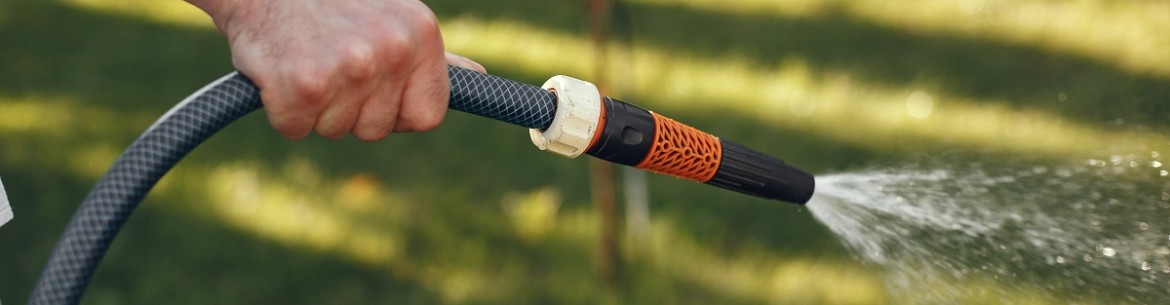
How do you choose a watering hose if you need to moisten plant roots using a spray gun or a sprayer? A regular garden hose will do the job. It doesn't change shape, maintaining its original shape whether used or coiled. A reliable and versatile gardening tool.
Microporous
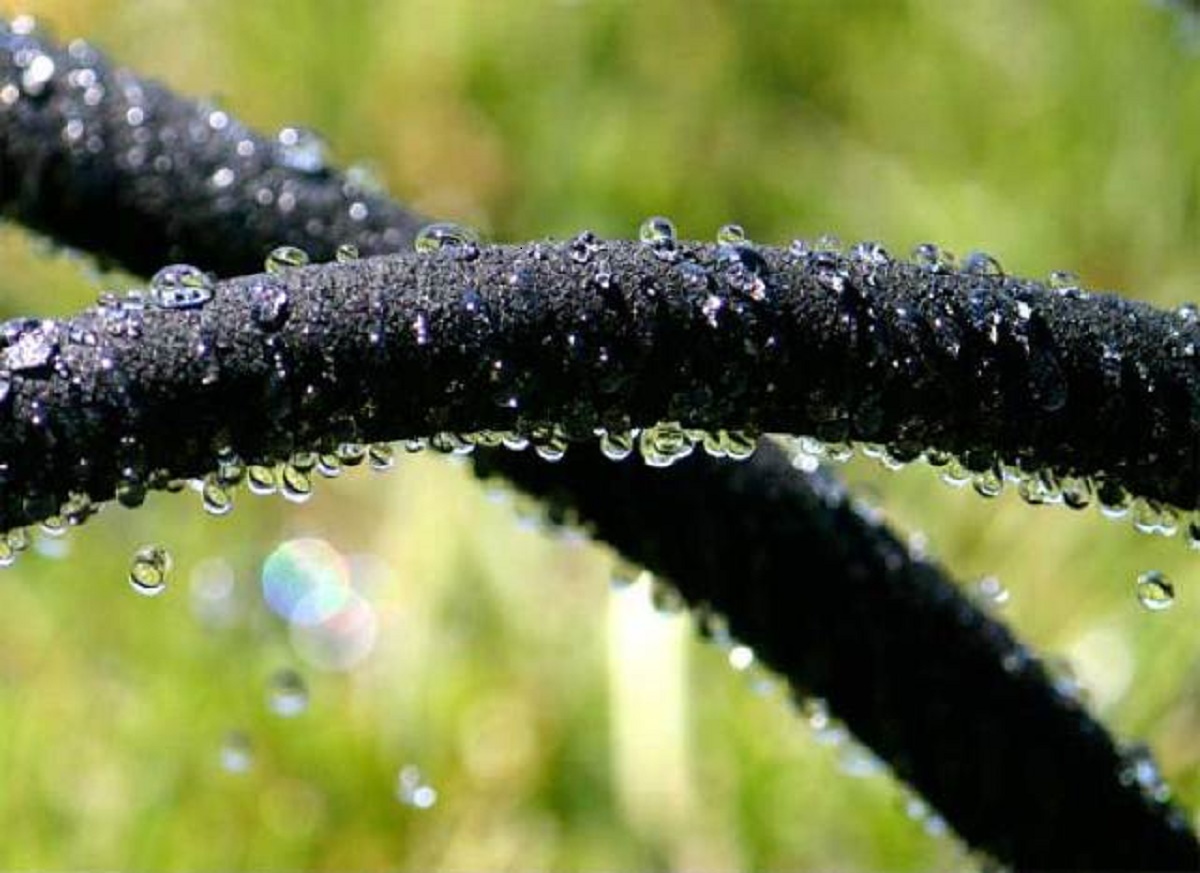
Their unique feature is that water flows along the entire length of the sleeve. This model is used for long-term irrigation of agricultural crops.
These sleeves are also called weeping sleeves. They are chosen when it is necessary to carefully water plants right at the roots. They are placed on the soil surface or buried at a shallow depth.
When the water is turned on, the hose becomes coated with fine droplets of water. Because the material is microporous, this equipment doesn't become clogged with soil and isn't affected by growing roots.
Drip
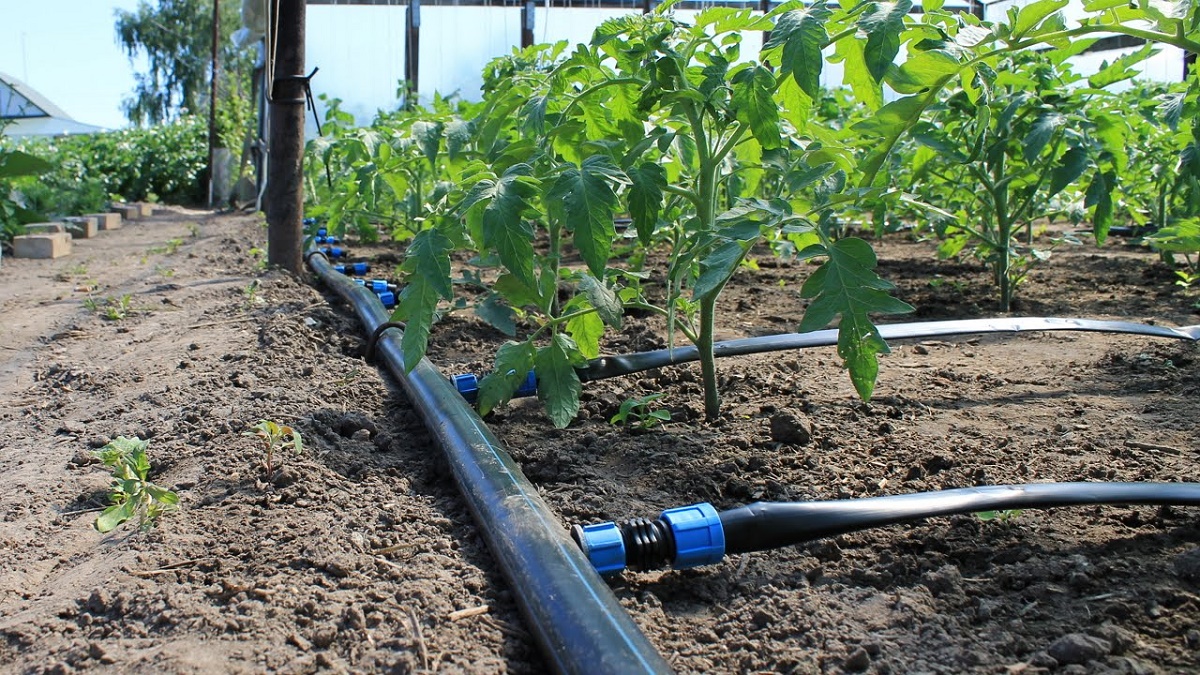
A drip system element. They are purchased to create an irrigation system. The sleeve is laid on the ground or installed in the root zone between rows.
Allows you to supply moisture in small doses to the root zone.
Selecting a hose based on your needs and watering conditions
To choose the right equipment and use it effectively, consider the specific features of your garden: its shape, size, and vegetation. These will determine the characteristics of your future hose.
Length
Depends on the area and shape of the site, as well as the accessibility of all its zones.
The sleeve length should be sufficient to provide moisture to any point in your garden or vegetable patch.
There's no need to buy the longest model. You can buy several shorter ones and then connect them using special hardware.
Watering pressure and distance
Both of these criteria depend on the water pressure and the pressure in the water tank, which is regulated by special mechanisms.
The higher the pressure, the more liquid the hose can pump in a given amount of time. Remember that if the water pressure is consistently high, the hose material must be strong.
Water flow regulation
To regulate the water flow, you'll need a spray gun. This way, you can determine the amount of liquid your plants receive.
Hose materials and characteristics
How do you choose a garden hose that won't kink? When purchasing, be sure to pay attention to the material the equipment is made of. Garden hoses are typically made of rubber, PVC, or a combination of these and other materials.
Polyvinyl chloride
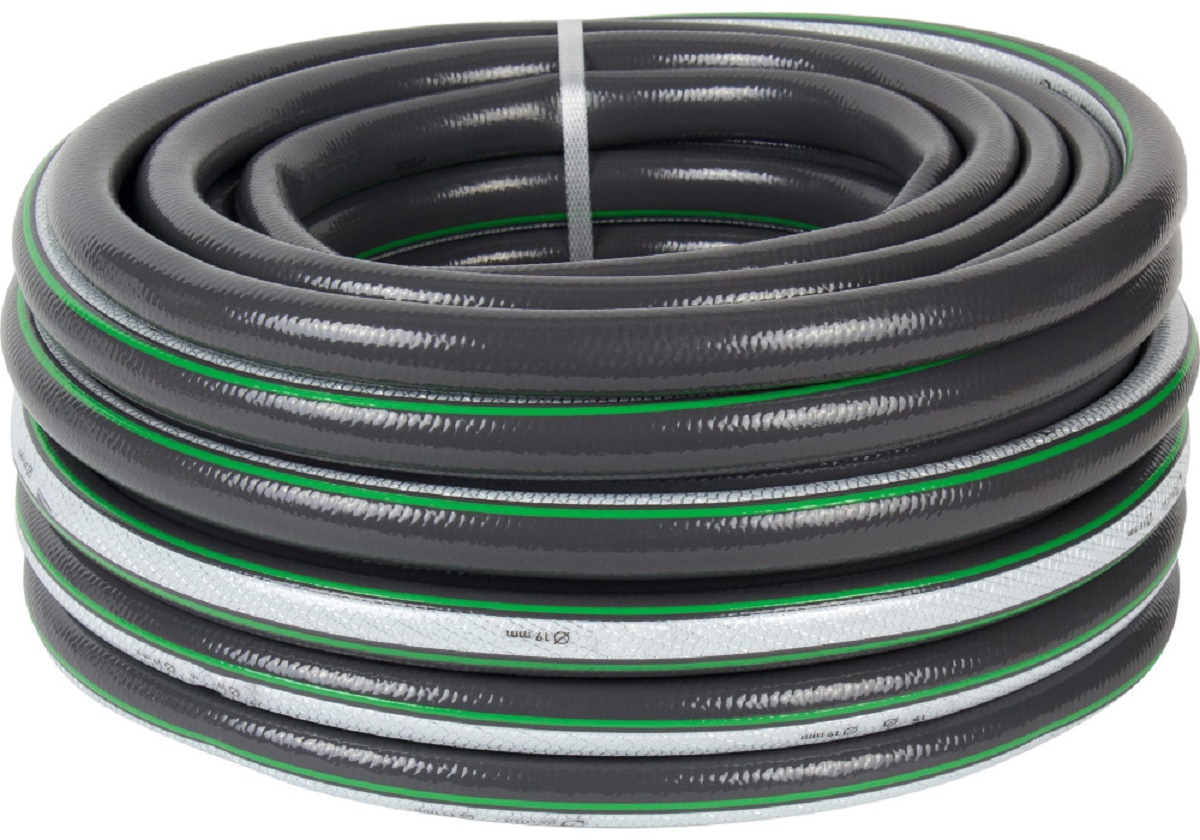
They can be single-layer without a reinforcing layer or have several layers.
If the sleeve is transparent, we do not recommend placing it along the garden beds. Exposure to ultraviolet light will cause it to turn green from the inside and become contaminated with microorganisms.
Withstands water pressure from 1.5 to 3 atmospheres.
Its advantages:
- will last about 35 years;
- Multilayer ones contain non-food and food-grade plastic, so algae does not grow in the internal cavity;
- provide stable and long-lasting water pressure;
- affordable.
Flaws:
- Single-layer sleeves are very thin and prone to twisting, breaking and bending, so they wear out quickly;
- fade quickly in the sun;
- if they are used at temperatures below -5 °C, they quickly lose elasticity;
- Microorganisms and algae may develop on transparent products;
- The service life of non-reinforced hoses is less than 3 years.
Silicone
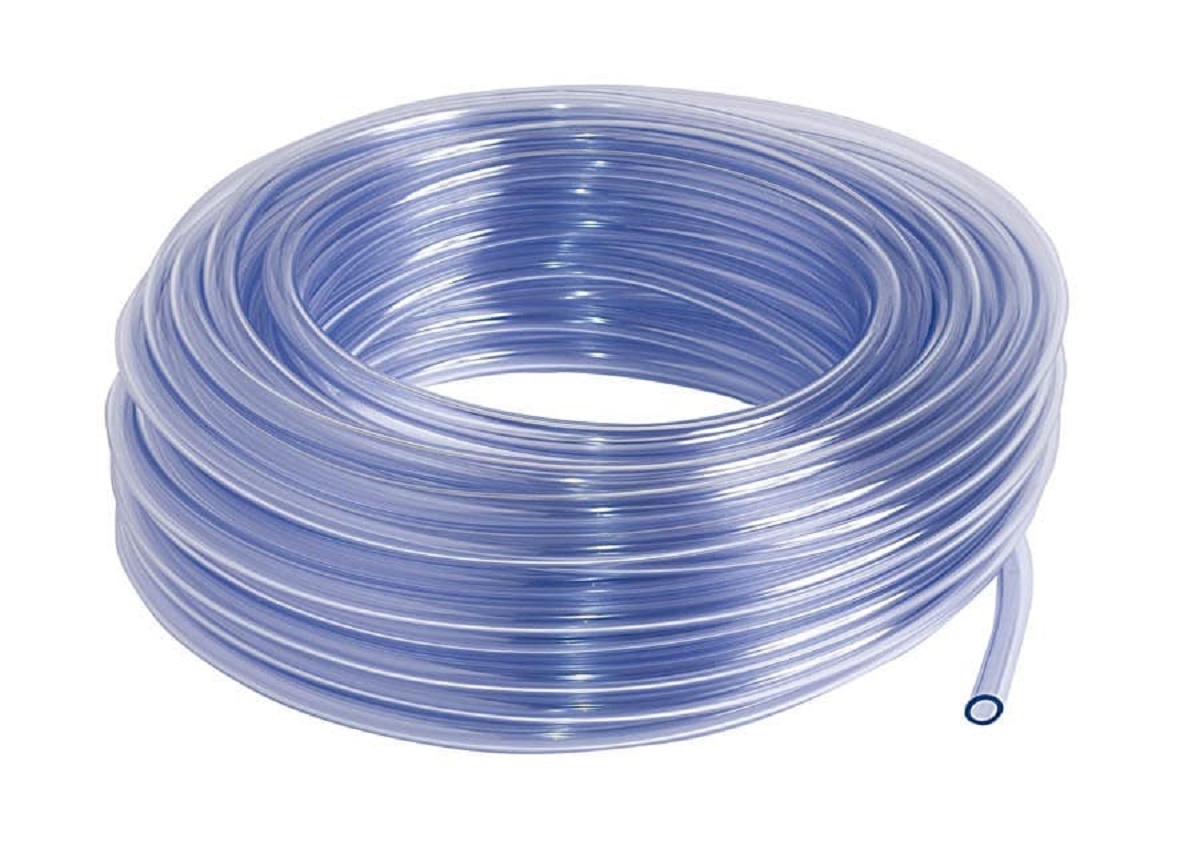
Exclusively for gravity-fed watering of the garden. With proper use, they last from 3 to 5 years.
Advantages:
- elastic, flexible and soft;
- retain their properties at temperatures from –20 to +40 °C;
- creases and bends rarely occur;
- lungs.
Flaws:
- not suitable for high pressure watering, otherwise the outer walls will stretch and crack;
- It is prohibited to supply water under high pressure;
- fail to provide high water flow pressure;
- If hot water is supplied, the walls of the sleeve can heat up and expand; when the silicone cools, microcracks form on it, and the walls begin to collapse;
Rubber
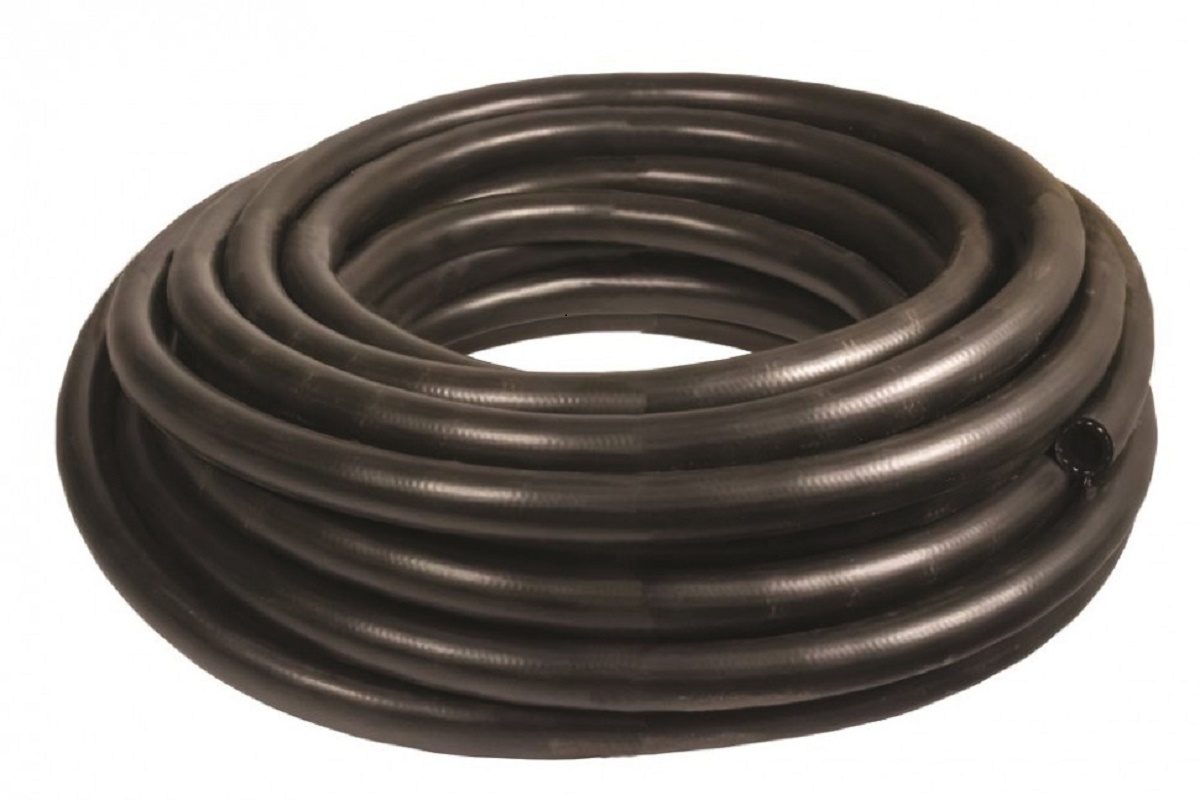
The simplest and most accessible option.
Advantages:
- inexpensive;
- if reinforced with nylon, it will last a long time;
- plastic and flexible;
- not susceptible to ultraviolet radiation.
Flaws:
- sensitive to temperature changes;
- if it is not reinforced, it is prone to creasing and will only last a couple of seasons;
- heavy;
- not suitable for pumping drinking water;
- may damage plants.
Polyurethane
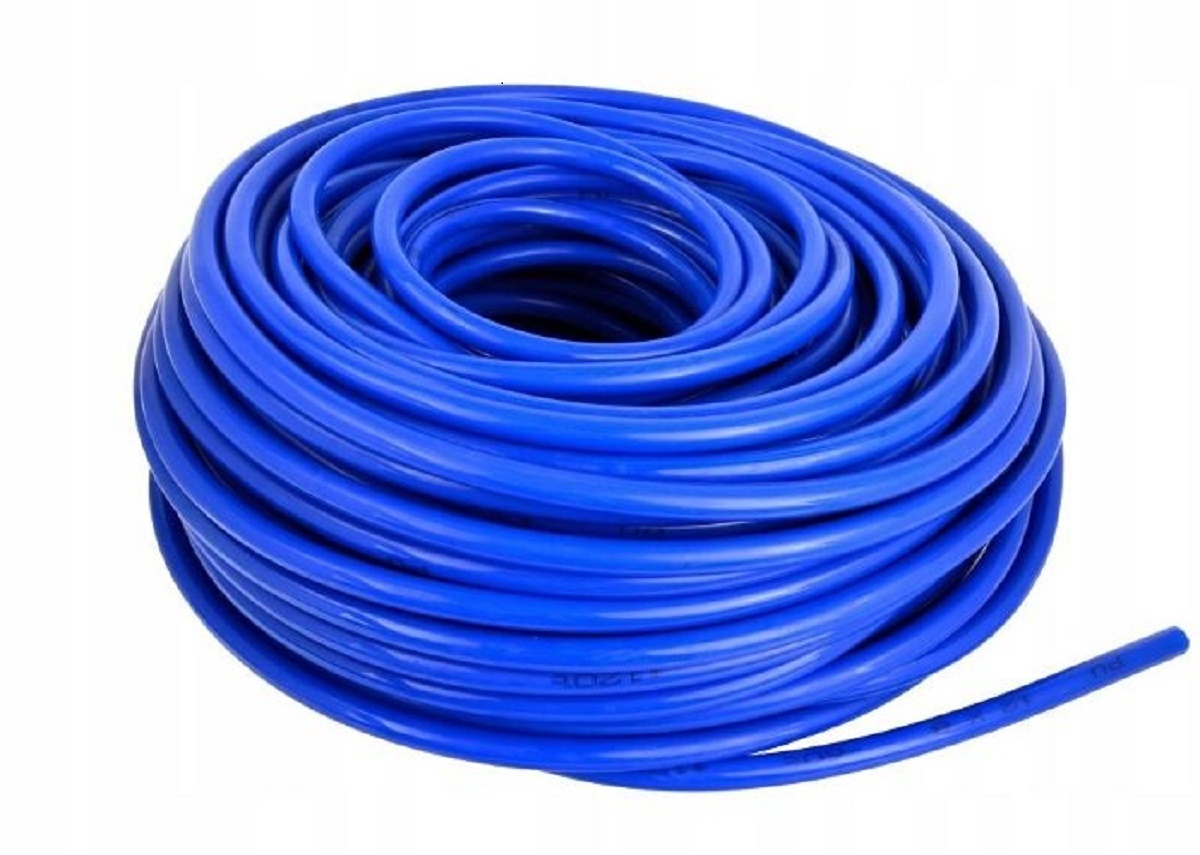
An ideal, but not exactly budget option.
Advantages:
- not afraid of sunlight;
- light and durable;
- do not deform due to temperature changes;
- if equipped with bronze connections, they are immediately ready for creating pipelines;
- For ease of use, they are made in the form of spirals.
When choosing a model, you should consider all the material features and decide whether the equipment is suitable for your specific situation. Every detail will matter: where you'll store the hose, what temperature you'll use it at, how long you plan to use it, and so on.
Important selection criteria: diameter, wall thickness, and whether the sleeve can be twisted and stretched.
Additional features and accessories
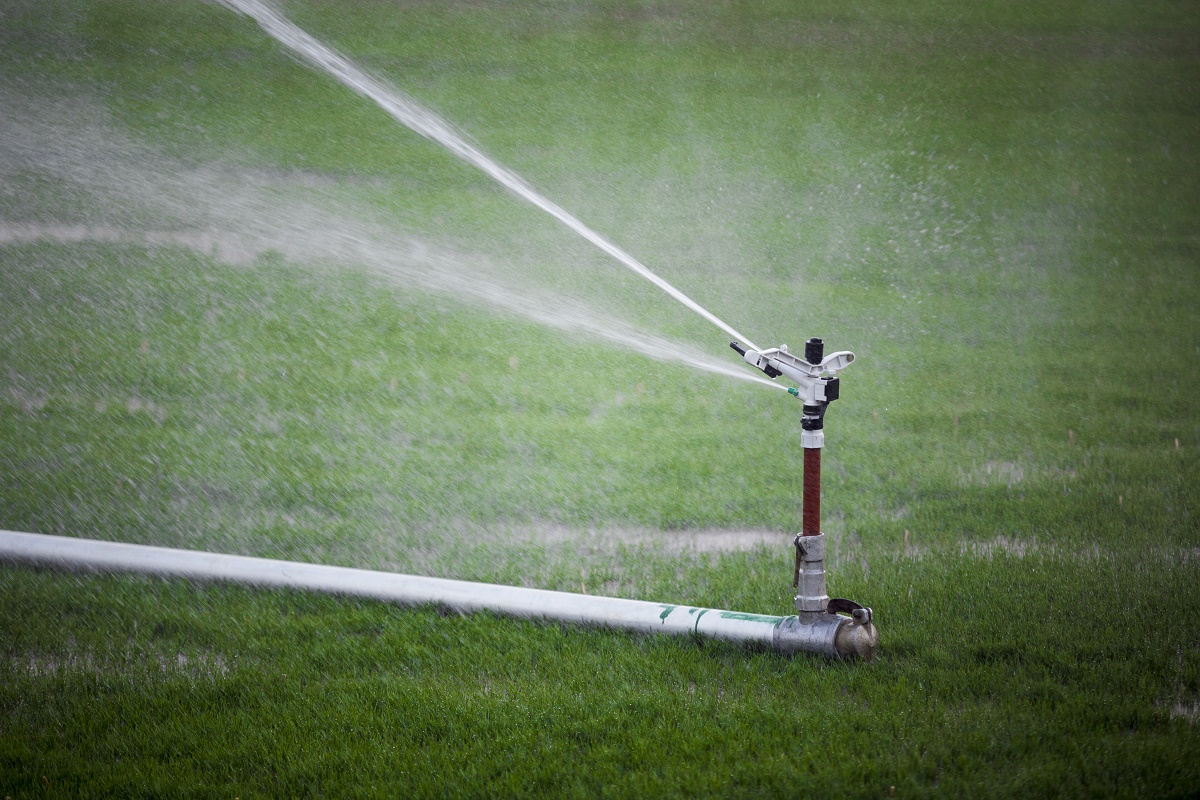
You can always increase the productivity and efficiency of your irrigation by using sprinklers, nozzles and connections.
A sprinkler—a watering head—is installed in a network of pressurized water pipes. This component is also called a sprinkler, nozzle, sprinkler, or watering head.
A garden hose attachment adjusts the spray rate and coverage area, significantly simplifying garden maintenance. The owner no longer has to constantly grip the end of the hose.
Connector fittings connect the hose to a faucet or other equipment. They create a tight and durable connection, allowing for convenient connection and disconnection of water.
Automatic irrigation systems
Such systems are gaining increasing popularity, especially among owners of large agricultural areas. Automatic irrigation is convenient for vegetable gardens, greenhouses, and orchards.
The main types of automatic irrigation systems:
- sprinkling;
- drip irrigation system;
- irrigation.
You can either order the installation of a ready-made system or build it yourself.
In this case, it's better and easier to opt for a drip irrigation system. Water consumption with this system is quite economical. A drip hose system is convenient for supplying greenhouses and garden beds with moisture. This prevents the soil from becoming overwatered.
For drip irrigation of bushes and trees, use special drippers.
Estimated cost
The price range for hoses is quite wide. Rubber hoses are the cheapest, while PVC and polyurethane hoses are more expensive. The cost of polyurethane hoses depends on whether the hose is reinforced or not.
When choosing a model, consider how often and how long you plan to use the equipment. If you're looking for a long-term garden hose, we recommend considering more expensive models that are guaranteed to last.
The variety of models gives the gardener the opportunity to choose the ideal option for watering the plot.
When purchasing, consider the product's technical specifications. They must meet all stated requirements. Now you know how to choose a good hose.
Remember that you will only purchase a long-lasting, high-quality hose from trusted manufacturers.