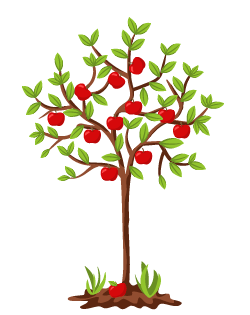
Why doesn't the apple tree shed its leaves in winter?
Fall leaf fall is a common occurrence. Different apple tree species shed their leaves at different times, but by the onset of winter, they are all bare. However, it also happens that some trees greet the snowfall with their crowns still green. This should alert the gardener. An apple tree won't go into winter with its leaves intact for no apparent reason.
Content
The natural process of trees shedding leaves
With the onset of autumn, the foliage of deciduous trees changes from green to yellow, orange, and red. This occurs due to the breakdown of the green pigment (chlorophyll) in the leaves. Chlorophyll is destroyed by shortening daylight hours and a lack of water. Trees no longer receive sufficient moisture and nutrients. Life processes cease. Apple trees no longer need leaves; evaporation must be stopped. The trees shed their leaves. In spring, water from the soil begins to flow to the roots, and the green crown is reborn.
Why doesn't my apple tree shed its leaves for the winter? Healthy trees shed their leaves at the appropriate time. This is a signal to enter dormancy.
Influence of climatic conditions
Sometimes climatic conditions don't align with the season. Unseasonably warm weather in August and September stimulates growth in fruit trees and delays their preparation for winter. Leaves linger, or don't fall on apple trees for the winter.
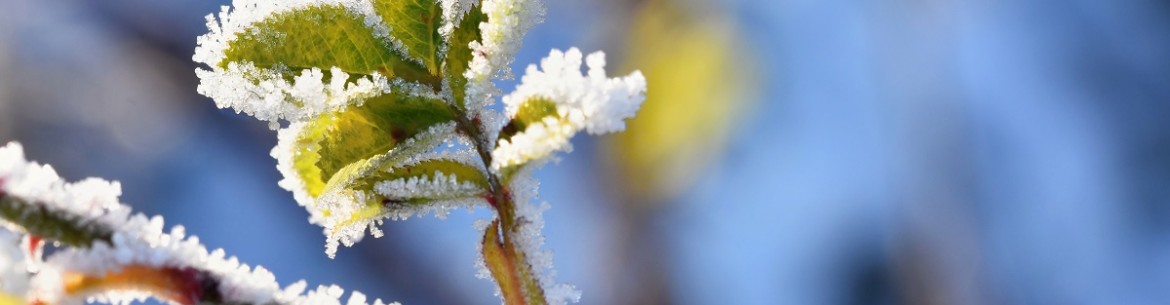
Sometimes temperatures drop before the expected climatic conditions. The cold kills leaf tissue, cells stop functioning, and leaves don't have time to change color and fall off.
Lighting also influences leaf shedding in crops. Under natural conditions, daylight hours become shorter in autumn. For apple trees, this is a sign of approaching winter. For trees under artificial lighting, days are as long as in summer.
This results in the preservation of a green crown.
Apple tree productivity and longevity are directly related to irrigation. Insufficient water reduces fruit yield and flavor, and the tree ages quickly. It can also shed its leaves prematurely. Excessive watering is no less detrimental, leading to leaf fall in the summer.
The role of genetics and varietal characteristics
In addition to pigments, leaves contain the plant growth hormone auxin. It controls the death layer located at the base of leaf petioles. With the onset of autumn, auxin production ceases, and the death rate increases.
Three gene clusters are involved in the stages of leaf shedding. The first cluster is active before leaf senescence, the second prepares for leaf fall, and the third controls leaf shedding.
A genetic glitch could cause the third cluster of genes to fail to "work" and the leaves to remain on the apple tree.
Health and condition of the apple tree
One reason a tree's leaves aren't falling could be disease. Why hasn't the apple tree shed its leaves for the winter? For example, fire blight can cause this condition. The leaves turn black and become covered in a waxy coating, but they remain strong and long-lasting.
Cultural practices and artificial interventions
Apple tree pruning is a necessary agricultural practice that thins the crown, removes diseased, dead, and broken branches, increases canopy light, and, ultimately, increases yield. However, in the fall, only sanitary pruning is performed to prepare the tree for winter. This procedure is carried out after leaf fall. Pruning performed out of season (before leaf fall) causes the tree to recover and grow new shoots and leaves, heading into winter with a green canopy.
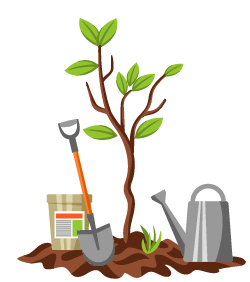
Overfeeding the crop with nitrogen in the fall stimulates the growth of green mass. Leaves are reluctant to leave the plant. In the fall, phosphorus and potassium fertilizers are used as supplementary nutrition to prepare fruit trees for winter. A healthy tree receiving adequate nutrition will prepare well for dormancy and shed its leaves in a timely manner.
It's possible to help an apple tree survive the winter with its leaves intact. Under no circumstances should you pluck or cut off the leaves. This will damage the tree and may kill it. At best, you should build a frost shelter.
You can use special chemicals that promote leaf shedding. For example, defoliants accelerate the aging process. Their use causes leaf fall. The use of such chemicals is controversial. It is unclear whether the benefits outweigh the harm.
There are quite a few factors that influence leaf fall (or rather, the lack thereof):
- overfeeding with nitrogen at the end of summer or adding humus to the tree trunk circles in the fall;
- planting young plants in holes filled with nitrogen;
- incorrect watering in summer or heavy rains in autumn after a dry summer;
- planting varieties with a long growing season;
- early winter with a sharp drop in temperature.
It's important to notice early on that apple trees aren't ready for winter and help them. And best of all, avoid making mistakes when growing fruit trees.