Determining soil acidity at home
Content
Soil acidity in detail
Soil acidity is measured in pH units and is determined by the amount of hydrogen ions present in the soil. As this amount increases soil becomes more acidic.
The pH typically ranges from 3.5 to 8. At a neutral pH, heavy metals do not accumulate in plants. Acidic soil creates conditions conducive to the accumulation of heavy metals in plants. The activity of beneficial soil bacteria is neutralized. Bacteria near the roots die. Without their help, plants cannot absorb nitrogen.
Soil acidity determines its composition and quality. Acidity affects density, air permeability, water permeability, the activity of soil organisms, and overall soil fertility.
For most crops, the most favorable soil is one with neutral or close to neutral acidity.
How to collect soil samples for measurement
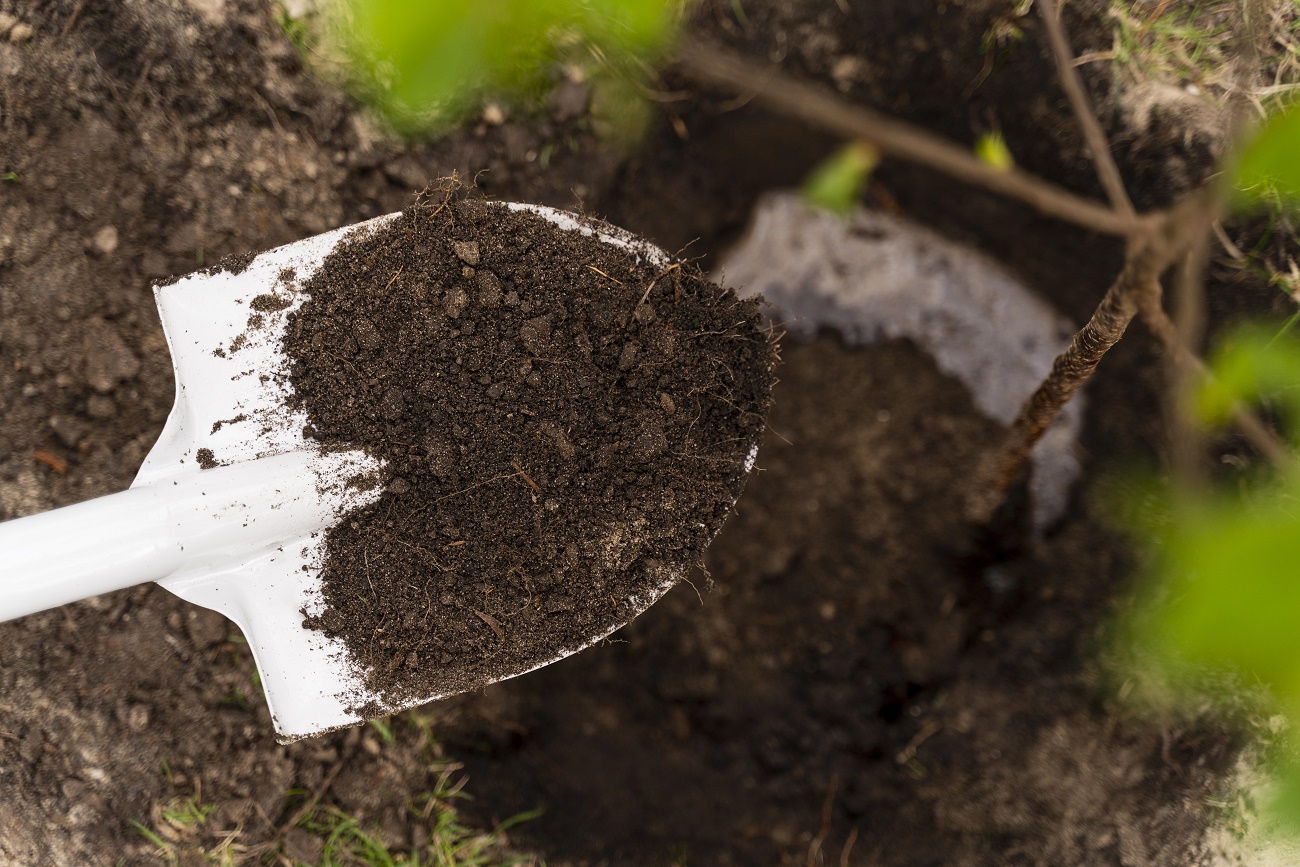
Soil samples for subsequent analysis are taken from the top layer of the plot at different locations. Typically, samples are taken from four points along the edges of the plot and one in the center. A shovel or spoon is used for sampling. Avoid touching the soil with your hands and avoid smoking during the process to avoid skewed results. Samples are packaged in paper or plastic bags.
Method for determining acidity
To determine the acidity level, special devices (pH testers) are used, which are available at gardening stores. A precise soil analysis can also be performed in a chemical laboratory. Litmus paper can be used to determine the acidity level. There are also folk methods, but they are not as accurate.
How to test soil acidity at home? Here's the process:
- Take a handful of soil from the fertile soil layer.
- Dry at room temperature for three days.
- Using electronic scales, weigh 20 g of soil in a disposable cup.
- Repeat the procedure to make 2 cups.
- Pour 50 ml of water into a glass and dissolve 6 g of table salt in it.
- Pour 50 ml of water into another glass.
- Add the salt solution to one of the cups containing soil and stir. Let it sit until sediment forms.
- Pour water without salt into the second glass with soil.
- Briefly place a strip of indicator paper into each vessel. The strips will change color.
- The scale can be used to determine the composition of the soil.
Subtract the pH reading obtained in the cup with salt from the reading obtained in the cup without salt. If the difference is more than two units, the soil is acidic. Measures to deacidify it are necessary.
Visual methods for determining soil acidity

It's possible to determine whether the soil on your property is acidic without going to a lab. How do you test the soil acidity at your dacha?
By the appearance of the soil
A whitish or gray-green coating on the soil indicates acidity. The soil resembles play dough, absorbing water poorly, and clumps are difficult to break up. In hot weather, water spreads across the surface, not reaching the plant roots. Puddles after rain have a rusty tint, with a rainbow-colored film appearing on the surface.
Through the weeds
It's worth carefully examining your plot to determine the degree of acidity. Horsetail, chickweed, sphagnum, plantain, and creeping buttercup grow abundantly in highly acidic soil.
By the color of beet tops
The beet's appearance will tell you whether it likes the soil. In suitable soil, beet leaves are large and green, and the petioles are red. The beet will grow large.
In acidic soil, beet leaves are red and small. Don't expect a harvest.
Scientific methods
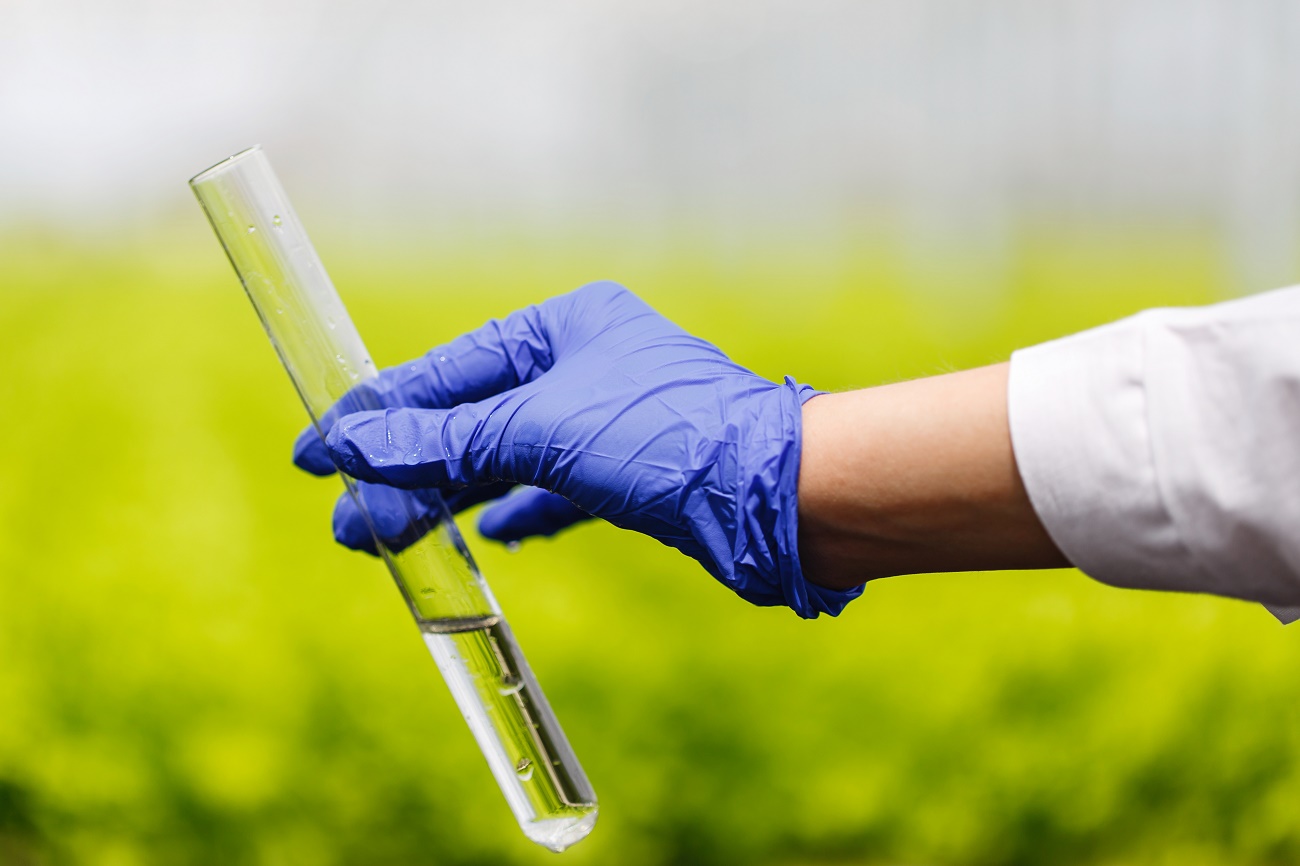
If necessary, soil acidity can be determined not only by visual signs.
Litmus test strip testing
You can buy litmus strips at a gardening supply store to test your soil samples. Use them to determine the acidity yourself:
- we take handfuls of soil from different places on the site;
- place the samples in gauze;
- put it in a glass of distilled water;
- leave it for a certain amount of time (according to the instructions);
- We lower a litmus strip into the water.
The strip will change color. Using the color scale included in the kit, we determine the soil's acidity. The error may be about two units, but the overall picture will be clear.
Acidometers
Soil acidity measuring devices are available at gardening stores. These include pH testers and electrical devices. They provide accurate readings and are easy to use, accessible to any gardener.
To check, insert the probe into the soil. The result is displayed on the indicator panel. The probe should be clean, free of dirt and oil stains. Dry soil should be moistened.
Electrical instruments show not only the acidity, but also the soil moisture and its temperature.
Folk methods for determining soil acidity
How can I find out the acidity of my soil? You can determine the pH level using simple but effective methods:
- Steep currant, cherry, or bird cherry leaves in boiling water. Let the water cool. Add a handful of soil. The water will turn reddish. If the color is reddish, the soil is acidic.
- Place a piece of soil in a glass of grape juice. A color change and the presence of bubbles indicate the soil is neutral.
- Mix a soil sample with vinegar. If the soil is highly acidic, nothing will happen. A slight fizzing sound indicates slightly acidic soil. Strong fizzing and foaming will occur if the soil is alkaline.
- Mix a handful of soil with water and baking soda. The soil will fizz if it's acidic.
- Brew black tea and add a lump of soil. If the tea turns pale when stirred, the soil is acidic.