Using sawdust in the garden: benefits and harms, which is better, rules of use
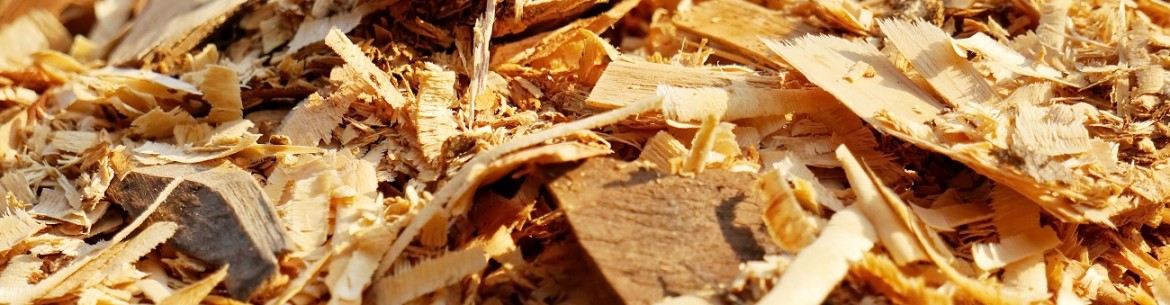
Many gardeners use sawdust to improve soil properties. This waste, generated during tree felling, brings many benefits to gardeners.
Content
Pros and cons of using sawdust
Sawdust helps to:
- fertilizing the substrate, increasing its fertility;
- creating favorable conditions for the germination of seedlings;
- weed control;
- protecting plant roots from heat and cold;
- giving the paths in the garden a well-groomed appearance.
If necessary, sawdust can quickly acidify the soil, which has a positive effect on the growth of many garden crops. Wood shavings are used in various soil types. The benefits of this fertilizer are obvious: it stays in the soil for a long time, absorbing and retaining moisture. Gardeners in regions with hot and dry climates take advantage of this property of sawdust. Removing excess moisture helps protect plants from overwatering and prevents root rot.
The benefits of sawdust for soil are obvious. They often serve as a covering, a bed for berries, and also prevent weed growth. Sawdust repels harmful insects and protects plants from freezing in winter.
The key is to use them wisely, otherwise they can harm plants. Wood shavings draw nitrogen from the soil, so applying them in large quantities is undesirable. Ignoring this recommendation also risks rapid soil acidification. Raw and fresh sawdust are ineffective for plants; they draw nutrients, depleting the soil. Only rotted, dry sawdust should be used as fertilizer. It's important to carefully select the type of sawdust to avoid introducing diseases into the garden. Some crops do not tolerate wood shavings from deciduous and oak trees. The damage sawdust can cause to the soil cannot be ignored.
Ways to use sawdust on the site
There are many ways to use wood chips around the property.
Mulching
Sawdust mulch prevents rapid evaporation of moisture from the soil surface. The rate of this process is affected by wind speed and temperature. On hot and windy days, the soil dries out quickly. Its moisture content decreases, and plant roots are unable to properly absorb the nutrients they need for growth.
A layer of wood chips laid on top of the soil is called mulch. It slows down moisture evaporation, eliminating the need for frequent watering.
Fresh wood shavings negatively affect the acidity of the soil, so after laying them, crops are watered not only with ordinary water, but also with nitrogen-based fertilizers and alkaline additives.
Good fertilizer
Fertilizers made from wood chips are produced by decomposing them. Sawdust is often mixed with manure or litter, and bifidobacteria are added.
Natural decomposition takes several years, and its speed is affected by the tree species, humidity, and temperature. Combining sawdust with manure or dung accelerates this process, making the resulting compost more beneficial. This fertilizer contains glucose, calcium, phosphorus, and nitrogen. It is recommended to apply it from fall to spring.
The fastest to rot are the chips of soft deciduous trees.
For paths
Paths can be prevented from becoming muddy during rainy weather by covering them with wood chips. This is a good alternative to crushed stone, broken brick, and slate. Sawdust not only absorbs dirt but also improves the soil structure.
If you decide to change the configuration or layout of the beds or re-dig the area, sawdust will be beneficial. It will improve the soil structure, making it looser and enriching it with nutrients.
To reduce the negative impact of wood shavings on the soil, treat paths with urea, ash solution, or slaked lime three or four times a year. These products can compensate for nitrogen loss and normalize soil acidity.
When deciding whether to use softwood or hardwood sawdust, consider their different decomposition times. Hardwood sawdust decomposes into compost more quickly. Alder or poplar sawdust takes one or two seasons to decompose. Oak and softwood sawdust decompose in three to five seasons.
For garden beds
Wood shavings are also used when designing heated garden beds. This is especially important in low-lying areas. Here's how to proceed:
- A trench 25 cm deep is dug at the site of the future garden bed, after which it is filled with wood chips with the addition of ash and lime.
- The excavated soil is placed on top. This raises the beds, and the sawdust inside provides the garden crops with nutrients and retains excess moisture.
It is also recommended to mulch the beds.
For seed germination
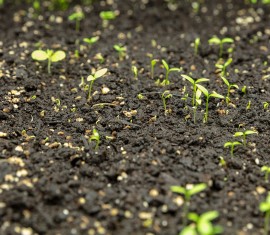
Wood waste in the soil increases its fertility, which promotes accelerated plant growth. Sawdust contains cellulose, which, when decomposed, breaks down into glucose and carbon dioxide. Wood shavings are rich in nutrients essential for plants. They can be used to quickly germinate cucumbers and other vegetables.
For an early potato harvest
Sawdust can speed up the potato ripening process. Add it to the planting holes, mixed with bark and pine needles, during the planting process. The crop will ripen much earlier than your neighbors'.
Another option for using sawdust when growing potatoes is to place seed tubers on top, covering them with another layer of sawdust approximately 2–3 cm thick. The contents of the box should be watered periodically. Once sprouts reach 6–8 cm in height, the potatoes are transplanted into open ground.
Insulation of plants
Sawdust not only fertilizes but also insulates plants. The shavings are filled into thick bags and placed around the crops. This is an effective way to protect plants from cold and excessive moisture.
A frame, like a bottomless wooden box, is built over the perennials. It is filled almost to the top with wood shavings, then wrapped in thick cellophane. You can also sprinkle soil on top of this structure.
Don't try to insulate garden crops by simply sprinkling them with sawdust, as this will attract mice. Furthermore, the shavings may become soggy, damaging the plants.
On the farm
Owners of summer cottages and private homes use sawdust not only in their gardens but also around the home. Wood shavings, for example, make excellent animal bedding. To make bedding, sawdust is usually combined with peat or straw.
Conifers and deciduous trees: which is better for the garden?
Gardeners often debate which sawdust is better for their gardens: deciduous or coniferous. Both types improve soil structure, which is especially important in clay soils.
When used correctly, any sawdust will benefit your plants. Otherwise, the soil may become unsuitable for growing garden plants. All types of sawdust increase soil acidity and deplete nitrogen. This necessitates the addition of fertilizers that can offset these negative effects.
If the site's substrate consists of solid clay, sand should be added along with the wood shavings. It's also important to remember that fresh wood waste heats up significantly during decomposition, leading to increased soil temperature and overheating of plant roots. Fresh wood shavings should not be placed close to rhizomes.
Conifers
Coniferous sawdust includes pine and spruce sawdust, which is easy to obtain because these woods are widely used in carpentry and joinery. These sawdust are rich in resin, which helps absorb more nitrogen from the soil.
Pine sawdust serves as a balanced fertilizer and is placed in ditches and pits. When using it, it is necessary to increase the dosage of nitrogen fertilizers, slaked lime, or ash.
Deciduous
Hardwood sawdust contains less resin, so it rots faster. This type of wood shavings is less readily available; some gardeners use dried and shredded branches and knots from fruit trees instead. Caution is required in this case, as the dried branches may contain diseased or pest-infested branches, which can infect the plantings.
You should use the wood shavings that are easiest and cheapest to deliver to the site. Besides sawdust, it's important to use other fertilizers.