Ammonium Nitrate: Secrets of Use in Gardening
For those beginning to garden, plant nutrition is a key consideration. Among the various types of fertilizers, ammonium nitrate holds a special place. It is a source of nitrogen, which is essential for plant growth. In this article, we'll discuss what ammonium nitrate is, why it's needed, and how to use it in the garden.
Content
What is ammonium nitrate and why is it needed?
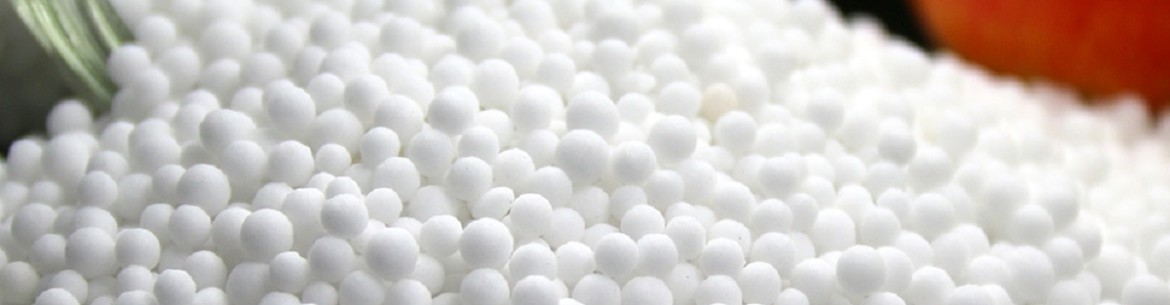
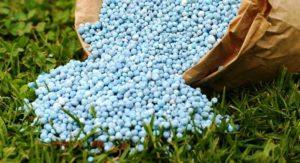 Ammonium nitrate Nitrogen is a chemical compound containing nitrogen. In its pure form, it appears as white granules that dissolve readily in water. Nitrogen is used as a fertilizer due to its high nitrogen content. Nitrogen is one of the essential elements for plant development. A deficiency can lead to stunted growth and reduced crop quality.
Using ammonium nitrate in the garden
The use of ammonium nitrate in gardening is highly justified. It is an inexpensive yet essential fertilizer for virtually any crop.
What is ammonium nitrate used for in the garden?
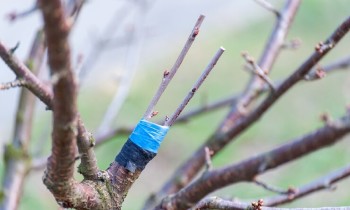
Ammonium nitrate can be used to fertilize a variety of garden crops, including fruit trees, shrubs, and berry plants. It helps stimulate growth and improve fruit quality.
What is ammonium nitrate used for in gardening?
Ammonium nitrate can also be used to fertilize vegetable crops such as potatoes, carrots, beets, cucumbers, tomatoes, and others. It helps increase yields and improve product quality.
How to apply ammonium nitrate
 When fertilizing with ammonium nitrate, several factors must be taken into account: timing, dosage, and application methods.
Deadlines for contributions
 The timing of ammonium nitrate application depends on many factors, such as soil type, climate conditions, plant growth stage, etc. However, in general, it is possible to give general recommendations for applying ammonium nitrate to certain crops.
Vegetable crops:
- Potatoes: before planting or during the growing season in the tuber formation phase (first half of summer).
- Cabbage: during the period of head formation (second half of summer).
- Tomatoes: after the first ovaries appear (second half of summer).
- Cucumbers: before planting or during the growing season, when the first shoots form (spring-summer).
- Onions: during the growing season, when the bulbs are forming (spring-summer)
Horticultural crops:
- Fruit trees: during the period of bud opening until flowering begins (spring).
- Raspberries: after harvest or during the period of active growth (spring or autumn).
- Currant: during the period of active growth (spring-summer).
- Strawberries: during the period of active growth (spring-summer).
Applying ammonium nitrate at an early stage of plant development will help accelerate the growth of green mass, while applying the fertilizer at a later stage will increase yield.
Application rates
Dosages depend on the soil type, crop, and plant development stage. General recommendations for ammonium nitrate application rates are 20 to 30 grams per square meter of soil. When using ammonium nitrate on fruit trees, the dosage is increased by 1.5 to 2 times. However, it's important to remember that too much nitrogen can lead to excessive foliage growth, which can lead to a reduction in crop yield.
Methods of application
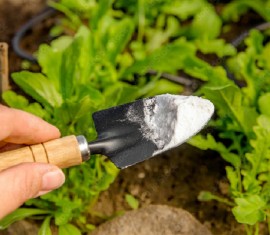
There are several ways to apply ammonium nitrate to the soil.
It is important to remember that before fertilizing, you need to water the soil so that the fertilizer dissolves quickly and does not burn the roots.
Do not apply fertilizer before rain or watering, as this can wash nitrogen out of the soil and reduce the effectiveness of the fertilizer.
Storage of ammonium nitrate
Ammonium nitrate should be stored in a dry place, protected from sunlight. Avoid storing it with other fertilizers to avoid mixing and potentially creating hazardous chemical compounds.
Ammonium nitrate is a useful and effective fertilizer for gardens and vegetable plots. It provides nitrogen, which is essential for plant growth and development. When used correctly, it can yield higher yields and improve the quality of produce. However, before applying the fertilizer, it's important to consider the soil type, crop, and plant development stage.