Nitrogen in the soil: how to determine and normalize nitrogen levels in your area
Nitrogen is an essential nutrient for plants, as it is a component of chlorophyll, which absorbs solar energy for growth. Nitrogen is also responsible for root development, the formation of dense bushes, and the synthesis of proteins and other important compounds. Without sufficient amounts of this nutrient, plants cannot fully develop and produce a good harvest.
However, nitrogen is a highly mobile element, easily washed out of the soil by rain or irrigation. Therefore, it is necessary to regularly monitor the nitrogen content in the soil and maintain it at an optimal level.
Content
Why do plants need nitrogen?
Nitrogen is a building block for plants, participating in the formation of cell walls, proteins, enzymes, hormones, vitamins, and other organic compounds. It is also essential for the synthesis of chlorophyll, the green pigment responsible for photosynthesis. Chlorophyll enables plants to absorb carbon dioxide from the air and release oxygen.
Nitrogen promotes vigorous plant growth, especially at the beginning of the growing season. It also increases crop resistance to disease and stress. It also influences crop quality.
Consequences of nitrogen deficiency for plants
A lack of nitrogen in the soil can lead to serious problems with plant development. Deficiency symptoms include:
- Slowing down of plant growth and development.
- Reduction in the number and size of leaves.
- Discoloration of leaves, starting from the bottom.
- Falling leaves.
- Decreased flowering and fruiting.
- Deterioration of fruit quality.
- Decreased winter hardiness and disease resistance.
What are nitrogen fertilizers used for?
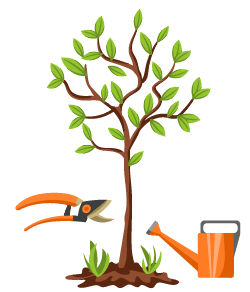
Nitrogen fertilizers are specialized preparations that contain nitrogen in a form accessible to plants. They are used to replenish the nitrogen in the soil and stimulate plant growth and development.
Types of nitrogen fertilizers
Nitrogen fertilizers can be mineral, liquid or organic.
Minerals
Mineral nitrogen fertilizers are chemical compounds that contain nitrogen in various forms: ammoniacal, nitrate, ammonium, or nitrate-ammonium. Each form has its own characteristics in terms of speed of action, plant uptake, and impact on the soil. For example, ammoniacal nitrogen is quickly absorbed by plants at any temperature but can cause soil acidification. Nitrate nitrogen acts more slowly but promotes the absorption of potassium, calcium, and magnesium. Ammonium nitrogen is converted in the soil into ammoniacal and nitrate forms by microorganisms, but only works at above-zero temperatures. Nitrate-ammonium nitrogen combines the properties of both forms.
Mineral nitrogen fertilizers include:
- Saltpeter contains nitrate nitrogen and can be potassium, calcium, sodium, or ammonium. Saltpeter dissolves quickly in water and is easily washed out of the soil.
- Nitroammophoska contains nitrate-ammonium nitrogen, phosphorus, and potassium. It is a complex fertilizer that provides plants with all the necessary nutrients.
- Ammophoska contains ammonia nitrogen, phosphorus, and potassium. It is also a complex fertilizer that is easily absorbed by plants at any temperature.
- Ammonium sulfate contains ammoniacal nitrogen and sulfur. It is an inexpensive and effective fertilizer suitable for acidic soils.
- Urea contains amide nitrogen. It is the most common and versatile fertilizer, suitable for all plants and soil types.
Liquid
Liquid nitrogen fertilizers are solutions containing nitrogen in various forms. They have the same properties as mineral fertilizers but are easier to use because they don't require pre-dissolution in water.
Organic
Organic nitrogen fertilizers are products of animal or plant origin that contain organic nitrogen. They not only replenish nitrogen reserves in the soil but also enrich it with organic matter, micronutrients, and beneficial microorganisms.
Organic nitrogen fertilizers act slowly but last a long time, do not cause soil acidification and do not pollute the environment.
Organic nitrogen fertilizers include:
- Manure contains nitrogen and other nutrients. It is the most readily available and widely used organic fertilizer.
- Compost is a valuable organic fertilizer that is obtained from decayed plant remains, food waste, sawdust and other organic materials.
- Green manure crops are specialized plants grown on a plot and then incorporated into the soil during tillage. Green manure crops enrich the soil with nitrogen, improve its structure, and suppress weeds.
Standards and rules for applying nitrogen fertilizers
Nitrogen application rates vary for different crops. However, there are general guidelines for using the fertilizer.
General rules
Applying nitrogen fertilizer requires adherence to certain standards and rules, which depend on the type of fertilizer, plant species, soil conditions, and climate conditions. Generally, the following recommendations should be followed:
- Determine the amount of nitrogen in the soil using specialized tests or laboratory analysis. This will help you choose the optimal type and dose of nitrogen fertilizer.
- Apply fertilizer according to plant development stages. Typically, nitrogen fertilizers are applied before sowing or planting to build up nitrogen reserves in the soil, and also during the period of active growth to stimulate plant growth.
- Maintain the correct dosage and frequency of application. Excess nitrogen in the soil can be just as harmful to plants as a deficiency. Therefore, it's important to strictly follow the manufacturer's instructions. The average dose of nitrogen fertilizer is 10 to 50 grams per square meter of area. The frequency of application depends on the type of fertilizer and can range from once to four times per season.
- Spread fertilizers evenly over the soil surface or bury them at a shallow depth.
- Combine mineral nitrogen in the soil with organic nitrogen, as well as other nutrients such as phosphorus, potassium, magnesium, calcium, and others. This will increase the effectiveness of nitrogen fertilizers and ensure balanced plant nutrition.
Nitrogen fertilizers for strawberries
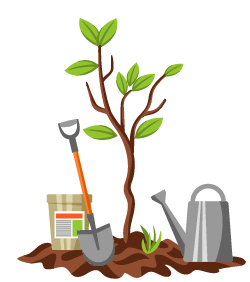
Strawberries are a berry crop that requires sufficient nitrogen to produce large, sweet berries. They can be fertilized with both mineral and organic fertilizers. Mineral fertilizers are best applied in the spring, when strawberries begin to actively grow and set fruit. Organic fertilizers are usually used in the fall, when the crop is preparing for winter and needs nutrition and protection.
In spring, strawberries can be fertilized with a urea solution (10 g per 10 liters of water) or nitroammophoska (20 g per 10 liters of water). Fertilize twice: once before flowering, and again after harvesting. The solution consumption rate is 1 liter per 1 square meter of plot.
In the fall, fertilize with a solution of manure (1 kg per 10 liters of water) or compost (2 kg per 10 liters of water). Fertilize once in late September or early October. The solution consumption rate is 3 liters per square meter of area.
For the lawn
A lawn is a decorative grass surface that requires regular maintenance and fertilization. Nitrogen fertilizers promote the formation of a dense, green lawn that tolerates mowing and trampling well.
During the season, the lawn can be fertilized with a urea solution (20 g per 10 liters of water) or nitroammophoska (30 g per 10 liters of water). Fertilize four times: the first time in early spring, when the lawn begins to emerge; the second time in late spring, when it is actively growing; the third time in midsummer; and the fourth time in early fall. The solution consumption rate is 5 liters per 10 square meters of the area.
For flowers
Nitrogen fertilizers promote the formation of beautiful, healthy flowers that retain their freshness and decorative appeal for a long time. During the period of active growth and flowering, it is advisable to feed them with a solution of ammonium nitrate (5 g per 10 liters of water) or nitroammophoska (10 g per 10 liters of water). Fertilize twice: once before flowering, and again after. The solution consumption is 1 liter per 1 square meter of the plot.
Once a year, flowers can be fertilized with a small amount of manure or compost. Fertilizing is done in late fall or early spring, when the soil has not yet frozen.
What are the dangers of excess nitrogen?
Excess nitrogen can lead to the following consequences:
- Plant nutritional imbalance. Excess nitrogen can block the absorption of other nutrients, such as phosphorus, potassium, or magnesium, leading to deficiencies and metabolic disorders in plants.
- Reduced crop quality. Excessive nitrogen can promote excessive growth of green plant matter, which will negatively impact fruiting.
- Excess nitrogen can weaken the immunity of plants and make them more vulnerable to various fungal, bacterial and viral infections, as well as insect pests.
What can you do if your soil is too rich in nitrogen? You can add straw, leaves, coconut bark, and potassium. Microorganisms use nitrogen to break down these substances.
Nitrogen is an essential plant nutrient that influences their growth, development, flowering, and fruiting. It is present in the soil in various forms, which may or may not be available to plants. Therefore, it is necessary to regularly monitor nitrogen levels in the soil and maintain them at optimal levels with nitrogen fertilizers.