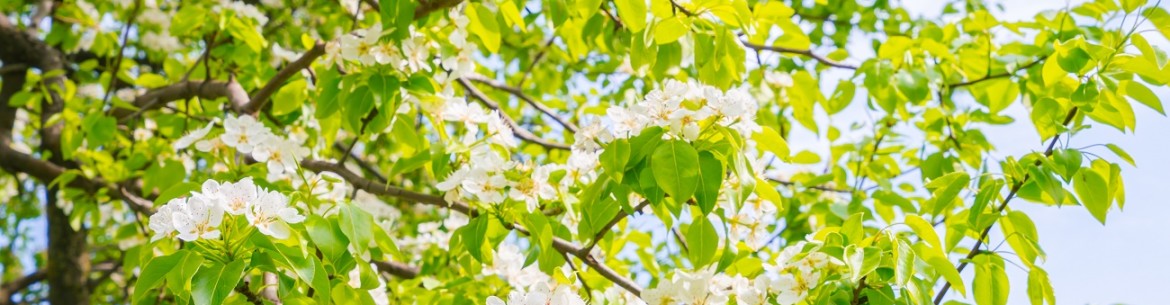
Protecting your garden after flowering: effective pest and disease control
Content
What threatens the garden after flowering?
After flowering, fruit trees become significantly more vulnerable to various diseases and pest infestations. With the onset of warmer weather, pathogens and harmful insects become active, and newly formed fruit ovaries and young leaves are unable to withstand these factors. During this time, apple trees are most often attacked by:
- fungal and viral diseases:
- scab;
- powdery mildew;
- moniliosis;
- rust;
- cytosporosis;
- milky shine;
- fruit rot;
- black crayfish;
- fire blight;
- pests:
- codling moth;
- sawfly;
- different types of aphids;
- mites: spider mites, felt mites;
- scale insect;
- moth;
- psyllid.
Post-flowering garden treatment is a mandatory procedure to preserve future harvests and the health of trees.
How to treat your garden: pest control products
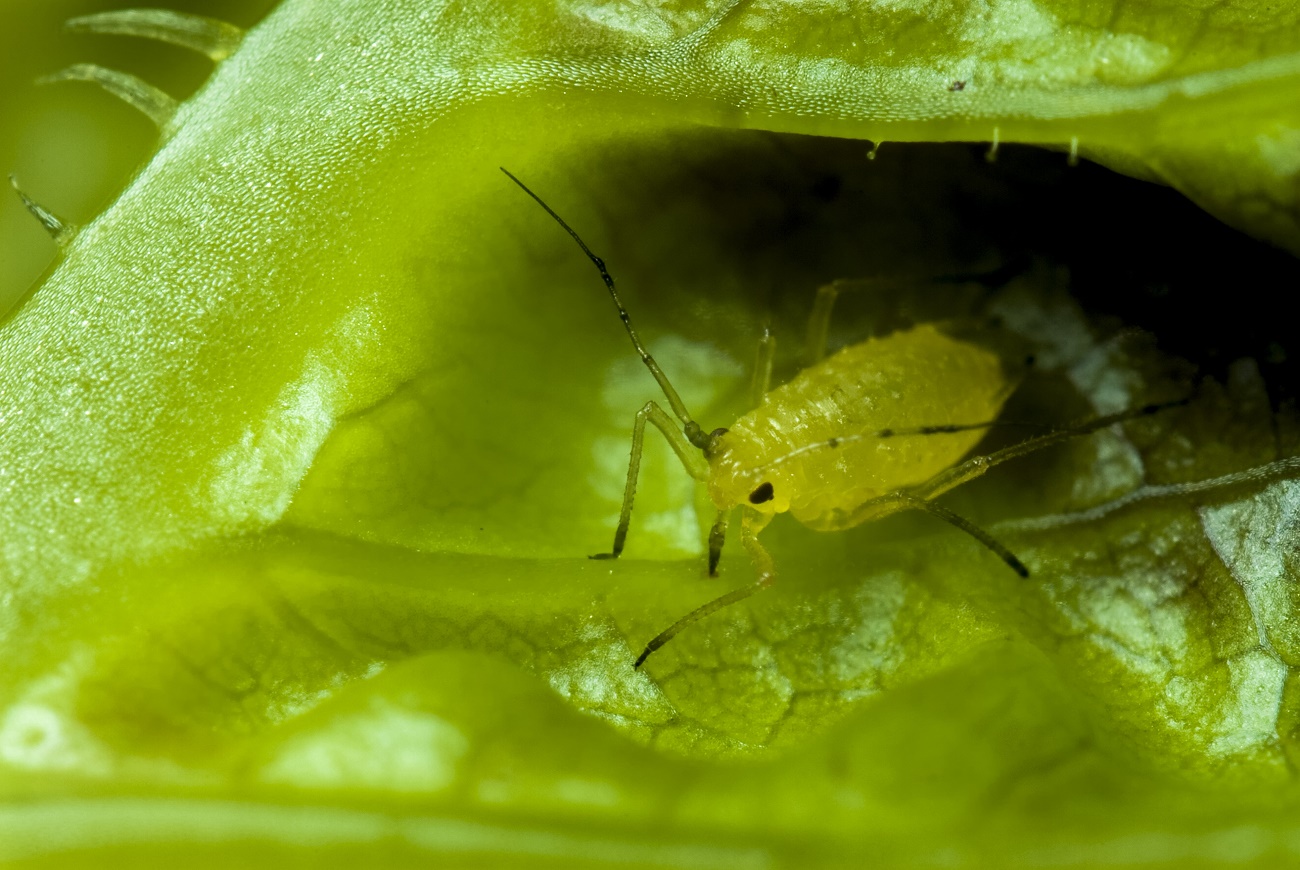
Industrial insecticides have proven effective in controlling harmful insects. These products are affordable, easy to dilute, and easy to apply to foliage.
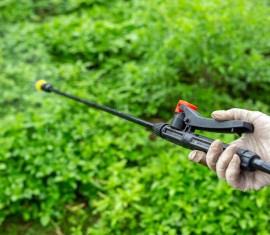
When choosing a sprayer, choose a model that provides a soft spray, breaking it into multiple mist-like droplets. These sprayers deliver high-quality results and low product consumption.
To achieve maximum effect from spraying, it is recommended to find out what insects are attacking the orchard.
From codling moths
The codling moth is a moth of the leafroller family that attacks fruit. Infestations of this pest lead to premature fruit drop and a large amount of agricultural waste. The following products are used to control the codling moth immediately after flowering:
- "Sonnet" is made on the basis of hexaflumuron, remains active for up to 30 days, diluted with water in a ratio of 2 ml/10 l;
- "Coragen Expert Garden" (based on chlorantraniliprole) - diluted with water in a proportion of 1.75 ml/10 l;
- "Aktara" (based on thiamethoxam) – provides protection for 28 days, diluted in a ratio of 3 ml/10 l of water.
When treating your garden for pests after flowering, it's recommended to combine products. This will significantly increase the effectiveness of the treatment and prolong the chemicals' effectiveness.
During the fruit ripening period, trees are sprayed with biological preparations such as:
- Fitoverm
- "Lepidocid";
- "Bitoxibacillin";
- Biokill;
- "Carpovirusin".
Biopreparations can be combined with remedies prepared according to folk recipes: infusion of wormwood or tomato tops, decoction of tobacco dust, etc.
From aphids
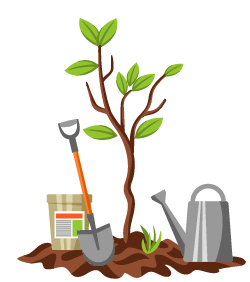
Despite their microscopic size, aphids cause significant damage to apple orchards, slowing tree growth and fruit set. Affected by aphids, the fruit becomes coated with a thick, sticky coating, which eventually dries up and falls off. To control this pest, powerful chemicals are used:
- "Golden Spark" - 1 ml/5 l of water;
- cypermethrin – 2 ml/1 l of water;
- "Actellic" - 2 ml/1 l of water.
During the fruit ripening period, treatment with low-toxicity products is recommended:
- Fitoverm
- "Actofit".
They are diluted with water at a ratio of 6 ml per 1 liter. Biological preparations can be alternated with folk remedies prepared using ammonia, tobacco, or soap.
From ticks
Apple tree infestation by mites weakens the tree's immune system and increases susceptibility to various diseases, including infectious, bacterial, fungal, and viral. This can lead to crop losses. Several insecticides, proven effective against mites, can be used to spray the orchard after flowering:
- Fufanon;
- "Karbofos";
- Fitoverm
- "Detox";
- "B-58".
Acaricides with contact and intestinal action are also effective against ticks:
- "Omayt";
- "Zolon";
- Apollo;
- "Mavrik";
- "Demitan".
The frequency of treatments depends on the chosen product and the severity of the lesion. On average, the procedure is performed at least once every 7 days.
During the fruit ripening period, the use of insecticides and acaricides is strictly prohibited.
From sawflies
Under favorable conditions, apple sawflies destroy a large portion of the harvest. To combat them, treat the orchard immediately after flowering with the following products:
- Fufanon-Nova;
- "Spark";
- Inta-C-M;
- "Karbofos";
- Kinmix.
Among biological agents, the following have proven themselves to be effective:
- "Lepidocid";
- "Bitoxibacillin".
To avoid harming trees, all preparations are diluted according to the instructions, without exceeding the dosage or frequency of treatments.
From flies
When flies lay their larvae inside fruit, significant crop losses occur. Affected apples begin to darken, rot, and fall prematurely. Treatment with the following pesticides can help eliminate this problem:
- Inta-Vir
- Fufanon-Nova.
From weevils and tuberollers
During flowering, weevils and tuber curlers can only be controlled by shaking them off the buds and foliage. After this period, the orchard is treated with chemicals. The most effective of these are:
- Bordeaux mixture;
- "Decis";
- "Strobie";
- "Biotlin";
- Fitoverm
- "Agravertin";
- Iskra-Bio.
During fruiting, it is recommended to use trapping belts and spray with folk remedies: urea, ash solution, copper sulfate, tar soap, ammonia, etc.
The best remedies for garden tree diseases
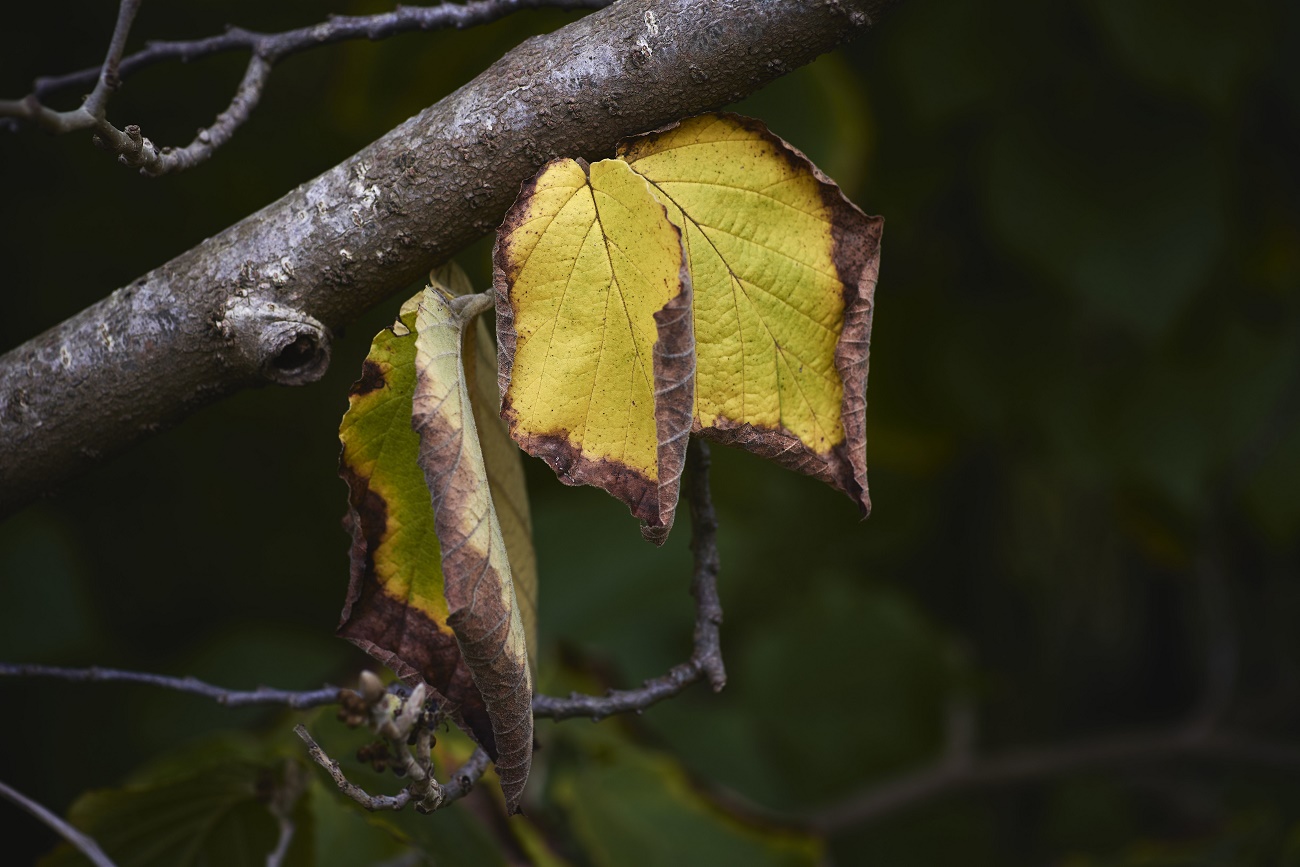
During the period of growth and ripening of fruits, the apple orchard is sprayed with working solutions prepared from such agents as:
- "Decis";
- Fufanon;
- "Spark";
- Fury;
- "Citcor";
- "Kinmiks";
- Kemifos;
- "Skor";
- "Strobie";
- Horus;
- Abiga Peak.
The listed drugs are used one after the other or in combination after preliminary compatibility testing.
Copper sulfate has proven itself to be effective in the fight against bacterial and fungal diseases.
Scab
Apple scab is a fungal disease that damages leaf blades, petioles, stalks, flowers, and fruit. As a result, apples not only deteriorate in appearance but also in flavor. To treat apple scab, the orchard is treated with fungicides after flowering. According to gardeners, the most effective fungicides are:
- "Topaz";
- Horus;
- Switch;
- copper sulfate;
- Bordeaux mixture;
- Abiga Peak.
Ammonium and potassium nitrate are effective in combating scab. Folk remedies include mustard, horsetail, iodine, salt, and other ingredients.
Powdery mildew
Powdery mildew is a serious disease that attacks foliage, young shoots, flowers, and developing fruit buds. Ignoring this problem leads to fruit infection, reduced yield, and poor quality. Powdery mildew control includes:
- copper sulfate;
- "Topaz";
- Impact;
- Fitosporin.
Folk remedies include solutions based on soda and soap or potassium permanganate.
Rust
Rust is a fungal disease that initially attacks the leaves and then spreads to the fruit. To treat this disease, trees are treated with fungicides:
- "Strobie";
- Topaz;
- Vectra.
In case of severe damage, the following medications are recommended:
- Blue Bordeaux;
- Abiga Peak;
- "Champion";
- Bordeaux mixture.
Among biological agents, the following are effective:
- Planriz;
- Fitosporin-M;
- "Phytodoctor".
Moniliosis
Moniliosis (fruit rot) is a disease that affects young shoots and fruits. In advanced cases, yield losses can reach 80%. To treat this disease, treat the garden with the following products:
- Horus;
- "Topsin M";
- "Topaz".
Among biological remedies, HOM and Zircon help in the fight against fruit rot, and among folk remedies, a solution based on iodine or urea.
Clusterosporiasis
Clasterosporium leaf spot is a fungal disease that primarily affects stone fruit crops. Its comprehensive treatment includes fungicide treatments (Kapkan, Zineb, copper sulfate (3%)) combined with folk remedies (a decoction of horse sorrel, dry tobacco, or mustard).
Coccomycosis
To combat coccomycosis, the orchard is sprayed with the following preparations:
- Bordeaux mixture;
- Abiga Peak;
- "Skor";
- Horus;
- "Topsin-M".
Among folk methods, treatment with an ash solution allows for good results.
When considering how to treat your garden after flowering, it's important to thoroughly study the characteristics of the products that can eliminate the problem, as many of them are prohibited for use during the fruit ripening period.