Colloidal sulfur: what it's used for and how to use it in gardening
Sulfur and sulfur-based substances are actively used by gardeners. Cumulus, or colloidal sulfur, is used to protect plants from insects, parasites, and fungi.
Content
- What is colloidal sulfur used for and what plants are treated with it?
- Composition and hazard class of colloidal sulfur
- Indications for use
- Use of colloidal sulfur in the garden
- How to properly dissolve colloidal sulfur in water
- How to dissolve colloidal sulfur for spraying
- How to dilute colloidal sulfur for grape treatment
- How to use for hydrangea
- Application for currants
- For rhododendrons
- Rose processing
- How to use for cucumbers
- For tomatoes
- For strawberries
- For cabbage
- For conifers
- For the pear
- From powdery mildew on gooseberries
- Applications for garlic
- For blueberries
- For raspberries
- When growing peaches
- Precautionary measures
What is colloidal sulfur used for and what plants are treated with it?
Colloidal sulfur was first produced in the mid-20th century. Hydrogen sulfide vapors are lethal to pathogenic microorganisms, and in low concentrations, they have no effect on plants. Colloidal sulfur does not degrade soil composition, is economical, and can be used throughout the season.
Cumulus is effective against clubroot, scab, mites and ants, oidium and powdery mildew.
Colloidal sulfur can be sprayed on vegetables, fruit trees, shrubs, vineyards, and some ornamental and medicinal herbs. It is preferable to use colloidal sulfur in gardening in the spring for pest control and prevention.
Composition and hazard class of colloidal sulfur
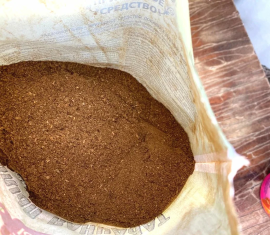
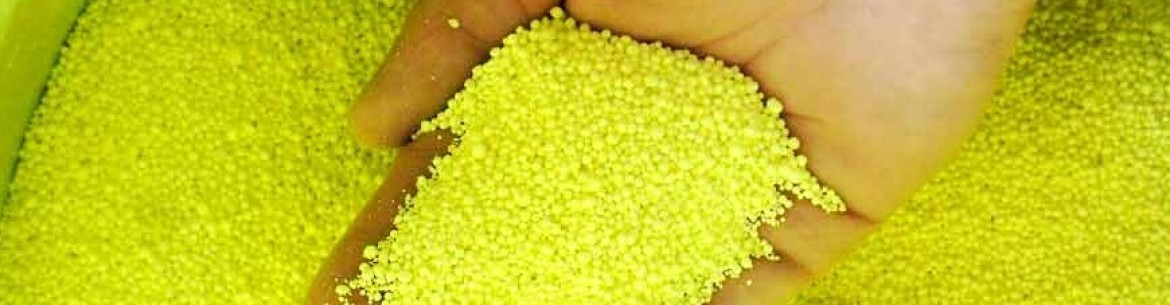
 The substance is available as a powder, granules, or suspension, ranging in color from light yellow to brown. It is packaged in either small 20g bags or larger 50kg bags.
Sulfur makes up 80 to 95% of the substance's composition. In nature, this form is completely inert; alkalis or proteins from soil or plant cells make the compound active. Lignosulfonic acids and sodium thiosulfate also enhance and complement the action of sulfur.
Colloidal sulfur is virtually non-volatile and poorly soluble, classified as hazard class 3. This is a low hazard rating, but the fungicide can cause burns to skin and mucous membranes, and due to the sulfur in its composition, it is highly flammable.
There are two types of sulfur sold for processing garden crops: ground and crystalline.
How is colloidal sulfur different from regular sulfur?
It's precisely these 5% components that make up the sulfur. These additional components allow the sulfur to reveal its properties. To purify the colloidal sulfur and transform it into a pure substance, it is soaked and distilled.
Indications for use
Sulfur performs several functions at once:
- acidifies the soil;
- encourages beneficial microorganisms to develop;
- prevents the development of fungi and infections;
- Sulfur checkers are used to disinfect vegetable storage facilities.
However, there are rules that, if not followed, can cause harm to the plant.
- Use only fresh solution.
- Do not process in cool (up to +18) or hot (over +30) weather.
- Avoid working in bright sunlight or wind. It's best to work in the morning or evening.
Colloidal sulfur is capricious when interacting with other medications. It complements some, such as Bordeaux mixture and "Hom." However, cumulus should not be combined with oil-based solutions, boron, or iron sulfate.
Interestingly, colloidal sulfur was previously used as a fertilizer. Colloidal sulfur is acceptable for use in gardening to acidify soil for crops in the fall.
Dosage of the drug
The standard dosage is 40 g of the product per 10 liters of liquid. The manufacturer will provide more precise dosages. Cumulus treatments can be performed either once or regularly, but no more than three times per month. The protective effect begins within three hours and lasts for up to two weeks.
Use of colloidal sulfur in the garden
Gardeners use sulfur to treat virtually all fruit, berry, and vegetable crops. The exception is pumpkins, which are almost completely intolerant of it. Plants can be pollinated with a dry product containing ash or talc, but sulfur is more often diluted in water for spraying or watering.
Reference: As a mesoelement, sulfur helps bind proteins into structures, but only in the form of sulfate ions SO4.
How to properly dissolve colloidal sulfur in water
 A solution is prepared from the powder or granules. Water is added gradually until a homogeneous suspension is obtained. It should be used immediately after preparation.
How to proceed:
- Read the instructions and dosages.
- Pour the powder into a plastic container.
- Add 50 ml of warm water (up to 40 degrees) and stir.
- Add another liter of liquid and mix again.
- Pour the resulting solution into a bucket of water.
- Blend until smooth and, if necessary, pour into a spray bottle.
How to dissolve colloidal sulfur for spraying
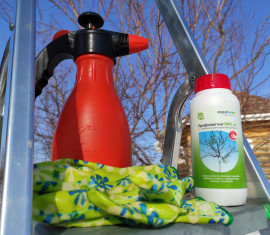
When preparing a spray solution, apply it to both sides of the leaves. To prevent clogging, shake the sprayer regularly and use a large spray setting.
Spray in the morning or evening at temperatures between 18 and 27°C. Before applying the solution to a plant, test it on one plant. If there are no adverse effects, apply it to others. Dispose of any remaining solution like other fungicides.
Do not spray during flowering of fruit trees; this does not apply to flowers.
How to dilute colloidal sulfur for grape treatment
Grapes are one of the crops where colloidal sulfur should be used with caution. However, cumulus is very effective against the main enemy of vineyards—the powdery mildew fungus—and spider mites. A solution requires 80 g of dry powder. Treatments are carried out in July and August at temperatures up to +35°C. The product does not accumulate in the berries, so it will not harm them even during harvest. For preventative purposes, the cumulus dosage can be halved.
How to use for hydrangea
Hydrangeas are treated in the evening if they are affected by powdery mildew. Dosage: 80 g per 10 l of water. This mixture can be used up to five times per season, but generally, a maximum of once every two years. Cumulus also helps regulate soil pH. The dry powder can be buried under the bush in the fall.
Application for currants
Colloidal sulfur helps prevent bud mites and powdery mildew. The solution is applied twice, two weeks after the first application. A maximum of two applications are recommended to avoid inhibiting berry growth. A dose of 30 g per 10 l is sufficient, with a second application a week later, depending on the bush's condition.
For rhododendrons
Rhododendrons prefer acidic soil, which colloidal sulfur does an excellent job of. Sprinkle about 40 grams of powder around the trunk and loosen the soil. Tall rhododendrons will require twice as much. Additionally, if pests damage the flowers, you can treat them with a sulfur solution twice a season. For watering 100 square meters, a solution of 10 grams per 10 liters is sufficient.
Rose processing
Ornamental roses also require protection from pests and fungal spores. As with rhododendrons, the cumulus concentration should be 100 g per 10 l. Spray the bushes with this solution in the evenings, starting in early spring.
How to use for cucumbers
Cucumbers in greenhouses and open ground are vulnerable to fungi and powdery mildew. A medicinal solution is prepared at a dosage of 20–40 g per 10 l. It is advisable to begin treatment at the first signs of disease and repeat 4 times every 5 days. For greenhouses, slightly more treatments may be required.
For tomatoes
A sulfur solution protects young plants from blackleg. To make the solution, mix 40 g of powder in a bucket of water. Then, pour it into the holes three days before planting. Adult plants should be sprayed against powdery mildew.
For strawberries
When growing strawberries, which thrive in acidic soil, colloidal sulfur is effective both in controlling pests and regulating acidity. Against spider mites, 40–50 g per 10 l is sufficient, and it's best used from April until flowers appear. To acidify the soil, dust the sulfur powder in the fall.
For cabbage
Colloidal sulfur can be used to combat blackleg and clubroot in cabbage seedlings. Water the seedlings with a 45 g/10 L solution three days before planting. One application is enough to eliminate the fungus. This treatment will have a positive effect on future cabbage heads.
For conifers
Conifers can be protected from powdery mildew, ascochyta blight, and spider mites with cumulus. A 100 g/10 l solution is sprayed on trees every two weeks. Sulfur is also effective against moss and lichens, applied as a lime plaster of 600 g slaked lime, 500 ml hot water, and 400 g cumulus.
For the pear
Colloidal sulfur protects pears from leaf rust, scab, and powdery mildew. Dissolve 50 grams of the powder in a bucket of liquid and then spray it on the leaves. To combat powdery mildew, 30 grams is sufficient.
From powdery mildew on gooseberries
Gooseberries are a crop that requires careful handling. Most species are tolerant of sulfur, but some varieties are susceptible to sulfur burns. A single application at a dose of 80 g per 10 liters of water is usually sufficient.
Applications for garlic
Garlic thrives in acidic soils. Therefore, sulfur solutions are generally used more for soil amendments than for protection. A mixture of 20 g per 10 l is applied to the roots of garlic several times per season.
For blueberries
Blueberries prefer soil with a pH of 4.5 or higher. Sulfur is used for irrigation or dusting if the soil is neutral or alkaline. Dusting is best done in the fall at a rate of 250 g/m.2. For spraying: 30 g / 10 l.
For raspberries
Cumulus protects raspberries from fungi, ants, mites, and mold. Spray in the morning at a dose of 40 g per bucket of water, spraying the soil against ants and the leaves against fungi.
When growing peaches
Colloidal sulfur protects peach trees from scab and brown rot. In high humidity, dusting with colloidal sulfur and talc in a 1:1 ratio is most effective. Spraying requires a weak solution containing 10 grams of cumulus.
Precautionary measures
Colloidal sulfur is a fairly versatile product for gardening. However, a number of safety precautions must be observed:
- Isolate spraying areas from children and animals;
- use equipment: glasses, respirator, gloves, closed clothing and headgear;
- wash everything after work, wash your hands and face;
- do not use food containers when preparing the solution;
- do not use the solution on indoor plants;
- do not carry out treatment in hot weather;
- at the slightest sign of illness, consult a doctor;
- store sulfur in a non-residential area in a fireproof, sealed container;
- Do not allow sulfur to heat up in the sun or near heating devices.