Insecticides for treating apple trees
Content
What are insecticides?
Insecticides are chemical preparations designed to kill harmful insects and prevent their reappearance. The name insecticide comes from the Latin "insectum" (insect) and "caedo" (kill).
Depending on the method of penetration into the pest's body, insecticides are divided into several groups:
- Intestinal – these enter the gastrointestinal tract along with food, causing poisoning. The rapid spread of the poison throughout the body leads to the death of the insect.
- Contact pesticides are active substances that penetrate the pest's body through its outer covering. Even minor contact with the pesticide causes the insect's death.
- Systemic – absorbed by the root system and leaves, then spread through the vascular system to all tissues of the plant, making it poisonous to pests.
- Fumigants (respiratory) – being in a gaseous/vaporous state, enter the body of pests through the tracheal system during the breathing process.
The classification of insecticides by the method of penetration into the insect's body is considered conditional, since many chemicals can enter the pest's body through several routes at once.
- Inorganic pesticides are formulated with chemical compounds capable of rapidly destroying certain types of pests. These compounds typically contain mercury, sulfur, copper, and fluorine. A large group of diazinon-based pesticides fall into this category.
- Organic – effectively destroy not only adult insects, but also their larvae and egg clutches.
- Bioinsecticides are made from beneficial bacteria and fungi. They are characterized by low toxicity, making them safe for humans and plants. In addition to pest control, biological insecticides increase crop yields and improve fruit quality.
Insecticides for apple trees against pests are recommended for use throughout the growing season, with the exception of fruiting, as well as in preparation for winter.
When are insecticides used?
Treating apple trees with insecticides is necessary to kill harmful insects that damage orchards and carry various diseases. These products are also used for preventative purposes.
Before using insecticides, it is necessary to familiarize yourself with the timing of measures aimed at pest control.
The procedure is carried out in stages, following a specific outline. Each event has its own purpose and purpose:
- Before bud swelling (in March), destroy overwintering larvae and immature adults, and prevent fungal diseases. Some insecticides are effective at temperatures below 4°C.
- During the formation of the green crown (from late March to mid-April), pests awakening from hibernation should be eliminated: aphids, scale insects, apple blossom beetles, leafhoppers, etc. During this period, it is recommended to mix insecticides with Bordeaux mixture, which will eliminate not only parasitic insects but also the pathogens that cause scab and fruit rot.
- In May, codling moths, which lay egg clutches near buds that have already formed but have not yet opened, are used for treatment. Biological insecticides are used for this treatment. The working solution is applied to all above-ground parts of the trees, as well as the trunk circle (within a radius of at least 1 meter).
- Immediately after flowering, treatment is carried out using a mixture of insecticides and fungicides. For example, "Aktara" and "Skor" are used in a 1:1 ratio. This treatment is aimed at eliminating leaf roller caterpillars, aphids, moths, weevils, and codling moths.
- In preparation for winter after harvesting – destruction of pests and fungal spores.
Depending on the region, the timing of orchard treatments may vary.
How to choose an insecticide for apple trees
Modern orchard sprays differ in their active ingredients and mechanism of action. The choice of an apple insecticide is based on the treatment stage and the biological characteristics of the pest being targeted. Specifically:
- The first stage considers the insect's developmental characteristics, the number of generations and their timing, and its feeding habits. Intestinal or contact-intestinal products are effective against chewing pests, while contact-systemic products are suitable for sedentary and rapidly reproducing insects.
- The second stage considers the period during which the insecticide provides protection. Systemic chemicals are recommended for controlling pests with a hidden life cycle, while long-lasting products that protect the orchard throughout their entire lifespan are recommended for controlling insects with a long development period. The simultaneous use of products with different active ingredients allows for the most effective results.
- In the third stage, the insecticide's spectrum and mechanism of action are considered. Generally, broad-spectrum insecticides are preferred. This allows for the control of multiple insect species in a single treatment.
In each case, when choosing an insecticide, it is necessary to focus on the pest that causes the greatest damage to the orchard.
Top 5 Insecticides for Apple Trees: Description and Application Methods
The modern market offers a wide range of insecticides for treating apple orchards. According to experienced gardeners, the top five most effective include:
- "Coragen Expert Garden";
- "Prophylactin";
- "Aktara";
- "Karbofos";
- "Tanrek".
The listed drugs have shown the best results in practice.
"Coragen Expert Garden"
This insecticide is based on the active ingredient chlorantraniliprole (200 g/l) and is classified as moderately hazardous. It is used to control leaf rollers, codling moths, and other insects. It acts through intestinal contact. Within the first few hours of treatment, the pest loses its ability to move and feed, and dies within 2-4 days. To prepare a working solution, "Coragen" is diluted with water at a ratio of 0.2 ml per 10 l. Depending on the age and variety of the apple tree, the required consumption ranges from 2 to 5 liters.
Prophylactin
The insecticide contains vaseline oil (658 g/l) and matrine (2.2 g/l). It has a contact and intestinal action and is used to kill many types of pests:
- scale insects;
- ticks;
- moles;
- aphids;
- copperheads;
- leaf rollers.
Pests die within a few hours of exposure. The protective period is at least 30 days. To prepare the working solution, dissolve the product in water at a rate of 500 ml per 10 liters.
Aktara
This product, based on the active ingredient thiamethoxam (250 g/kg), has a contact and intestinal action. It is used to protect fruit crops from whiteflies, aphids, scale insects, and thrips. After treatment, the insecticide spreads throughout all plant tissues, making them toxic to pests. Effective results can be observed within 24 hours. To obtain a working solution, Aktara is diluted with water at a ratio of 1.4 g per 10 l.
Karbofos
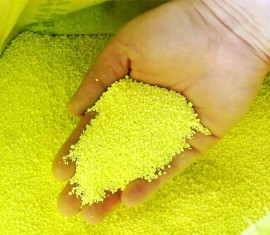
The product is based on the active ingredient malathion and is available in powder form. It acts through intestinal contact. Karbofos has proven effective in controlling many pests, especially various types of aphids. The application rate for fruit trees is 90 g per 10 l of water.
Tanrek
An insecticide with acute contact and stomach action, formulated with the active ingredient imidacloprid (200 g/l). It actively targets the nervous system of pests, causing their death within 3 days of treatment. The application rate is 3 ml per 10 liters of water.
Insecticides are effective preparations that provide reliable protection for orchards when applied in a timely manner.