Using mustard cake in the garden: you probably didn't know about this
Mustard cake has a wide range of uses in the garden. This organic material is most often used by gardeners and farmers growing organic produce. It replaces commercial mineral fertilizers, insecticides, and fungicides. Learn how to properly use this multipurpose fertilizer in your garden in this article.
Content
Brief description of mustard cake
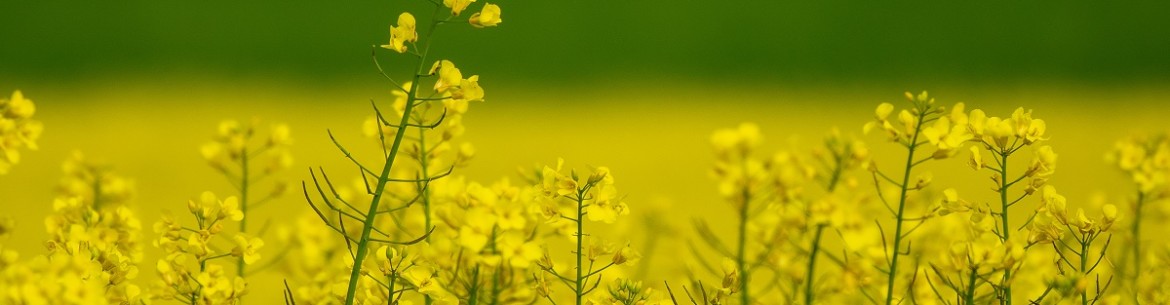
The production of vegetable oil from mustard seeds produces waste. This processed plant material is known as mustard cake. It is rich in fatty acids, glycosides, and essential oils. It is a valuable raw material used in gardening and horticulture.
Mustard seed cake, dried and ground to a coarse powder, is an excellent fertilizer and a lifesaver for depleted soil. This substance's bactericidal properties also improve the health of garden soil.
The nutritional value of 10 kg of mustard cake is not lower than that of 1 m³ of mullein.
This organic material is also effective in combating pathogens affecting garden crops. Its distinctive scent repels harmful insects from garden beds.
Knowing how to use mustard seed cake correctly in gardening and horticulture will reap many benefits. This natural remedy offers numerous advantages:
- multifunctionality (can be used as a fertilizer, mulch, insecticide, disease prevention agent and plant treatment);
- the powder contains a high content of useful substances in a form that is easily absorbed by the green organism;
- purity of organic matter (it is completely free of weed seeds and parasite eggs);
- the product is suitable for farms engaged in organic farming;
- the presence of powerful phytosanitary properties;
- low cost.
Only the cake obtained by cold-pressing mustard seeds has beneficial properties. Heat treatment of the raw material during vegetable oil production makes it unsuitable for further use in agriculture. The waste from hot pressing will harm plants and the soil.
Use of oilcake against pests and diseases
Thanks to its phytosanitary properties, thanks to its high essential oil content, this organic raw material has become an accessible pest and disease control tool for gardeners. It effectively destroys soil-borne pathogens, fungi, insects, and their larvae.
By using mustard seed cake against pests, you can be sure of no harm to the environment. It is completely safe for humans, crops grown in the garden, and beneficial soil microorganisms.
To repel insects from your garden, use crushed and squeezed fresh mustard seeds instead of powder. It's also a good idea to add the same raw mustard seed cake to your fall soil treatments to disinfect them.
From wireworm and mole cricket
This remedy will help you protect your plants from such dangerous garden enemies as wireworms and mole crickets. To do this, when planting vegetable seeds or seedlings in a garden bed, add 1 tablespoon of the herbal remedy to each hole. The latter can be used either raw or in powder form.
You'll see results from using mustard cake in 7–9 days. Your garden will be pest-free.
From onion and carrot flies
To eliminate pests affecting carrot and onion crops, sprinkle the cake directly into the furrows when sowing these vegetable seeds. Apply 2 teaspoons of powder per 1 m². Five days will be enough for the pests to leave the beds.
If flies are attacking your carrot plants, mulch the soil beneath them with raw mustard oil byproducts. The distinctive aroma will protect your plants.
Prevention to prevent root rot
The ability of this organic raw material to suppress soil pathogenic microflora makes it an accessible means of preventing root rot in garden and vegetable crops. Mustard seed cake is particularly effective in combating soil-borne fungal pathogens:
- late blight;
- fusarium;
- gray mold;
- root rot.
Gardeners use this herbal remedy to protect crops such as potatoes, cucumbers, tomatoes, eggplants, and sweet peppers from fungal attack. Simply add mustard seed cake when planting (1 tablespoon of powder per hole) to prevent root rot.
Destruction of harmful insects
Mustard oil production waste helps gardeners combat not only mole crickets, wireworms, carrot and onion flies, but also other enemies of garden beds:
- moth and its larvae;
- soil nematode;
- Colorado potato beetle;
- weevil;
- slugs.
To prevent damage to crops by leaf-eating insects, scatter the product freshly onto the soil surface. Do not incorporate it into the soil.
Mustard cake as fertilizer
Fertilizing your plot with this organic material is acceptable both in spring and fall. Combine the application with tilling. Apply 100 g per 1 m². This will not only enrich the soil with nutrients but also make it more loose.
Using mustard seed cake is a good alternative to adding manure or compost. This substance is not only rich in organic matter (protein, fiber, fatty acids), but also an excellent phosphorus-potassium fertilizer. Replace compost (10 kg) with mustard oil production waste (1 kg). This will be enough to significantly increase the fertility of your garden soil.
Use raw cake when tilling your plot in the fall. It will need at least three months to rot in the soil and enrich it with nutrients. For spring plowing, powdered organic matter, or ash obtained from burning organic matter, are more suitable.
Fertilizing garden and horticultural crops with mustard cake is recommended at planting. For this purpose, use mustard cake that has been rotted for several months.
Please observe the following consumption rates:
- 1 tbsp per hole - for cucumbers, tomatoes, eggplants, zucchini, peppers;
- 50 g per 1 m of furrow - for onions, garlic;
- 40–60 g per 1 m² – for carrots, radishes, beets, celery;
- 20–30 g per tuber – for potatoes (if the soil is depleted, combine this fertilizer with Fitosporin or wood ash);
- 1/2 tbsp per bush - for gooseberries, currants, raspberries and roses;
- 1 teaspoon per bush - for strawberries;
- from 500 to 1000 g per planting hole - for fruit trees.
This natural fertilizer makes an excellent mulch for garden crops. Spread it under fruit trees to promote their health. Mulching with mustard oil waste will maintain normal soil moisture, improve its structure, and prevent pest growth.
When you can't use cake
Experienced gardeners refrain from using processed mustard seeds in the following cases:
- If the soil in your area is acidic, this natural ingredient increases soil acidity. To neutralize the acidifying effect of mustard cake, it is advisable to apply it simultaneously with wood ash (1:1).
- If you need to fertilize your cruciferous crop beds, mustard is a member of the same family. It eliminates pathogens that cause many diseases, but for those that affect cruciferous plants, it creates favorable conditions and a nutrient-rich environment.
How to store pulp
There's no shelf life limit for processed mustard seed waste. To ensure it retains its beneficial properties, create favorable conditions:
- Store in an airtight plastic bag;
- leave at room temperature (sudden temperature changes in the storage area are unacceptable);
- Give preference to dry, dark, well-ventilated storage.
Don't hesitate to use this natural remedy in your garden. Knowing what mustard seed cake is used for and how to use it correctly will help you achieve the best results. It's a simple way to increase crop yields without resorting to chemicals.