Controlling Aphids on Fruit Trees: 10 Effective Methods
Content
Where do aphids appear on fruit trees?
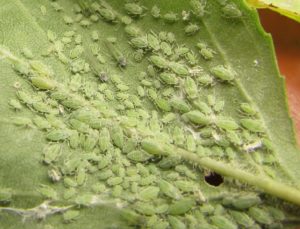 Aphids are a superfamily of insects from the order Hemiptera. These pests feed on plant juices and pose a serious threat to crops.
Aphids typically appear during migration from neighboring plots where control measures have not been implemented. The pest can also enter the garden via ants carrying their eggs as they migrate to a new location, or via crops purchased from reputable vendors.
Why are aphids dangerous?
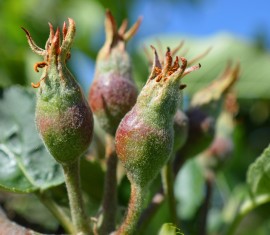
Leaf aphids pierce the skin of plants with their proboscis and suck out the cellular sap, sapping their vitality. At the same time, the pest secretes a toxic substance that causes leaf curling and deformation, curving of the tips, and shoot death. The aphid's waste products contaminate the surface of leaf blades, disrupting the normal functioning of garden crops.
Through their saliva, aphids transmit various viral diseases that are deadly to crops.
If no measures are taken to control aphids on fruit trees, the pest can produce several thousand generations per season and destroy almost all young growth.
Signs of appearance
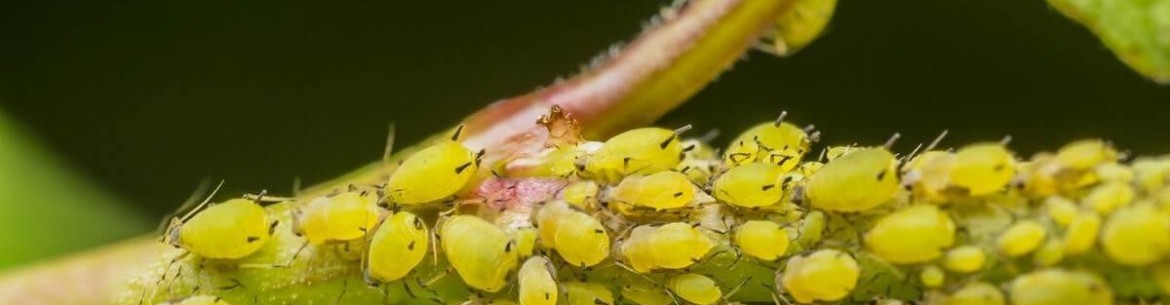
 Aphids are very small insects (2 to 5 mm in size) with an oval, often translucent, body. These pests can have a variety of colors:
- white;
- black;
- pale green;
- dark blue;
- burgundy;
- dirty gray;
- sandy-golden.
In most cases, the color of the aphid matches the color of the plant it feeds on.
The following signs will indicate the presence of aphids in the garden:
- the presence of a sticky coating on young leaves and shoots;
- the presence of pest colonies on the back of leaf blades;
- deformation of plant tops.
How to get rid of aphids on fruit trees and shrubs
Experienced gardeners recommend several effective remedies for aphids on fruit trees.
Mechanical methods
 Mechanical treatment of fruit trees and shrubs eliminates the need for harsh chemicals harmful to human health. However, it's important to remember that this technique is only suitable for small garden plots and small infestations.
Destruction of affected fragments
Affected leaves and shoots are carefully cut off, trying not to shake the aphids onto healthy branches.
The cut fragments are taken outside the garden and burned.
Sprinkling
Plants with dense leaf blades are washed with a stream of water from a hose. This procedure is repeated several times. The aphids, knocked down by the powerful stream, fall to the ground, unable to climb trees and shrubs on their own. The disadvantage of this method is the high risk of the pest being returned to its original location by ants. Therefore, before combating aphids on fruit trees, it is necessary to get rid of the ants.
Sprinkling is contraindicated during the flowering period, as the shower will wash away the inflorescences.
Folk remedies
Unlike chemical treatments, products prepared using traditional recipes leave no residue on fruits. This gentle technology can be used even during the fruiting period.
Ash infusion or decoction
Ash is one of the most effective aphid control methods. Here's how to prepare a working solution:
- Fill a 12 liter bucket with water.
- Add 150 g of soap shavings and 300 g of ash to the liquid.
- Mix the mixture thoroughly and leave for 2-3 days.
Before use, the ash solution is filtered.
Infusion of nightshade tops
To make the infusion, fill a 3-liter jar with potato, pepper, or other nightshade tops. Pour boiling water over the contents, cover, and let steep for 24 hours. Strain the finished infusion, add 100 grams of soap shavings, and stir.
Tomato tops decoction
The process of preparing a decoction from tomato tops consists of several steps:
- Prepare 2 kg of dry tops and 4 kg of fresh.
- Pour 10 liters of water over the herbs, put on the fire, bring to a boil and cook for 30 minutes.
- Strain the finished decoction and dilute with water in a ratio of 1:5.
To ensure successful adhesion, it is recommended to add 100 g of soap shavings to the decoction.
Soap solution
A soapy solution will help get rid of aphids on fruit trees. It's best to use laundry soap or tar soap. Grate the bar and dissolve it in warm water at a ratio of 4-6 tablespoons per 1 liter.
Ammonia
The algorithm for preparing a working solution based on ammonia is as follows:
- Dilute 4 tablespoons of ammonia and 2 tablespoons of liquid soap in 5 liters of warm water.
- Mix the mixture thoroughly.
It is recommended to treat the garden with ammonia in late spring or early summer due to the nitrogen it contains, which is an excellent fertilizer for cultivated plants.
Vinegar
You can obtain a solution from vinegar as follows:
- Dilute 10 tablespoons of apple cider vinegar or 5 tablespoons of 9% vinegar in 10 liters of water.
- Add a small amount of liquid detergent to the mixture and stir. It's best to use special "Green" soap for this purpose.
Onion infusion
To make an infusion, pour 250 grams of onion peel into 10 liters of boiling water and let it steep for 5 days. Be sure to strain the infusion before using it on trees and shrubs.
Chemical preparations against aphids
There are many effective preparations for aphids on fruit trees, differing in their mode of action:
- intestinal – destruction of aphids when they enter their gastrointestinal tract;
- systemic – penetration into vegetation structures and contamination with toxic substances that are fatal to the pest;
- contact - damage caused by an insect when it gets on the body.
The maximum effect is achieved by the simultaneous use of drugs with intestinal and contact action.
Experienced gardeners recommend several chemicals to achieve the best results:
- Fitoverm
- Fufanon;
- "Aktara";
- "Biotlin";
- "Arrow".
When using any insecticide, follow the manufacturer's instructions. Chemical treatments should be carried out in dry, windless weather. To destroy aphid colonies, trees and shrubs should be sprayed completely—trunks, branches, young shoots, and leaves. Treatment should be applied not only to affected plants but also to healthy ones that have not yet been attacked by aphids.
Preventive measures
 Preventing the appearance of pests in the garden includes the following measures:
- regular inspection of plantings: shoots, leaf blades;
- immediate removal of affected fragments after their detection;
- whitewashing the trunks of fruit trees twice a year;
- periodic weeding of the garden plot, as well as removal of excess shoots;
- cleaning the garden in autumn: clearing away dry branches and fallen leaves, where insect pests usually overwinter;
- Fighting ants with appropriate means;
- planting plants with a strong odor that repels aphids near fruit trees and shrubs: celandine, lavender, yarrow;
- using insects that are enemies of pests: ladybugs, lacewings, etc. (for this purpose, plants that attract them are planted: fennel, dill, parsley).
Carrying out these measures will significantly reduce the risk of aphid colonies appearing in the garden.