When and how to properly whitewash trees in the garden in the fall
Microorganisms, parasites, temperature fluctuations, harmful insects, and harsh sunlight all pose a dangerous threat to trees. Their surface bark serves as a protective layer, protecting plants from the vagaries of weather and pests. Damage to this protective layer leads to negative consequences. To effectively maintain tree bark in good condition, it's important to ensure proper whitewashing. Various methods are used for this, which you'll learn about in this article.
Content
Why whitewash trees in the garden in autumn?
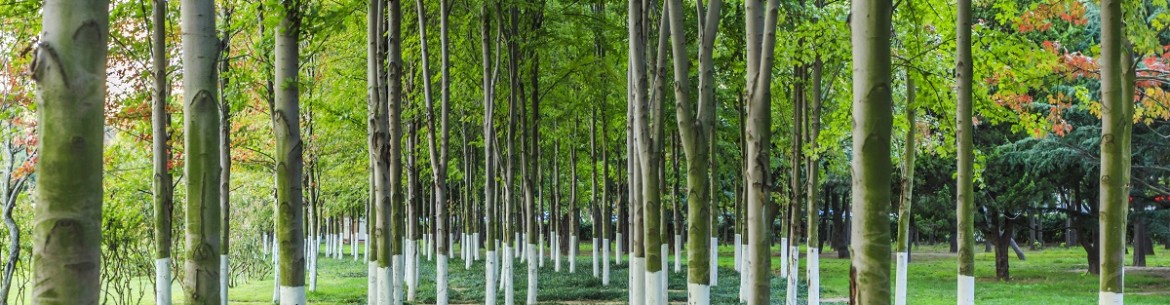
Most experienced gardeners believe that autumn whitewashing is the most important. After all, it's the only way to protect trees from pests and frost cracks during the winter.
So which trees can be whitewashed in the fall? All fruit and ornamental trees, without exception, require fall whitewashing.
Both young and old trees, even those that do not bear fruit, need to be protected during the winter.
Whitewashing not only prevents insects from penetrating under the bark, but is also considered a comprehensive protection for trees:
- from frost cracks caused by sudden temperature changes;
- from sunburn in early spring;
- from dangerous winter winds that can completely dry out branches;
- from icing of the bark;
- from invasions of various rodents.
Some gardeners doubt whether whitewashing is necessary for young fruit trees in the fall. It certainly is: seedlings suffer more from sunburn and temperature fluctuations in the spring than mature trees. For them, simply reduce the amount of lime applied by half.
Preparation for whitewashing
Whitewashing trees requires a responsible and serious approach. To protect the bark from various damages, certain preparatory steps must be taken first.
First, clear skeletal branches and trunks of lichen, moss, and loose bark. Wear household gloves when doing this. Do not use metal brushes for cleaning, as this can damage the bark. Use a wooden knife to remove dirt from crevices. Burn any remaining debris. Prepare trees for whitewashing on a day without rain.
The next important step is disinfection. For disinfection, use a copper sulfate solution (500 g of solution per 10 liters of liquid). Spray using a special sprayer.
Disinfection with copper sulfate should not be performed annually. The metal may accumulate in the bark, and high concentrations can lead to toxicity. Therefore, it is recommended to alternate copper sulfate with an ash solution (100 g laundry soap, 3 kg ash, and 10 liters of hot water).
After the disinfection stage, begin treating the wounds. For this, you can use one of several helpful solutions. Choose any option:
- Clay mash. Mix clay (200–250 g), copper sulfate, and manure (100 g) with liquid. You can also add fine straw.
- A special garden paste with added humate and copper sulfate. Apply only on dry days.
- You can make your own garden pitch if you can't buy it. To make your own, take rosin (150 g) and beeswax (150 g), melt them, and mix with lard (100 g). Pour the mixture into the liquid and roll it into a ball. Warm the pitch slightly before use. The mixture should become elastic.
Don't skip the preparation process. Without it, it's impossible to whitewash tree trunks properly. All your work will be in vain.
When to whitewash trees in the garden in autumn
As soon as the trees have harvested all their fruit, begin whitewashing. This is done in October–November. The timing depends on your region. It's important to complete the process before February–March, as this is the time when the risk of sunburn increases.
Many gardeners don't know the correct temperature for whitewashing their trees in the fall. Whitewashing should be completed before significant frost sets in. Daytime temperatures should be at least 5°C.
Whitewashing should not be carried out not only during rain, but also in foggy weather, since exposure to fog will cause abundant condensation, which will cause a “washing off” effect.
It is also not recommended to carry out treatment on frosty days.
Techniques and methods for whitewashing a garden
This procedure helps protect the bark from overheating and frost, and also prevents damage from pests and diseases. There are many whitewashing methods popular with gardeners.
Dispersion whitewash
This method is considered one of the most well-known. This mixture is made from latex and acrylic polymers. This whitewash forms a thin film on the bark, protecting the surface from various external factors. This whitewash has excellent protective and decorative properties, and also helps it withstand weather conditions for a long time.
Kasida
This product is based on special hydrophobic materials. The whitewash comes in powder form and should be diluted in water and applied to the bark using a sprayer or brush. An invisible film forms on the tree's surface, protecting the branches and trunk from sunburn and other environmental factors. This whitewash is highly breathable and prevents rot on plants.
It is recommended to use water-dispersible products at temperatures not lower than +3 °C.
Calcination
This is a ready-to-use mineral whitewash. The lime solution is applied to the bark with a brush. The product creates a snow-white layer on the surface, protecting the trees from frost and overheating. The whitewash has antiseptic properties and prevents bacterial and fungal infections on plants.
Lime whitewash
In the fall, you can whitewash trees using lime. It's available in packets at a specialty store. It contains calcium carbonate. The packaging includes instructions for mixing the mixture.
What else can be added to tree whitewash in the fall? To protect the bark from mice and rabbits, creolin or birch tar can be added to the prepared solution. Ferrous sulfate, which protects trees from disease, can also be added to the mixture.
When whitewashing, it's helpful to use a flat or round bristle brush. This tool helps evenly apply the mixture to the bark.
A spray gun will do the trick for a large garden. Tall trees benefit from whitewashing with a spray bottle.
Precautions and safe handling rules
When whitewashing, remember to take safety precautions. When working with various products, it is recommended to wear protective clothing to protect your skin from various impacts. Protect your hands with waterproof gloves and your eyes with a mask.
Before you begin whitewashing, you should read the instructions that come with any product.
Experienced gardeners have no doubt about whether it's necessary to whitewash their trees in the fall, and therefore carry out the procedure on time. Annual fall whitewashing will help plants look attractive, improve their harvest, and prolong their lifespan.