Why do apples taste bitter?
The apple tree is a favorite among Russian gardeners among fruit trees. Its fruits delight not only with their beloved, familiar childhood flavor but also with their health benefits. Apple trees often produce a bountiful harvest, allowing for winter storage.
However, sometimes an apple tastes bitter. This can happen both with store-bought apples and when you harvest your own. This aftertaste is alarming. Let's try to figure out if this is normal.
If you look at the flavor descriptions of apple varieties, bitterness isn't listed as normal. Experts agree. The taste can be sweet or varying degrees of sour, but it's always pleasant. So why do apples taste bitter?
As it turns out, there could be a number of reasons. Let's look at each one separately.
Disease
Most often, the cause of bitterness lies in damage to apples. bitter pittedness. This is a physiological disease of the apple tree. Its main cause is an imbalance in the tree's mineral nutrition, a calcium deficiency. A deficiency of this macronutrient can occur for various reasons. Here are the main ones: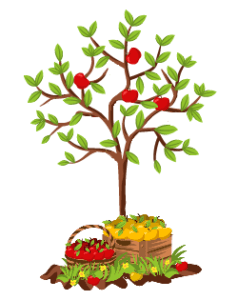
- Environmental pollution and, consequently, acid rain reduce soil pH. This converts calcium compounds into a form that cannot be absorbed by plants. A chemical soil analysis will often show adequate levels, but the tree's nutrition will be impaired, and its crown will not receive sufficient calcium.
- It's also possible that the soil in which the apple tree grows is dense, dry, and low in acidity. This will also result in a calcium deficiency and a high risk of bitter pit disease.
- Bitter pit disease can be caused by adverse weather conditions. Prolonged drought, heat, and heavy rains following a dry period can disrupt the plant's mineral supply.
- Calcium absorption by apple tree roots can be reduced by elevated sodium, magnesium, or potassium levels. This is often due to gardeners applying excessive doses of these macronutrients when fertilizing the plant.
- Harvesting apples too late increases the risk of bitter pit disease.
- Failure to maintain proper temperature control during storage of harvested fruit is a common cause of this disease. Storage temperatures should be maintained between 0 and 5 degrees Celsius. The warmer the storage temperature, the greater the risk of bitter pit infection.
- Overwatering the tree can leach calcium from the soil beneath the apple tree's roots, causing disease.
- Pruning a large portion of the apple tree's crown stimulates new shoot growth. This leads to an imbalance due to competition for nutrients between the fruit and the leaves.
- Fruit damage was determined to depend on the number of apples per tree, their size, and the number of seeds. Larger fruit sizes and higher fruit numbers require more calcium.
The disease can be visually identified by examining the apple's surface. The fruit will initially become covered with small, dark, sunken spots, which will become larger over time. The flesh of the apple will be soft and slightly bitter.
If the calcium deficiency was significant, the first signs of the disease will be visible on the branch, during the ripening and harvesting period.
If the calcium deficiency was less significant, external and taste changes may occur later, within a month of harvest storage.
How can you prevent bitter pit disease? The main methods are:
- Acidic soil requires liming—the addition of lime-based fertilizers, such as dolomite, calcite, limestone, and slaked lime. Litmus paper is available at specialist stores to determine soil acidity. This can be used to confirm whether the soil is too acidic.
- A balanced mineral supply is essential. Foliar feeding with micro- and macronutrient complexes from early spring to late fall works well. It's important that the fertilizer contains calcium. This type of feeding is recommended approximately once every two weeks.
- It is better to limit the use of potassium fertilizers, especially sulfate ones.
- One of the effective methods of disease prevention is thinning the fruits during a heavy harvest.
Another disease that causes bitter taste in apples is Jonathan's spotThis disease takes its name from the Jonathan apple variety, which is most susceptible to infection. Other varieties include Welsey, King David, Rum Beauty, and Idared.
Both the external symptoms and causes of these two diseases are very similar. The fruit becomes bitter in taste, and the skin becomes covered with dark spots that gradually increase in size.
Jonathan spot is also a consequence of micro- and macronutrient deficiencies. A bitter taste is caused by a lack of calcium, magnesium, and potassium.
The methods of preventing these two diseases are almost the same.
If external signs of bitter pit or Jonathan spot infection are already present, such fruits should not be consumed.
If the apple's appearance remains unchanged, but a slight bitterness is noticeable, it could also be due to a slight calcium deficiency. It's best not to store such fruits, but rather to process them for winter preserves. Sugar, other fruits, and berries will help improve the flavor of future preserves.
Chemical treatment
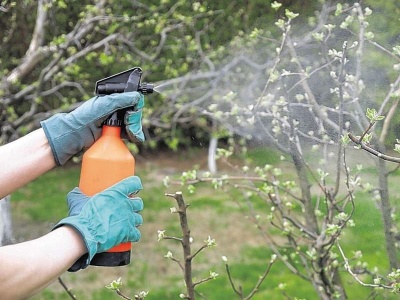 With diseases, it's more or less clear: the appearance changes, and bitterness develops. But sometimes, a store-bought apple also tastes bitter. At the same time, it looks very appetizing—the skin is smooth and juicy. What could be causing this change in taste?
A slight calcium deficiency may be present here as well. However, flavor changes can often be due to one of the processing methods used in fruits stored and sold wholesale.
The most common method of processing apples harvested and transported in large quantities is waxing.
Fruits themselves have a protective waxy coating, bestowed upon them by nature. However, during mass harvesting, the fruit is thoroughly cleaned to remove dust, dirt, and insects. This process washes away the natural protective waxy coating.
Therefore, for further storage, apples are coated with wax or paraffin. Natural wax is more expensive, so synthetic paraffin is often used. Controversy over the health risks of this processing method continues. Sometimes, the use of various additives in paraffin or the sealing of pesticides with it can alter the taste, including imparting bitterness. The easiest way to get rid of this unpleasant taste is to peel off the skin of a store-bought apple and eat only the flesh. If the processing is the cause, the apple itself will remain delicious.
In addition to wax, suppliers often use other chemical compounds. During growth, transportation, and storage, apples are often treated with substances such as methylcyclopropene, methyl bromide, ethylene, diphenyl, sulfur oxide, sorbic acidIn any case, the possible presence of such compounds requires thorough cleaning of the fruit before consumption, washing with a fruit brush, or peeling. Processing technologies are regulated by standards and are considered relatively safe for human consumption. However, given the large-scale nature of such work, process errors, such as uneven application, may occur. This may cause a bitter taste on the apple's surface, indicating potential harm to health.
According to Rospotrebnadzor's recommendation of August 19, 2022, apples are a valuable addition to the diets of adults and children. The official website states that apples should be carefully inspected before purchasing and washed thoroughly under warm running water before eating.
Unripe apple
During ripening, the starch contained in apples is converted into sugar through a chemical process. Therefore, an unripe fruit may have a sour and bitter taste. It's best to evaluate the flavor of a ripe apple; the optimal time for this depends on the variety and the local climate.
To test the ripeness of a fruit, you can conduct a simple and interesting experiment. If you mix a small amount of iodine with water and drop it on an unripe apple, the starch will turn it blue. If you apply the same mixture to a ripe apple, the color will remain unchanged.
According to experts, bitterness in apples is not normal. There can be several causes for a bitter taste, and both gardeners and consumers can easily understand them. Now, incorporating this healthy and delicious fruit into your diet will be easier!