Apples as Soil Fertilizer: Tips for Using Fallen Fruit, Scraps, and Rotten Fruit
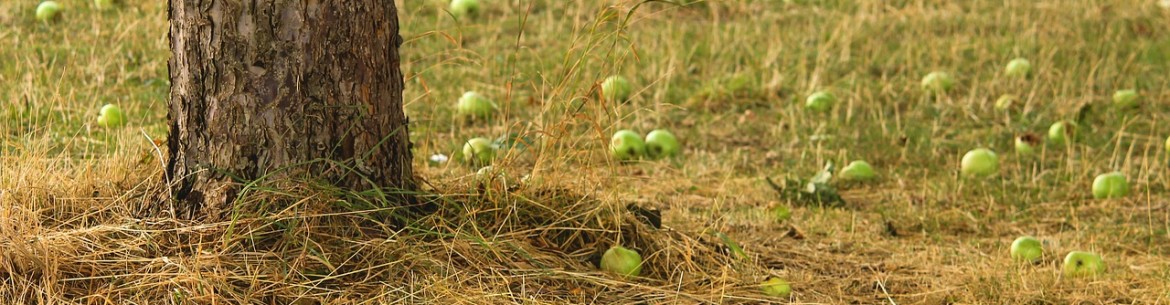
A huge apple harvest can be not only a source of pride for a gardener, raw material for compotes and jams, but also a significant problem. recycle Large quantities of fruit can be simply overwhelming, and throwing them away is irrational. A solution to this problem is to use fallen apples as fertilizer for other crops in the garden.
Apples as a fertilizer for the soil
Apples are a good, and most importantly, natural, organic fertilizer for the garden. Fallen and rotting fruit, once fully decomposed, will not only improve the soil thanks to the various micronutrients it contains, but will also help ensure a bountiful harvest next year. Windfall can be applied to fruit, berry, vegetable, and ornamental crops.
Is it possible to fertilize a garden with apples?
If you want to significantly increase the soil yield on your property without harming your greenery, use apples. They are quickly degraded by the soil, disappearing completely within a year.
If the tree from which you plan to use fallen fruit for soil amendment is infected with a viral, fungal, or bacterial disease, it is not recommended to use the fruit collected from it. Furthermore, they should be removed from the site.
Many gardeners avoid this method of improving soil fertility, believing that rotten fruit will harm other plants. In fact, all pathogens that develop in raw materials during the rotting process are destroyed by the high temperatures that develop in the compost bin during the preparation of organic fertilizer.
Positive influence
One of the most important components of rotted apples is fiber. Once in the soil, it becomes a nutrient medium suitable for the growth of beneficial microorganisms, which enrich the surrounding soil layers with humus. This significantly increases the fertile soil layer, making it looser and more moisture-retaining.
The fiber contained in apple pulp helps plants absorb nutrients more quickly.
Can rotten apples be used as fertilizer for the garden?
 Many gardeners are wary of using rotten fruit, as the cause of large quantities of fallen fruit is not always known. There's always a risk of contaminating other plantings with the same disease that the fallen apples carry. Therefore, to avoid risking your garden beds, it's best to compost rotten fruit first.
A properly organized compost pile will help create healthy organic matter that's safe for the garden. It should contain four times more carbon than nitrogen. Windfalls are placed in a semi-covered or well-ventilated compost pile. This is done to eliminate fungal spores from rotten apples. This will make it much easier to loosen the pile periodically.
To increase the number of microorganisms, at the very beginning, all layers are watered with biological additives during laying, which accelerate the composting process.
Rotten apples combine well with straw, dry leaves, soil, or peat. Manure, spread in thin layers, will speed up the process.
It is best to bookmark in the following order:
- Cover the bottom layer of compost with manure - cow dung or chicken droppings.
- Sprinkle a thin layer of soil on top.
- Next, add garden tops, cabbage leaves, vegetable scraps and peelings, and chopped branches.
- Place fallen fruit and mown dried grass on top.
- Sprinkle generously with ash.
Good, mature compost has a dark brown color, is slightly damp, and smells of forest soil.
Windfall as fertilizer
By throwing away fallen apples, gardeners deprive their plots of a free and beneficial organic fertilizer that can significantly improve soil composition without expense or risk. Besides using excess apples as composted material to enrich the soil, you can make a liquid fertilizer that is just as effective.
This unique liquid compost is incredibly nutritious and, when used in the garden, dissolves like liquid manure. The essence of the preparation method is to ferment the fallen fruit by first soaking it in water. A plastic barrel or can can be used as a fermentation vessel. The key is to ensure the lids fit tightly over the neck of the container.
Step-by-step instructions for preparing fertilizer from fallen fruit:
- The apples are chopped.
- The container for liquid fertilizer is filled halfway with raw materials and filled with water.
- The container is placed in the sun or moved to a warm place.
- After 14 days, the nutrient liquid is stirred and used.
When filling barrels with water, leave 20 cm of empty space to the top of the container.
Apple pomace as fertilizer
Apple pulp can also be used as a nutritious fertilizer. To do this, place the fruit pulp left over from juicing in plastic bags, mix with any available food scraps, and leave to turn into high-quality compost. To speed up the process, you can add special preparations, available at agricultural supply stores.
Frequent use of apple pomace can make the soil overly acidic. Therefore, when making compost, add wood ash to the mixture.
Windfall apples: use as fertilizer
Volunteer fruits can be used as fertilizer not only in the form of compost or liquid fertilizer. Direct application of the fruit to the soil will also increase the yield of fruit trees and other agricultural crops.
Apple pulp contains a lot of iron, potassium, calcium, sodium, phosphorus, chlorine and manganese.
Under the raspberries
 To fertilize the bushes with fallen fruit, it must first be finely chopped, then shallow trenches dug along the entire raspberry patch and pre-watered. Then, fill the resulting furrows with chopped fruit and sprinkle wood ash on top. This will prevent soil acidification. Mounds of soil should be piled on top of the trenches.
Under the strawberries
For fertilizing strawberry bushes, it's best to use liquid apple fertilizer, diluted with water and applied to trenches dug along the beds. Fruit compost can also be used, watering the soil before applying it.
Under the currant
Apple fertilizer will have a beneficial effect on currant yield. It will also protect the plants from diseases and pests, improving their growth and development. To do this, dig several holes around each bush, fill them with prepared apple compost mixed with soil, and sprinkle with wood ash.
Under the blackberries
To increase blackberry productivity, fertilize them with dry apple fertilizer. To do this, collect fallen pome fruits, crush them, and scatter them under the bushes. Sprinkle the apple slices with soil, then scatter a few urea granules on the surface to minimize the risk of pathogenic microflora growth. Don't forget to water the mixture.
Under the gooseberry
Fertilizing gooseberries with fallen fruit is recommended using the same principle as raspberry bushes. However, it's best to top the trenches with chopped fruit with a mixture of manure and dried leaves. A small amount of urea will prevent the development of pathogenic bacteria and fungi.
Only healthy fallen fruit, not damaged by diseases or insects, is suitable for feeding berry bushes using this method.
Apples are an excellent natural organic fertilizer for gardens and vegetable plots. Properly prepared compost and applied to the soil can significantly improve its fertility.