
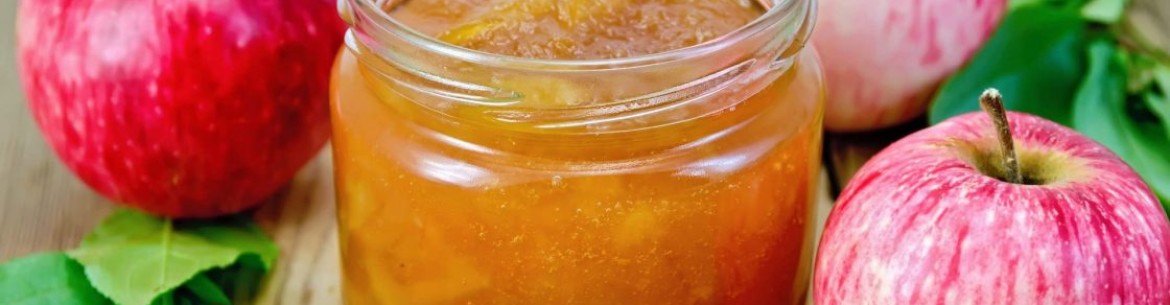
Processing apples for the winter at home: 19 recipes
Early and late-ripening apple varieties are excellent for various winter preserves. These juicy fruits make delicious sauces, syrups, jams, marshmallows, preserves, wine, liqueurs, and more. Furthermore, the harvested fruit can be used fresh for a long time, as there are several ways to prepare it for long-term storage.
Content
What equipment is needed for apple processing?
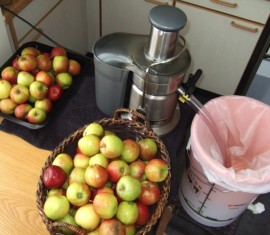
To process a bountiful harvest at home while preserving its original flavor and nutritional value, you'll need specialized equipment. To extract juice, a press is used to crush the fruit under pressure. Depending on the method used to create the pressure, juice presses are classified into several types:
- mechanical;
- electromechanical;
- hydraulic with jack.
The most productive designs utilize both electricity and hydraulics. These devices allow for processing large quantities of apples.
To make jam and marmalade, you will need a steamer or multicooker to soften the apples before further cooking.
Alternatively, you can bring the fruit to the desired consistency using a regular saucepan with a large capacity.
How to quickly process a lot of apples
An excessively large fruit harvest is best processed into juice, as this option takes the least amount of time and preserves all the harvested fruit. A press is ideal for this purpose.
Processing apples for winter at home: what to cook
Only late-ripening varieties can be stored fresh for long periods. Fruits that ripen in summer are used for juice and preserves. Unripe fruits are ideal for making vinegar, which is used not only in cooking but also in folk medicine. There are numerous recipes, many of which contain various ingredients in addition to apples: lemon, walnuts, bay leaves, ginger, and so on.
Jam
Of the many apple jam recipes, the "five-minute" method is considered the most popular among home cooks. This is due to the ability to preserve the maximum amount of vitamins and nutrients thanks to the short cooking time. Furthermore, the recipe is quite simple, economical, and doesn't require a significant investment of time.
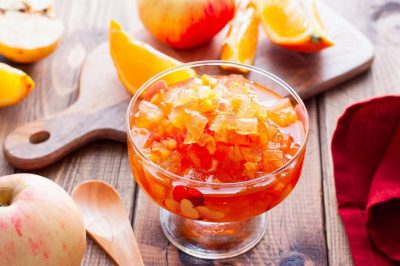
To obtain 1 liter of jam you will need:
- 1 kg of apples;
- 350 g sugar;
- ½ tsp ground cinnamon.
Cooking algorithm:
- Prepare the fruit: wash, peel, remove the core, cut into small slices.
- Mix the apples with sugar and leave for several hours until they release juice.
- Mix the released juice thoroughly and put it on the fire; after boiling, add cinnamon.
- Cook for 5 minutes, stirring occasionally.
- Pour into sterilized containers, roll up and cover until completely cool.
In each case, the amount of sugar is recommended to be taken into account the degree of sweetness of the fruit.
Jam
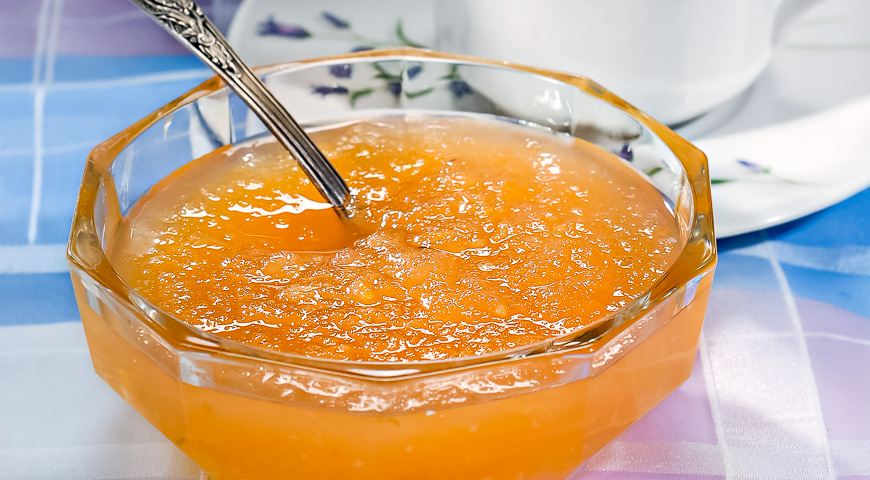
The classic recipe for making this delicious preparation includes:
- 2 kg of apples;
- ½ water;
- 1 kg of granulated sugar (the norm is calculated for very sweet jam).
Preparation:
- Peel the fruit (do not discard the peel), cut into small slices and place in a large container.
- Sprinkle the apples with sugar in an amount depending on the sweetness of the variety, and shake gently.
- Place the peels in a saucepan, cover with water, and set over medium heat. Cook for 10 minutes, then cool and pour the resulting liquid into the apples, removing the peels first.
- Cook the apples for approximately 40 minutes, stirring occasionally, until completely softened. Some varieties require longer cooking.
- When the jam reaches the desired consistency, remove the mixture from the stove, place it in sterilized jars and seal tightly.
The thickness of the jam depends on personal preference.
Marmalade
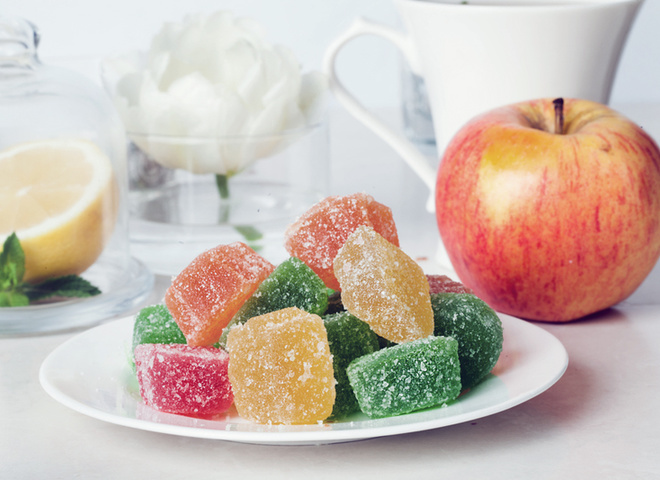 Components:
- 2.5 kg apples;
- 250 ml of water;
- 1.5 kg of sugar.
Preparation:
- Wash, peel, and cut the fruit into pieces. Then place them in a saucepan and add water.
- Cook over low heat until soft.
- Mash to a puree using a potato masher or blender.
- Add sugar and cook until completely thickened (about 40 minutes).
- Place the resulting mass on a parchment-lined baking sheet.
- Place in the oven for 2 hours at 80°C.
- Turn the finished treat over, cover with parchment paper, and leave for 24 hours. Once the marmalade has dried, cut it into pieces and store in a cool place.
Apple mash
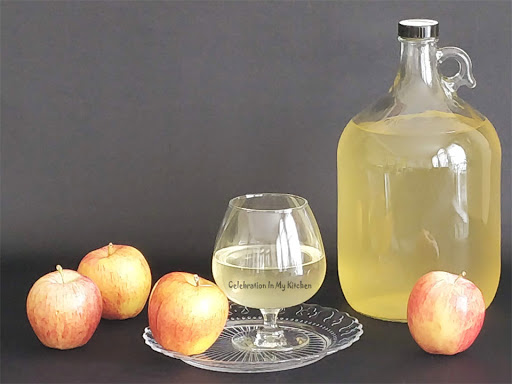 The simplest recipe for apple mash contains the following ingredients:
- 3 buckets of fruit;
- 3 kg of sugar;
- 20 g dry yeast;
- 2 buckets of water.
Preparation:
- Wash the apples, peel them, cut out the core and damaged parts, and then chop them using a grater, crusher or meat grinder.
- Heat water to 40°C. Dissolve ½ cup sugar and yeast in a liter of water. Let stand for 10 minutes.
- Place the apples in a jar and pour the remaining sugar dissolved in water over them.
- Once the yeast foams, add it to the apples.
- Stir the contents of the flask and cover with a lid equipped with a hole.
- Place the future mash in a dark, warm place for 2–3 weeks. After this time, it will be ready.
A preparation placed in a cold room will begin to ferment only after 2–2.5 months or will not “ferment” at all.
Fermentation time for apples depends directly on the room temperature. If you leave the apples in a cold pantry, they may not ferment, or the process may be very sluggish, taking up to two months.
Kvass
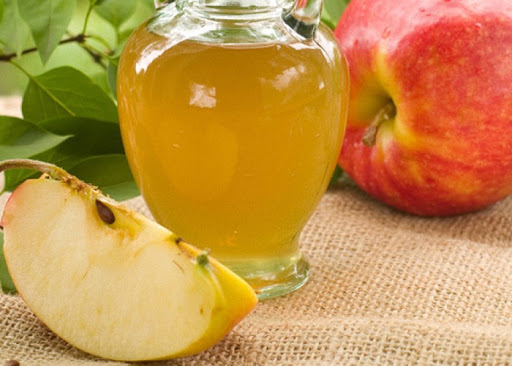 You can get apple kvass from the following ingredients:
- ½ kg apples;
- 100 g sugar;
- 2 liters of water;
- 10 g fresh yeast or 2 g dry yeast.
For those who prefer yeast-free kvass, it is recommended to replace this product with 30 g of raisins and increase the fermentation time at stage 5 to 16 hours.
Preparation:
- Wash the apples and cut them into large pieces. Remove the seeds and cores, leaving only the peel.
- Place the fruits in water brought to a boil and cook for 5 minutes over low heat.
- Add sugar and cook until completely dissolved, stirring constantly.
- Cool to room temperature (below 30°C), then add yeast or raisins and mix thoroughly.
- The appearance of a slightly sour smell and foam will indicate the beginning of fermentation of kvass, which lasts 10–12 hours at room temperature.
- Strain the drink and pour into bottles. Then seal tightly and place in fridgeIt will take about 8 hours for it to be completely ready.
Cider
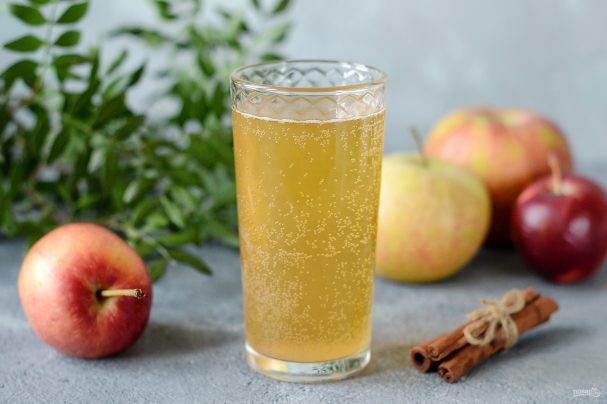 To make cider, it is recommended to use both sour and sweet apple varieties, mixed in a 1:2 ratio. The traditional recipe includes the following ingredients:
- 10 kg of apples;
- 1.5 kg of granulated sugar;
- 1 liter of water.
Cooking sequence:
- Wipe the fruits with a clean, dry cloth (do not wash them, so as not to remove wild yeast from the surface), then place them in a warm place for 2–3 days.
- Grind the skin and seeds into a smooth puree using a meat grinder or blender.
- Place the mixture in a dry, heat-treated container. The apples should fill 2/3 of the container to allow room for carbon dioxide and foam.
- Add sugar at the rate of 100–150 g per 1 kg of fruit and mix.
- Tie the neck with gauze and place the container in a warm room at room temperature for 4 days.
- Stir the future cider daily, dissolving its thick top layer in the juice. Fermentation, marked by a characteristic aroma, hissing, and the appearance of foam, will be visible after 12–16 hours.
- Squeeze the juice from the apple pulp and pour it into a dry container for subsequent fermentation. Install a water seal or wear a rubber medical glove with a pierced hole in one place.
- Place the container in a dark room with a temperature of 20–27°C. After approximately 55–65 days, sediment will form at the bottom, the drink will become clearer, and the hydrolysis will stop bubbling. This indicates the end of fermentation.
- Strain the fermented drink several times through cheesecloth folded in several layers.
- Pour the cider into bottles, seal them tightly with corks and place them in a place with a temperature of 7–12 °C, where it will finally reach readiness within 3 months.
Any apple variety can be used for winemaking, regardless of skin color or ripening time. The main requirement is full ripeness and maximum juiciness.
When making apple wine, it is permissible to mix sour and sweet varieties, but there should be between 200 and 400 g of sugar per 1 liter of juice.
The preparation technology consists of several stages:
- preparation of raw materials;
- obtaining juice by crushing fruits;
- defending;
- compound with sugar;
- fermentation;
- pouring into another container for final maturation.
Apple syrup
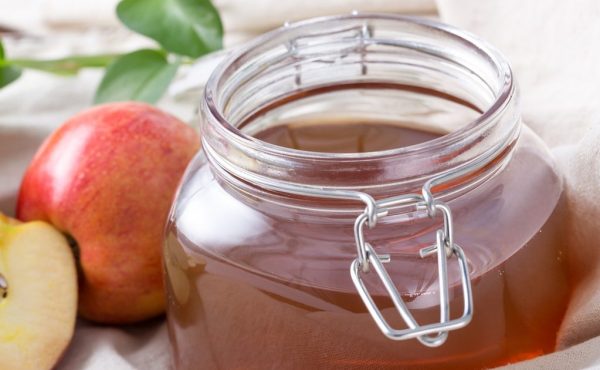
To make syrup, it's recommended to use only juicy varieties of fruit. Preparation instructions:
- Dissolve 1.5 kg of sugar in 2 liters of freshly squeezed juice and mix thoroughly.
- Place on low heat and cook for 1 hour.
- Add 1 teaspoon of ground cinnamon and leave on the stove for another 10 minutes.
- Pour the finished syrup into bottles and seal tightly.
Candied fruit
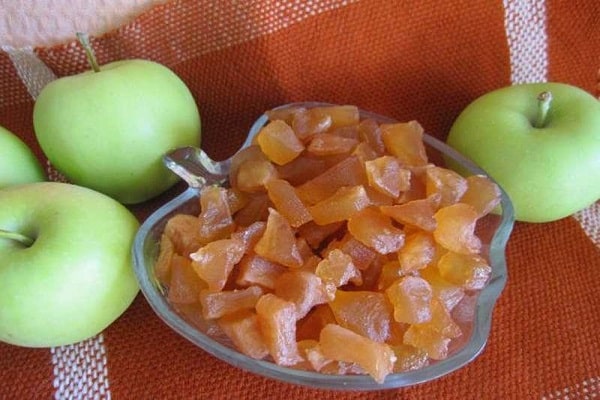 To prepare this treat, you will need:
- apples;
- sugar;
- water;
- citric acid or fresh lemon juice (2 tbsp.).
Preparation:
- Wash the apples, cut out the core, then cut into small slices.
- Prepare the syrup: combine water, sugar, and citric acid in a saucepan and cook for about 5 minutes after boiling.
- Place apple pieces into the syrup and leave on low heat for 5 minutes.
- Cool completely, then repeat the cooking process 4-5 times.
- Place the fruit in a sieve and leave for 2 hours to allow the syrup to drain completely.
- Place the treat in the oven for 5 hours at 50°C. Be careful not to let it dry out or burn.
At room temperature and in the absence of humidity, apple slices will dry out within a few days.
Vinegar
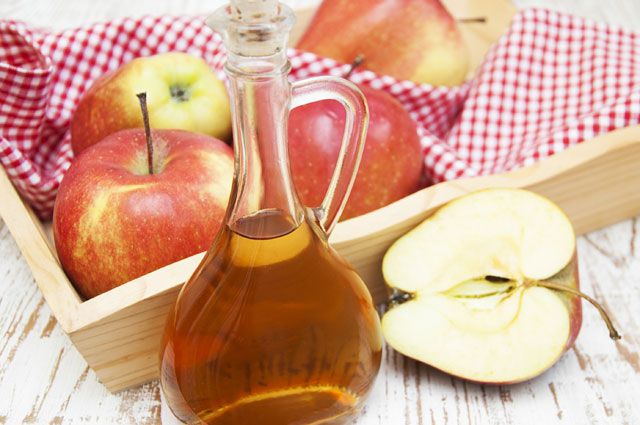 A simple apple cider vinegar recipe contains several ingredients:
- 1 kg of apples;
- 50 g sugar;
- water.
Preparation:
- Grind the pre-prepared fruits.
- Place the mixture in an enamel or glass container, cover with sugar and add hot water to a level of 3–4 cm above the apples.
- Place the container with the contents in a dark place for 14 days, stirring occasionally. The fermentation temperature should be 25–27°C.
- After the specified time, strain the liquid and pour into jars.
Apple sauces
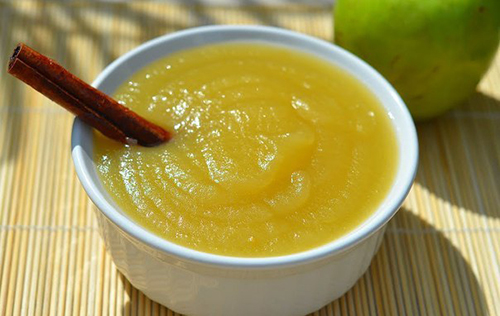 The classic recipe for a sauce that can be stored for a long time includes the following ingredients:
- ½ kg apples;
- ½ lemon;
- 300 ml of water;
- 50 g granulated sugar;
- 3 tbsp. salt;
- ground pepper (to taste).
Cooking sequence:
- Pre-treated fruits cut into slices.
- Dissolve sugar in water brought to a boil.
- Place the apples in the sweet solution and cook for 15 minutes over low heat.
- Remove the wedges from the pan and strain through a sieve.
- Add pepper, salt and lemon juice to the mixture.
- Beat with a mixer.
- Pour into sterilized containers and close with lids.
How to process apples without sugar
Apples can be preserved for the winter either with or without sugar. If sugar is added, the preserves should be stored indoors.
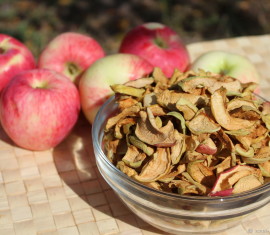
Dried apples
Overripe fruits should not be used for drying, as they cannot be cut cleanly. The seeds are removed from the harvested apples and then chopped into small slices ½ cm thick. The apples can be dry in several ways:
It is recommended to store the finished product in bags made of natural fabric or in glass containers, covered with a lid, and placed in a dark place.
Freezing
For frozen apples Slice and place in a single layer on a dry surface, making sure the pieces don't touch each other. Place in the freezer. After 3 hours, place in containers or plastic bags and seal tightly to prevent air from entering.
Fresh and canned juice
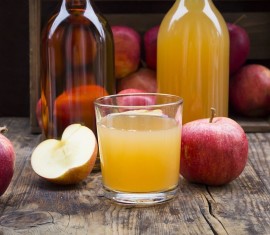
To extract the juice, apples are thoroughly washed, de-seeded, and pressed. The drink is consumed fresh or preserved by bringing it to a boil and pouring it into sterilized containers.
For juice, it is best to use fruits of sweet varieties.
Jam
Cut the apples into pieces and add water at a ratio of 1 kg to 200 ml. Boil for 15 minutes, then strain through a sieve. Keep the resulting puree over low heat until it thickens completely, then pour into sterilized containers.
Paste
The peeled fruit is sliced, placed in a saucepan, covered with water, and brought to the boil. Once softened, it is strained through a sieve. The soft mass is placed on a tray greased with vegetable oil and placed in the oven. The finished pastila is stored in refrigerator in a plastic bag.
Applesauce
The processed apples are boiled in a small amount of water. Then, they are strained through a sieve and brought back to a boil. The jam is placed in containers and sealed tightly.
Pickled apples
For this recipe, it is recommended to use the variety AntonovkaPlace the apples in containers and pour in apple juice diluted with water in a 1:2 ratio. Cover the preserves with plastic lids and store in a cool place: a basement, cellar, or refrigerator.
Apple chips
To prepare this treat you will need:
- 5 apples (you can use different varieties);
- cinnamon (to taste).
Preparation:
- Peel the fruit, remove the core and cut into 3 mm thick rings.
- Preheat oven to 110°C.
- Place the apples on a baking sheet and sprinkle with cinnamon.
- Place in the oven.
- Bake for 60 minutes, turning every half hour.
The product's readiness will be indicated by its solid state.
Dry jam
The traditional recipe involves the following steps:
- Prepare the apples: slice them, drop them into boiling water, and cook for 5 minutes. Then remove from heat and let them steep for several hours.
- Repeat this process 3-4 times. Strain the jam after it has steeped for the last time, then place it on a baking sheet and place it in the oven.
- Dry at 40°C with the door open.
To store dry jam, use special wooden boxes or glass containers.
Apples are a healthy and affordable fruit that allows you to prepare a variety of winter preserves. All the recipes are simple enough for even inexperienced home cooks.

Comments
Thank you
Thanks for the information.