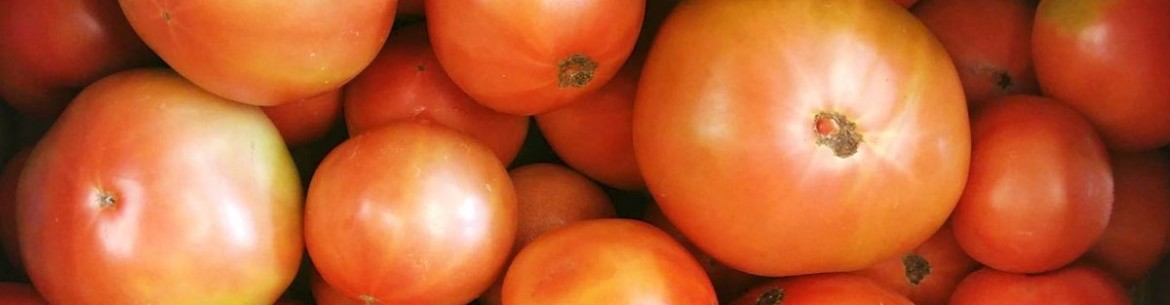
Why do people put apples in tomatoes?
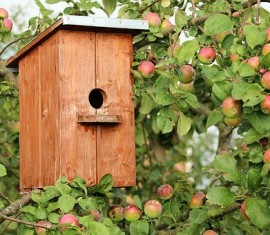
Only the lazy don't plant apple trees in their gardens. Zoned varieties produce a good harvest and don't freeze even in unfavorable climates. Sometimes there are so many fruits that processing them becomes difficult. As for fallen apples, they are simply collected and thrown into the compost heap. It turns out that even these apples have worthy uses.
Content
Helping tomatoes ripen
Benefits of using apples as fertilizer:
- This is a natural and environmentally friendly product;
- the release of ethylene helps tomatoes ripen faster;
- The fruits contain useful micro- and macroelements necessary for the development of tomato bushes.
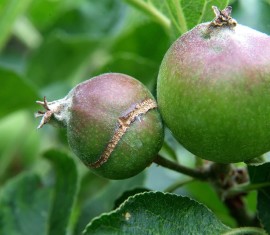
Making fertilizer doesn't require any financial investment. Simply gather fruit from the ground or pick it from a tree. Not all fruit will do. Rotten or wormy fruit, as well as those showing signs of disease, should be avoided. Apples that are just beginning to rot can be used. This can be identified by black spots on the skin.
Methods of feeding
Fast acting fertilizers:
- The harvested apples are placed whole or sliced in small containers. The containers are placed under the tomato plants.
- You can simply place the fruits in the corners and around the perimeter of the greenhouse or directly under the plants.
This fertilizer is applied from the moment tomatoes begin to form. When the apples begin to dry out, they are replaced with fresher ones.
Long-lasting top dressing:
- Excess apples are placed in a compost heap, alternating layers of grass, food plant waste, straw, manure and ash. The ripened compost is added to the greenhouse in the spring, and tomatoes are planted.
- In the fall, apples are buried in beds where tomatoes are planned for planting next season. The fruit rots quickly and is an excellent soil conditioner.
Tomato bushes planted in soil with the addition of apples grow quickly and readily produce fruit.
How apples help tomatoes ripen
In greenhouse conditions, fruit begins to ferment, releasing ethanol. How does ethanol affect tomatoes?
- slows down the growth of stepsons;
- stops the growth of excess green parts of the plant;
- activates flowering;
- accelerates ripening.
Tomatoes don't always have time to ripen on the vine. In the temperate and northern regions, the climate prevents tomatoes from turning red. They are picked green at the end of the season. Apples placed between the tomatoes in crates help speed up ripening.
How to speed up the ripening process of tomatoes at home
Tomatoes brought home from the dacha unripe can be made to turn red in this way:
- Select healthy dry apples.
- Place the tomatoes in paper or plastic bags. Poke small holes in the plastic bags to allow air to pass through to prevent rotting.
- Place an apple in each bag and tie it.
- Place the bags in a dark and warm place.
Tomatoes need to be checked periodically. If any spoiled fruits are discovered, they should be removed immediately to prevent infection from spreading to other plants.