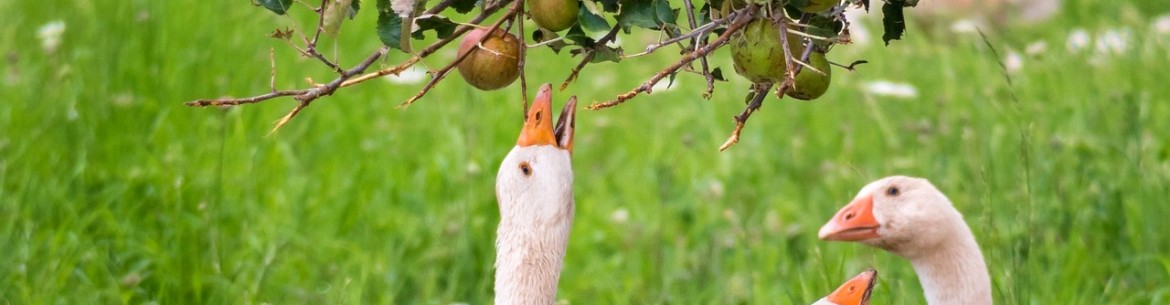
Can apples be given to animals and poultry, and how many per day will be safe?
Benefits of apples It's well known. Including these fruits in the diet of any pet or bird brings only benefits. The fiber contained in the fruit improves the digestion of animal protein and normalizes intestinal function.
Content
The benefits and harms of apples for animals
An apple is a delicious, healthy, and, importantly, virtually hypoallergenic fruit. It contains a large amount of:
- fiber;
- pectin;
- vitamins K, C, E, P, B1, B2;
- iron;
- potassium;
- calcium;
- manganese.
A small amount of fruit in your pet's diet can ensure normal digestion and the removal of toxins from the body. Apples also boost the immune system. The iron they contain oxygenates the body's cells. Calcium helps strengthen the skeletal system and maintain healthy teeth.
However, there are a number of negative factors that can be harmful when consuming this fruit. The first is its coarse fiber, which is difficult for animals to digest, and the second is its very high levels of fruit acids and sugar.
The greatest danger is posed by seeds Apples, which contain hydrocyanic acid. This is essentially a highly toxic poison that, in large quantities, can be fatal.
Combination with other foods
The correct combination of foods consumed at one time plays a huge role in proper digestion of animals and reducing the likelihood of intoxication of the body from rotting and fermentation processes in the stomach and intestines.
Stone fruits pair best with other fruits. An ideal vitamin-rich pairing is apples and carrots. However, for some animals, it's better to serve this fruit separately and on its own. Mixed feedings often cause problems when one food interferes with the digestion of another.
Can you give apples to animals and how many per day?
When including pome fruits in the diet of pets or birds, it is advisable to give preference to local varieties, as they contain fewer chemicals.
To the dog
Feeding dogs apples requires special preparation. Simply picking the fruit from the tree and throwing it to the dog won't do any good. Feeding should be done at least half an hour after the main meal. The fruit also requires careful preparation:
- The fruit is thoroughly washed and dried.
- Peel the apple if it is red; yellow or green apples can be left unpeeled.
- The entire core is cut out, since the seeds contain hydrocyanic acid, and cutting may injure the esophagus and stomach.
- Chop the prepared fruit (for dwarf varieties it should be chopped much finer).
If necessary, apple raw material can be mixed with honey or added to porridge.
You should not mix fruits with fermented milk products, as there is a high risk of developing indigestion.
Proper feeding is related to body weight:
- small breeds - half a fruit 2 times a week;
- medium breeds – 1 fruit 2 times a week;
- large – 2 medium apples 2 times a week.
Including puppies
Nutritionists recommend introducing apples into puppies' diets starting at two months of age, in the form of puree mixed with mashed carrots. This can be given every three days, a quarter or half of an apple, depending on the dog's breed size.
Chickens
Fresh fruit from fallen fruits is best for a balanced chicken diet. 10-12 grams of chopped fruit is mixed into the birds' main feed. This food spoils quickly and becomes unfit for consumption within 3-4 hours, so it should be prepared before feeding. The recommended amount is 1 apple per 4 chickens every two weeks.
Including broilers
There's no need to cut apples for broilers; they peck them just fine. You can also mix fruit peelings with bran.
This type of food should be fed to birds no more than twice a week. Otherwise, it can cause gastrointestinal upset.
For rabbits
Rabbits need apples for active growth and development. They eat these fruits with great relish. However, since their digestive systems are often finicky, introducing them into their diet should be done with caution.
When planning to include fruits in your pet's diet, follow these rules:
- combine apple raw materials with hay, grass or compound feed;
- alternate with other succulent foods;
- add in small portions.
It is acceptable to feed apple scraps to rabbits, provided that they are fresh.
It's recommended to start introducing young rabbits to apples at 1.5 months of age, feeding them apples only in the morning and afternoon. The recommended daily intake for an adult rabbit is one medium apple. Experienced rabbit breeders recommend calculating the fruit intake at a rate of 25 g per kg of live weight.
Fluffy pets readily eat and dried fruitsHowever, buying them at markets and supermarkets is not recommended. Only those dried at home or purchased from trusted vendors are beneficial. The recommended daily intake for an adult animal is no more than 50 grams, which can be divided into two portions.
Cows and calves
Apples should be a staple in the cattle diet as a succulent feed, as they contain all the necessary vitamins and microelements, carbohydrates, and fiber. This will not only strengthen health animals, but will also significantly increase milk yield.
Apples should be used as a supplementary feed, as an alternative to silage.
A dairy cow weighing 500 kg with a milk yield of 20-30 liters of milk per day on a balanced diet can be given no more than 7-8 kg of stone fruits per day.
During the period of adaptation to a new diet (after weaning), calves can only be fed apples in combination with chopped hay, grated beets, carrots, and potato peels. The daily dosage starts with 100 g of the product and gradually increases to 1 kg.
For ducks and geese
Apples are one of the few fruits that can be safely introduced into ducks' diets. Before feeding, they should be chopped and then added to the mash. The amount of apples fed to ducks should not exceed 50 g per day.
Apples that are unsuitable for sale or canning will also be an excellent source of vitamins. top dressing Geese. Young birds are especially fond of fruit. It's important to ensure that they don't come into contact with infected fruit. No more than 75 g of crushed apples per day is recommended.
For horses
Apples should be included in a horse's diet, just like other fruits. While it's unlikely that a couple of apples at a time will cause digestive problems, it's still best to gradually introduce your horse to this type of diet.
You should not feed your horse small apples whole, as the animal may try to swallow them without chewing, which carries the risk of developing an esophageal blockage.
There's no need to wash fruit to prepare this supplement, and there's no need to cut up large fruits, especially not to remove the pits. Horses eat all of this in its natural state. Never feed rotten apples to your horse, as this can also cause stomach cramps.
It's best to feed fruits on an empty stomach. Start with hay, and then feed apples after 5 minutes. On average, an animal should be given 8 to 12 fruits per meal.
For piglets
The product's low calorie content allows it to be fed to piglets without concern for their health. Apples can be included in the diet of piglets of any age.
More than 25–30 kg of fruit raw materials per day without dry matter causes intestinal upset.
Food scraps such as cores and peels are suitable for making mash. They are boiled together with the main feed.
For turkeys
The vitamins, fructose, and minerals found in apple pulp are very beneficial for turkeys. They can be fed alongside vegetables or rowan berries. It's recommended to feed the fallen fruit "for dessert," as when added to the mash, the birds peck at the sweet food, leaving the dry food behind. The daily requirement is no more than 80 grams of chopped fruit.
Goats
Apples are one of these animals' favorite treats. It is recommended to feed one bucket of ripe fallen apples per three adult goats per day.
Parrots
Parrots can be fed apples raw, cooked, or dried. These little birds also enjoy compotes made from fruit. Apples are rich in sugar, vitamins, and minerals, so it's recommended to include them in your parrot's diet year-round.
However, if these products are consumed in excess, the bird may develop metabolic disorders or even diabetes. diabetesTherefore, to prevent overfeeding, it is permissible to give small parrots no more than 1/6 of the portion per day, and large ones – 1/4.
Rats
Of course, practically omnivorous pet rats can be fed apples. Depending on their size and digestive characteristics, no more than 1/6 of a large apple per day is acceptable.
Chinchillas
Apples are a chinchilla's staple treat. They contain fiber, which promotes proper digestion. They eliminate toxins and improve overall metabolism, strengthening the animal's fur and cardiovascular system.
This ornamental animal can only be fed with dried apples.
For snails
Fresh apples provide pet snails with essential vitamins and microelements. They can be fed to Achatina snails even though they lack animal protein. Thinly sliced (or grated) fruit is sprinkled with calcium supplement and fed once a day in the evening.
Give the snails as much food as they can eat in a day. nightAnd the next morning, remove the remains so that they do not mix with the soil and begin to rot.
How to properly prepare apples
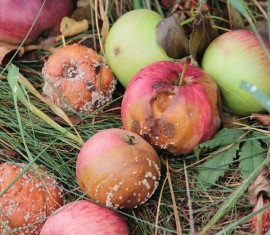
The method for preparing the apples depends on the animal you plan to feed them to. Typically, the fruit is washed, dried, and chopped. The size of the finished product depends on the type of animal or bird. For horses and cows, apples should be halved or even left whole. They should also be grated, crushed, or sliced. Remember that spoiled, infected, or frozen fruit is dangerous to your pets.