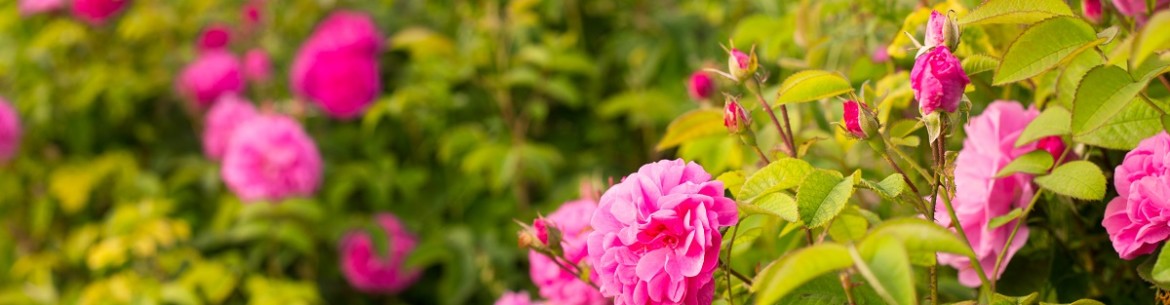
What flowers should I plant in the spring so they bloom all summer until fall?
Spring is gardening season. It's the perfect time to prepare your beds and flower gardens and plant flowers that will delight your eyes all summer long.
Spring planting is better suited for those regions where winters are cold, frosty and with little snow.
Choosing plants requires careful consideration. If you plant the wrong flowers, they will either fail to thrive or will fail to grow truly beautiful and healthy.
In this article, we'll look at plants that can and should be planted in the spring. They require little care, thrive, and bloom for a long time.
Content
Factors for choosing colors
Climate has a significant impact on what plants you should plant in your garden in the spring.
Temperature
Flowers tolerate high and low temperatures differently. Choose plants that are suitable for the temperature conditions of your garden.
The temperature in your garden is affected not only by the weather and geographic location, but also by the topography. If the soil slopes north, it will warm up more slowly. In spring, take your time planting, or choose plants that tolerate cooler temperatures.
Soil temperature, in turn, depends on its type. Heavy loam warms up more slowly than sandy loam soil. Also, the darker the soil, the faster it warms up.
Some delicate plants are easily damaged and die. But even hardy flowers can suffer in cold spring weather. Therefore, it's important to protect frost-sensitive crops.
Sunlight
The more sun your plot receives, the warmer it will be. A south-facing garden will be warm and sunny enough for plants that prefer direct sunlight. If you want to plant shade-loving plants, be sure to position them appropriately, for example, under trees.
Rain
When choosing plants for spring planting, consider whether your region receives sufficient winter precipitation. A snowless winter will result in plants lacking moisture in the spring.
If your garden is in a dry zone, plant plants that can tolerate water loss.
Wind
Air movement is beneficial for flowers. They are less susceptible to diseases and cool more easily. However, it also increases moisture evaporation from the leaves and reduces soil moisture. Consequently, plants require more watering to compensate for the loss.
All of the above factors are equally important when choosing plants for planting.
Bulbous flowers
Certain bulbous flowers are not frost-hardy and will not survive the winter in temperate climates. They should be planted in the spring. This will allow them to bloom in the summer or fall.
Bulbous plants are very diverse, and among those planted in spring, you will find your favorites.
The most common ones are:
- gladiolus;
- tulip;
- narcissus;
- perennial dahlias.
The general rule for spring planting is to plant flowers in the ground only when the soil temperature exceeds 10–15°C.
Gladiolus
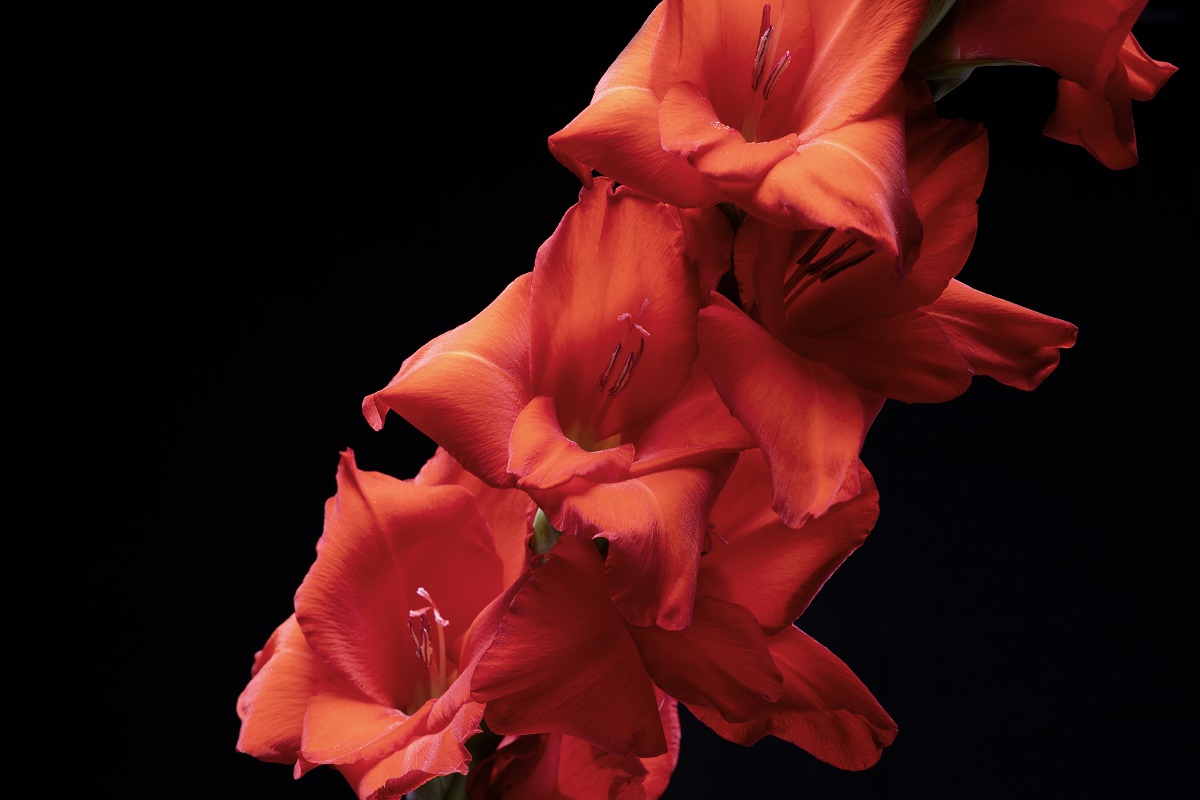
They are planted directly into the ground once the danger of night frost has passed. To speed up growth, you can first germinate the gladioli bulbs in a container indoors. This is especially helpful for late-blooming varieties.
Gladiolus bulbs are planted at a depth of no more than 3–4 cm.
Tulip
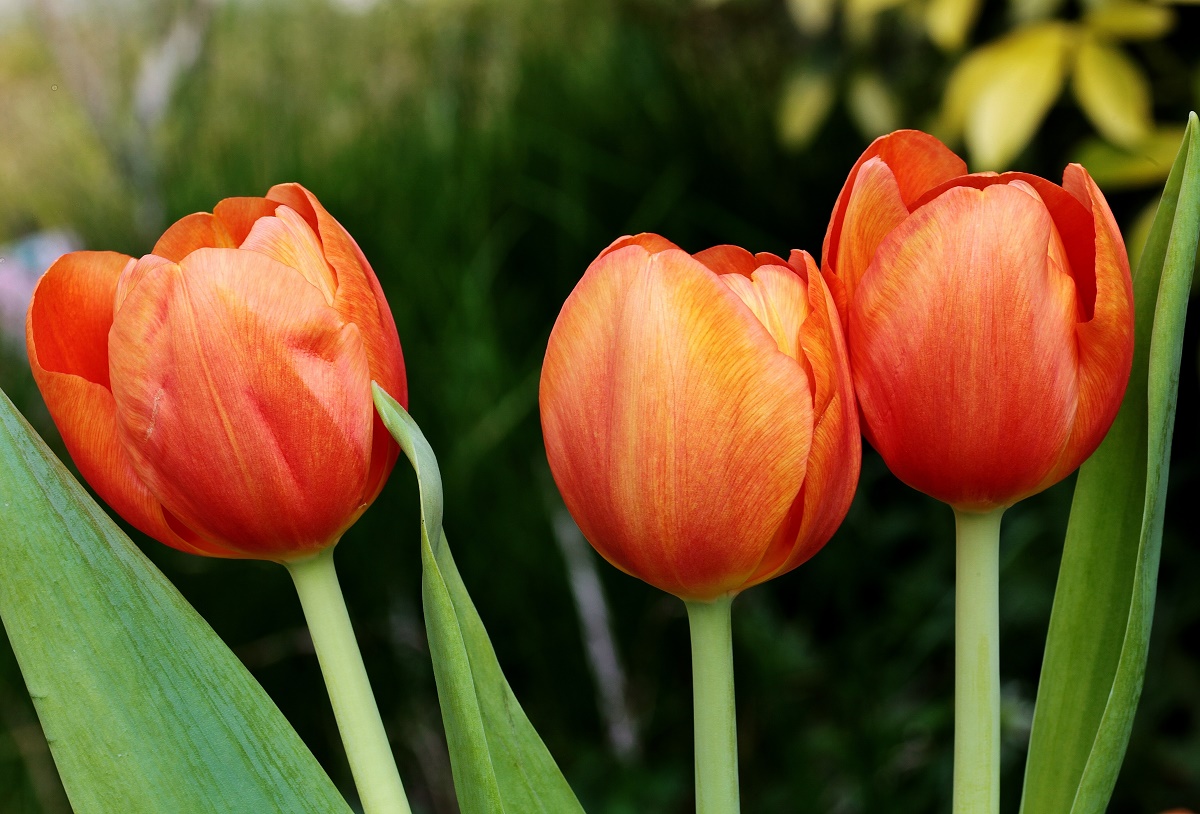
Remember that tulips planted in spring will bloom only next year.
The soil must warm up to 10°C. Otherwise, the flowers will die without taking root.
Plant tulips in a sunny, warm location. Remember that these flowers do not tolerate flooding from meltwater or close proximity to groundwater. The tulip bed should be elevated or at least 50–60 cm high.
Narcissus
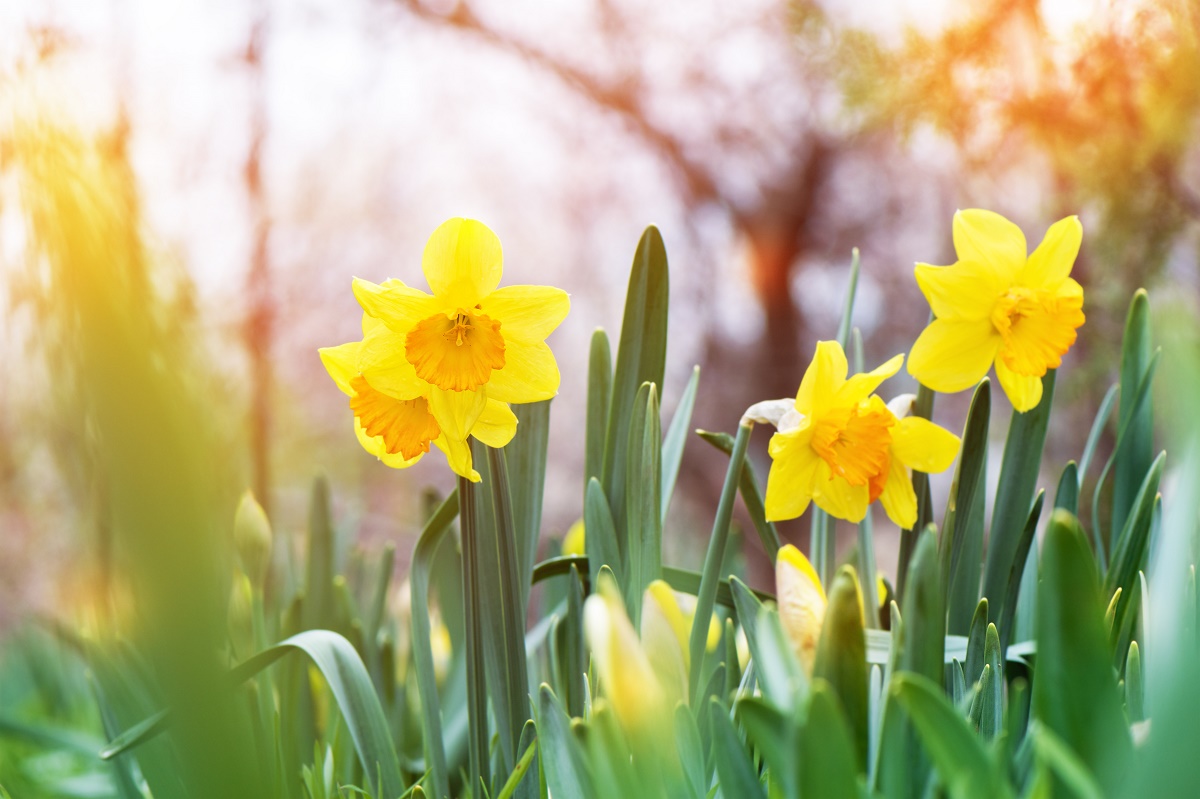
One of the most easy-to-grow bulbous plants, even novice gardeners can grow them.
Daffodils can be planted as early as early spring. The key is for the soil to thaw to a depth of at least 20 cm and be reasonably warm.
Before planting, dig the soil to a depth of a spade. The planting depth will depend on the size of the bulbs and the soil conditions.
Dahlia
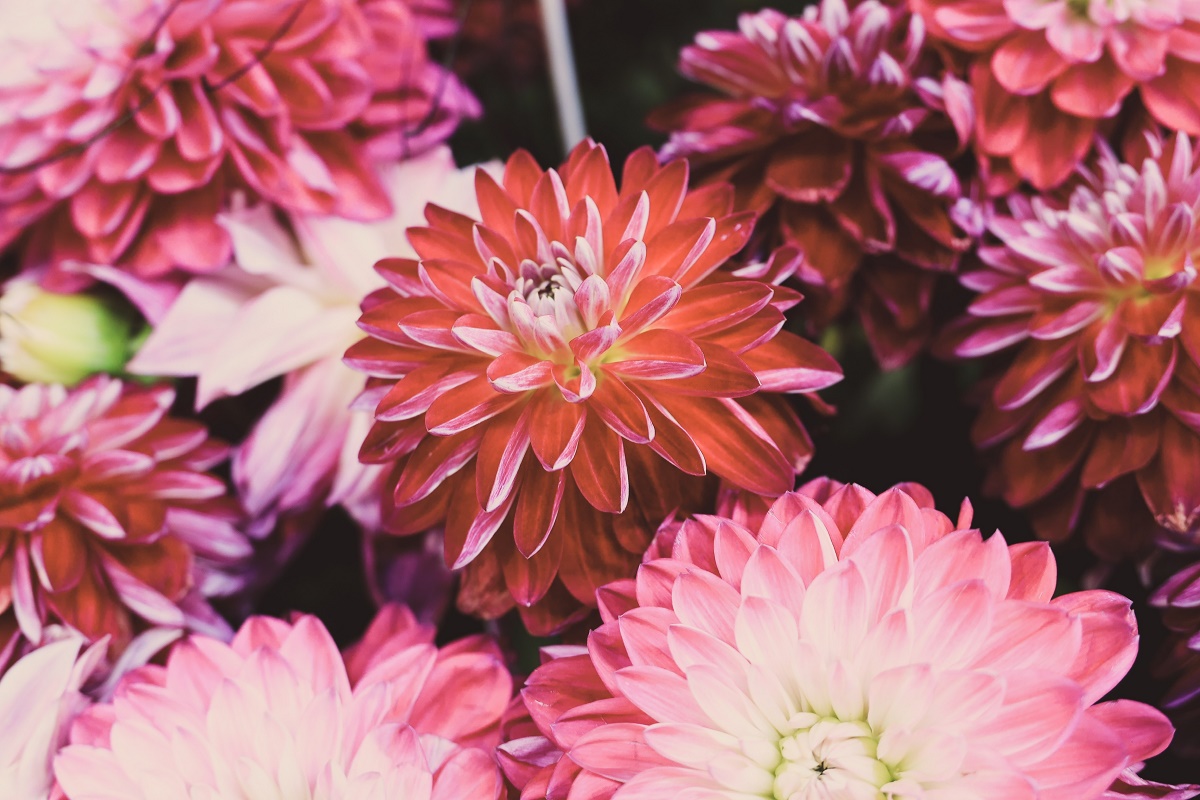
Plant all types of dahlias in the ground around mid-May. Plant at a depth of 20–30 cm.
If the bulbs seem too large, separate them.
After the dahlias have finished blooming, dig up the flowers and cut the stems back to a height of 15–20 cm.
Perennial flowers and shrubs
These "residents" will make your garden beautiful and well-groomed for a long time.
Let's look at the most popular ones.
Peonies
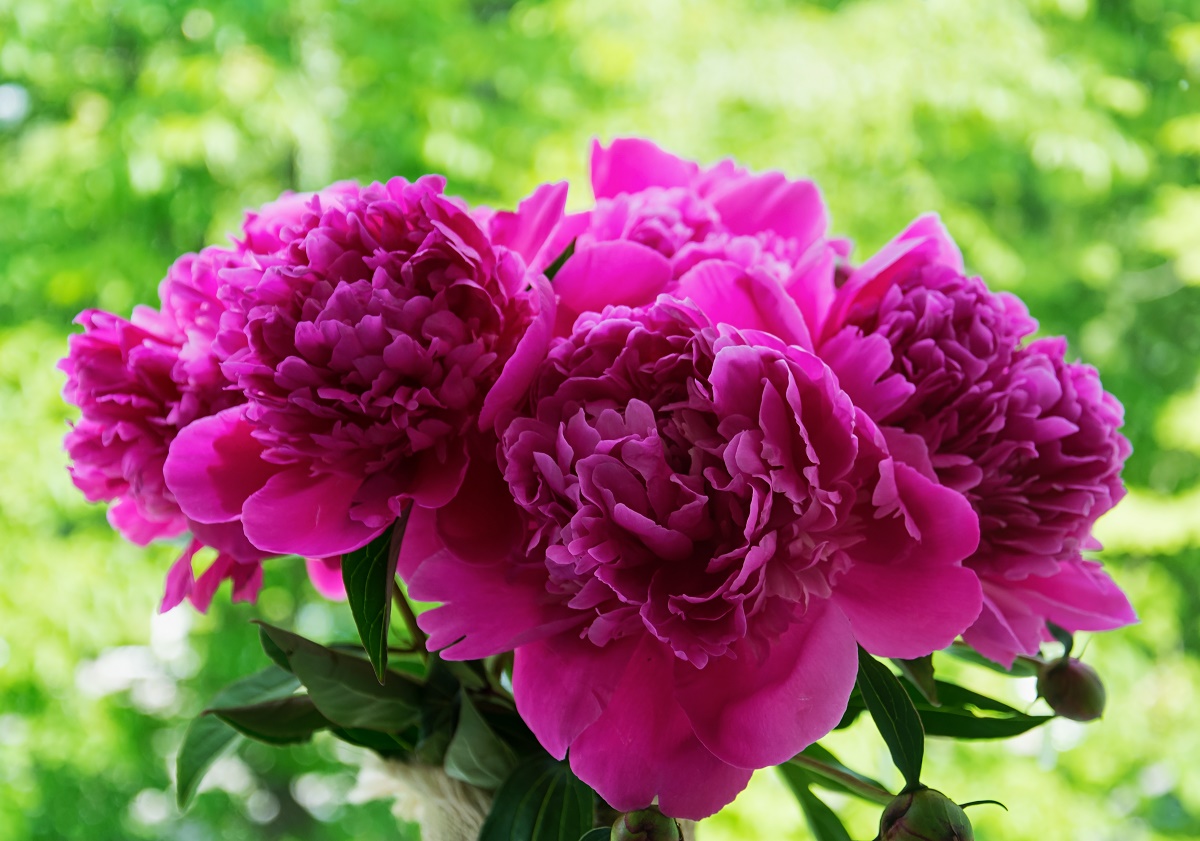
If you decide to plant a peony in the spring, do it before the hot weather sets in, during the first half of the season. The ideal time is late April or early May.
Choose a sunny location, but at the same time protected from the wind.
The planting hole should be large, as peonies have a large root system. Add drainage material—gravel, broken brick, or pebbles—to the bottom of the hole, as peonies do not tolerate standing water.
Irises
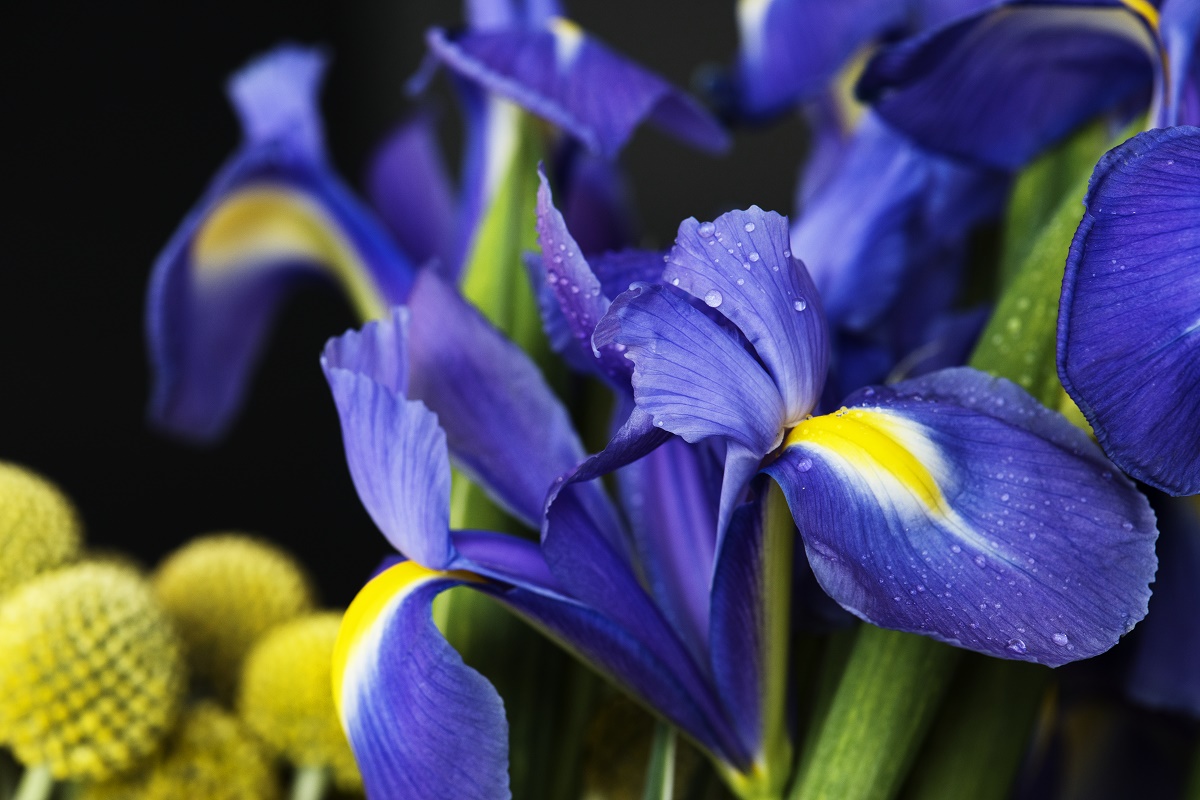
Unpretentious flowers that easily tolerate weather changes. Modern varieties are almost immune to diseases.
Irises are planted outdoors at the end of April, as soon as the soil thaws. The soil temperature should rise to 12°C.
Choose a well-lit site. Irises prefer slightly acidic or neutral soil. The hole should be no more than 12 cm deep.
After planting, water the flowerbed with warm water.
Lavender
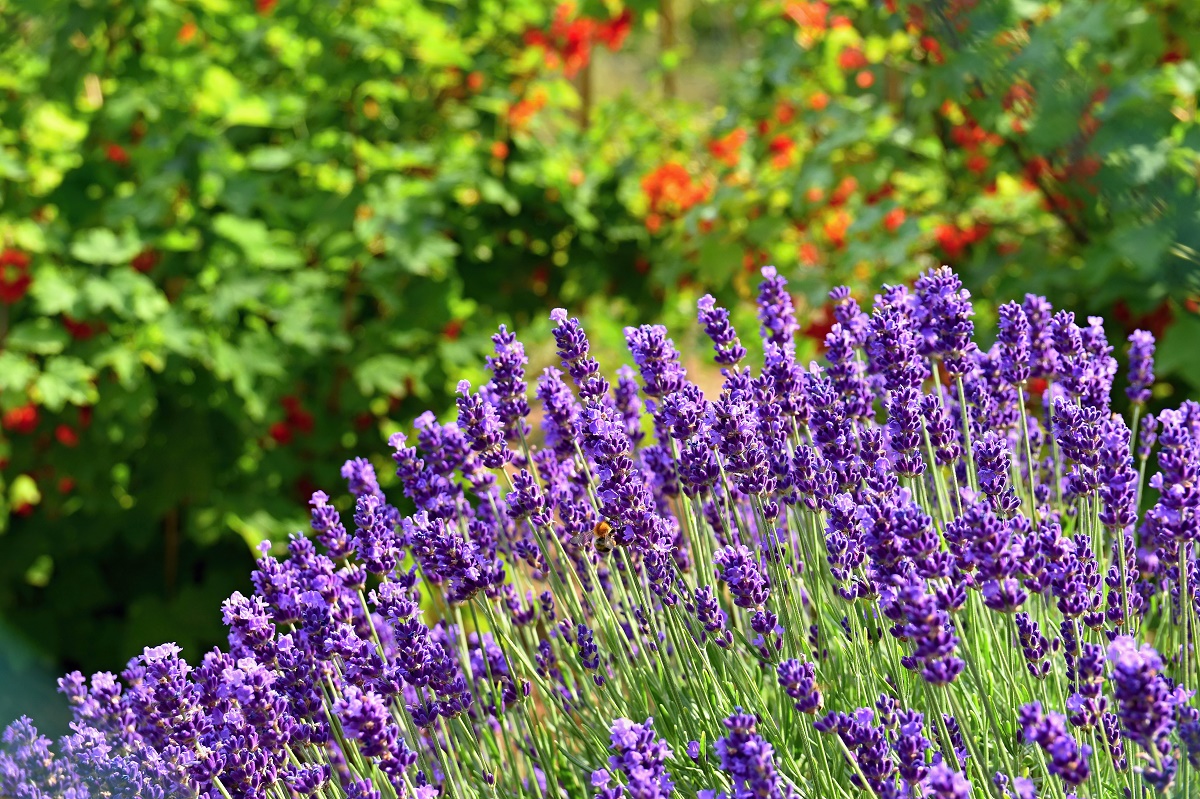
A light-loving plant that is planted in open ground at the end of spring.
Ideal for sandy soil that allows oxygen and moisture to pass through well.
After planting, feed the lavender with mineral nitrogen fertilizers.
Roses
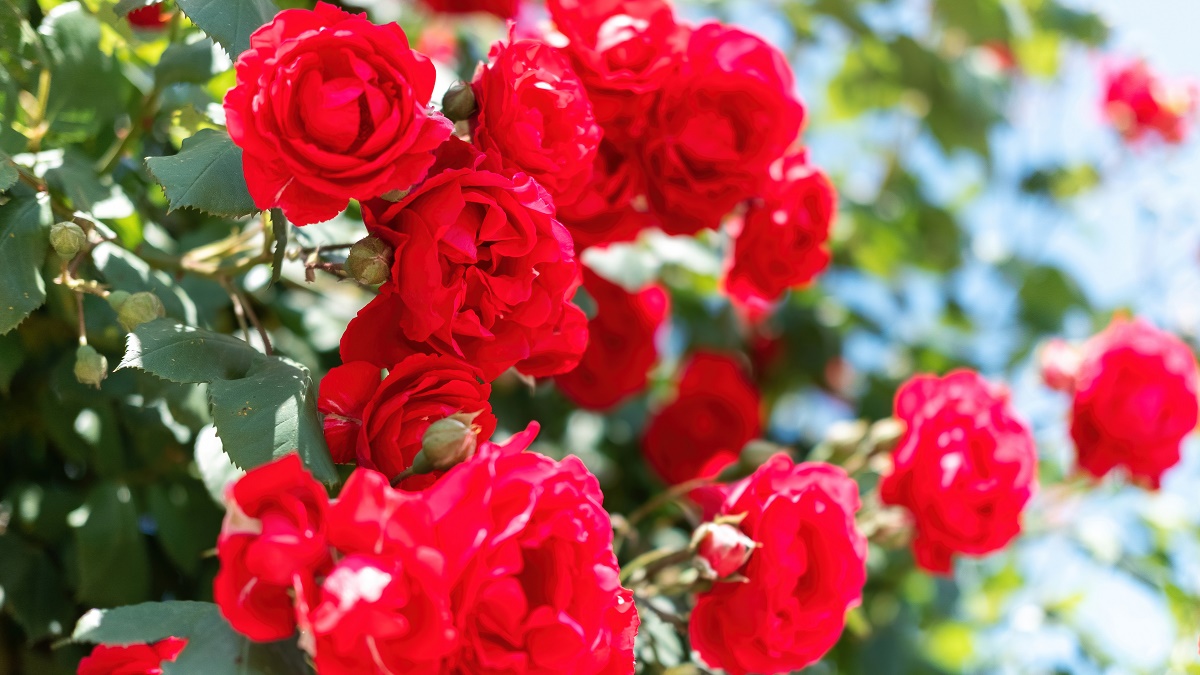
Roses can be planted starting in May. Soil temperatures should be above 10–12°C.
These beautiful flowers do not tolerate acidic soils, but love fertile and permeable soils.
Before planting, we recommend digging the soil twice.
These are just the most popular perennials. In fact, you can explore other options. The key is to follow the recommendations to grow a beautiful and healthy plant.
Annual flowers
Annual plants that need to be planted annually will not keep you waiting long for their flowering.
They give the gardener the opportunity to create a flower garden to suit any taste.
Anthurium
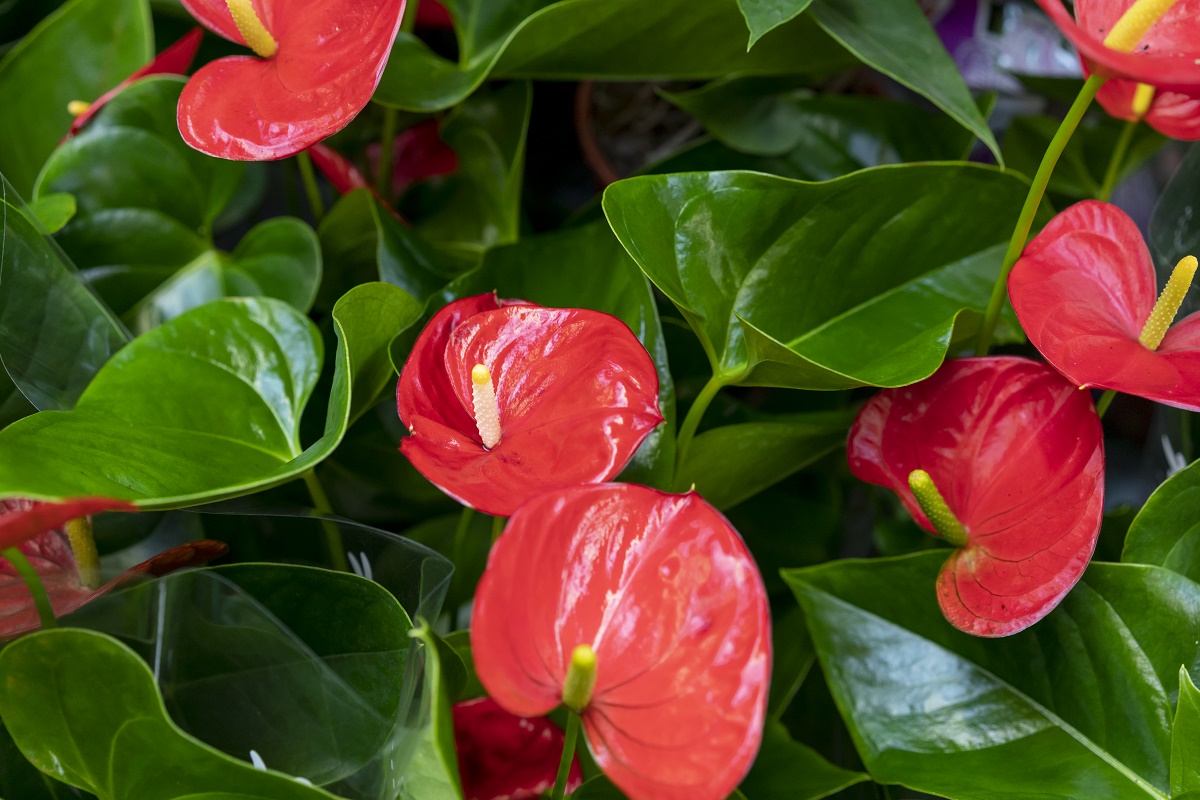
Plant it in the garden when the weather warms up significantly (daytime temperatures above 21°C, nighttime temperatures not below 15°C).
A sunny, windless place is suitable for the flower.
Verbena
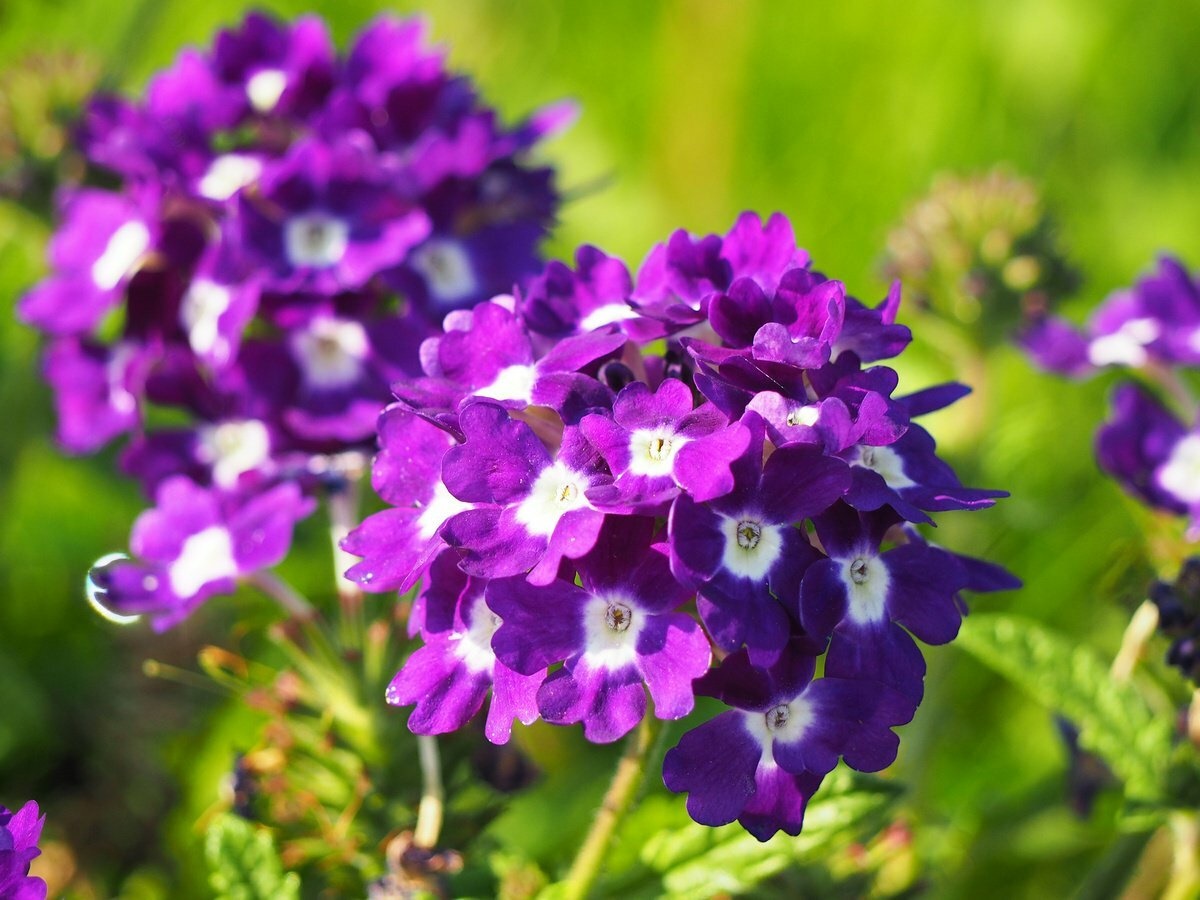
Verbena can be sown from seeds for seedlings as early as March or April, and from seedlings in the ground at the end of May. It will then begin to bloom around June.
Choose an area with bright or filtered sunlight; partial shade is also suitable.
Verbena is unpretentious in terms of soil, but fertile loam is better suited.
Begonia
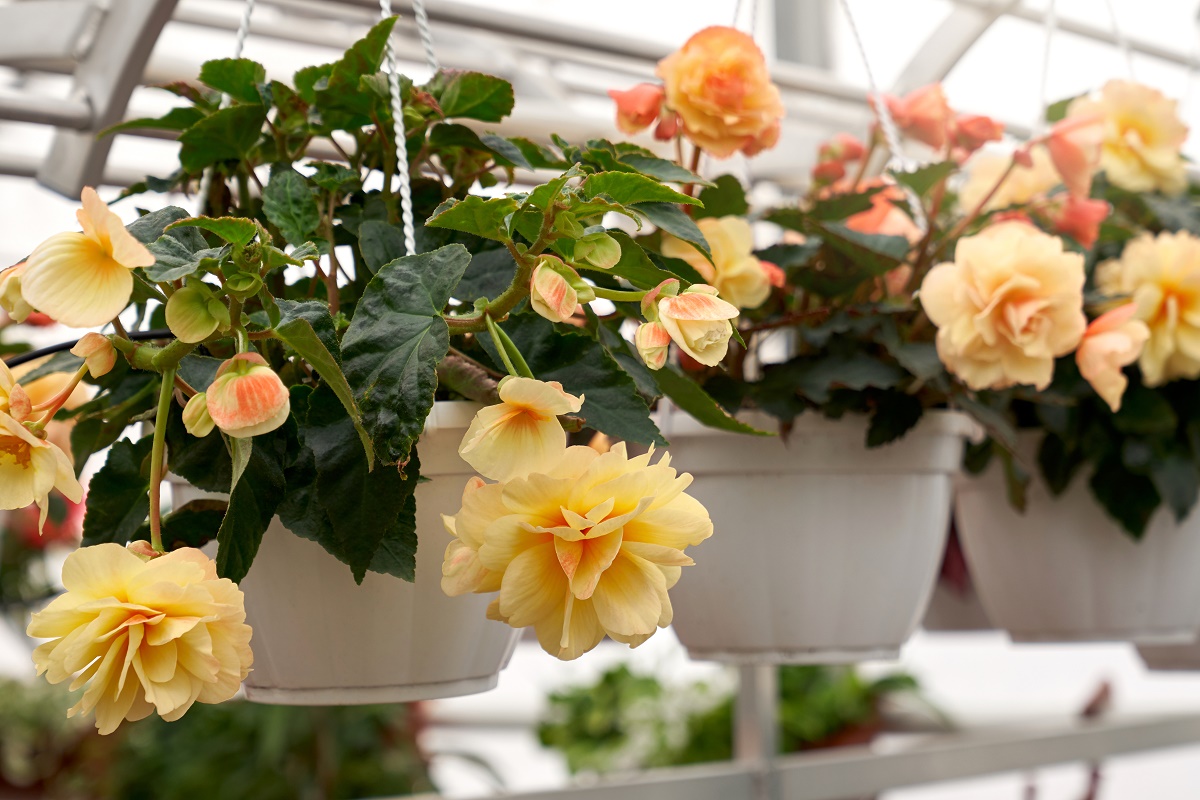
It doesn't like cold and frost, so we recommend planting the flower in open soil at the end of April.
The soil should warm up to 10 ºС.
Choose a wind-free planting location and be sure to provide drainage under the plant.
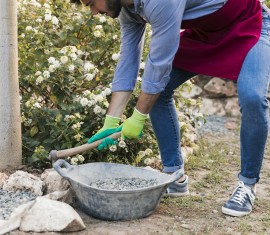
Soil preparation and planting
If you want to enjoy the blooming of beautiful flowers, make sure to prepare the soil correctly and in a timely manner.
Aeration
All roots require atmospheric oxygen. Otherwise, they will wither, and the plants will not receive enough nutrients and die.
Aerobic soil microorganisms also need soil aeration.
The most primitive methods of aeration are piercing the soil with a rake, a rake, or a spiked sole.
Application of organic fertilizers
In spring you will need the following organic fertilizers:
- compost;
- manure;
- humus;
- peat;
- sapropel;
- bird droppings.
Add compost when planting.
Manure and humus - during digging.
Peat is added to speed up air exchange, destroy putrefactive bacteria, and enrich the soil.
Apply sapropel in powder form when planting seedlings or sprinkle it on the soil when digging.
Bird droppings and rabbit manure must be diluted; in their pure form they are dangerous for plants.
Comfortable environment for roots
Remember that the plant roots should have enough room to fit into the hole you've dug. Don't forget to add drainage material to the bottom. The hole's depth will depend on both the plant's characteristics and the size of the planting material.
Caring for planted flowers
It's not enough to simply choose the right time and location for planting flowers. They need to be properly cared for, both immediately after planting and thereafter.
Almost all plants planted in spring require good watering, especially if the winter was dry and snowless.
Keep the soil moist until the plants have finished flowering.
Don't forget to fertilize the flowers. Urea, superphosphate, or nitroammophoska will do.
Keep your soil pest and weed-free. This will impact how your plants grow and bloom.
Remove flower buds as they fade. Inspect the flowers regularly—this way, you'll spot signs of disease or pests early and be able to respond promptly.
Each flower has its own characteristics and requirements. Be sure to research these in advance and obtain care recommendations from trusted sources.
This will ensure the health of your plants and guarantee you enjoyment during their flowering period.