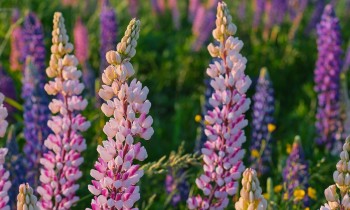
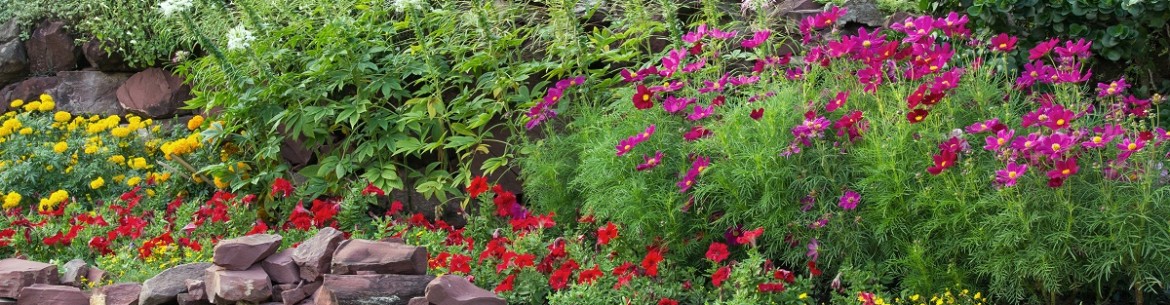
What flowers should you plant in the fall to bring you joy next year?
Many types of flowers can be planted in the fall. They will delight you with their blooms the following year and will be stronger and more vibrant than those planted in the spring from seedlings, and they will also bloom earlier.
You can plant both perennials and annuals in the fall. Perennials should be planted so they have time to take root before frost, while annuals should be planted so their seeds don't have time to germinate.
Content
Perennial flowers for autumn planting
Many perennials are planted by seeds or by dividing the bush. The latter option is preferable, as plants grown from seeds will bloom later. Almost all gardeners share their perennials with their neighbors when it's time to replant them. Planting material can also be purchased at a specialty store.
Primroses, peonies, phlox, delphiniums, hostas, astilbes, chrysanthemums, and many others are common in flowerbeds. All of them thrive when planted in the fall. What flowers are planted in the ground in the fall?
Chrysanthemums
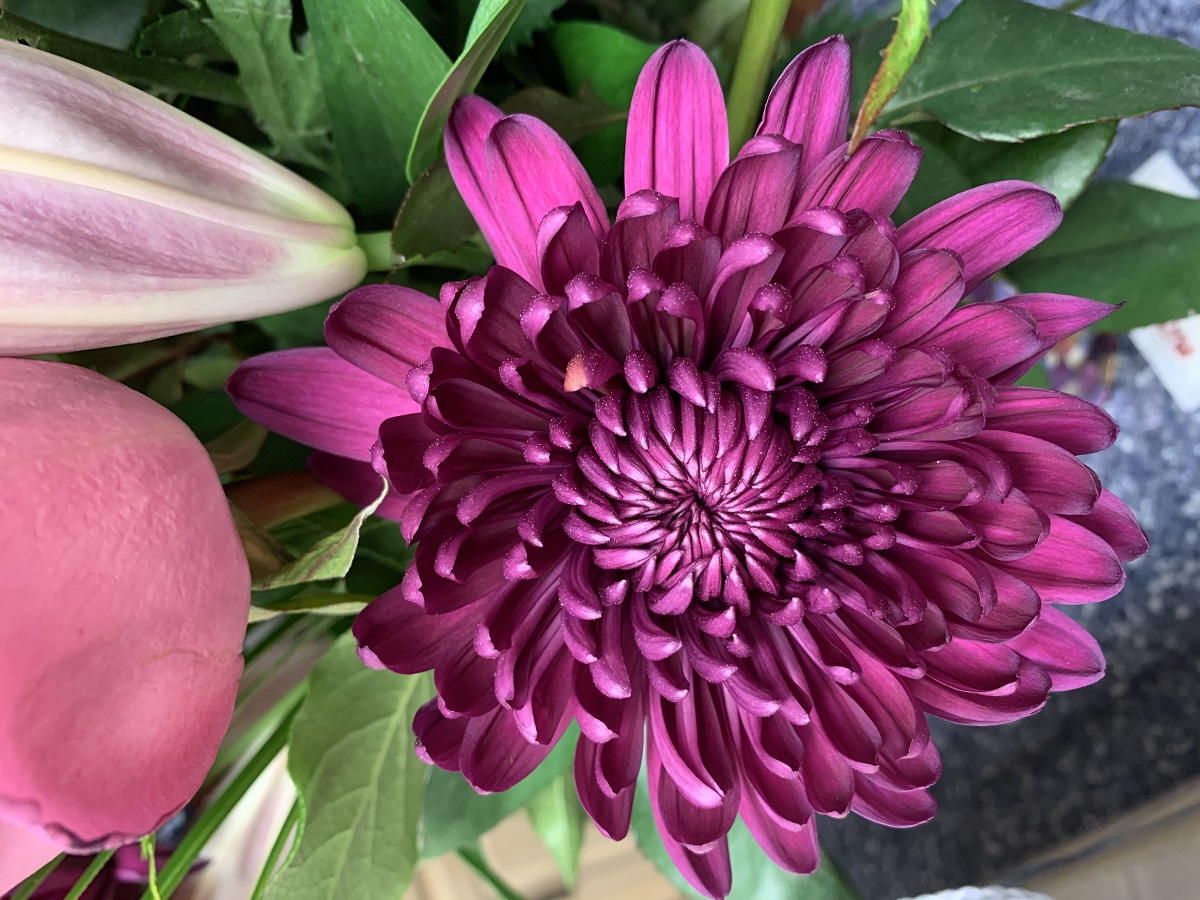
Gardeners love these beautiful flowers for their long blooms, which peak in autumn. They are resistant to precipitation and wind, and the flowers do not fade in the sun.
Most chrysanthemum varieties overwinter well in open ground. They are frost-tolerant. Both large double and needle-shaped Indian chrysanthemums require protection. In frosty winters with little snow, any variety can freeze. In such areas, the roots should be protected for the winter, after pruning the stems. The root systems of chrysanthemums older than three years are also susceptible to frost damage, so the plant should be replanted every two to three years.
Chrysanthemums thrive in sunny, wind-protected locations. Shade will result in sparse blooms and small buds. The planting site should be dry, free from standing water and waterlogging. Chrysanthemums dislike excessive moisture.
Suitable soil for perennials is loam and sandy loam mixed with humus or compost.
Chrysanthemums are planted in September to allow time for rooting.
Lilies
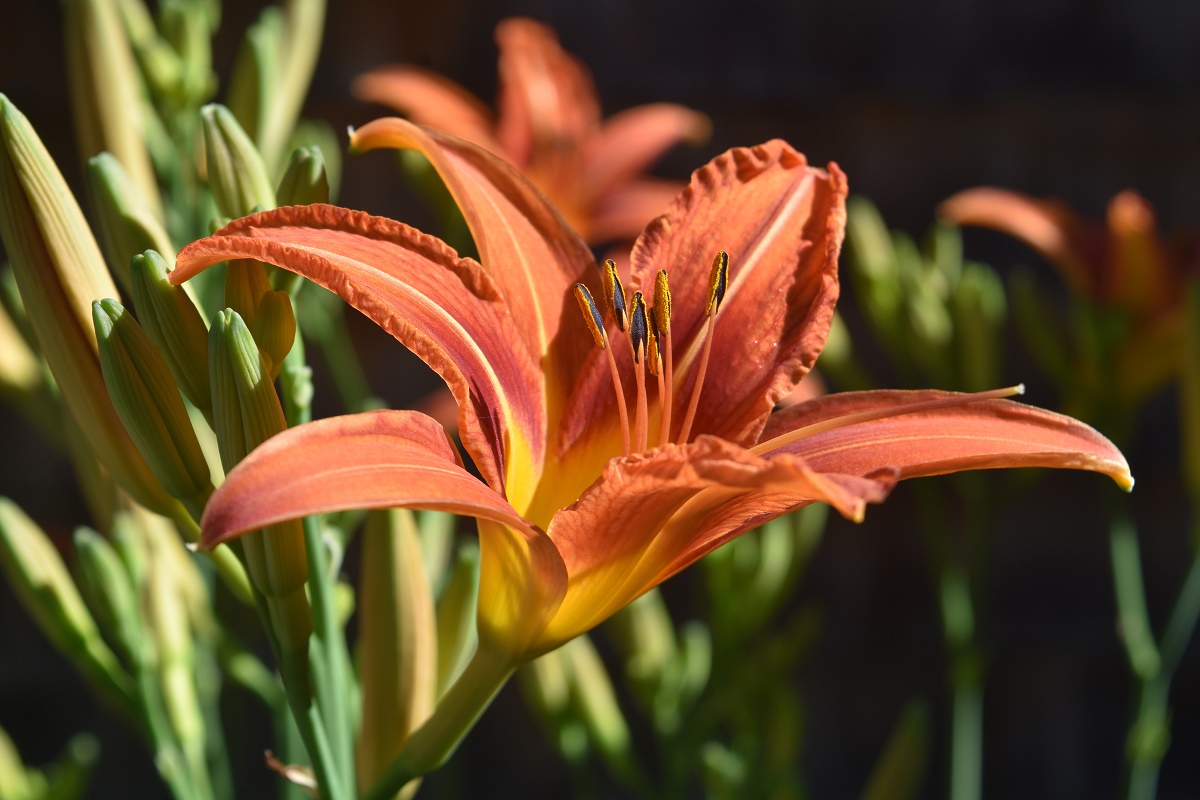
Growing lilies is easy if you have high-quality planting material (bulbs). The key when planting is timing. Planting too early will result in premature growth of shoots, which will freeze when the cold weather sets in. Planting too late will prevent the bulb from taking root and will cause it to die.You can choose the landing time as follows:
- plant at the same time as you plant garlic (if you don’t plant it yourself, watch when your neighbor plants it);
- plant when the daytime temperature is no higher than +10 degrees.
In the middle zone, lilies can be planted at the end of September or the beginning of October, in the Volga region - at the beginning of October, in warm regions - at the end of October.
American and Asian hybrids are suitable for cold climates. They thrive and don't freeze in cold weather.
The planting area should be well-lit, although many varieties grow well in partial shade.
Peonies
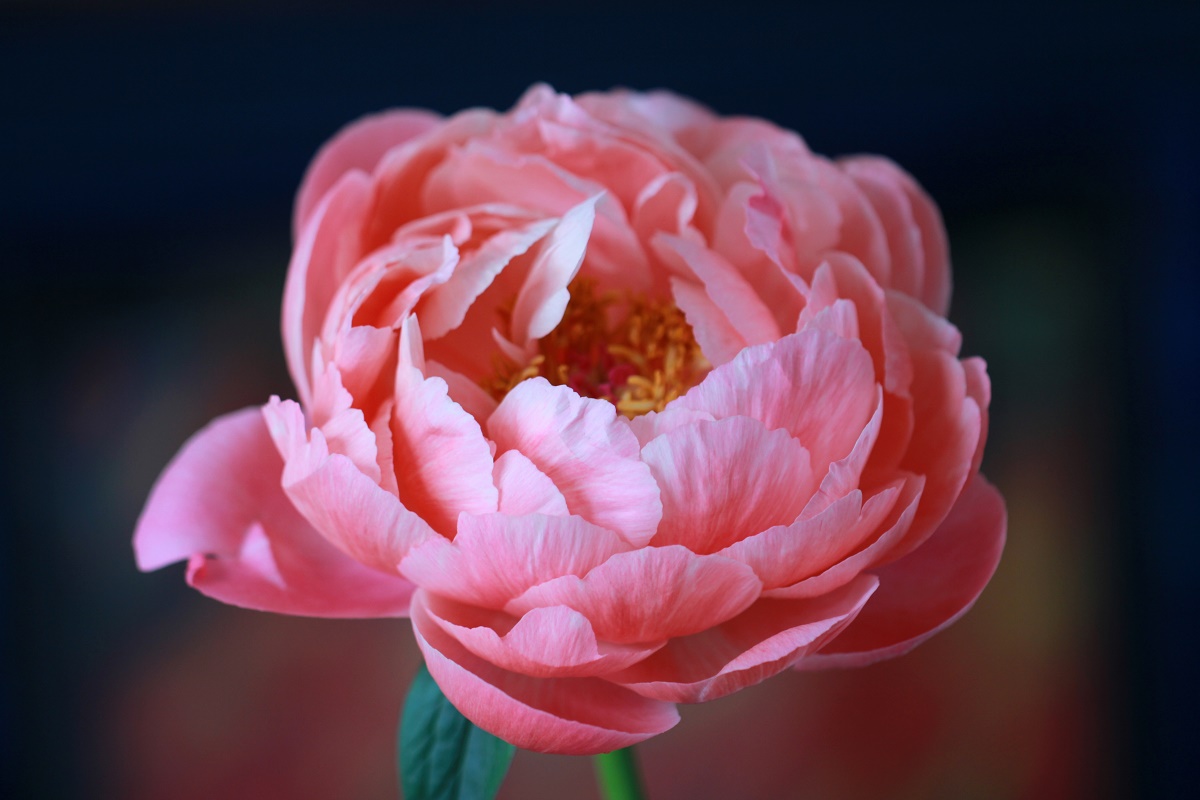
Perennial peonies rival roses in their beautiful blooms. They come in a wide variety of colors and varieties.
Peonies should be grown in a sunny location, otherwise the blooms will not be bright and abundant. In the shade, peonies will refuse to bloom.
Fall planting is preferable to spring planting. The hot days are over, the soil is saturated with moisture, and the rhizomes have accumulated nutrients that will allow them to successfully survive the winter cold.
The timing of peonies planting depends on the regional climate. In Siberia and the Urals, they are planted in early September, in the central part of the country – before September 20, and in the southern regions – until November.
Planting is done using rhizomes. Seeds are rarely used, as they germinate only in the fourth year, and flowering begins in the sixth year.
Tulips
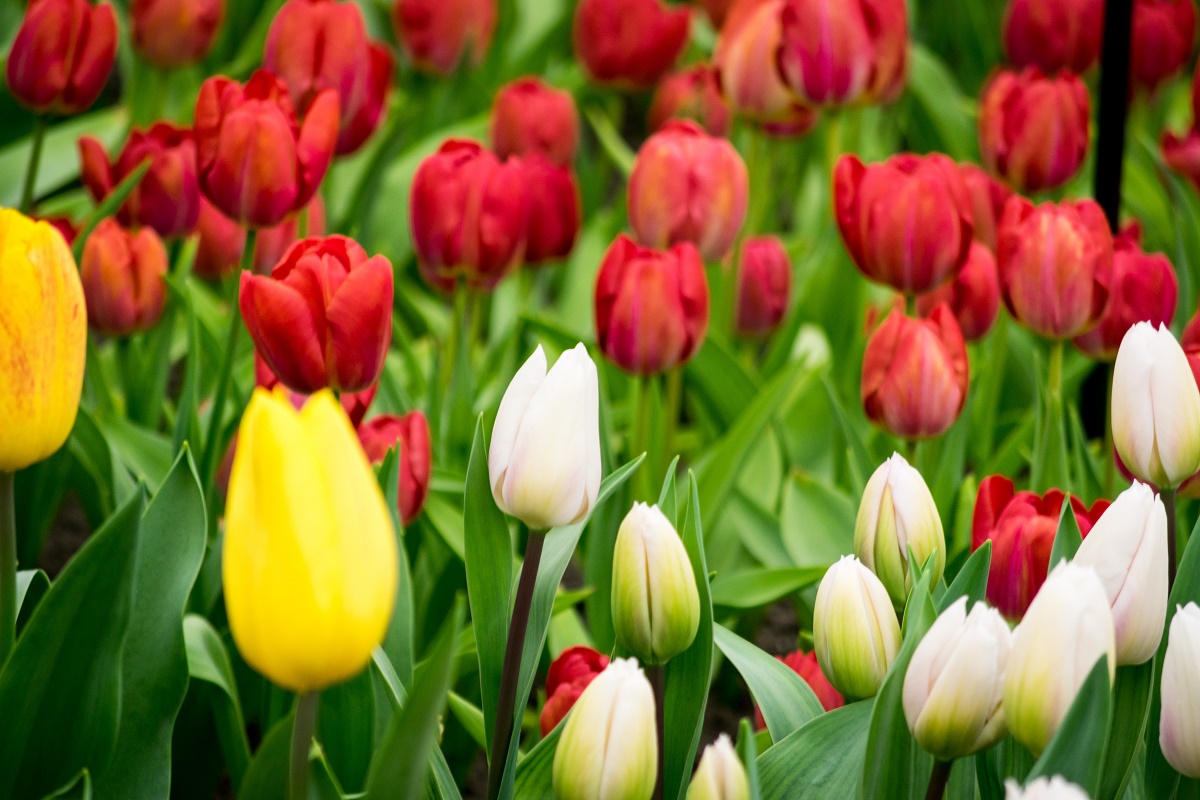
Bulbous plants offer their vibrant colors in spring, when other flowers are just beginning to emerge. Among them, tulips rightfully occupy a leading position. It's impossible to imagine a spring garden without these amazing flowers, striking in their richness of form and color.
The stem, flower, root, and leaves of a tulip are annual, while the bulb lives for 2.5 years, producing offspring. Over the course of several years, these offspring multiply severalfold, so tulips need to be repotted every 2–3 years.
Tulips bloom for about two weeks, but with the right selection of varieties (from early to late), the flowers will decorate the flowerbed for a month.
Tulip bulbs are planted in the fall. In temperate climates, planting occurs in early October, while in the Urals and Siberia, it occurs in late September. When planting, the bulb should be buried to a depth six times its own diameter. The site for planting tulips should be sunny and open. Tulips do not tolerate flooding.
Annual flowers for autumn planting
By planting annuals in the fall, you can save time for spring work. You won't have to tend to seedlings during the winter, either. After planting, the plants need time to adjust. While they're establishing themselves, the fall-planted crops will already be blooming.
What blooming flowers should I plant in the fall? There's a wide selection of annuals.
Violas
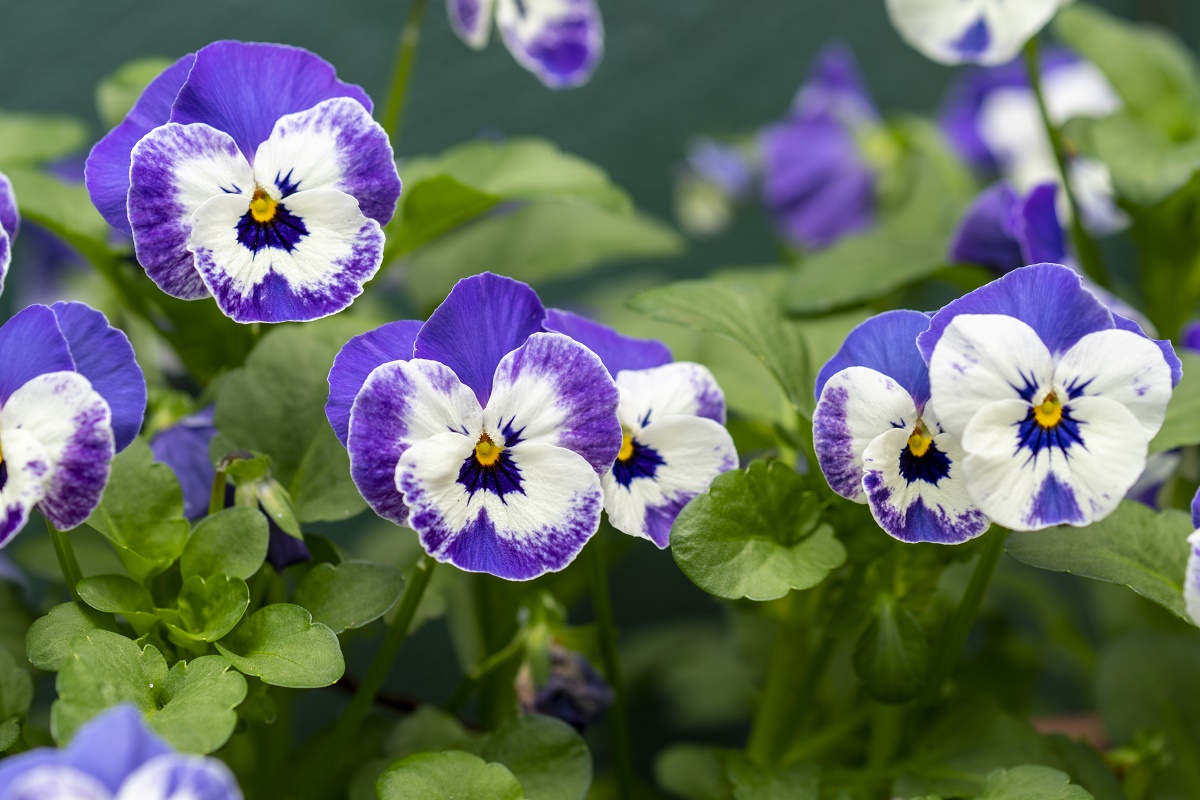
A wonderful choice for decorating a flowerbed, as you can plant it once and it will grow in the same spot for many years. No, it's not a perennial. Pansies reproduce well by self-seeding. They begin blooming in early spring and disappear into the snow with their flowers. These beautiful and delicate flowers come in a wide variety of colors, ranging from pale to bright and dark.
If planted in the fall, viola will bloom the following spring. Seeds should be planted when the soil has frozen slightly. Seedlings should be planted earlier, in September, to allow time for establishment. For successful flowering, the following conditions must be met:
- a level area so that melt water in the spring does not wash away the seeds;
- good light or partial shade;
- fertile soil.
Viola is unpretentious and easy to care for: water it regularly, feed it, and carry out disease prevention.
Asters
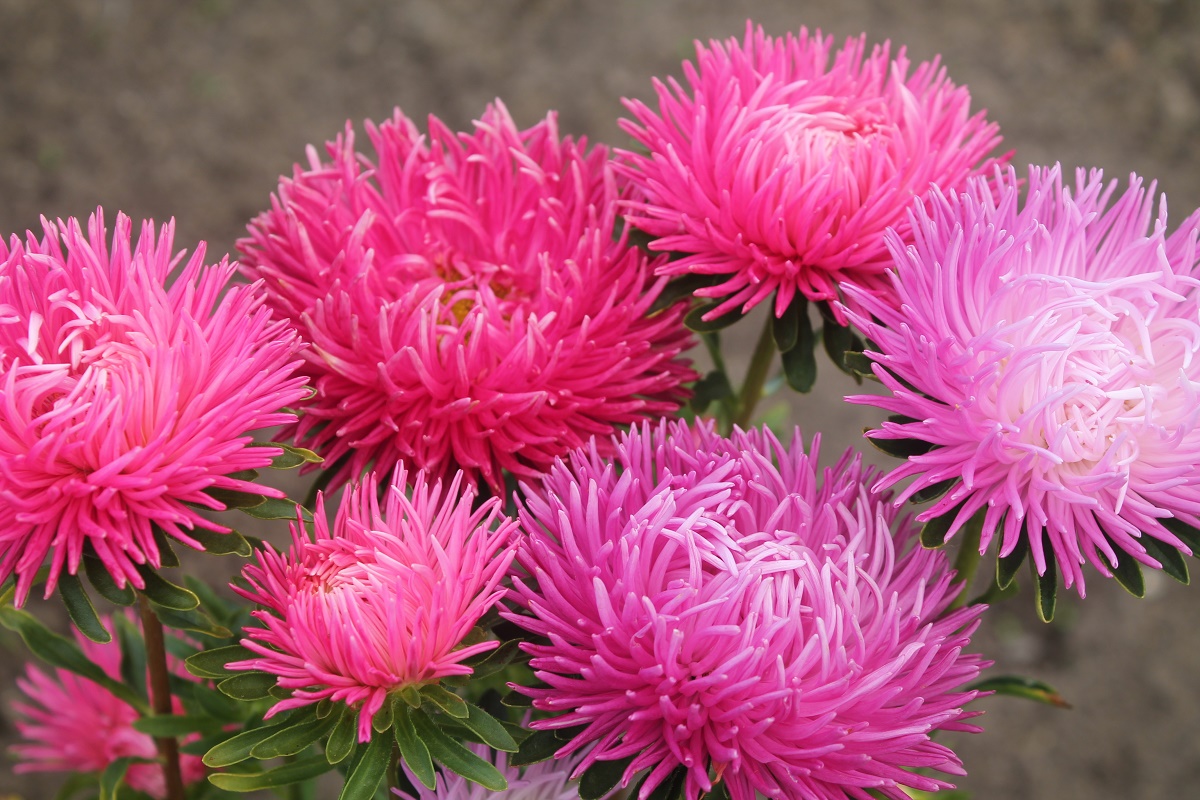
What flowers are planted in the fall before winter? Asters aren't often used for winter planting. And in vain. Asters planted in the fall are much stronger and healthier, blooming two weeks earlier than those sown in the spring.
Sowing occurs when cold weather sets in and the soil freezes. Avoid planting asters in the same spot repeatedly to prevent fusarium wilt. Before sowing, it's advisable to disinfect the soil: pour boiling water over it or light a fire in the intended planting area.
Scatter the seeds over frozen soil or snow. If planted in snow, not all plants may sprout, but the strongest will survive.
Cosmos
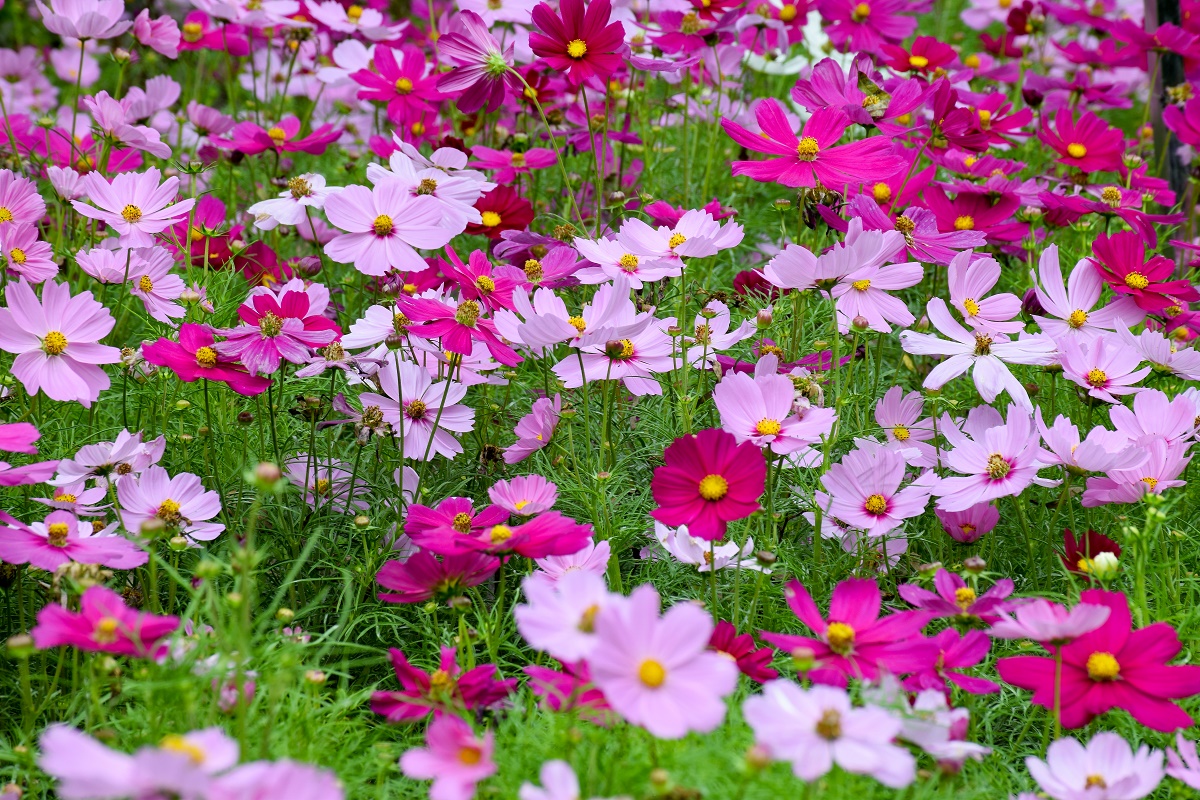
These easy-to-grow flowers spread remarkably well by self-seeding. How do you plant flowers in the fall? Sow the seeds directly into their permanent location in October or November. You can sow fairly thickly, then dig up and replant the excess plants in the spring.
Profuse flowering occurs only in full sun. Cosmoses also bloom well in partial shade. Space tall plants at least half a meter apart to ensure abundant flowering.
Caring for autumn flowers

In autumn, beautiful flowers prepare for the harsh winter cold and winds. It's crucial to help them survive the winter unscathed.
Watering
Prolonged rains eliminate the need to water flowers in the fall. In a dry autumn, they need to be watered, but not as frequently as in the summer, and the amount reduced.
Top dressing
Autumn fertilizing prepares plants for winter, strengthens the root system, and provides them with beneficial elements. What elements do flowers need?
- phosphorus - for normal metabolism;
- potassium - for the accumulation of nutrients;
- magnesium - to increase frost resistance.
Nitrogen fertilizers are not applied in the fall to prevent flowers from starting to grow green mass.
Weather protection
Frost-hardy perennials don't require protection from the cold. However, mulching them with compost won't hurt in case of a snowless winter. Perennials planted in the fall should also be covered with mulch. They may not have rooted well.
We rake up the soil around the primroses, phloxes and irises so that we can rake it away in the spring.
After the first frost, we insulate oriental and trumpet lilies with leaves or compost.
Before frost, remove climbing roses and clematis from their trellises. Cover them with non-woven fabric. When frost sets in, cover them with leaves.
For bush roses, trim the stems back to 15–20 cm, treat the bushes with Bordeaux mixture, and either earth up the roots or cover with compost. Cover with non-woven fabric.
In late autumn, we prune perennials, leaving a small stump. We mulch and cover less frost-hardy varieties with non-woven material.
Planting flowers in the fall has many advantages. It's important to choose the right perennials and annuals to avoid a blooming garden turning into bare flowerbeds in the spring.
Autumn weather is often uninviting for gardening; you don't want to get wet in the rain, and the temperatures are uncomfortable. But consider how much time you could save for spring work! And planting materials are on sale in the fall, so you can find them much more affordably.