Flower garden ideas for your dacha: beautiful DIY flowerbeds
Flowerbeds and flower gardens at your dacha provide aesthetic pleasure during vacations or vacations. They add color to the surrounding landscape and create a cozy atmosphere. Even a small plot can accommodate a flowerbed. Flowerbed and flower garden ideas can be brought to life. Let's talk about creating your own flowerbeds and flower gardens.
Content
Choosing a location for flower beds
Many flowers enjoy good light, but others prefer partial shade or even shade. When choosing flowers for a flowerbed, it's important to consider the plant's preferences. Shade-loving plants will grow well next to a fence or under a tree canopy.
The same goes for hydration. There are crops that can't survive without a good supply of water. Some require watering once a month. If planted too close together, such plants will suffer and won't show off their full beauty. It's all about survival.
Flowerbeds are beautiful in any area. They can be located along paths, under windows, or near a gazebo.
Choosing a flower bed style
The style of the flower bed should correspond to the overall style of the site and its architecture.
English
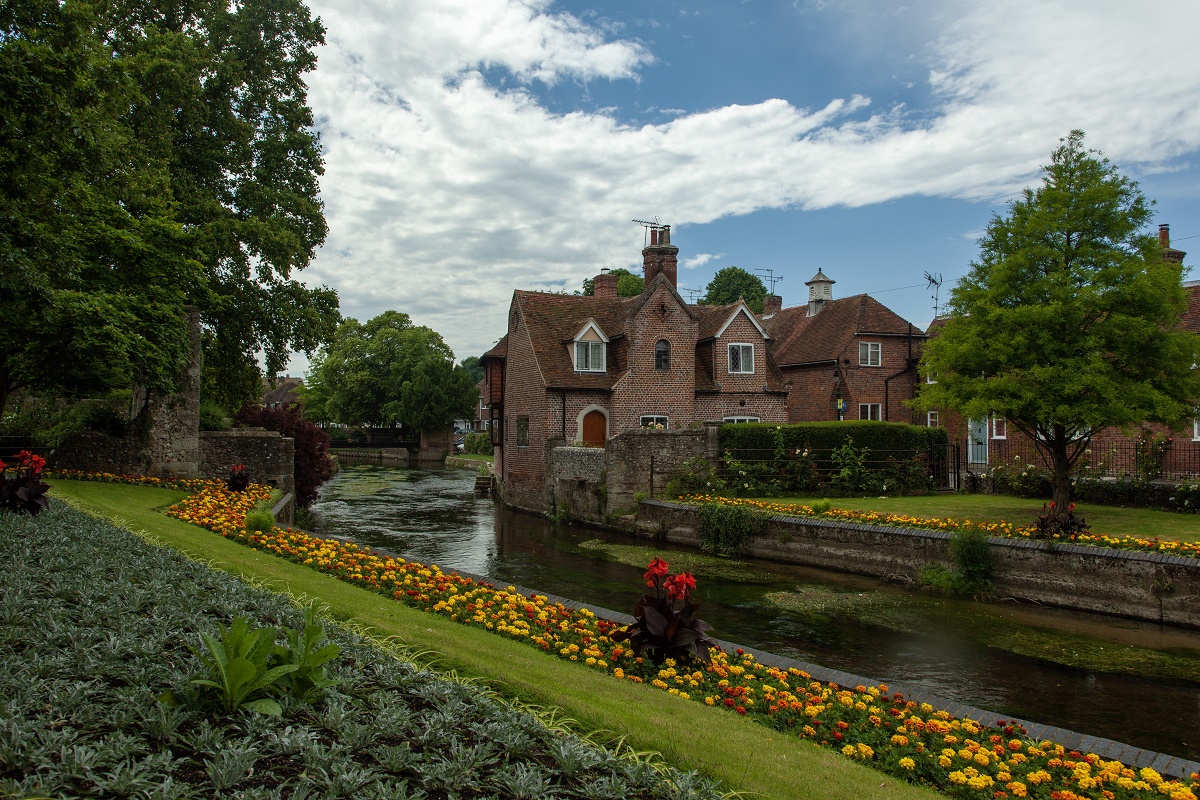
The English style is characterized by a well-thought-out structure and austerity. Flowerbeds are repetitive in shape. The plantings combine garden and wild plants. They retain an attractive appearance throughout the season, as plants are selected that bloom at different times. The shape and color are carefully chosen, creating a harmonious composition. The most common type of flowerbed is the mixed border.
The English-style flowerbed design is perfect for spacious properties with gazebos immersed in roses, meticulously manicured lawns, various sculptures, and artificial ponds. The house's architecture exemplifies durability and reliability.
Wild growing
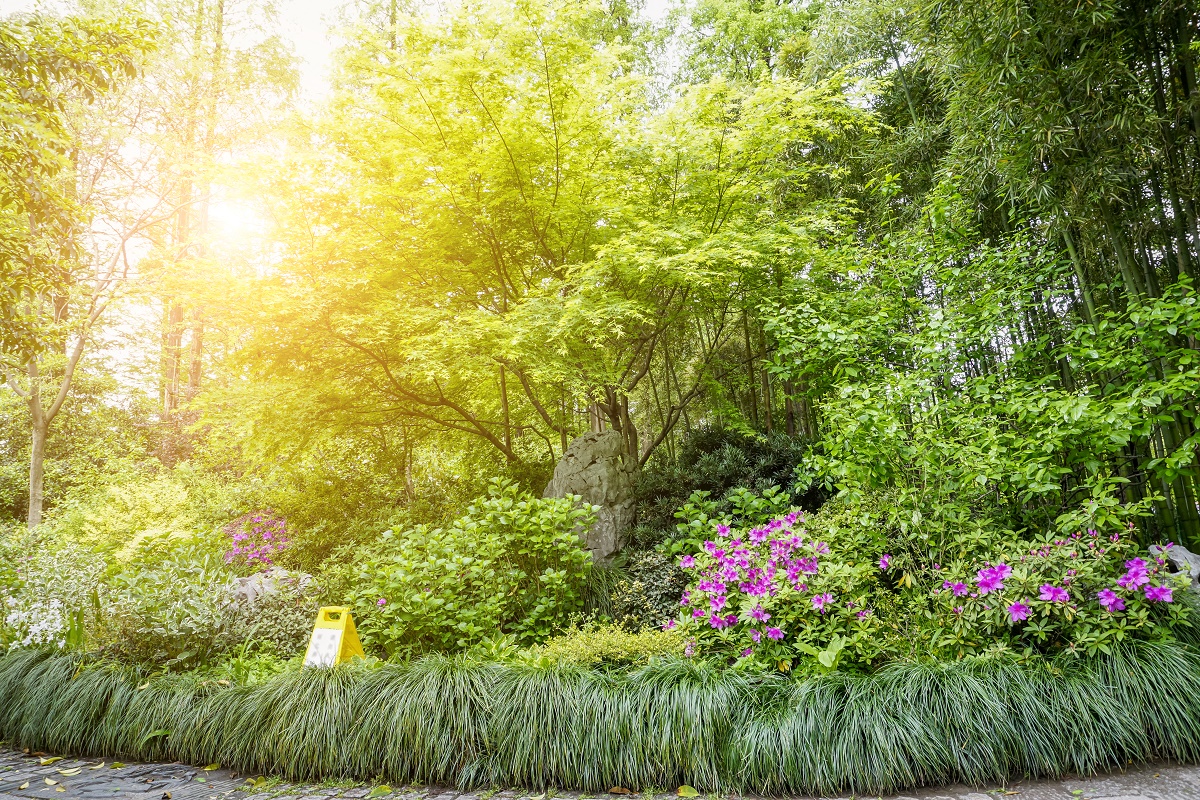
Wildflower beds allow plants to develop freely and naturally. As they grow, these easy-to-grow plants create dense thickets. To create a uniform clump, plants of the same species are planted in groups.
Don't think that creating wildflower gardens is easy. The apparent chaos requires strict control.
Wildflower plantings look great in areas with winding paths, a neat lawn, and a gazebo in the most secluded corner of the garden. The walls of buildings are hidden beneath the vines of climbing plants.
Japanese
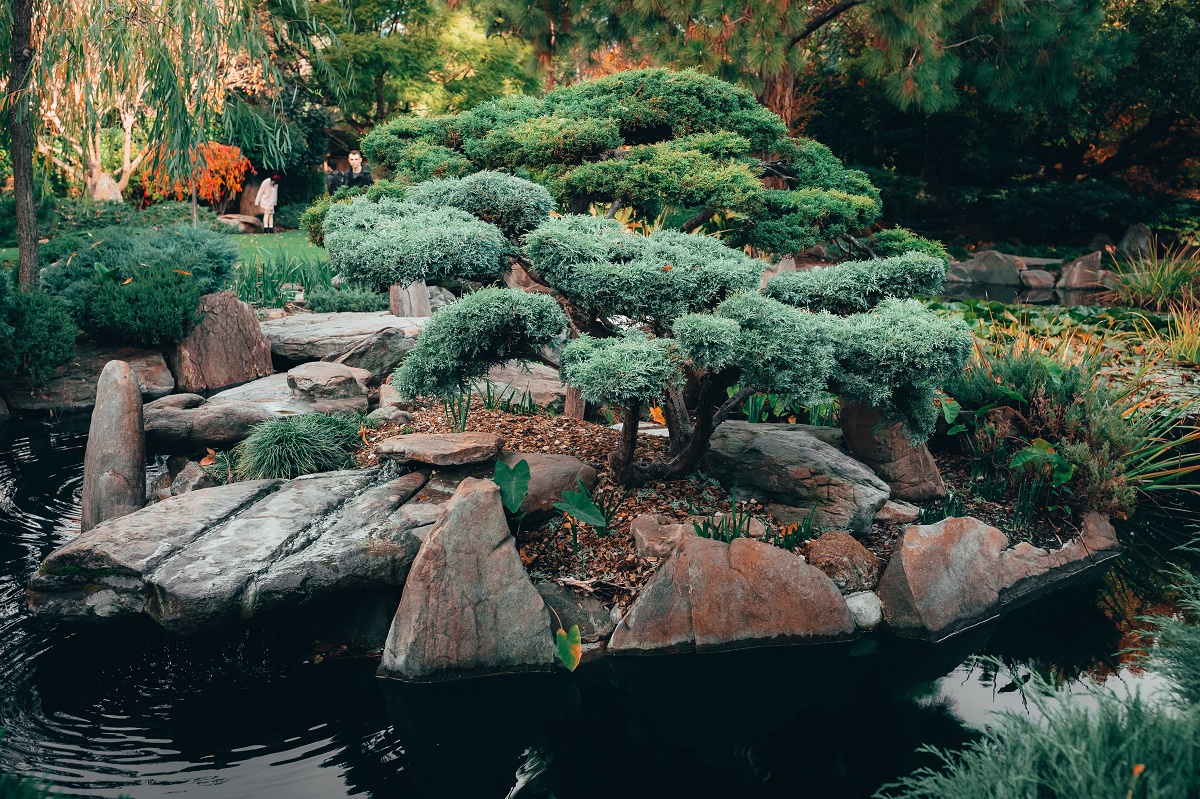
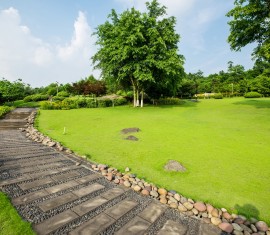
Japanese style is calm and tranquil, but never boring. Japanese-style flower beds are filled with various shades of green. They are decorated with natural stone, such as gravel and river boulders.
Unfortunately, many plants typically grown in Japanese-style flowerbeds are unsuitable for our climate. How can you design a Japanese-style flowerbed? You have to choose similar plants.
Japanese-style flower beds are created in areas with a focal point, such as a pond, a rock formation, or a tree. Rocks, water, and plants complement the hardscape harmoniously and naturally.
Use of perennial and annual flowers
Perennials and annuals create striking and beautiful compositions. How can you design a beautiful flowerbed? Achieving continuous blooms is every gardener's dream. This requires carefully selecting flowers with varying bloom times. A successful combination will allow you to admire the flowers from early spring until frost. Some plants are buried under the snow while still in bloom.
Care for a flowerbed with continuously blooming plants is done selectively. Flowering plants are watered and fertilized, flowers are trimmed back after they've bloomed, and the stems of those that have finished their growing season are shortened.
Selecting flowers for a flower bed
Depending on the chosen style, plants are selected based on their flowering time, color, growth, and growing conditions. Flowerbeds accommodate all types of flowers.
Roses
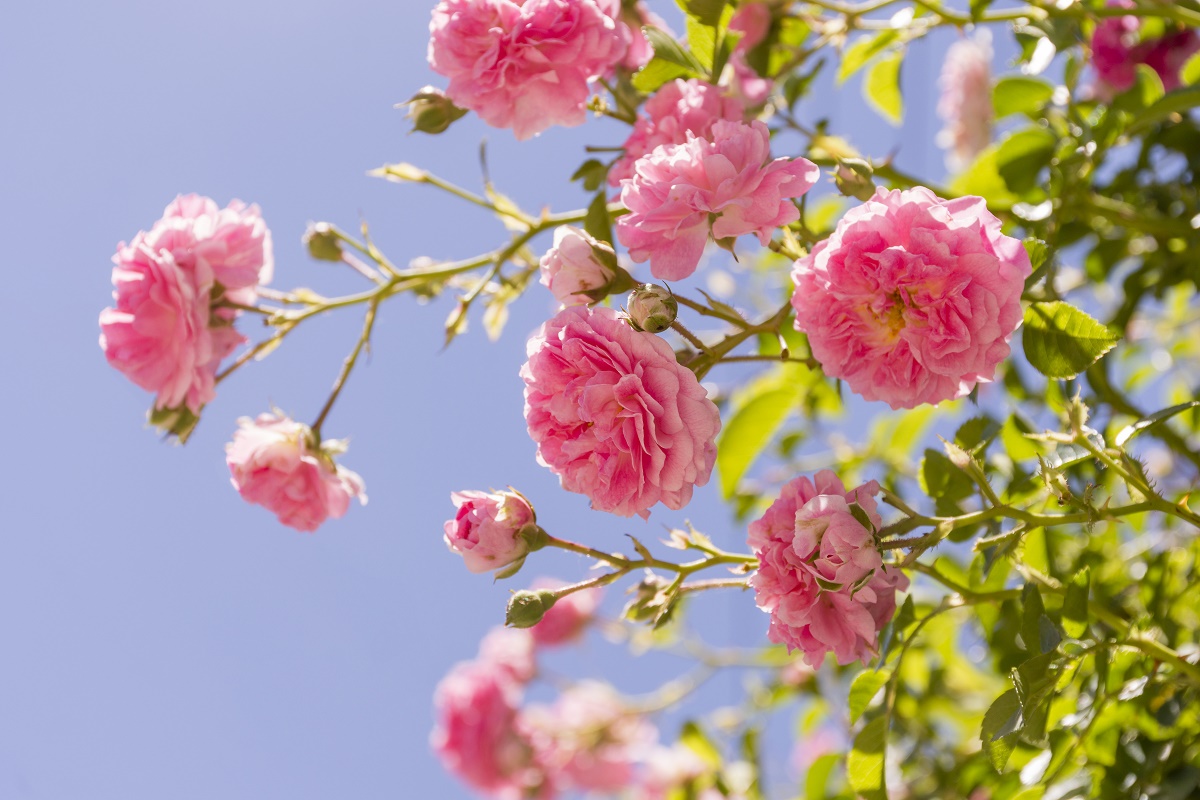
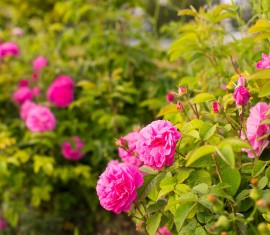
For these beautiful and capricious queens of the garden, it's important to choose the right planting location. It should be a well-lit area with light daytime shade, as direct sunlight will cause the flowers to fade. Lowlands, marshy areas, and areas near groundwater are unsuitable. They require winter shelter.
After flowering, the flowers are cut off to stimulate further bud formation.
Roses require a lot of watering and fertilizing. Starting in August, avoid using nitrogen fertilizers. Phosphorus, potassium, and magnesium can be added.
Alchemilla, hosta, geranium, gypsophila, and lavender look spectacular in a rose garden.
Peonies
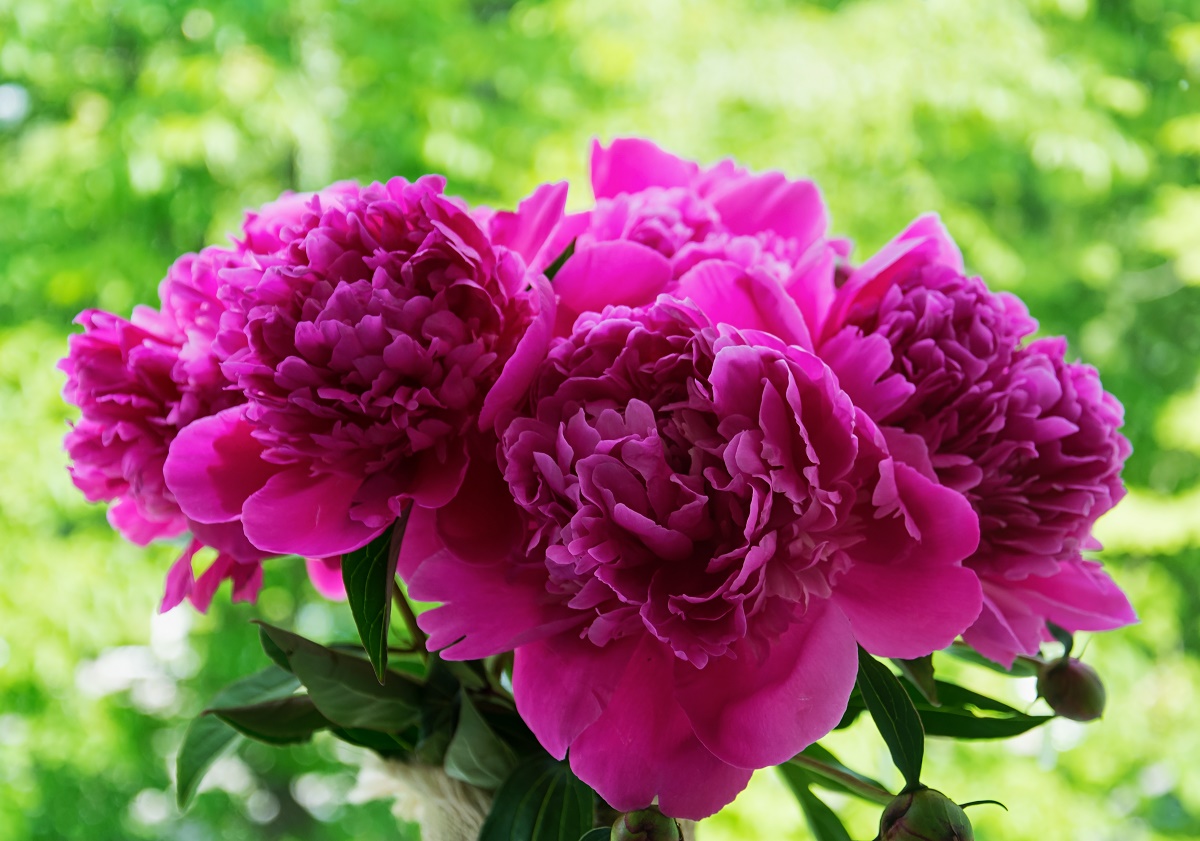
These flowers are no less beautiful than roses, but their blooms don't last as long. They will look stunning if planted in a sunny, draft-free spot. Groundwater levels are also important. Peonies don't tolerate standing water, as this can cause root rot.
During rainy summers, peonies don't require additional watering. When there's no rain, the bushes are watered generously once a week. Several buckets of water are poured under each bush. Watering should be done around the periphery, not at the roots, as this is where the suction roots are located (roughly the diameter of the crown).
Peonies look great planted alone. When choosing companion plants, hostas, astilbes, and phlox are ideal.
Irises
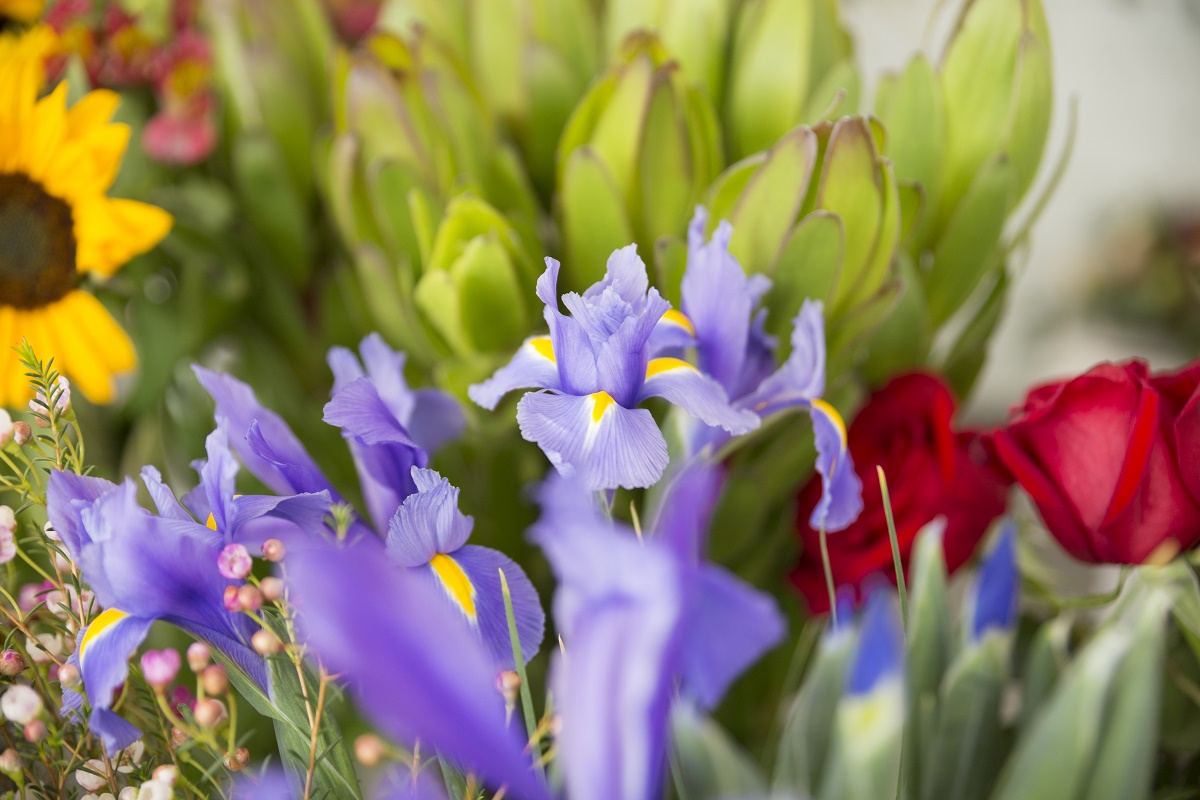
These wonderful irises are undemanding and survive winter well. Rhizomatous irises do not tolerate an excess of organic fertilizers or overwatering. When choosing soil, remember that heavy soils are unsuitable, as are overly acidic ones. Drainage is required if the groundwater table is close.
In the first period after planting, weeding is required, but once the irises grow, they do not need either weeding or loosening.
Monochromatic iris beds—iridaria—are incredibly attractive. Careful selection of varieties will allow you to admire the irises from May to September. Pay attention not only to the flowering time but also to the color of the petals.
Irises go well with roses, lupines, daylilies, delphiniums, and violets.
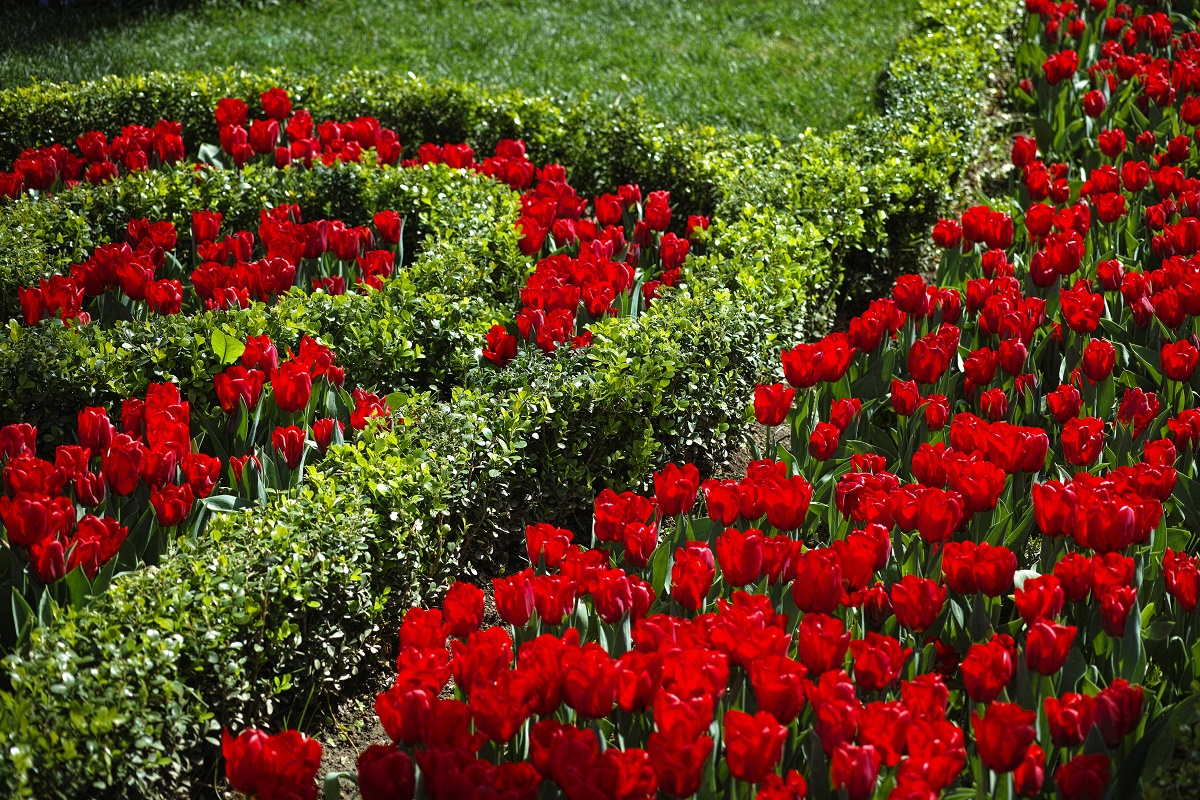
Tulips
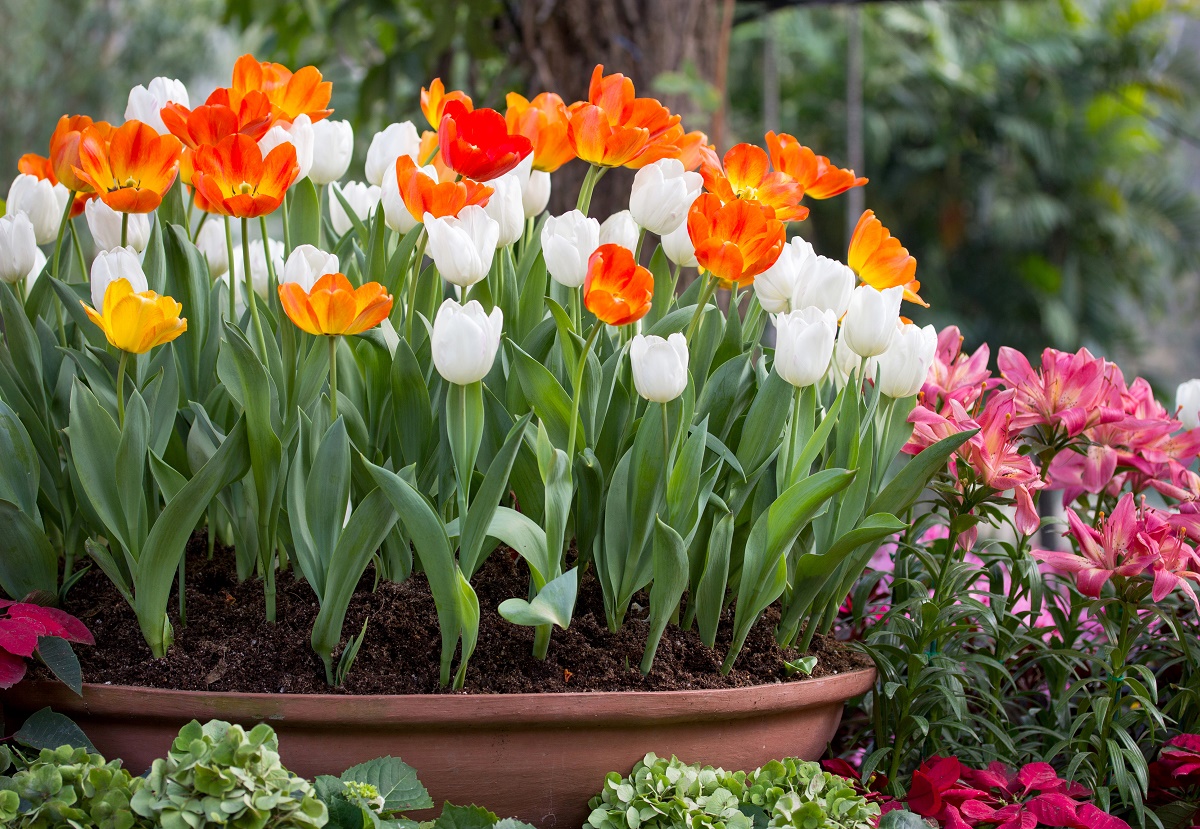
Tulips bloom in the spring, when other plants are just preparing for this important step. This is why gardeners love them, along with their vibrant colors and unusual shapes that bring joy.
This flower isn't exactly low-maintenance. It requires some effort to ensure it blooms beautifully:
- feed three times per season;
- remove the flower before the seed pod is formed;
- dry the bulbs in the shade;
- do not add fresh manure as fertilizer;
- mulch in winters with little snow and frost;
- dig up the bulbs every 2–3 years.
Tulips should not be planted next to flowers that require frequent watering. Good neighbors include forget-me-nots, iberis, foxgloves, and lobularia.
Photo
Flowerbed composition and design
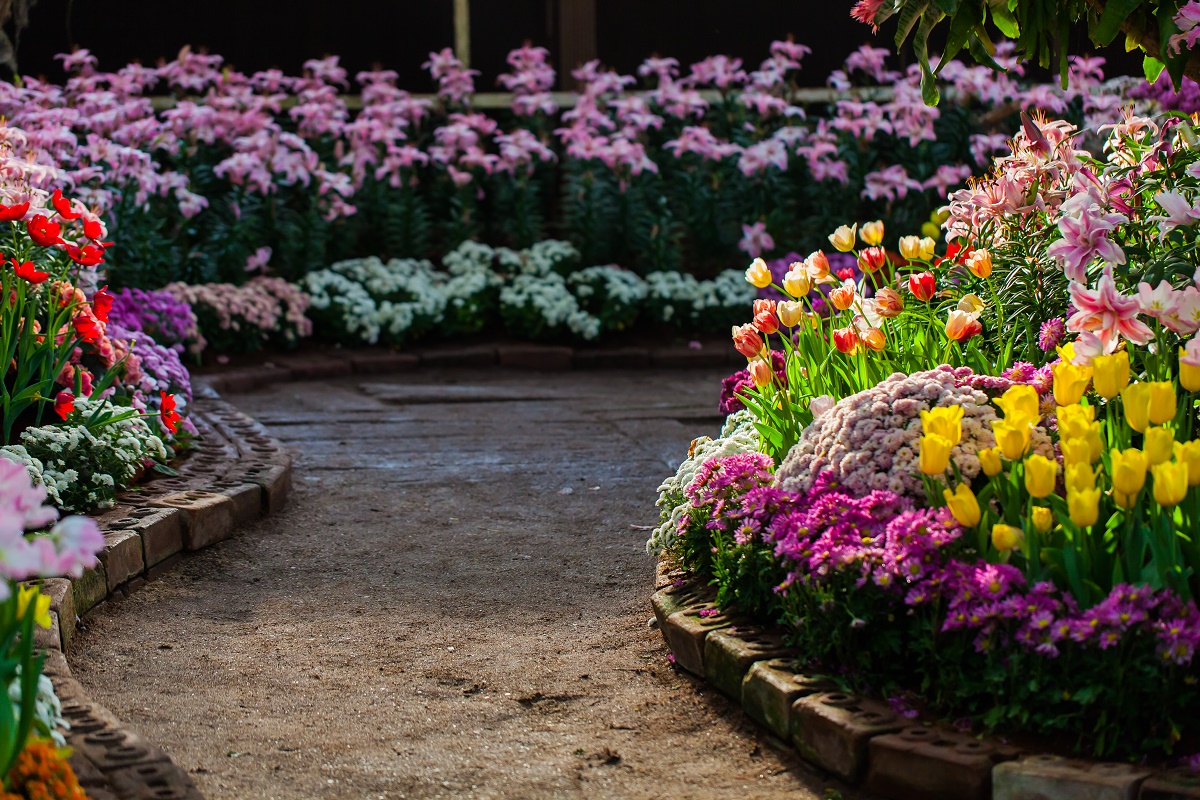
The composition should be designed so that the flowerbed creates a cohesive impression. The overall theme will guide the selection of plants. Techniques such as harmony and contrast are used. Once a technique is chosen, colors, light, and shapes are combined. Contrast helps avoid monotony. However, too much of this technique can become tiring. Flowers can either harmonize or contrast in color schemes. These are good ideas for flowerbeds in the countryside.
Most often, grey, silver or green crops, such as hosta, are used as background plants.
Low-growing plants are planted in the foreground, followed by medium-sized flowers, and then taller ones. This way, all the plants are visible and easy to care for.
Flower bed care
Flower care consists of the following actions:
- timely watering;
- loosening after watering;
- mulching;
- weeding;
- top dressing;
- pinching;
- pruning;
- preparing for winter.
Flowers are susceptible to diseases and pests, just like other plants. Prevention will help keep them healthy. Avoid planting the same flowers in the same spot every year. Destroy diseased plants, and spray with insecticides if diseases or pests are detected.
Decorative elements and accents
Small architectural forms, statues, and fountains will help to give integrity to the overall picture of the site.
Plants or compositions create accents that make a garden unique. Uniqueness can be achieved without drastic changes. Accents delineate the space, highlight the uniqueness of the landscape, and conceal imperfections.
Designing flower beds and flower gardens yourself is an incredibly fun and creative activity. The soul finds rest among flowers. Flower beds, borders, edgings, and rock gardens decorate the garden from spring until late fall.