The healthiest apple cider vinegar recipe
Did you know how healthy apple juice is? vinegar For health? And the fact that it's the vinegar you make yourself that's beneficial, without preservatives and other manipulations found in large-scale production? About which ones exactly? Problems can be solved by using vinegar, you can follow the link, and below you will find a recipe for that very healthy vinegar.
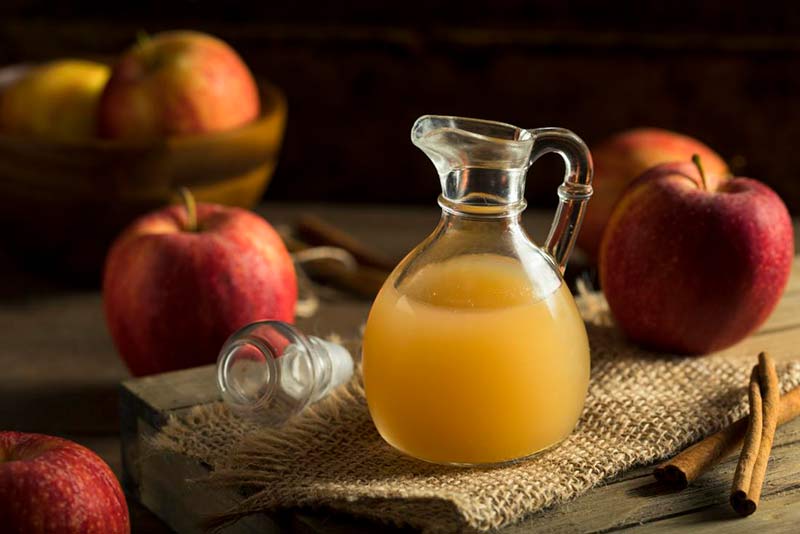
Homemade apple cider vinegar
There are many ways to make apple cider vinegar at home, depending on the ingredients available. Here's one that uses apples.
Ingredients
- 8 kg apples
- 8 l boiled water
- 1.6 kg honey
- 160 G dried rye bread
- 80 G yeast
- 0.4-0.8 kg honey additionally depending on the quality of the apples at the first stage of preparation
- 0.4 kg honey additionally after 10 days from the start of fermentation
Instructions
- Apples of any variety, even fallen ones, can be used to make vinegar. Before use, sort them and discard any rotten or pest-infested ones.
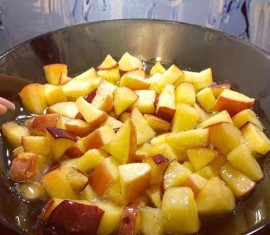
- Wash the apples, cut them into small pieces and chop them in a meat grinder or food processor.
- Pour the resulting puree into a glass or enamel container. Add cooled boiled water, yeast, bread, and honey. The water should be 3-4 cm above the puree.
- Stir the contents of the container with a long-handled wooden spoon, tie it with cheesecloth, and leave it to ferment. It's best to select a location away from direct sunlight. The room temperature should be between 15 and 25°C.
- During the first 10 days, stir the mixture 2-3 times a day. This is necessary to ensure the juice and apple pulp separate more quickly.
- After 10 days, strain the contents of the container through cheesecloth. Press the remaining thick portion lightly to extract any remaining liquid.
- Strain the juice twice. Then pour it into a container with a wider neck. Add more honey, stir, and tie it again with cheesecloth.
- To continue fermentation, leave the vessel in a warm place until the fermentation process has finished. Eventually, the liquid will become clear, and the sediment will settle to the bottom.
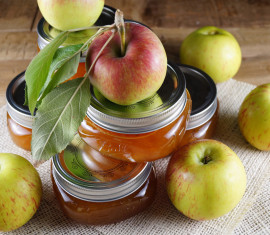
- The finished vinegar is poured into dark glass bottles. It's important to avoid disturbing the sediment that settles to the bottom. Finally, the grounds can be further strained and poured into filled bottles. The bottles are corked and stored in a cool, dark place.
Note
Cooking tips:
To make apple cider vinegar, you can use either baker's yeast or special wine yeast. Add 1.5 g of yeast per liter of juice.
To make the added sugar dissolve faster in the juice, you can dissolve it in a small amount of hot water (taken according to the recipe), cool it slightly and pour it into the jar with juice.
The sediment will indicate that the juice is ready for filtering. It should separate from the main juice and settle to the bottom of the container.
It can take 40 to 60 days for the juice to ferment.
During the final fermentation, the jar of vinegar must not be moved from one place to another, so as not to disturb the foam on the surface.
During storage, flakes may form and gradually settle to the bottom of the vinegar. This indicates good quality.