Geotextiles for weed control: how to choose the right one and use it more effectively
Geotextiles are actively used by landscape designers and gardeners to combat weeds. They can extend the life of paths and reduce the time spent on garden bed maintenance. Geotextile fabric is a real lifesaver in a garden where weeds grow. It's chemical-free, highly permeable, and available in black.
Content
What is geotextile?
Geotextile is a fabric made from synthetic polyester or polypropylene fibers using various processes. Rolls available for sale vary in width, ranging from 2 to 5.5 meters. Their length can be approximately 150 meters. The fabric varies in thickness and density. It allows air, water, and nutrients to reach plant roots. Its advantages also include:
- strength;
- ease;
- ease of use.
If you have a dacha, you absolutely must buy this type of fabric. Every gardener should know how to lay geotextile weed control. This material is permeable to moisture, making it extremely popular among gardeners.
Types of geotextiles

Manufacturers offer polypropylene, polyester, and multicomponent geotextiles. Weed control materials are also commonly classified by their manufacturing method.
Woven
The fabric variety of geotextile is the most common. The fabric is manufactured in much the same way as regular fabric. During the final production stage, it is impregnated with a chemical compound to form a dense surface. The material does not withstand mechanical stress very well and is prone to stretching. This type of geotextile is used not only in summer cottages but also in the furniture industry and for packaging.
Knitted
Knitted geotextiles are produced using an industrial knitting method. Highly durable threads (their thickness varies from 1 to 3 mm) are interwoven at right angles. This makes the material strong and elastic. The final strength is influenced by the density of the fibers and the spacing between them. Geotextiles are elastic and tear-resistant, but they have poor moisture permeability. They are used for reinforcement and to increase the load-bearing capacity of soils in road construction and landscape design.
Non-woven
Non-woven geotextiles are produced using needle-punched or heat-bonded methods and are made from polyester, viscose, polyamide, polypropylene, and other polymer fibers. Renowned for its strength, good elasticity, and moisture permeability, the material is widely used in drainage and filtration applications and can serve as a separator between layers.
How geotextiles work against weeds
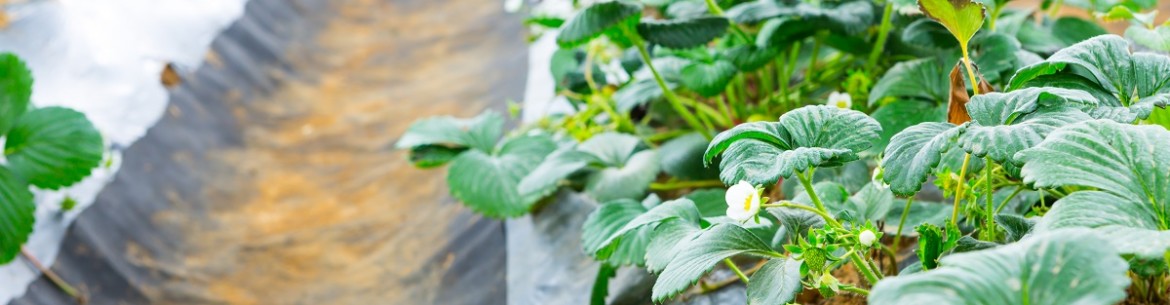
Beginning gardeners often ask: how to install geotextile weed control? First, it's recommended to understand how it works. It serves as a reliable barrier to weeds and their roots. The membrane is laid below the topsoil, and its structure prevents weeds from forming from dormant seeds beneath. Geotextile is non-toxic to the soil and has an impressive service life. When used correctly, it can inhibit weed growth for many years after installation.
It's easy to use, can be cut to the required size, and can be trimmed with scissors or a knife. Manufacturers produce the fabric in various thicknesses and widths.
This certified material can be used under any underlayment system. It not only suppresses weed growth but also helps retain soil moisture, reducing the need for irrigation. Air, water, and nutrients easily penetrate the soil.
How and which geotextile to choose for weed control
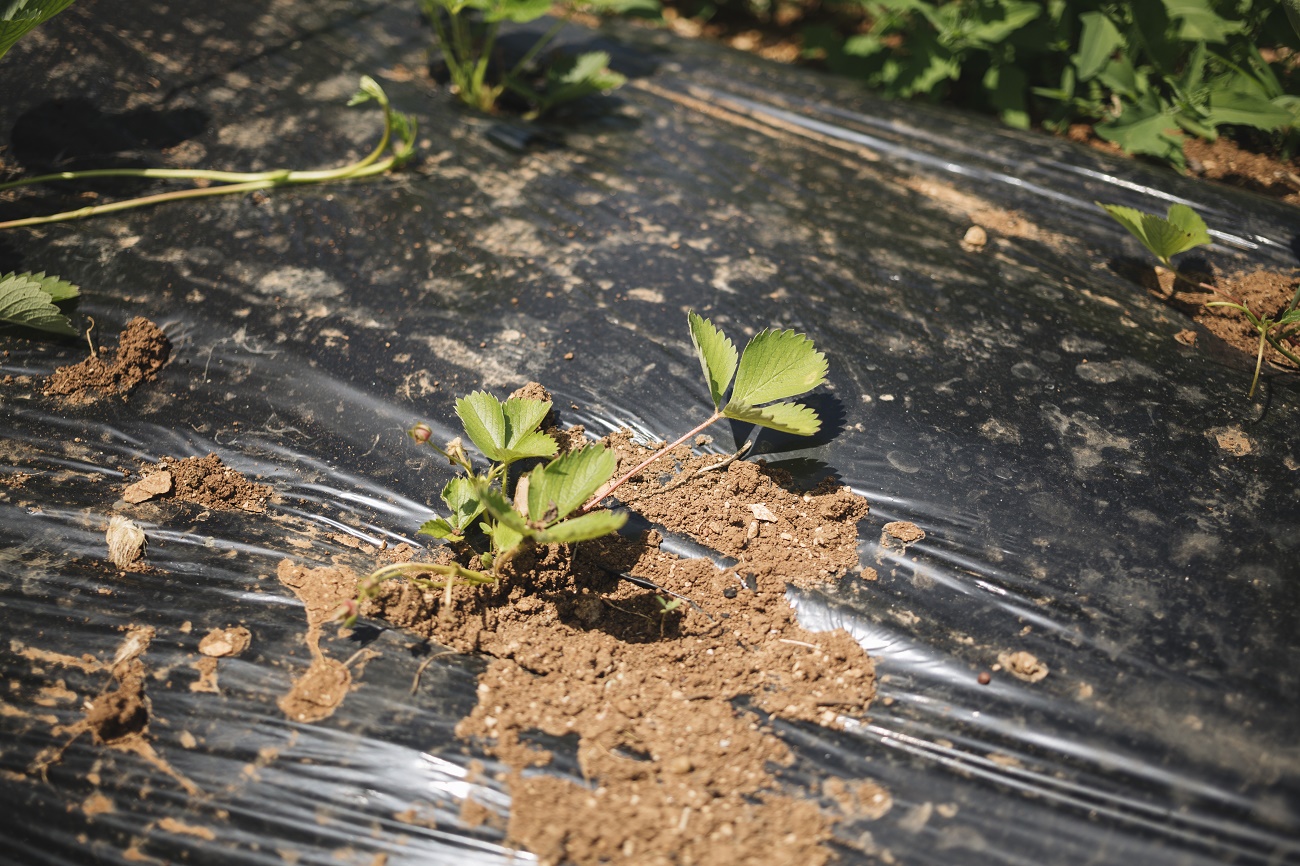
Pay attention to the size. There are three options:
- 1 x 10 m;
- 2.25 × 25 m;
- 2.25 × 50 m.
Preference should be given to products from trusted manufacturers, such as the Kanlavan brand. This brand's material is produced using spunbond technology. The fabric is based on molten polypropylene.
The Geocom brand produces geotextiles with polyester fibers. Geospan offers polypropylene fiber, manufactured using needle-punched and heat-bonded methods, based on polyester and polyethylene raw materials.
What geotextile density is best? 150 g/m² is popular, but it has a serious drawback: it's prone to tearing.
The 200 g/m² rating indicates that the material is versatile, has good filtration, and is affordable. It's ideal for garden beds and gardening in general.
The 250 g/m² geotextile has poorer filtration properties. It's about the same price as its predecessor, but it offers better resistance to mechanical impact. It's an excellent choice for paths and lawns.
How to properly lay geotextiles
There are certain nuances to laying geotextiles:
- First, the top layer of soil is removed evenly.
- The area is leveled as much as possible, hummocks are knocked down, stones are removed, and holes are filled in.
- The fabric should be laid with a 15–20 cm overlap. Butt-jointing can cause weeds. The manufacturer's instructions specify which side of the material should be laid.
- If possible, the pieces are joined together using a stapler.
You can fill the agrofibre with sand or crushed stone, it all depends on the final goal.
Disadvantages of using geotextiles
Geotextiles don't have any significant downsides, but they do have some drawbacks. Some varieties are quite expensive.
Slugs, ants, and cockchafer larvae can nest under black agrotextile. It sometimes becomes a haven for mole crickets, mice, and vipers. Rodents prefer areas covered with agrotextile and a layer of mulch.
If you don't apply mulch over the fabric, the soil may become very compacted by the end of the season. If you plan to use the fabric for a long time, it's best to mulch it. This is especially important if you're using a material with a density of 60 g/m2 or less.
Using geotextile is an effective weed control measure on your property. It's an excellent way to protect your dacha from weed infestation.