How to get rid of hops in your garden
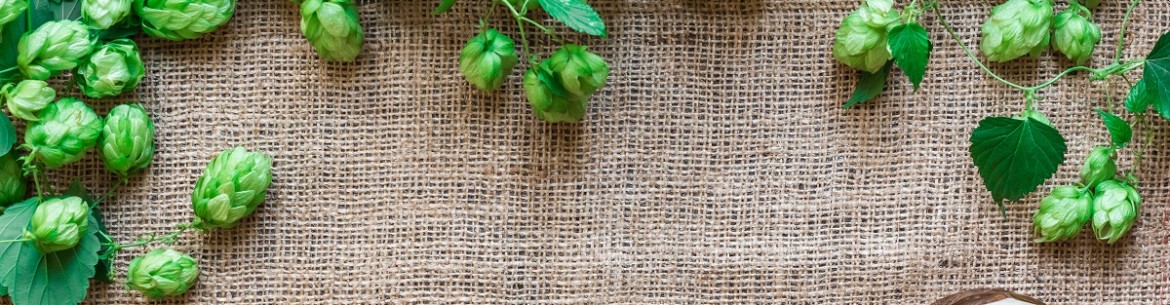
Hops are a plant that can be both a decoration and a nuisance to a garden. They boast beautiful green leaves, twining stems, and aromatic cones, which are used in brewing and folk medicine. However, hops can also be a very aggressive and unpretentious weed that quickly spreads across a garden and shades out other crops. How can you get rid of hops in your garden if you don't want them? In this article, we'll discuss various methods for hop control.
Content
What types of hops are there?
There are two types of hops: common and Japanese. Common hops (Humulus lupulus) are perennial plants that grow up to 6 meters tall and have long rhizomes. They bloom from July to September, producing male and female flowers on different plants. The female flowers are greenish-yellow cones that contain the bitter substances lupulin and humulone. These substances impart aroma and flavor to beer and also have antiseptic, soothing, and anti-inflammatory properties.
Japanese hops (Humulus japonicus) are annual plants growing up to 3 meters tall with fine roots. Japanese hops bloom from August to October, producing small white or pink flowers on a single plant. They do not produce cones and are not used in brewing.
The crop was brought to Russia from Asia as an ornamental plant, but it quickly began to spread as a weed.
Why is hops dangerous?
Hops can be dangerous to a garden plot for several reasons. Firstly, they grow very quickly and cover a large area, twining around everything in sight: trees, shrubs, fences, arches, arbors, etc. This can lead to the weed shading other plants, depriving them of light, air, and nutrients. Furthermore, hops can damage the supports of various garden structures with their tough, climbing stems.
Secondly, hops are very difficult to remove from a plot because they have a developed root system that penetrates deep into the soil. Just one small piece of rhizome is enough to cause the plant to sprout again.
Thirdly, hops can cause allergic reactions in some people, especially those who come into contact with them at work. Hops contain essential oils, flavonoids, resins, and other substances that can irritate the skin, mucous membranes, and respiratory tract.
Allergy symptoms can vary: itching, redness, rash, swelling, runny nose, sneezing, coughing, difficulty breathing, etc. In rare cases, anaphylactic shock may develop.
What are the benefits of hops in the garden?
Hops can be beneficial to your garden, as well as harmful. Firstly, they are a beautiful and fragrant plant that can enhance any corner of the garden. They can be used to create green curtains that protect against heat and dust, creating a cozy atmosphere. Hops can also provide a haven for beneficial insects such as bees, butterflies, and ladybugs.
Secondly, the plant has medicinal properties. Hop cones have a calming, soporific, anti-inflammatory, and antiseptic effect. They can be used to make tinctures, decoctions, topical remedies, and sleeping pillows. Hops help with insomnia, neuroses, headaches, migraines, neuralgia, rheumatism, arthritis, gastritis, stomach and intestinal ulcers, kidney stones, and other ailments.
Thirdly, hops can be used in cooking and brewing. Hop cones impart a bitter flavor and aroma to beer and also extend its shelf life. Hops can also be used to make teas, beverages, syrups, jams, and other products. The leaves are suitable for use in salads, soups, and other dishes. Hops also contain vitamins B and C, minerals, and antioxidants.
How to remove hops
There are various ways to control hops in the garden.
Herbicides
Herbicides are chemical agents that kill plants or disrupt their growth. They are divided into two types: systemic and contact. Systemic herbicides penetrate the plant through the leaves or roots, inhibiting vital processes. Contact herbicides affect only the parts of the plant they come into contact with, causing burning or necrosis.
To control hops, you can use either systemic or contact herbicides (depending on the severity of the infestation). Systemic herbicides are more effective because they destroy the entire plant, including its rhizomes. However, they can also damage other crops. Therefore, when using systemic herbicides, extreme caution is required, as well as adherence to application timing and dosage. Contact herbicides are less harmful to other plants, but also less effective because they do not destroy the rhizomes. Therefore, when using contact herbicides, treatments must be repeated several times per season.
Popular preparations include Roundup, Tornado, Glyphosate, Hurricane, Buran, Lontrel, and Dicamba.
Fertilizers
Fertilizers are divided into organic and mineral. Organic fertilizers are products of animal or plant origin, such as manure, compost, humus, ash, etc. Mineral fertilizers are synthetic or natural compounds, such as nitrogen, phosphorus, potassium, etc.
Fertilizers can be used both directly and indirectly to control hop infestations. Direct application involves adding fertilizer to the soil or directly to the plant in large quantities. This results in the hops receiving an excess of nutrients, which disrupts their physiological balance and causes tissue death.
Indirect application fertilizes other plants located near the hops. This ensures that other crops receive sufficient nutrients and can compete with the weed for light and space.
Suitable fertilizers for this would be:
- ammonium sulfate;
- superphosphate;
- urea;
- nitroammophoska;
- humus.
Physical methods of struggle
You can also combat hops in your garden using physical methods, which involve physically removing the plant from the area. This can be done in a variety of ways: manually, mechanically, or thermally. Manual removal involves pulling the hops out by hand or using garden tools. This method requires a lot of effort and time, but is the safest and most environmentally friendly.
The mechanical method involves removing hops using a cultivator, walk-behind tractor, tractor, etc. This method allows for quick and effective weed removal over a large area.
Thermal fermentation involves setting hops on fire or treating them with hot water or steam. This method destroys the plant completely, including the rhizomes, but can also be hazardous to the environment, other crops, and humans.
Folk remedies
If you want to get rid of hops for good, you don't necessarily need to use herbicides on your property. You can try to kill this climbing weed with readily available means:
- Salt. It has a destructive effect on plants. This can be used to combat hops in your garden. First, trim the climbing vines and remove any trailing branches. Then, sprinkle salt around the rhizomes. The layer should be at least 2 cm thick. This method only works in calm conditions. Many experienced gardeners prefer to dilute salt in water at a ratio of 1:2 and water the hops and other weeds with this solution. It's important to keep vegetable and garden crops away from the solution.
- Vinegar. Vinegar is poisonous to most plants. To get rid of hops, you can apply a vinegar solution directly to the roots. If the weed has already spread, water all shoots. It's best to use 9% table vinegar, diluting it with water 1:1 before watering.
- Baking soda. Dissolve baking soda in hot water. It's recommended to use 300–500 g of baking soda per 1 liter of water. Thoroughly water the hops roots with the resulting solution, after trimming the plants beforehand. Leave the solution at least 50 cm away from nearby garden beds. Otherwise, damage may occur.
Hop weed control is difficult, but possible. Powerful herbicides are most effective, but experienced gardeners recommend combining their use with mechanical root removal. Using folk remedies can also achieve the desired effect.