How to get rid of dandelions in your garden
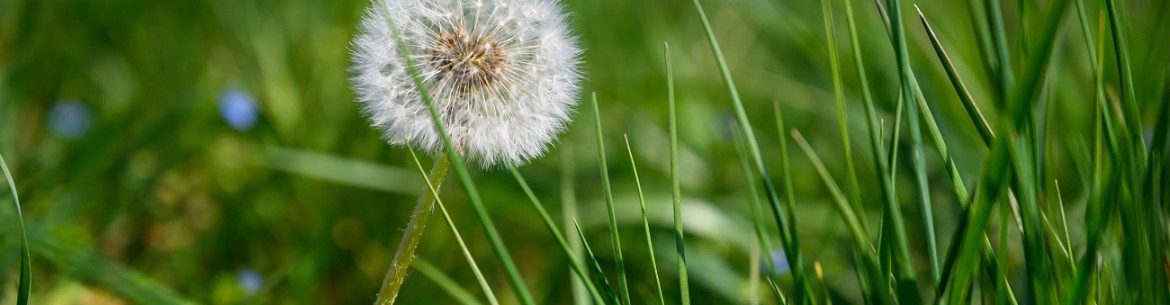
Dandelions are bright and beautiful flowers that appear in spring in meadows, fields, and gardens. Their yellow blooms are a delight to the eye, but they can also be a nuisance to gardeners. In this article, we'll explain how to get rid of dandelions in your garden, what methods and products you can use, and how to prevent these plants from appearing in the future.
Content
Dandelions in the garden: benefit or harm?
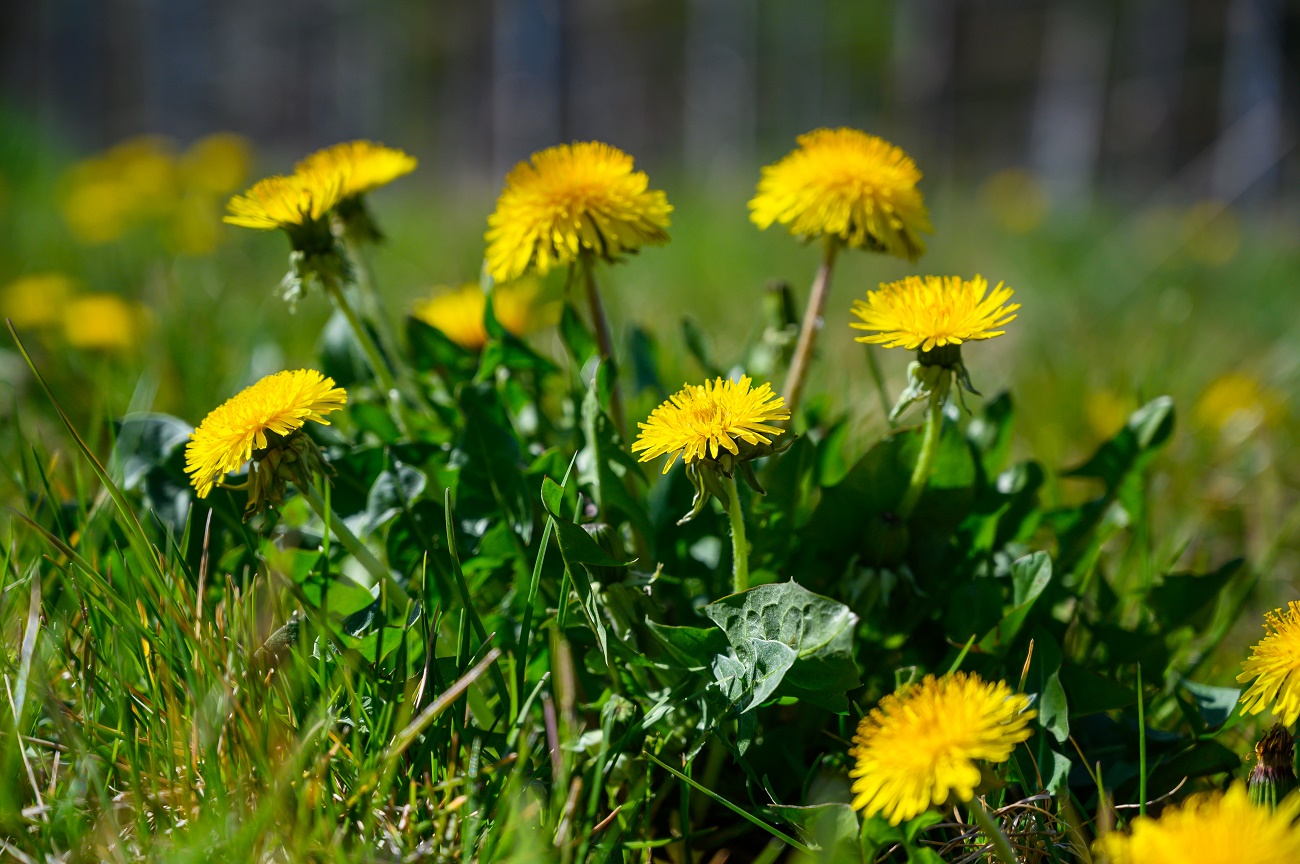
Dandelions are herbaceous perennials growing up to 30 cm tall. Their taproot is strong and twice as long as their above-ground roots. It penetrates deep into the soil, crowding out other plants. Due to the extensive branching at the top of the root, the weed is very difficult to uproot.
The dandelion is remarkably resilient; even a tiny remnant of a root is enough to grow a new rosette of leaves. Furthermore, it reproduces rapidly thanks to its numerous volatile seeds, which are carried by the wind for many kilometers around.
This "hard-to-control" weed can be a serious problem for gardeners and farmers due to its ability to spoil soil and damage crops. Dandelion also poses a danger to some livestock, as it contains substances harmful to them. Furthermore, this plant can cause allergic reactions in some people.
But before you begin fighting dandelions, it's worth learning about their beneficial properties and whether they can be used for your own purposes. They're not just weeds, but also medicinal plants that contain many vitamins, minerals, antioxidants, and other biologically active substances. They are used:
- for the treatment of various diseases of the liver, stomach, kidneys, skin and even diabetes;
- are edible plants from which you can make salads, soups, tea, jams, preserves and even wine;
- They are useful for the garden and vegetable garden, as they attract bees and other pollinators, and also enrich the soil with nitrogen.
Therefore, these plants should not always be considered enemies and can sometimes be given a chance to show their usefulness.
Is it possible to destroy dandelions once and for all?
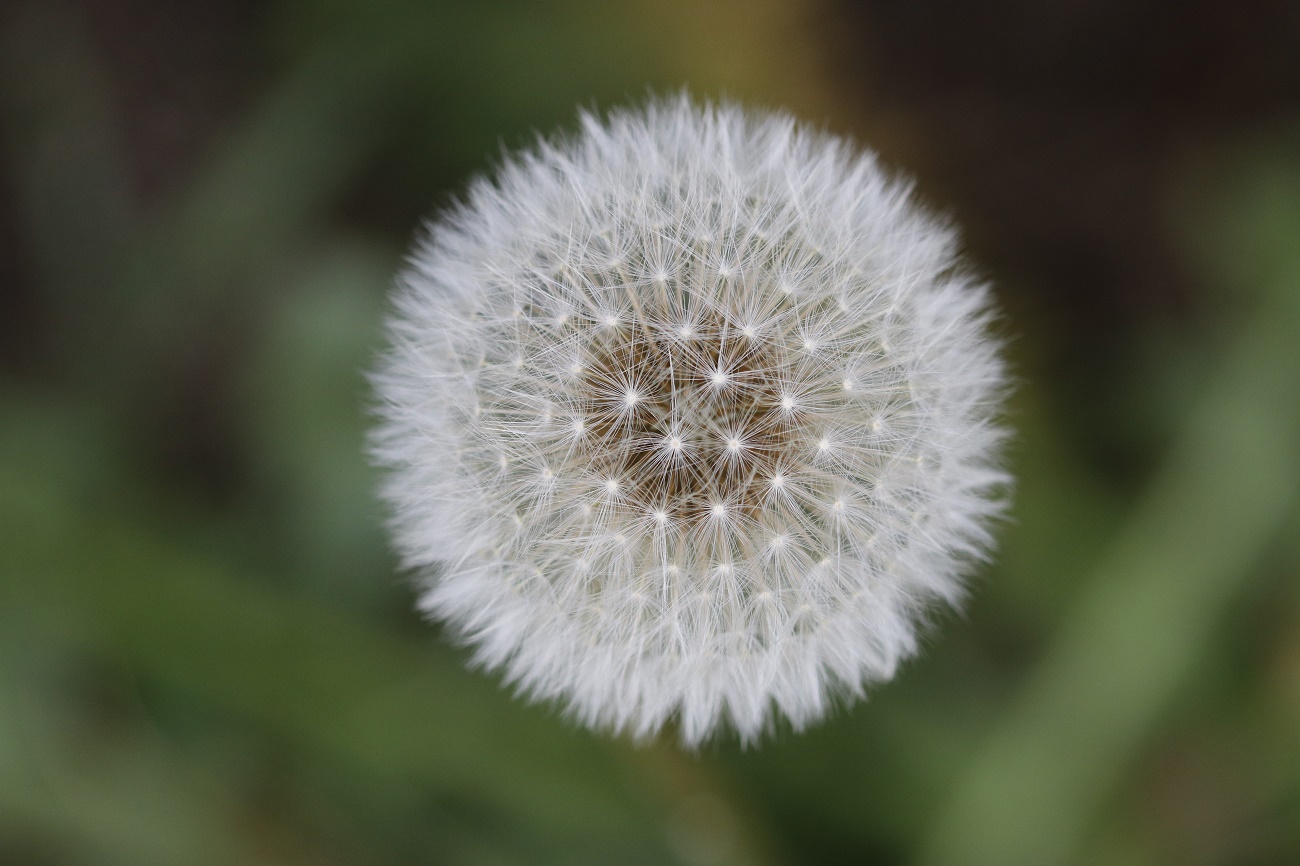
If you've decided to get rid of dandelions in your garden, be prepared for the challenge. Dandelions can reproduce both by seed and by rhizomes.
They are resistant to many herbicides and can adapt to a variety of environmental conditions. Therefore, it's impossible to completely eradicate them from a plot, but it's possible to significantly reduce their numbers and prevent their further spread. This requires a comprehensive approach that includes chemical, mechanical, and traditional methods of control. Let's take a closer look.
We remove dandelions using herbicides
Conventional methods of controlling dandelions in the garden—mowing and pulling them out by the roots—are ineffective against this weed. Within a few days, new inflorescences will begin to develop from the root debris. Therefore, it is recommended to use herbicides that target both the inflorescences and the roots.
Mechanism of action
Herbicides are chemicals designed to kill vegetation. There are different types of these products, categorized by their mode of action, spectrum of action, application time, and other parameters.
To control dandelions in your garden, it's best to use selective herbicides, which only affect dicotyledonous plants like dandelions without harming monocotyledonous crops like grasses.
These herbicides penetrate the plant through the leaves or roots, blocking photosynthesis, growth, and seed formation. This leads to the gradual death of the weed over several days or weeks. Cell growth cessation begins within the first hours after treatment. Among the most effective herbicides against dandelions are the following:
- "Hacker";
- "Lontrel";
- Banvel
- Granstar and others.
When selecting and using herbicides, you must follow the instructions for their use and also observe safety measures to protect your health and the environment.
Folk remedies for controlling dandelions in the garden
If you don't want to use chemicals or want to supplement their effects with other methods, you can try folk remedies. Various products and substances that negatively impact their growth and development can help control dandelions in your garden.
Boiling water
One of the simplest and most accessible ways to kill weeds is to pour boiling water over them. High temperatures damage plant cells and cause them to die.
To do this, boil water in a kettle or saucepan and carefully pour it over the center of the dandelion rosette. Be careful not to burn yourself or other plants. Keep in mind that boiling water can change the soil structure, so this method is best used in small areas or in areas where other crops don't grow.
Salt
Salt is another substance that can help combat dandelions. Salt dries out the plant and disrupts its metabolism.
In rainy weather, generously sprinkle salt on the leaves and soil around the plant. The moisture completes the process, helping the salt penetrate to the roots. If no precipitation is expected, you can prepare a strong salt solution (2:1) and spray it on the weeds.
Salt can damage the soil and other plants, so it shouldn't be used over large areas.
Vinegar essence
Vinegar essence can kill dandelions within a few hours, as it destroys the plant's cell walls and causes dehydration. To do this, spray the weeds with the solution from a spray bottle or water them with a watering can. It is recommended to carry out this procedure in dry, sunny weather to prevent the vinegar essence from being diluted by rain.
Be careful, as the acid can burn your skin or eyes and damage the soil and other plants. Therefore, wear a mask, gloves, and protective goggles when working. Also, avoid spraying near other crops.
Burning
Many gardeners claim that dandelions can be removed from their plots using a gas torch. This is an extreme method, requiring skill in operating a portable gas appliance. Burning destroys the above-ground portion of the plant, some of the roots, and the seeds.
To do this, hold a torch close to the dandelion, direct the flame at the growing point in the center of the leaf rosette, and hold for a few seconds until the plant begins to blacken and smoke. Once the above-ground portion has charred, carefully remove the plant's root system.
This should be done in calm weather to prevent the fire from spreading to other plants or objects. Therefore, it's not recommended to use this method near a house or other buildings. Burning does not guarantee the death of the yellow weed, as the root system usually remains relatively undamaged and can easily recover.
This method is suitable for any uncultivated areas and hard-to-reach places. Using it in garden beds and flower beds is risky.
Preventing the appearance of dandelions on the site
There are various ways to get rid of dandelions, but it's best to prevent them from appearing on your property in the first place. To do this, it's important to follow a few rules:
- In the fall, dig the soil to a greater depth: the roots of the weeds will end up on the surface, where they will certainly die under the influence of low winter temperatures.
- Maintain your lawn properly: mow, water, aerate, and fertilize regularly. This will help create a dense, healthy lawn that will prevent dandelions from growing and developing.
- Collect seeds: Remove dandelions before they release their white, fluffy seed-bearing balls. This will prevent the weed from spreading to other areas.
- To eliminate the causes of dandelion growth, analyze the soil and determine why this weed is growing. The plant prefers acidic, poor, and dense soils. Therefore, adjust the soil pH and, if necessary, add lime or compost, as well as loosen and improve its structure.
There's no guarantee that yellow weed will disappear from your plot, not least because of the volatility of its seeds. But with preventative measures, you can minimize its chances.
Dandelions aren't just weeds; they're also beneficial plants with medicinal and nutritious properties. However, if you want to get rid of them in your garden, you can use various methods, including herbicides and folk remedies. Dandelion control is a long and labor-intensive process that requires constant effort. To prevent recurrence, it's essential to monitor the area and take measures to prevent their growth.