How to get rid of roots on a plot
There are several ways to remove roots from your property, each with its own unique challenges. The need for this can arise for various reasons, such as land redevelopment or aging or diseased fruit trees. Here are a few methods for quickly removing roots.
Content
Damage from tree roots on the site
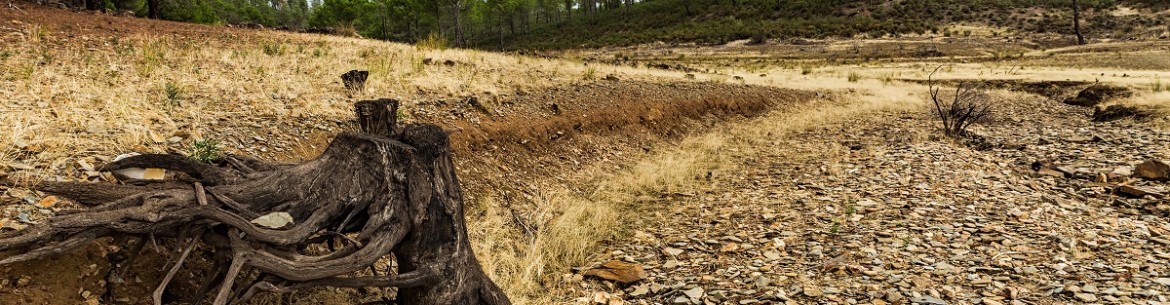
The presence of numerous roots left over from old trees on a site hinders the growth of new trees. They become an obstacle to the formation of attractive landscape compositions. Sometimes, protruding roots and stumps cause injury. To avoid negative consequences, it's best to remove the rhizomes.
Is it always necessary to get rid of the roots?
Root control in the garden is necessary only if they are causing problems. If the area hasn't been landscaped yet, the problem is easier to solve. In this case, roots and stumps can be removed using specialized equipment. It will clear the area in a few hours. The downside of this method is obvious: heavy machinery and mechanical uprooting leave marks on the garden. If landscaping is part of the plan, this isn't a big deal.
It's much more difficult to remove roots from an already developed area. There are plenty of options, but each has its own drawbacks.
Sometimes roots can be transformed into a unique landscape design element. A tree stump can even be hollowed out, filled with fertile soil, and used to grow flowers or berries. Multi-tiered arrangements look especially unusual. Some gardeners even grow mushrooms in old tree stumps. This "decoration" not only looks interesting but is also beneficial. Mushrooms in the stump produce several harvests over the summer, gradually breaking down the wood. After 5-6 years, nothing remains of the stump. Vegetables and flowers take a little longer to mature.
Important information about self-removal of roots
Root removal in a plot must be done correctly. Be especially careful when using herbicides if this method is chosen. Follow the manufacturer's recommended dosages, otherwise you may damage the plants. Wear personal protective equipment.
When choosing a method for destroying roots, you need to take into account their size and length.
How to get rid of tree roots
If a tree stump with roots is located in an area where a flower bed or garden is planned, it must be removed. You don't need to hire a professional with a milling machine; there are many other methods available for DIYers.
Manual uprooting
Popular methods for root control in the garden include manual uprooting. The trunk is simply cut off at ground level. This is done if the stump is causing a problem and the rhizomes can be left in the ground to rot. To speed up the process, the cut can be broken up with an axe. Rotting takes a long time, making it impossible to create a garden bed or erect any structure in the area.
If there is no time to wait, manual uprooting is the method of choice, but keep in mind that it is labor-intensive.
- A hole should be dug around the stump, exposing the roots, including the numerous shoots in the trunk area. The soil doesn't need to be removed with a shovel; it can be washed away. To do this, install a drainage trench into the hole, flushing the roots with a pressurized stream of water.
- Exposed roots are cut. Working in the hole is difficult, as the rhizomes are usually tightly intertwined and hard. But cutting them is necessary, otherwise long roots can damage the path or fence.
- The snag with cut rhizomes is fixed to a winch or other lifting mechanism and removed from the soil.
- If it is not possible to use mechanical devices, the stump is split, loosened and the fragments are unscrewed, removing them from the ground.
Fire
This is a simple yet dangerous method. Its use is permitted with restrictions. Tree remains must be kept at a reasonable distance from buildings, fences, utility lines, and power lines. This procedure should not be performed on peat soils (peatlands are prone to rapid combustion and take a long time to smolder). Extinguishing an underground fire is virtually impossible.
Root burning is permitted only in dry and windless weather. Flammable items are moved to a safe distance in case of emergency. First, two channels are drilled into the stump, as deep as possible. One is vertical, and the other is angled. The first channel will contain the flame, while the second channel provides air to support combustion.
If the driftwood is large, it is better to make several holes to speed up the burning process.
The central cavity is filled with a flammable liquid. Diesel fuel or lighter fluid is preferred. Gasoline will burn quickly, not producing the desired result. A cotton wick is inserted into the hole and ignited. All that remains is to maintain the flame. The process takes 13 to 16 hours.
Less time will be spent using "caramel fuel." This mixture contains ammonium nitrate and sugar in a 7:3 ratio. The components are mixed and carefully filled into the hole. This mixture produces a powerful flame. The roots will burn in minutes, but safety precautions are essential. The fuel is ignited from a certain distance, creating a "path" of gasoline toward it.
Chemistry
Chemicals can help introduce roots. This method involves breaking down the remaining rhizomes using special preparations. First, numerous deep holes are made in the cut. It's best to use this method in the fall, approximately 2-4 weeks before frost. The chemical will have time to penetrate the most distant root shoots before the frost sets in, completely destroying them by spring.
The holes are filled with a chemical reagent. Urea, better known as carbamide, is most often used for this purpose. It is a popular fertilizer used to decompose trees. The granules are tightly packed into the cavities, moistening them, and then the cut is covered with plastic, securing the film in place. Corks and clay can be used to seal the filled holes. After a few months, the roots will soften and can be safely removed from the soil. Urea, if used in large quantities, will not harm the site.
The same cannot be said for sodium and potassium nitrate. They are also used to destroy tree debris and roots. Large doses of nitrogen salts are toxic, so this method is not suitable for plots where new plantings are located near tree debris. Nitrate promotes root desiccation, making them easy to extract from the soil.
Some gardeners use salt. It "dries out" the rhizomes in about a year to a year and a half. The method for removing woody debris is identical to that described above.
A high concentration of salt will interfere with the normal development of plants in the treated area – the effect lasts for several years.
Roots and stumps of diseased plants are destroyed using copper sulfate. This prevents infection of nearby garden crops. However, be aware that it is toxic in large doses.
Herbicides are equally effective. They are applied to freshly cut trees, and the rhizomes are soaked in the solution. If this procedure is performed in the fall, there will be no problem removing the wood debris in the spring.
Mulching
Mulch prevents air from reaching the cut tree. Without oxygen, the rhizomes gradually die. The problem is that this process takes a long time. Mulching helps destroy small stumps. This is an excellent way to combat cherry or plum tree roots.
The trunk should be cut at ground level or slightly above, then covered with a thick layer of mulch. It should be approximately 20–25 cm high. It is recommended to also cover the area around the trunk. Any organic material can serve as mulch: shredded grass, leaves, or plant debris. Root rot will take several years. Organic mulch should be added periodically, as the layer thins over time.
There are many ways to deal with roots, analyze the pros and cons of each.