How to Get Rid of Weeds in Your Garden: 10 Proven Methods
Content
Reasons for active weed growth
Overgrowth of areas with weeds is often associated with:
- using low-quality organic fertilizer;
- use of low-quality planting materials;
- dispersal of seeds by wind, animals, and insects.
Some parasitic crops “sit” in the soil, waiting for the right moment for their development.
What is important to consider
To completely remove weeds from your property, you need to consider the following:
- Type of weed. Weeds come in many different types. They vary not only in their harmfulness but also in size. For example, dandelions with their small roots are easier to get rid of than, say, bindweed or grasses with rhizomes over a meter long.
- Time. The sooner weeds are eliminated, the better. If you wait until the seeds have time to ripen, you'll have to tackle them from the very beginning next season. Newly sprouted plants can simply be weeded.
- MethodologyThere are currently many ways to remove weeds from the soil. However, no single method will be effective in most situations. Gardeners generally use a comprehensive approach, combining several methods.
- Other culturesWhen controlling weeds in the garden, consider the proximity of other beneficial plants, as chemical treatments can have a very negative impact on them. Furthermore, many home remedies destroy nutrients in the soil, leading to prolonged idleness in the area.
How to Control Weeds in the Garden: 10 Effective Methods
In the past, before specialized chemicals were available, gardeners used various improvised means to control weeds in their gardens. These methods are still used in gardens today, and they are quite effective.
Digging
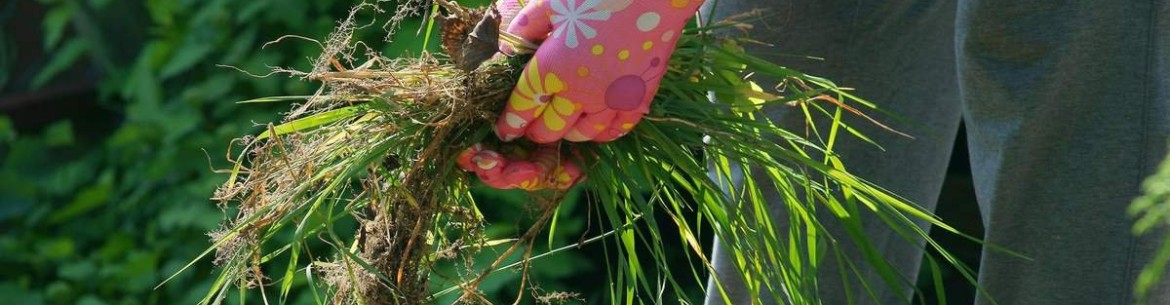
 Prepare your tools and dig up the area, removing all the roots from the soil. This method is considered labor-intensive, but quite effective against perennials such as wood sorrel, couch grass, dandelion, and goutweed. Experienced gardeners recommend using a pitchfork instead of a shovel to avoid damaging the roots and causing a new weed infestation.
Mechanical removal of the pest must begin with the rhizome. Otherwise, the weed will grow back.
Herbicide soap
To prepare this solution, take equal parts vinegar (9%), salt, and liquid soap. Mix all the ingredients. Instead of liquid soap, you can use dishwashing liquid or finely ground regular soap. Use the resulting solution to water weeds. Cover cultivated plants with plastic sheeting for protection.
Exhaustion
Weed control can be achieved using the weed-attrition method. First, clear the area of tall weeds and cover the bed with spunbond or agrofibre. Secure the cover with boards or bricks.
Weeds will quickly die without sunlight and water. You can get rid of perennial weeds by keeping the area covered with a cloth throughout the season.
Soda
A baking soda solution is also helpful for weed control. To prepare the infusion, take 5 tablespoons of baking soda and dissolve it in 1 liter of warm water. Use the solution immediately after preparation, watering young weeds with it. Avoid contact with useful crops. It's best to apply the solution in the morning and evening during hot weather for several days.
This method is suitable for small weeds. It is useless for tall plants.
Vinegar
Prepare a solution of vinegar (5 tablespoons), boiling water (1 liter), and salt (2 tablespoons). This solution eliminates weeds the first time you use it.
Do not use the solution on beds with crops. Otherwise, they will be damaged.
Salt
Table salt is also used as a powerful weed killer. Sprinkle the substance on garden paving slabs and along paths between garden beds. Be careful not to let the product come into contact with crops.
You can't sprinkle the beds with salt, as this will make them infertile.
Alcohol
To ensure your plants grow well and are not overgrown with harmful weeds, disinfect the soil. Dilute alcohol and water 1:10 and apply the solution to the area where weeds typically grow. This watering will quickly encourage weeds to emerge, making them easy to remove.
Boiling water
Any plant cannot tolerate boiling water. To prevent this, water the weeds with boiled water. Water them before planting the crops.
Saltpeter
This substance is used not only as a nitrogen fertilizer for foliage growth but also for weed control. Dissolve 3 kg of saltpeter in a bucket of liquid. Mix the solution thoroughly and spray it on weeds.
Saltpeter is recommended for use in treating areas where beneficial herbs grow and flower beds.
Freezing
This method is similar to digging, except now the soil needs to be cleared and dug at the end of autumn, after the fruit has been harvested. Nature will take care of the rest: as soon as frost sets in, the remaining roots and many seeds will perish. And if a winter with little snow and a harsh climate sets in, the effect will be very significant.
How to get rid of individual weeds if you don't grow anything in your garden
Some summer residents, due to their busy schedules, are unable to cultivate crops, and their land gradually becomes overgrown. How can you get rid of weeds in such a plot?
- Boiling water. To do this, boil the liquid in a large container and water the weeds generously. This method is effective on annuals, as boiling water can destroy shoots and leaves, and the roots are weak enough to prevent the plants from regenerating. For perennials, dig up the rhizomes after watering. Furthermore, the hot solution destroys all nearby crops and also kills beneficial organisms in the soil. So, water weeds with caution.
You can use boiling water to remove weeds that have grown in the cracks of garden paths. - Trimmer and lawn mower. This gardening equipment quickly removes annuals by periodically mowing down the entire grass. When the above-ground parts of weeds weaken, their regeneration requires energy drawn from the roots. If the tops are cut too frequently, the plant roots gradually die.
Perennials can also be controlled by mowing, but since perennial weeds have more powerful roots and deplete nutrients more slowly, they need to be cut more frequently. For perennial weeds, a combination of mowing and tilling can be used. After cutting the stems, the soil should be dug to a depth of at least 25 cm and the excavated layers turned over with the roots facing upward. This will speed up the root death.