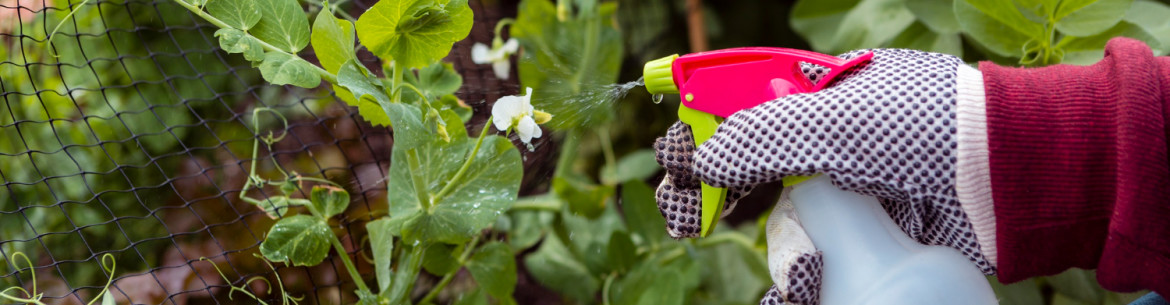
How to get rid of aphids in the garden: effective control methods
Aphids are one of the most common garden pests. They can reproduce quickly and cause significant damage to plants. In this article, we'll explore the causes and signs of aphid infestations, the dangers of this pest, and the most effective methods of controlling them.
Content
Where do aphids appear in the garden?
Aphids can appear in the garden from a variety of sources, including neighboring plants, infested seedlings, soil, and seeds. They can also be carried to plants by animals and insects, such as ants. Adverse weather conditions and poor garden maintenance can also contribute to aphid infestations.
Why are pests dangerous to trees and flowers?
 Aphids are pests because they feed on plant sap, weakening them and making them more vulnerable to other pests and diseases. They can also transmit viruses and diseases from one plant to another.
Furthermore, aphids can reduce yields and degrade the quality of fruits and vegetables. They can also leave a sticky secretion on leaves, which attracts other pests, such as ants, which can create additional problems in the garden.
Signs of aphids
- Sticky secret. Aphids secrete a sticky substance that coats the leaves and stems of plants. This substance can attract other insects, such as ants, which can help spread the aphids throughout the garden.
- The leaves begin to turn yellow and fall off. Aphids feed on plant sap, which weakens the plant and can cause yellow and fallen leaves.
- Deformed leaves and stems. Aphids can cause deformations such as twisting and curving of leaves and stems.
- The appearance of ants. Ants can be a sign that aphids have appeared on the plants, as they feed on the sticky secretions that the pests produce.
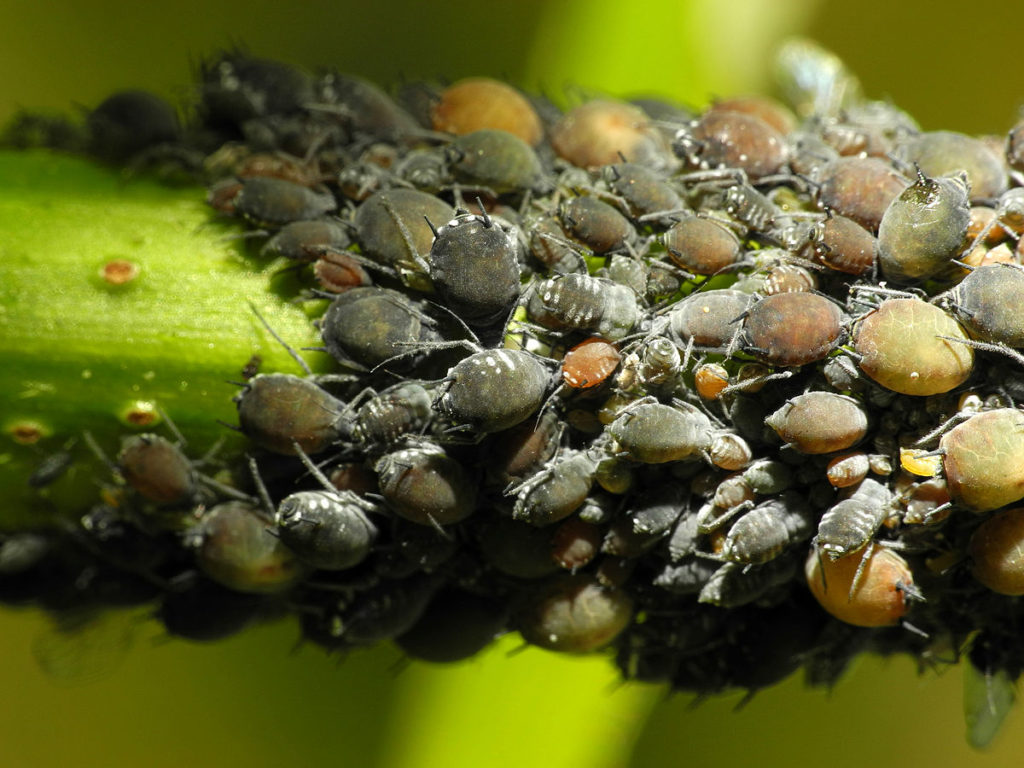
- Visual inspection. If you find small, soft, slow-moving insects on your plants, they may be aphids.
If you suspect that aphids have appeared in your garden, you must take immediate action to combat this pest to prevent its further spread.
How to Control Aphids: Best Methods
 There are several ways to control aphids in your garden. They can be divided into several groups:
- mechanical;
- biological;
- professional products;
- folk methods.
We will look at each of the methods in detail to determine the most effective ones.
Mechanical methods
- Regularly watering your plants can help remove aphids from their leaves and stems.
- If there are only a few aphids on the plants, they can be removed manually using gloves or cotton swabs.
Biological methods
Biological pest control methods rely on the use of living organisms to control pest populations. These methods have no negative impact on the environment and pose no threat to other beneficial insects.
Repellent plants

Repellent plants can contain various chemical compounds, such as essential oils, terpenes, and alkaloids, that repel insects. These compounds can disperse into the air and repel pests.
Marigold
Marigolds contain many essential oils, including linalool, which repels aphids. They can also be used as a pleasant-smelling shrub in the garden.
To use marigolds to control aphids, you can plant them around other plants you want to protect.
Rhubarb
Rhubarb also contains many essential oils that repel aphids. It also contains about 25% tannins, which kill aphids if they feed on rhubarb leaves.
However, care should be taken when using rhubarb as a repellent, as it can become harmful to some plants if planted too close to them.
Elder
Elderberry also contains essential oils that repel aphids. It can also attract beneficial insects, such as hymenoptera and predatory beetles, which can protect other plants in the garden from aphids.
Attracting natural enemies
Some predatory insects, such as hymenoptera wasps, ladybugs, quail, and others, may feed on aphids and may help control their numbers.
To attract these predatory insects to your garden, you can do the following:
- Provide hiding and breeding sites for insect predators, such as sawdust piles, rock piles, or shelters made of leaves or straw.
- Plant plants that attract predatory insects, such as dill, coriander, mint, quinoa, yarrow, asters, etc.
You can also use an artificial method of attracting predators by installing special traps or houses for predatory insects in the garden, where they can breed and find shelter from the weather.
Bait plants
These plants attract aphids to themselves to prevent them from appearing on other plants in the garden.
Some of the most effective bait plants include:
- Nasturtium is a plant with brightly colored flowers that attracts aphids. Furthermore, nasturtium is poisonous to aphids.
- Leeks and garlic have a strong odor that repels aphids. They also contain sulfur, which can be toxic to insects.
Bait plants may be more effective when combined with the use of natural enemies and mechanical aphid control methods.
Professional products
Professional products are specialized chemicals designed for the rapid and effective elimination of aphids. They can be used both to prevent aphids from appearing and to kill them on already infested plants.
These products contain various chemicals that may be hazardous to human health and the environment. Therefore, their use must be carried out in accordance with the manufacturer's instructions.
Karbofos
Karbofos is an insecticide used to kill aphids, mites, and other insects on plants. It acts by contact and stomach action, killing insects through the nervous system. Karbofos contains chemicals that may be hazardous to human health and the environment, so it should be used with caution.
Aktara
"Aktara" is a product used to kill pests on plants. It contains neurotoxic substances that affect the insects' nervous system. "Aktara" is considered one of the most effective insecticides for aphid control.
Vofatox
Vofatox is a product that contains a substance that disrupts the normal functioning of the insect nervous system. Vofatox is considered one of the safest insecticides for humans and the environment.
Fitoverm
Fitoverm is a biological product containing live bacteria that kill aphids on plants. It is considered safe for humans and the environment because it contains no chemicals.
Fufanon
Fufanon is an insecticide that acts on the nervous system of insects, causing paralysis and death. Fufanon is one of the most widely used insecticides.
Tanrek
Tanrek is a product that contains a substance that affects the nervous system of insects, causing paralysis and death. Tanrek is considered relatively safe for humans.
Traditional methods
Traditional methods are based on experience and traditions passed down from generation to generation. These methods typically utilize natural ingredients and resources readily available at home or in nature.
Soap solution
A soap solution is a simple and effective way to control aphids and other insects on plants. To prepare the soap solution, mix 1–2 tablespoons of liquid soap or soap shavings in 1 liter of warm water. The solution can be applied to plants using a spray bottle. The soap solution destroys the insects' protective layer and renders them harmless.
Soap and soda
A solution of soap and baking soda can also be used to control pests. To prepare the solution, mix 1 tablespoon of liquid soap, 1 tablespoon of baking soda, and 1 liter of water. Mix the solution well and apply it to the plants using a spray bottle.
Infusions and decoctions
Infusions and decoctions are folk methods of combating plant pests and diseases, based on the use of herbal ingredients.
It's important to remember that not all plants are safe to use and may be poisonous. Before using any infusion, ensure it's safe for the specific plant species and follow the instructions for use.
Tobacco
Tobacco infusion can be used to combat leaf bugs, aphids, and other pests. To prepare the infusion, pour boiling water over the tobacco and let it steep for several hours. Then strain the infusion and dilute it with water. The solution can be applied to plants using a spray bottle.
Onion
Onion infusion can also be used to combat aphids and other pests. To prepare the infusion, chop several onions and pour boiling water over them. Then let the infusion steep for several hours, strain, and dilute with water. Spray the resulting solution on your plants.
Pine
Pine infusion can be used to combat insects and fungal diseases on plants. To prepare the infusion, pour boiling water over pine needles and let it steep for several hours. Then strain the infusion and dilute it with water. Apply the infusion to the plant leaves.
Tomato or potato tops
Tomato or potato tops are an excellent way to fertilize the soil and prevent plant diseases. To do this, pour boiling water over fresh potato or tomato tops, let them steep for several days, and then use the resulting infusion to water the plants. This infusion contains many beneficial microelements and organic matter that promote plant growth and health, as well as provide protection against pests.
Floral
Flower infusions can also be used to combat various pests and diseases. For example, calendula or marigold infusion can help prevent fungal diseases, while chrysanthemum infusion can protect plants from aphids and leaf bugs.
Chamomile
Chamomile infusion is another popular way to combat pests and diseases. Chamomile contains many beneficial substances, such as antioxidants, flavonoids, and essential oils, which can help prevent fungal and bacterial infections.
From dandelions
Dandelion infusion can be used to combat aphids and other pests. To prepare the infusion, crush dandelion flowers and pour boiling water over them. Let the infusion steep for several hours, strain, and dilute with water. The solution can be applied to plants using a spray bottle.
Essential oils
Essential oils are one of the most popular ways to repel aphids. Essential oils known for their repellent properties include tea tree, lavender, rosemary, peppermint, eucalyptus, and cedarwood. To use, add a few drops of oil to water and spray the plants with the solution.
Ammonia
To use ammonia, dilute it with water 1:1 and apply the resulting solution to plants using a spray bottle. Ammonia can help repel aphids and prevent their emergence.
Vodka
Vodka can be used to repel aphids thanks to its ethyl alcohol content. This alcohol can be harmful to insects, including aphids, if they come into direct contact with it.
One way to use vodka is to dilute it with water in a 1:1 ratio and then apply it to plants with a special sprayer.
Birch tar
To use birch tar as an aphid repellent, dilute it with water 1:10 and apply the resulting solution to plants using a spray bottle. Birch tar contains natural repellents that can help protect your garden.
Overall, there are many ways to get rid of aphids in the garden. However, before choosing a method, it's important to consider many factors, such as the severity of the infestation, plant type, weather conditions, and so on. A comprehensive approach to aphid control is recommended, combining mechanical, biological, and chemical methods as needed. It's important to remember that choosing the right method and applying it promptly will help eliminate aphids and keep your plants healthy.