How to acidify soil in your garden
Soil is a living organism that requires constant care and maintenance of optimal conditions for plant growth and development. One important parameter is the acid-base balance, or pH, which indicates the saturation of the soil with hydrogen ions. The more hydrogen ions, the more acidic the soil, and vice versa.
Soil pH is measured on a scale from 0 to 14, with 0 being the most acidic, 14 being the most alkaline, and 7 being neutral. Most plants prefer slightly acidic or slightly alkaline soil with a pH between 5.5 and 7.5. However, some plants require a more acidic environment for proper nutrition and protection from diseases and pests. We'll explain how to acidify soil at home in this article.
Content
Why acidify the soil?
Soil acidification is the process of lowering soil pH to a certain level necessary for growing acid-loving plants. Acidification may be necessary in the following cases:
- The soil is initially highly alkaline due to its geological origin, for example if it was formed from limestone or dolomite.
- The soil was limed to improve its fertility or to combat fungal diseases.
- The soil became alkaline as a result of long-term use of mineral fertilizers containing ammonia compounds or carbonates.
Soil acidification improves its physical, chemical, and biological properties. Specifically, acidification:
- Promotes the activation of microorganisms that decompose organic matter and enrich the soil with nitrogen, phosphorus and sulfur.
- Improves the availability of microelements such as iron, manganese, zinc, copper and boron to plants.
Acidification also suppresses the growth of certain types of weeds, fungi and nematodes.
Which plants like acidic soil and why?
There are plants that can only grow well in acidic soil.
Garden and ornamental
Among ornamental garden plants, there are many acid-loving species prized for their beautiful blooms or decorative foliage. These include:
- Rhododendrons are large shrubs or small trees with glossy green leaves and lush blooms of varying hues. Rhododendrons prefer acidic soil with a pH of 4 to 5.5, as it provides them with adequate nutrition and protects them from chlorosis, a disease that causes leaves to turn yellow due to iron deficiency.
- Blueberry. This berry bush produces bluish or black berries rich in antioxidants and vitamins. Blueberries are also prized for their decorative qualities: in spring, they are covered in white or pink flowers, and in autumn, their leaves turn vibrant red or orange. They prefer acidic soil with a pH of 3.5 to 5, as this promotes better absorption of nitrogen, phosphorus, and iron.
- Azalea. This low-growing shrub has small leaves and large flowers in a variety of colors. Azalea belongs to the rhododendron genus and also prefers soil with a pH of 4 to 5.5. Azaleas are known for their ability to change color depending on the acidity of the soil: in alkaline soil, they bloom blue or purple, while in acidic soil, they bloom pink or red.
- Camellia. This evergreen shrub or tree has glossy, dark green leaves and large, fragrant flowers in white, pink, red, or yellow. Camellia prefers acidic soil with a pH of 5 to 6.5, as this provides good nutrition and disease resistance.
Indoor decorative
Among the indoor ornamental plants, there are also many acid-loving species that decorate the interior with their unusual shapes and bright colors:
- Orchids. These tropical plants have slender stems bearing graceful flowers of various shapes and colors. Orchids prefer slightly acidic soil with a pH of 5 to 6, as it promotes better absorption of water and nutrients.
- Gardenia. This shrub has dark green, leathery leaves and fragrant white or yellow flowers reminiscent of roses. Gardenia requires acidic soil with a pH of 4.5 to 5.5, as this promotes nutrient absorption and prevents chlorosis.
- Begonia. This plant has fleshy stems and a variety of leaves, which can be green, red, spotted, or striped. Begonia blooms with red, pink, white, or orange flowers. Begonias prefer soil with a pH of 5 to 6, as this promotes better root development and flowering.
4 ways to acidify soil
To do everything correctly, you need to know how to acidify the soil.
Organic materials
One of the simplest and most accessible ways to acidify soil is to use organic materials that release acid when decomposing and lower the soil pH. Such materials include:
- Peat. This is a product of incomplete decomposition of plant residues in bogs. Peat has a low pH (3 to 4) and retains moisture well. It can be added to the soil when planting or replanting, and can also be used as mulch to maintain the acidity of the surface soil layer.
- Pine bark or sawdust. These wood wastes also have a low pH (3.5 to 4.5) and contribute to soil acidification as they decompose.
- Coffee grounds. They have a neutral or slightly acidic pH (6 to 6.5) and contain nitrogen and other nutrients.
Mineral compounds
You can use fertilizers that acidify the soil:
- Ammonium sulfate. This is a salt of ammonium and sulfuric acid, which has a low pH (4 to 5) and contains nitrogen. Ammonium sulfate can be sprinkled on the soil surface or incorporated into the soil when planting. However, care must be taken not to overdo it, as too much nitrogen can damage the plants.
- Ferrous sulfate. It is a salt of iron and sulfuric acid. Ferrous sulfate has a pH of 3 to 4.
- Aluminum sulfate. Also has an acidity of 3-4 pH. It's best to apply aluminum sulfate when digging the soil.
Acid solutions
Another way to acidify the soil is to use acid solutions that directly lower the soil pH. Such acids include:
- Citric acid. This is an organic acid found in lemons and other citrus fruits. It has a low pH (2 to 3) and is environmentally safe. How to acidify soil with citric acid? To do this, dilute the substance in water at a ratio of 1:10 and water the soil with this solution once a month.
- Acetic acid. This is an organic acid found in vinegar and other fermented products. Its pH ranges from 2.5 to 3. It can also be used, but you need to know how to acidify the soil with vinegar to avoid harming future plants. When using 9% table vinegar, dilute it 1:20. Water once a month.
If you use vinegar of a different concentration, you should adjust the proportions.
Green manure
Green manure crops are plants grown to improve soil and suppress weeds. Some of them can affect soil acidity. These include:

- Mustard. This annual plant has yellow flowers and sharp leaves. Mustard has an acidic sap (pH around 4) and contains glycosides that decompose to form sulfuric acid. Mustard can be sown in late summer or fall and plowed in before winter or early spring to acidify the soil and enrich it with nitrogen and sulfur.
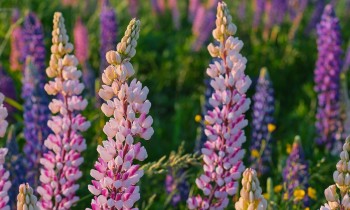
- Lupine. This perennial plant has long stems and racemose flowers of various colors. Lupine has an acidic sap (pH around 4.5) and contains alkaloids that decompose to form acetic acid. Lupine can be sown in the soil in late summer or fall.
- Clover. This perennial plant has three-lobed leaves and red, white, or pink flowers. Clover has a neutral to slightly acidic pH (around 6) and contains flavonoids that, when broken down, form citric acid.
Soil acidification is a necessary procedure for growing acid-loving plants, which require a lower soil pH for adequate nutrition and protection from diseases and pests. There are several acidification methods, which can be chosen based on availability, effectiveness, and environmental safety. When acidifying the soil, it is necessary to monitor its pH and the condition of the plants to avoid overacidification or overliming.