What kind of soil do flowers prefer? Understanding the different types of soil
Flowers are a beautiful addition to any garden, balcony, or room. They delight us with their fragrance, beauty, and variety. But for flowers to thrive and bloom, their soil preferences need to be considered. Not all plants respond equally to soil acidity, moisture, fertility, and structure. In this article, we'll discuss the soil preferences of different flower species and offer tips on choosing the right soil.
Content
Which flowers like acidic soil?
Soil acidity is a measure of its reaction to an aqueous solution. The lower the value, the more acidic the soil. Acidic soil has a pH below 6.5. Crops that can absorb iron and other micronutrients from the soil thrive in such soil.
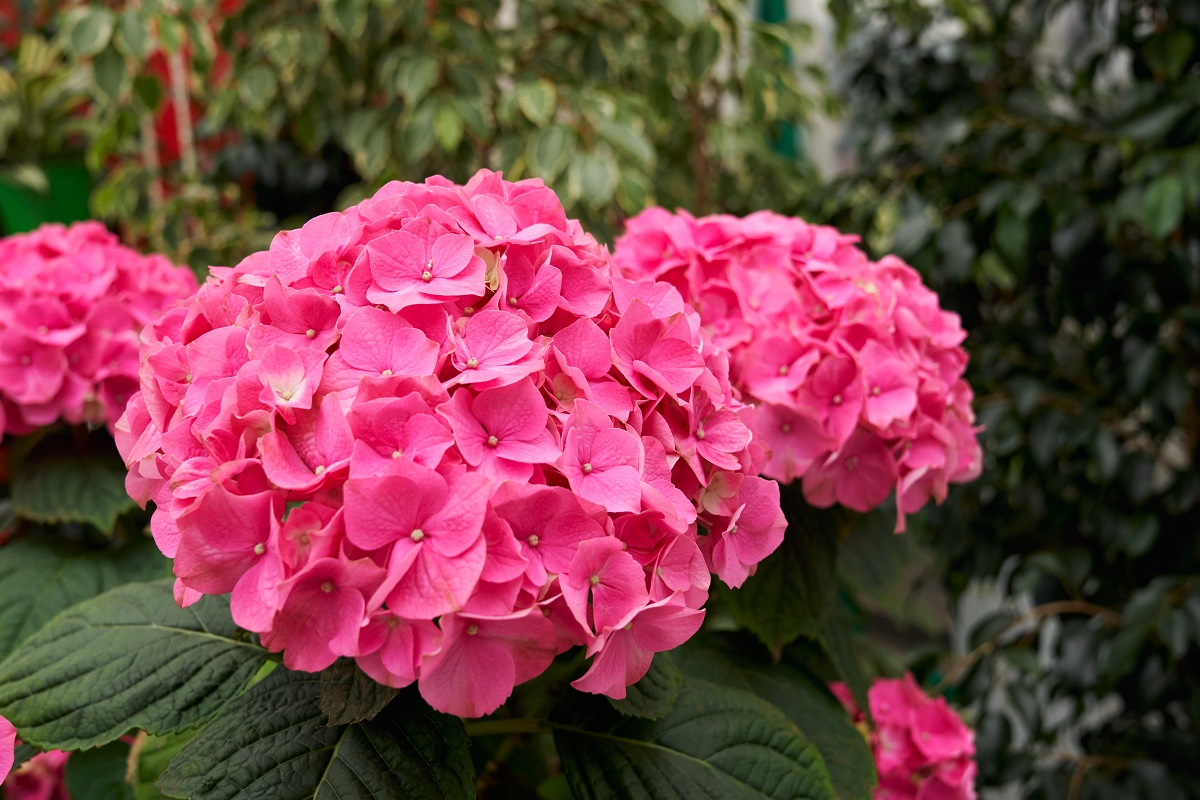
Hydrangea
A beautiful shrub with large, spherical inflorescences that can change color depending on soil acidity. In acidic soil, they turn blue or lilac, while in neutral soil, they turn pink or white. Hydrangeas prefer partial shade and moist, loose soil with added peat or sawdust.
Rhododendron
This is an evergreen shrub with large, vibrant flowers that bloom in May and June. Rhododendrons prefer shade or partial shade, moderate watering, and organic fertilizer. They thrive in acidic, light, and well-drained soil.
Azalea
An ornamental shrub with small, abundant flowers in a variety of shades. These plants are suitable for both garden and indoor use. Garden azaleas are planted in shady areas in acidic, fertile soil with added peat or sawdust. Indoor azaleas require good light, away from direct sunlight, and regular watering and misting.
Erica
A low-growing shrub with needle-like leaves and bell-shaped flowers. It blooms from fall to spring, creating vibrant accents against the snow. Erica prefers sun or partial shade, moderate watering, and acidic soil amended with peat or sawdust.
Camellia
A magnificent shrub with glossy leaves and lush, rose-like flowers, the camellia blooms in winter or early spring, delighting us with its beauty. The plant enjoys warmth, light, and moisture. It thrives in acidic, fertile, and well-drained soil.
Which flowers like moist soil?
Moist soil is soil that retains water well and doesn't dry out. This type of soil is suitable for moisture-loving plants that don't tolerate standing water. These include the following.
Iris
This perennial plant has sword-shaped leaves and large flowers of varying colors and shapes. Irises bloom in May and June, creating vibrant flowerbed displays. The plant prefers sun or partial shade, moist, fertile soil enriched with compost or humus.
Lobelia
A low-growing annual plant with small flowers in blue, white, or pink. It blooms from June until frost, decorating borders, flowerbeds, and hanging baskets. Lobelia prefers partial shade or shade, regular watering, and slightly acidic soil containing peat or sawdust.
Astilbe
This perennial plant has feathery leaves and fluffy white, pink, or red inflorescences. It blooms in June and July, captivating the eye with its grace and beauty. Astilbe thrives in shade or partial shade, in moist, fertile soil.
Begonia
An ornamental plant with variegated or solid-colored leaves and vibrant flowers in a variety of shapes. Begonias come in perennial and annual varieties, both garden and indoor varieties. Garden varieties are planted in flowerbeds, borders, or containers in sun or partial shade. They prefer moist, fertile soil. Indoor varieties require good lighting but not direct sunlight, as well as regular watering and fertilizing.
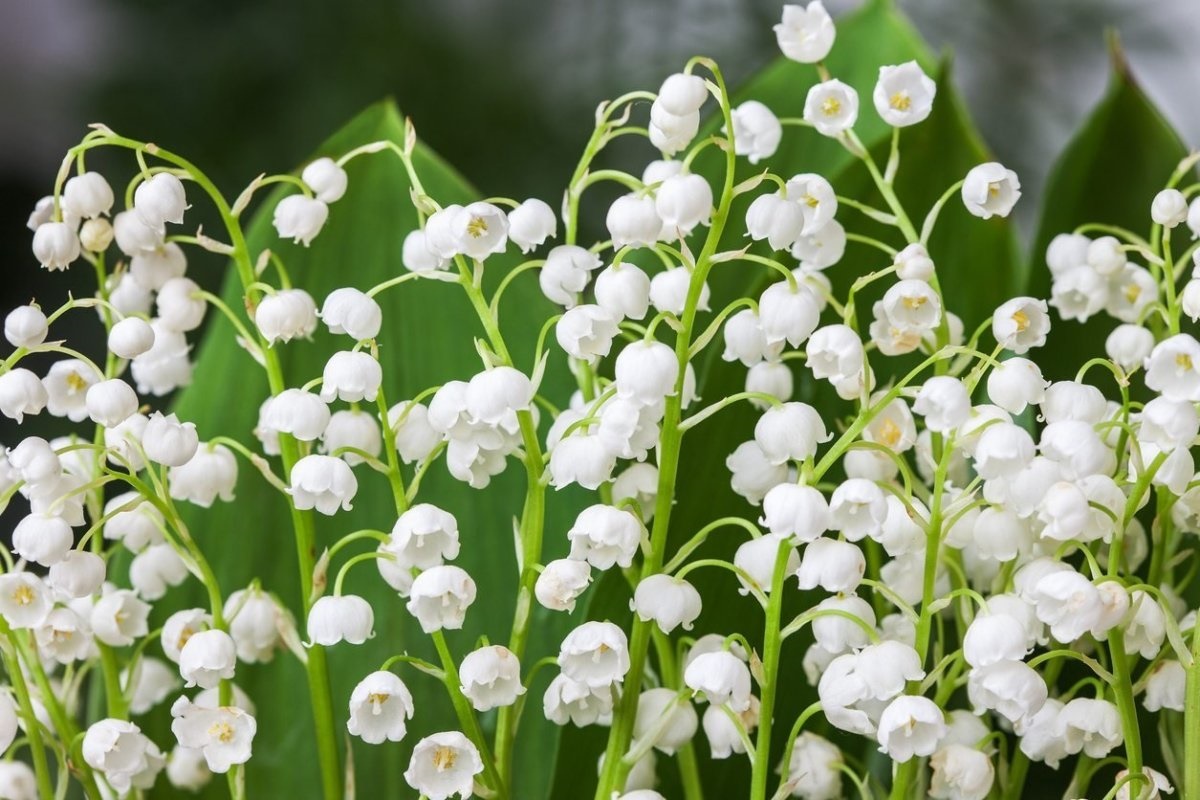
Lily of the valley
This delicate plant with lanceolate leaves and fragrant white flowers blooms in May and June, filling the air with its sweet scent. Lily of the valley thickets can be found in shade or partial shade.
The plant prefers moist and fertile soil with the addition of organic matter.
Which flowers like alkaline soil?
Alkaline soil has increased calcium and magnesium content and a pH greater than 7.5. Plants that can absorb calcium and magnesium thrive in this type of soil.
Lavender
A fragrant shrub with silvery leaves and purple flowers. It blooms from June to August, attracting bees and butterflies. Lavender thrives in full sun and prefers dry, permeable soil amended with lime or dolomite.
Rose
The rose is the queen of flowers, with a multitude of varieties, shapes, and shades. Roses bloom throughout the summer until October. They should be planted in a sunny spot, watered moderately, and fed with mineral fertilizer. The soil should be alkaline, fertile, and well-drained.
Lupine
A perennial with pinnate leaves and tall, spike-shaped inflorescences in a variety of colors, lupines bloom in June and July, creating vibrant accents against the greenery. The plant thrives in full sun and moist, fertile soil.
The soil must contain lime or dolomite flour.
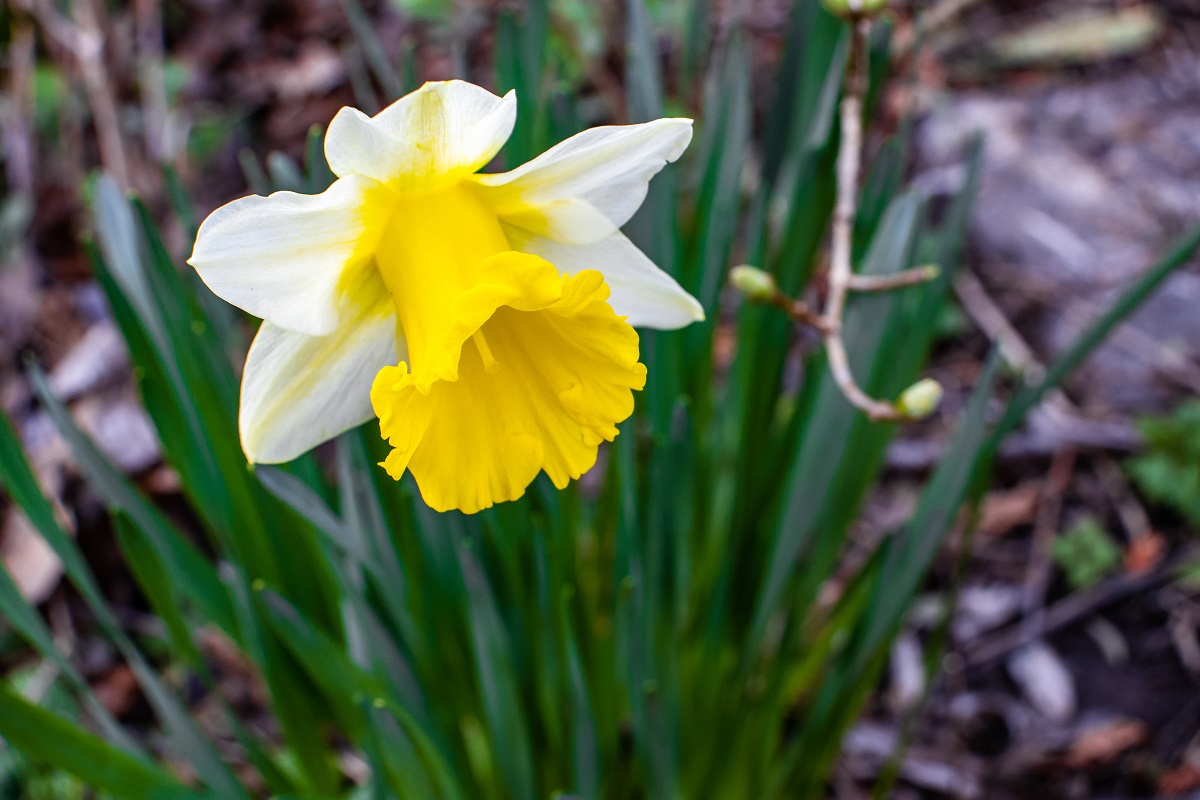
Narcissus
A spring flower with a bulbous rhizome and tubular flowers in yellow, white, or pink. It blooms in April-May, delighting the eye with its delicacy and grace. Daffodils grow well in sun or partial shade. Water them moderately and feed them with organic fertilizer. The soil should be alkaline, fertile, and well-drained.
What flowers like sandy soil?
Sandy soil is defined as soil containing at least 50% sand. This type of soil has good permeability but poor water and nutrient retention. It thrives with drought-tolerant plants that are undemanding of soil fertility.
Verbena
An annual or perennial plant with small flowers of various colors, gathered in corymbose inflorescences. It blooms from June until frost, decorating flowerbeds and borders. Verbena prefers a sunny location with slightly acidic soil. It requires regular, moderate watering and organic fertilizer.
Gazania
An annual plant with lanceolate leaves and vibrant, daisy-like flowers. It blooms from July until frost. During this time, vibrant, colorful carpets appear in flowerbeds. Gazania thrives in full sun and dry, permeable soil with sand or gravel.
Peony
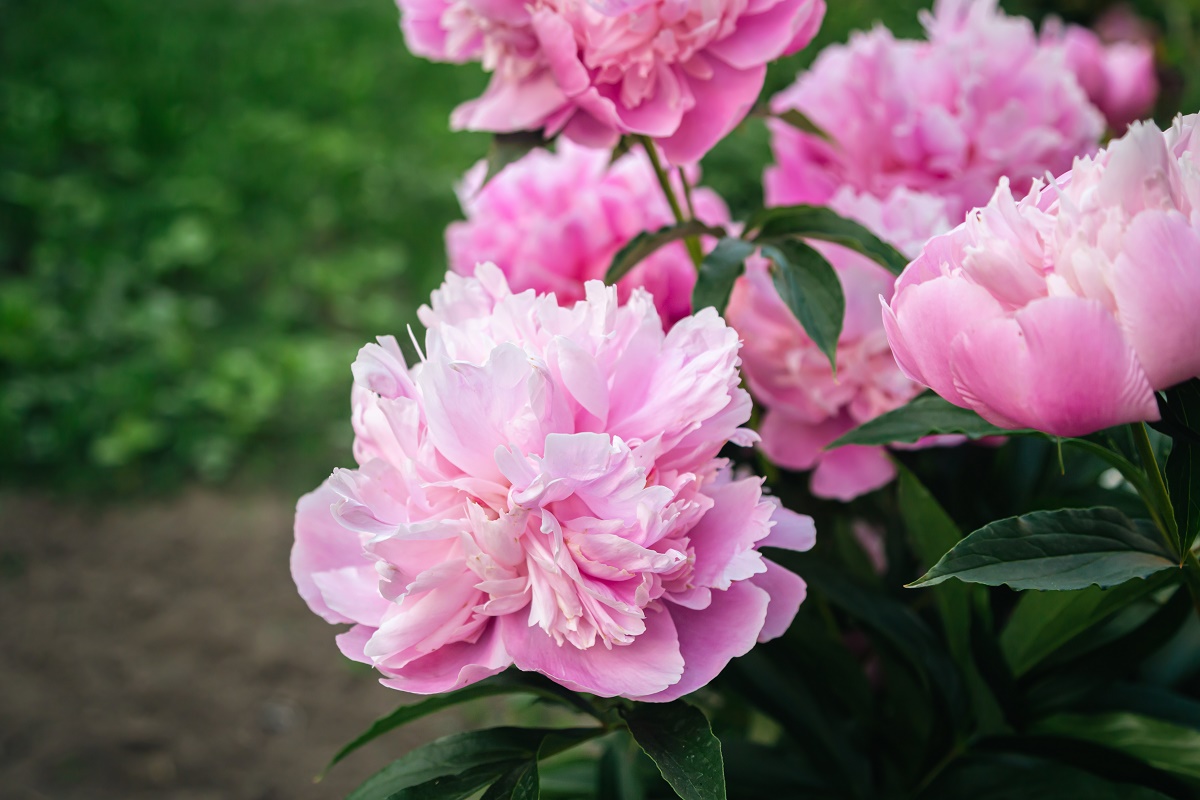
A perennial plant with large, lush flowers that can be white, pink, red, or purple. Peonies bloom in May and June. They are planted in a well-lit spot, watered as the soil dries, and fertilized with organic matter. The soil should be sandy, fertile, and well-drained.
Chamomile
This spring flower has a bulbous rhizome and white or yellow flowers with a dark center. Daisies bloom in April and May, delighting the eye with their simplicity. They prefer full sun, moderate watering, and slightly acidic soil.
Which flowers like clay soil?
Clay soil is soil composed of fine clay particles. This soil has poor permeability but retains water and nutrients well. It supports moisture-loving plants that require high soil fertility. The pH of this soil is usually alkaline.
Gladiolus
A bulbous plant with sword-shaped leaves and large flowers borne on tall stems, gladioli bloom in July and August. They prefer sunny beds, moderate watering, and mineral fertilizer. They thrive in fertile, clayey soil.
Delphinium
A perennial with pinnate leaves and tall, spike-shaped inflorescences in blue, white, or pink, delphiniums bloom in June and July, creating impressive compositions against a backdrop of greenery. These flowers prefer full sun and moist, nutritious soil with added organic matter.
Phlox
This perennial plant has lanceolate leaves and small flowers of varying shades, gathered in racemes. Phlox blooms from July to September. They will decorate any flowerbed or rock garden. These flowers prefer sun or partial shade, moist soil fertilized with compost or humus.
Tulip
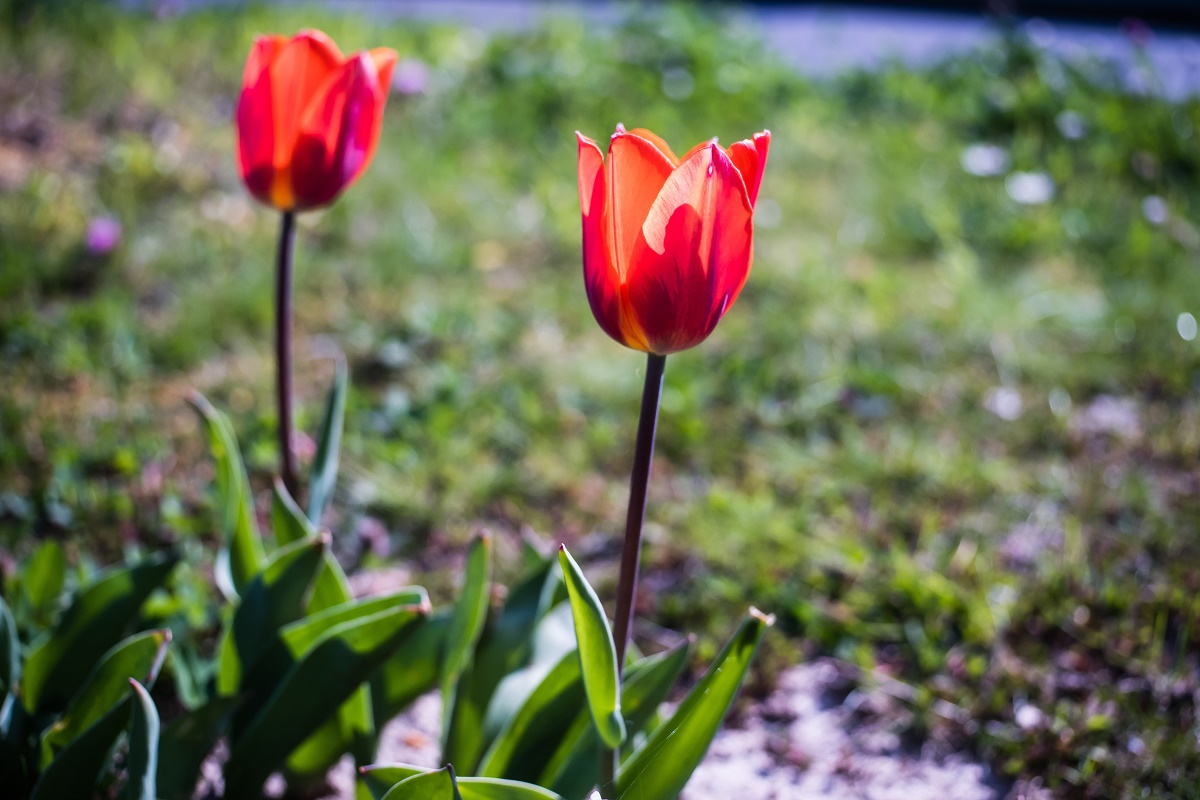
A spring flower with a bulbous rhizome and large flowers of varying shapes and colors. It blooms in April and May, captivating with its diversity. Tulips are sun-loving plants, requiring moderate watering and organic fertilizer.
As you can see, different flowers prefer different soils. Therefore, before planting them in your garden, you need to determine the soil type and its acidity. This can be done using specialized soil tests or indicator plants. Other factors, such as light, humidity, and temperature, should also be considered. If you choose the right soil and conditions for your flowers, you will fully enjoy their beauty and health.